Top billed cast
 Glicéria Tupinambáherself
- Rosemiro Ferreira da Silvahimself
- Maria da Glóriaherself
- Rosivaldo Ferreira da Silva (Cacique Babau)himself
- Maria José da Silvaherself
- Dona Marluce do Campoherself
- Dilza Bransford da Silvaherself
- Seu Felisberto Fulgênciohimself
- Seu Almir Alves Barbosahimself
- Marcionílio Alves Guerreirohimself
Similar to O Retorno da Terra Tupinambá
Incident at Restigouche (1984)
Incident at Restigouche is a 1984 documentary film by Alanis Obomsawin, chronicling a series of two raids on the Listuguj Mi'gmaq First Nation (Restigouche) by the Sûreté du Québec in 1981, as part of the efforts of the Quebec government to impose new restrictions on Native salmon fishermen. Incident at Restigouche delves into the history behind the Quebec Provincial Police (QPP) raids on the Restigouche Reserve on June 11 and 20, 1981. The Quebec government had decided to restrict fishing, resulting in anger among the Micmac Indians as salmon was traditionally an important source of food and income. Using a combination of documents, news clips, photographs and interviews, this powerful film provides an in-depth investigation into the history-making raids that put justice on trial.
Nitassinan
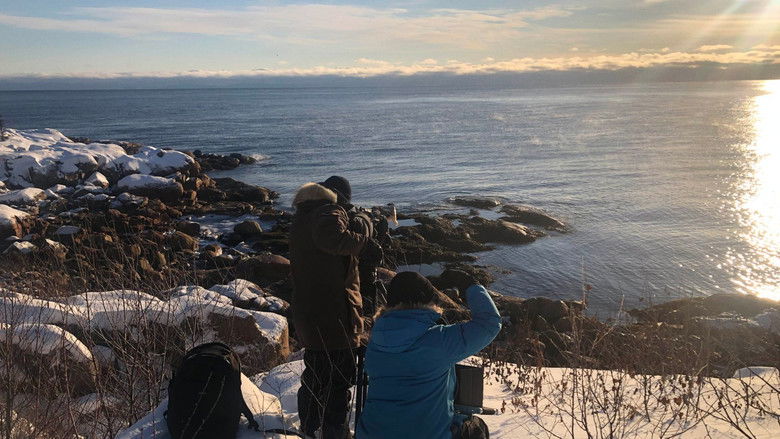
More than an attachment to our territory, the Innu live a filial relationship with Nitassinan, our ancestral homeland. For so many generations, the land has nourished, cared for and raised us. It has inspired our language, our culture, our lifeway and our vision of the world. Throughout the seasons, our ancestors criss-crossed the territory on foot, by canoe or on snowshoes. They knew every river, lake, or stream; every mountain, hill or bog; every camp, trail and portage path. Nomadism forged our people, and the film will record this journey and our history – past, present and future. And while it will attest to our vitality and resilience it is also – and above all – a tribute and a message of respect for the Earth.
An Indian Story (1962)
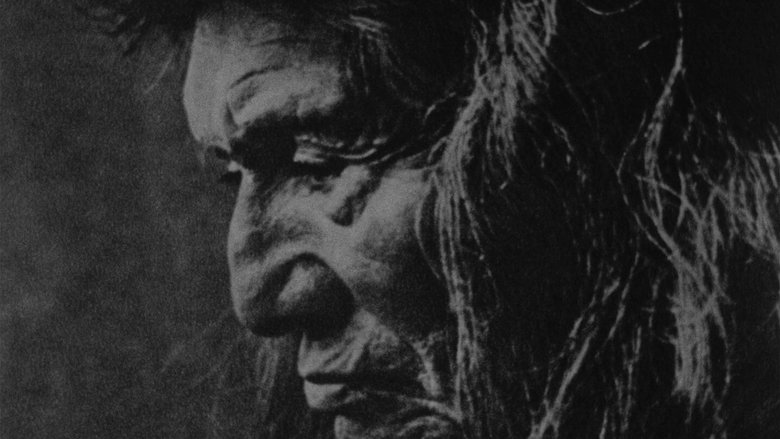
Still photographs and narration give an overview of the history of the American Indian.
The Song That Calls You Home (2022)
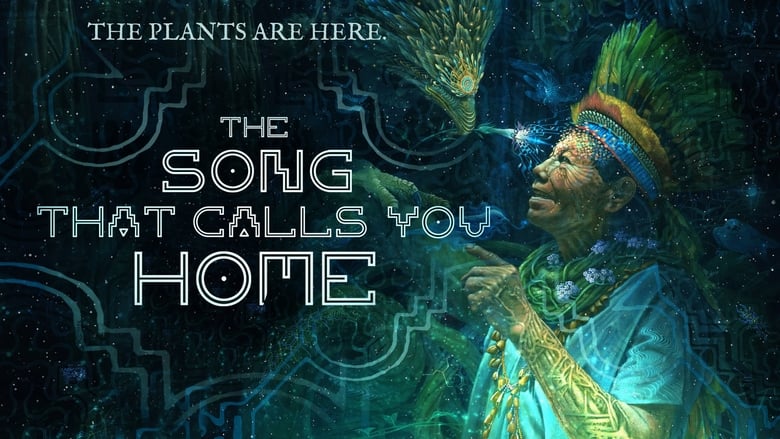
A personal, scientific, mystical exploration of Amazonian curanderismo, focus on Ayahuasca and Master Plants, their healing and visionary properties and risks, along with the Shipibo people and their songs.
Foster Child (1987)
Gil Cardinal searches for his natural family and an understanding of the circumstances that led to his becoming a foster child. An important figure in the history of Canadian Indigenous filmmaking, Gil Cardinal was born to a Métis mother but raised by a non-Indigenous foster family, and with this auto-biographical documentary he charts his efforts to find his biological mother and to understand why he was removed from her. Considered a milestone in documentary cinema, it addressed the country’s internal colonialism in a profoundly personal manner, winning a Special Jury Prize at Banff and multiple international awards.
Missivas (2021)
The Documentary tells the story of Jane Vanini from the author's reflections on her militancy-building process. Starting with the meeting of the two during the “Jornadas de 2013”, we will look at Jane's path as we follow steps, from her hometown, Cáceres, to Concepcion, in Chile. It is the possibility of discussing this journey from a personal point of view that makes this project unique and takes us to social, political and human borders. This window is opened to us through Jane's 41 letters to her family, allowing us to glimpse nuances of her intimacy and militancy choices. It was while researching Jane's militancy that the author debated these reflections on his own militant career and the context in which it takes place. Telling Jane's trajectory, going through her family and religious formation and its implications for her activism was one of the moments of encounter between these two days.
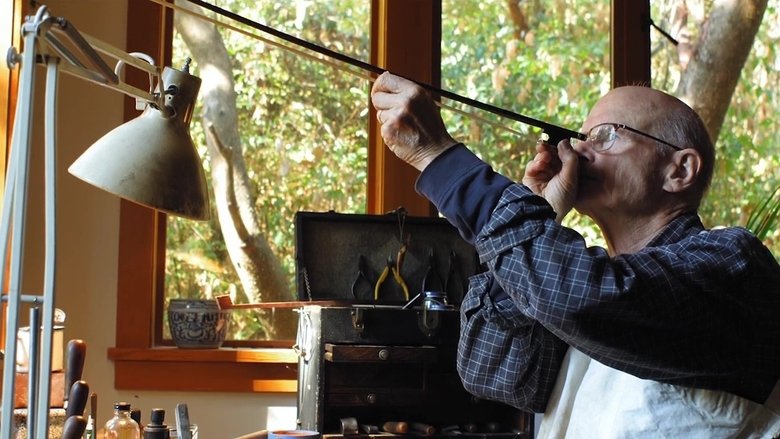
The Bowmakers (2019)
This documentary film explores the world of the bow and the extraordinary masters who make them. The bow is the Cinderella of the orchestra—the overworked and overshadowed ally to its more glamorous partners. Few people, even among lovers of classical music, think of the bow as an instrument in its own right, but players of stringed instruments see them differently. To musicians, the bow is as essential to expressing the soul of the music as the violin or cello. The film follows the journey of the “silent servant” of the music world—from the workshops of the virtuosos of the trade, to the birthplace of the bow in France, and to Brazil, home to the imperiled tree from which the world’s finest bows are made.
Cry Rock (2010)
In the Bella Coola Valley, a haunting legend endures through generations as a filmmaker reckons with whether the stories of her ancestors can survive being held or if they were never meant to be captured.
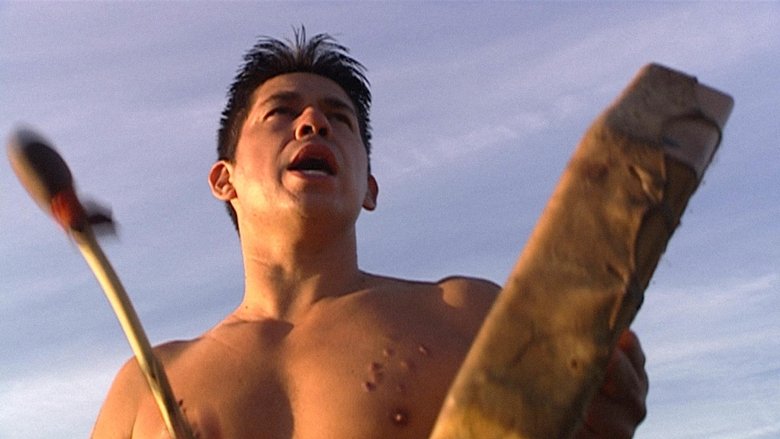
The Sacred Sundance: The Transfer of a Ceremony (2008)
This feature-length documentary chronicles the Sundance ceremony brought to Eastern Canada by William Nevin of the Elsipogtog First Nation of the Mi'kmaq. Nevin learned from Elder Keith Chiefmoon of the Blackfoot Confederacy in Alberta. Under the July sky, participants in the Sundance ceremony go four days without food or water. Then they will pierce the flesh of their chests in an offering to the Creator. This event marks a transmission of culture and a link to the warrior traditions of the past.
Warrior: The Life of Leonard Peltier (1991)
An intimate exploration of the circumstances surrounding the incarceration of Native American activist Leonard Peltier, convicted of murder in 1977, with commentary from those involved, including Peltier himself.
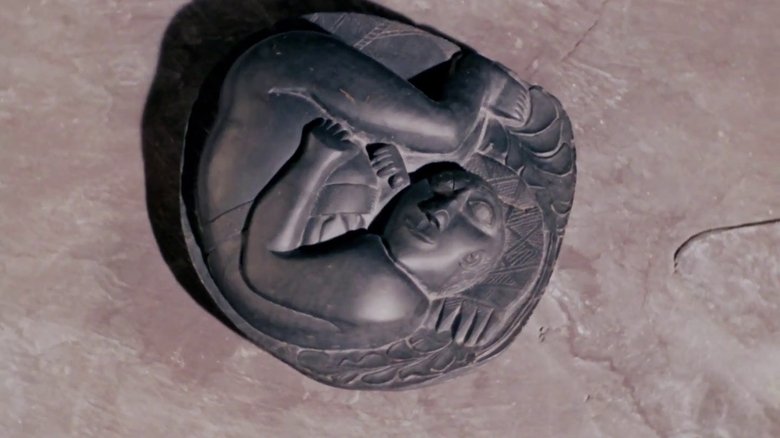
Haida Carver (1964)
On Canada's Pacific coast this film finds a young Haida artist, Robert Davidson, shaping miniature totems from argillite, a jet-like stone. The film follows the artist to the island where he finds the stone, and then shows how he carves it in the manner of his grandfather, who taught him the craft.
First Daughter and the Black Snake (2017)
The “Prophecy of the 7th Fire” says a “black snake” will bring destruction to the earth. For Winona LaDuke, the “black snake” is oil trains and pipelines. When she learns that Canadian-owned Enbridge plans to route a new pipeline through her tribe’s 1855 Treaty land, she and her community spring into action to save the sacred wild rice lakes and preserve their traditional indigenous way of life. Launching an annual spiritual horse ride along the proposed pipeline route, speaking at community meetings and regulatory hearings. Winona testifies that the pipeline route follows one of historical and present-day trauma. The tribe participates in the pipeline permitting process, asserting their treaty rights to protect their natural resources. LaDuke joins with her tribe and others to demand that the pipelines’ impact on tribal people’s resources be considered in the permitting process.
Sabino vive: las últimas fronteras (2015)
The documentary recreates the facts in the life of the Yukpa Chief, Sabino Romero, an indigenous fighter killed on March 3, 2013, in the Chaktapa community of the Sierra de Perija in Zulia state, Venezuela. The film reflects the infinite struggle of Sabino and his people, accompanied by the social groups, in this story of truly libertarian images made with blood and fire, revealing the skein of interests that forged and carried out Sabino's murder, and the attitude Inhuman and murderous of those who made it another victim of history.
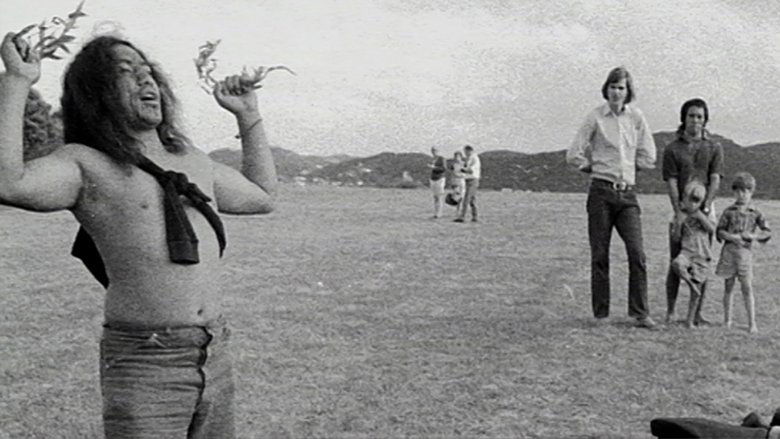
Ngā Tamatoa: 40 Years On (2012)
Actor Rawiri Paratene was 16 years old when he joined Māori activist group Ngā Tamatoa (Young Warriors) in the early 1970s. "Those years helped shape the rest of my life," says Paratene in this 2012 Māori TV documentary, directed by Kim Webby. The programme is richly woven with news archive from the 1970s, showing protests about land rights and the Treaty of Waitangi, and a campaign for te reo to be taught in schools. Several ex Ngā Tamatoa members — including Hone Harawira, Tame Iti and Larry Parr— are interviewed by Paratene, who also presents the documentary.
The Bear Inside a Whale (2025)
Stan Hill Jr. is a Haudenosaunee artist living in Miawpukek First Nation Reserve, Conne River, Newfoundland. In “The Bear Inside a Whale,” he and his family discuss racism, identity, religion, creation and art, along with the cultural extinction of the Beothuk of Newfoundland. Throughout the film, we follow Stan carving a bear out of a whale vertebra. And we visit The Rooms (museum) in St. John’s, Newfoundland, where Stan talks about viewing and reclaiming Indigenous artefacts.
Is the Crown at war with us? (2003)
In the summer of 2000, federal fishery officers appeared to wage war on the Mi'gmaq fishermen of Burnt Church, New Brunswick. Why would officials of the Canadian government attack citizens for exercising rights that had been affirmed by the highest court in the land? Alanis Obomsawin casts her nets into history to provide a context for the events on Miramichi Bay.

Saludos Amigos (1942)
A whimsical blend of live action and animation, "Saludos Amigos" is a colorful kaleidoscope of art, adventure and music set to a toe-tapping samba beat. From high Andes peaks and Argentina's pampas to the sights and sounds of Rio de Janeiro, your international traveling companions are none other than those famous funny friends, Donald Duck and Goofy. They keep things lively as Donald encounters a stubborn llama and "El Gaucho" Goofy tries on the cowboy way of life....South American-style.
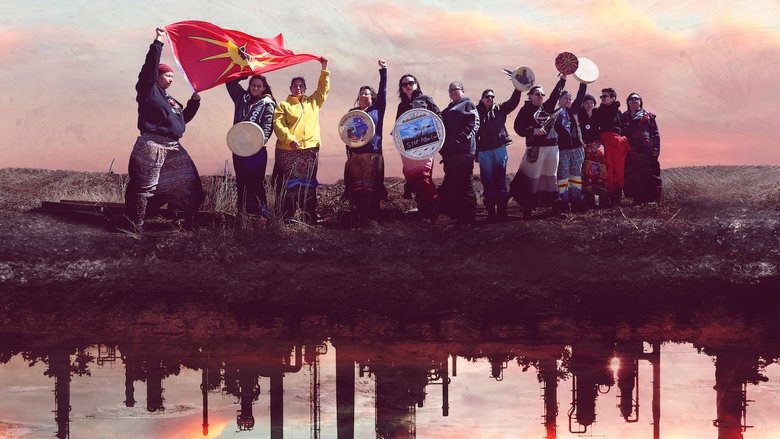
There's Something in the Water (2019)
Elliot Page brings attention to the injustices and injuries caused by environmental racism in his home province, in this urgent documentary on Indigenous and African Nova Scotian women fighting to protect their communities, their land, and their futures.
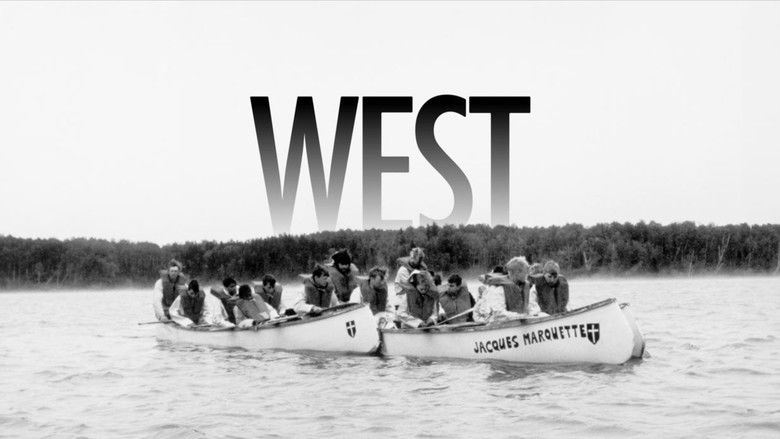
This Riel Business (1974)
This documentary short is a cinematic recording of Tales from a Prairie Drifter, a stage comedy about the North-West Resistance during the opening of the Canadian West. Highlighting the roles of Louis Riel, the Resistance leader, prime minister Sir John A. Macdonald and General Middleton, who was sent to quell the uprising, the play defines the First nations and Métis cause more succinctly than many history books. Here, the play is performed by the Regina Globe Theatre before and Indigineous audience of First Nations and Métis, whose reactions are recorded.