
Fire (1966)
A Jewish town is burning. The figures of the dying inhabitants are inscribed in organic sculptures. A male choir sings the 'S’brent, unzer sztetl brent' (Fire, our town is on fire) song by Mordechaj Gebirtig.
A Jewish town is burning. The figures of the dying inhabitants are inscribed in organic sculptures. A male choir sings the 'S’brent, unzer sztetl brent' (Fire, our town is on fire) song by Mordechaj Gebirtig.
On the banks of the Vistula River, a mermaid, and a bar matron face off against gendered power. Through an emblematic confrontation with a young fisherman, they tear at the net of prevailing misogyny.
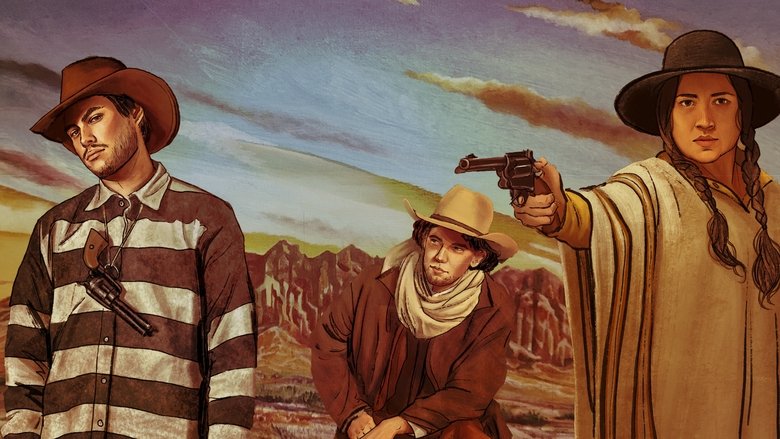
Two hapless drifters, Frank and Bruno, team up with Linde to recover her land and trek across 1870's Southern Arizona to find an elusive frontier musician.
In an Edo-period retelling of "City Lights", Iyami, a poor beggar, befriends a flower-selling blind young girl. Through the ups and downs of their friendship, Iyami strives to find a way to make her see again.
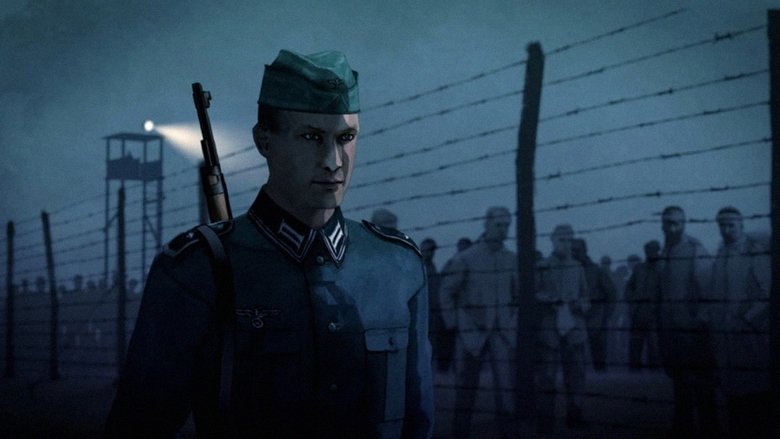
September 1st, 1939. Nazi Germany invades Poland. The campaign is fast, cruel and ruthless. In these circumstances, how is it that ordinary German soldiers suddenly became vicious killers, terrorizing the local population? Did everyone turn into something worse than wild animals? The true story of the first World War II offensive that marks in the history of infamy the beginning of a carnage and a historical tragedy.

After the Trento bombing in Italy 1943, the CG animated short film is the story is of a little girl named Mila. It focuses on the collateral damage affecting the civilian population, and especially the children.
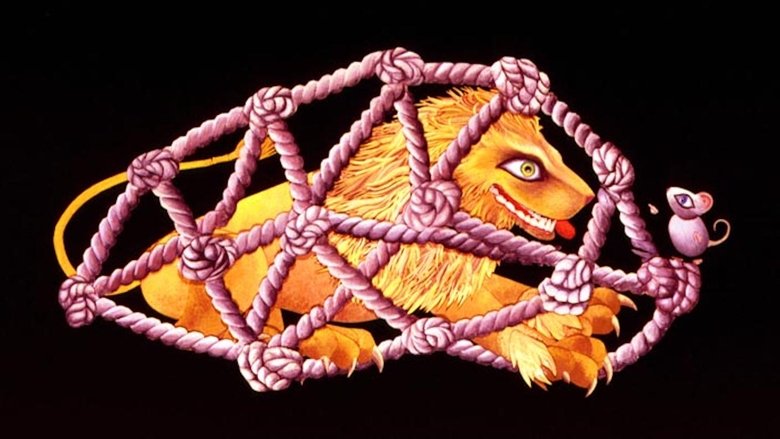
This animated short by Evelyn Lambart is a visual adaptation of the famous Aesop fable "The Lion and the Mouse," in which a mouse proves to a lion that the weak and small may be of help to those much mightier than themselves.
Stop-motion animation on the arranging of marriages in 1950/60s set in the Eastern-Polish borderland. The script is based on a part of Mikołaj Smyk's diary, the director's grandfather. The biographical objects used in the animation, such as an authentic headscarf, Polish and Russian books, the copy of Mikołaj Smyk's diary and photographs help situate the story in its original environment.
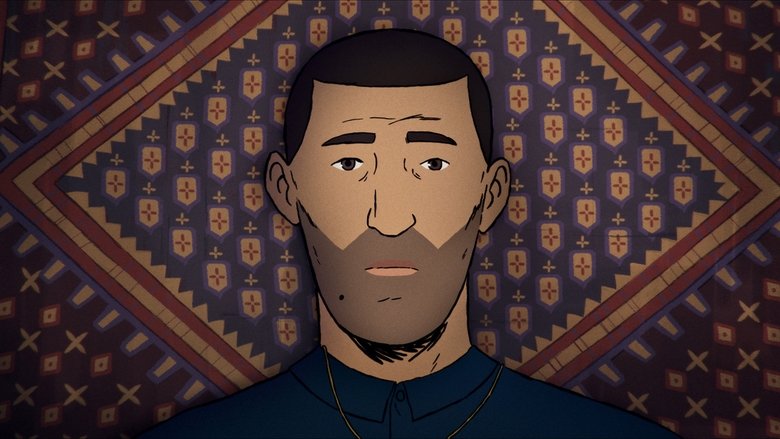
Recounted mostly through animation to protect his identity, Amin looks back over his past as a child refugee from Afghanistan as he grapples with a secret he’s kept hidden for 20 years.
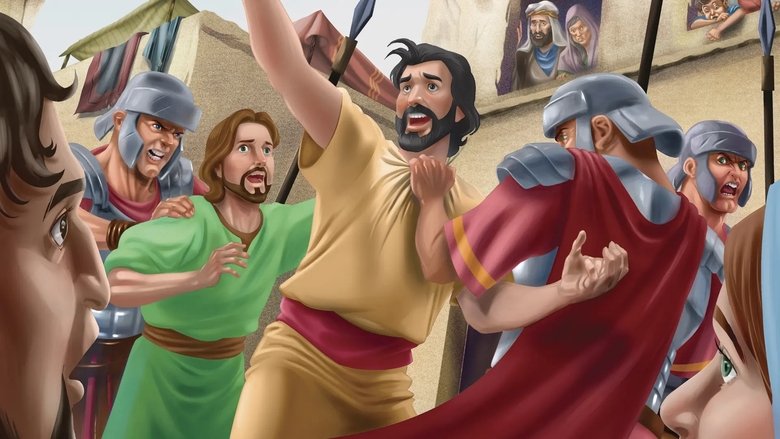
Having risen from the dead, Jesus Christ has appeared to His disciples and instructed them saying, 'Remain in Jerusalem until you are filled with power from Heaven!' Waiting in prayer as Jesus has commanded them, the time comes when the Holy Spirit is poured out upon them with great power and wonder! Follow the small band of early Christian believers as they boldly proclaim Christ and His message in the face of great opposition resulting in the growth of the church and the unexpected conversion of its most zealous enemy.
The flower fairies help a little girl named Mary to thwart germs.
Polish history is filled to the brim with diversity, so the idea transforming it into a gripping tale was a very exciting challenge. We created an exciting trip back in time that takes you through 1000 years of history in about 8 minutes. We picked 140 events that feature 500 animated characters from different historical periods. The film was created to represent Poland at the Expo 2010 in Shanghai.
A film about friendship in difficult times, Auschwitz.
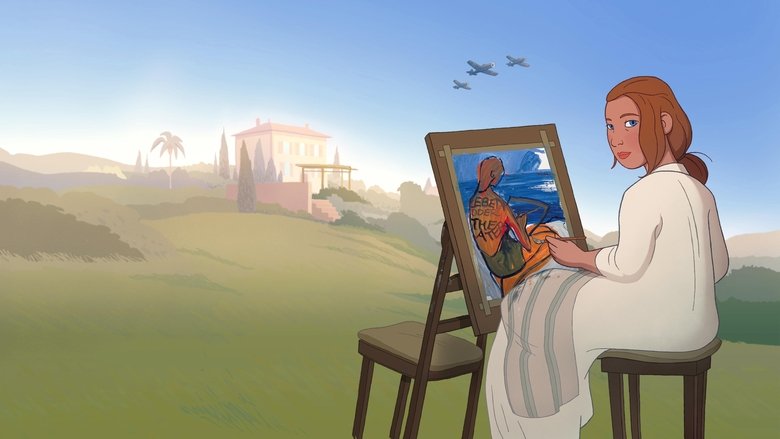
The true story of Charlotte Salomon, a young German-Jewish painter who comes of age in Berlin on the eve of the Second World War. Fiercely imaginative and deeply gifted, she dreams of becoming an artist. Her first love applauds her talent, which emboldens her resolve. When anti-Semitic policies inspire violent mobs, she escapes to the safety of the South of France. There she begins to paint again, and finds new love. But her work is interrupted, this time by a family tragedy that reveals an even darker secret. Believing that only an extraordinary act will save her, she embarks on the monumental adventure of painting her life story.
Argentina, 1960: a true crime story of how secret agent Zvi Aharoni hunts down one of the highest-ranking Nazi war criminals on the run.
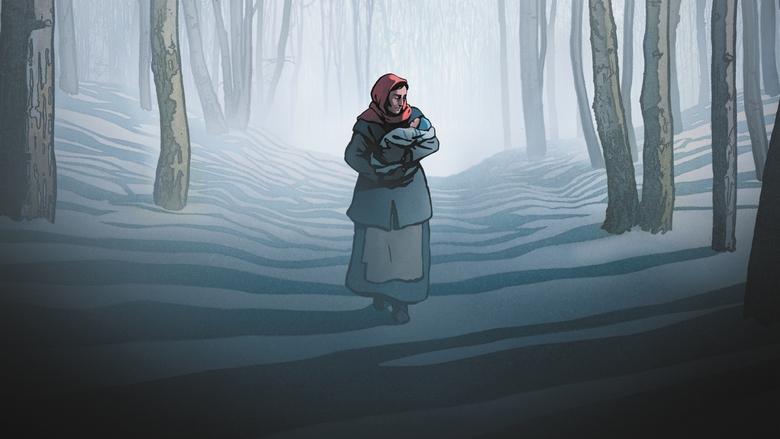
Once upon a time, a poor woodcutter and his wife lived in a great forest. Cold, hunger, poverty, and a war raging all around them meant their lives were very hard. One day, the woodcutter's wife rescues a baby. A baby girl thrown from one of the many trains that constantly pass through the forest. This baby, this "most precious of cargoes", will transform the lives of the poor woodcutter's wife and her husband, as well as those whose paths the child will cross—including the man who threw her from the train. And some will try to protect her, whatever the cost. Their story will reveal the worst and the best in the hearts of men.
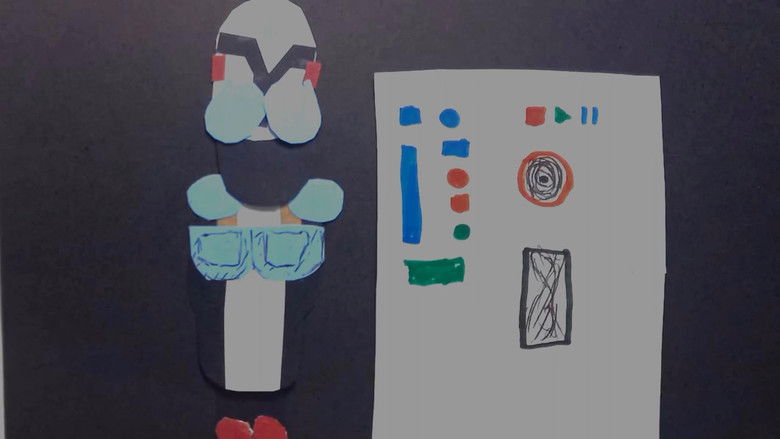
A papercut stopmotion animation in which human Travelers from 2053 travel 30 years into the past to warn "foundlings" of the future that awaits them. The story follows Jonah and his Traveler, learning about the possible chaotic future that could happen if such measures are not applied.
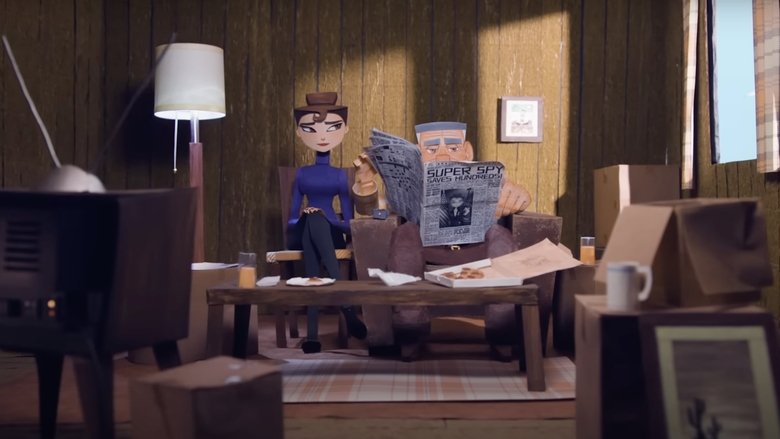
GRUFF is a handmade, paper short film that tells the story of a daughter, mother, and grandfather and how love is conveyed in different ways.
If we are not careful, one day the cars will take over all existence on Earth. The conflict between drivers and pedestrians is seen from the driver's point of view. The film depicts a humorous opposition to Tuganov's earlier film "Pedestrians".
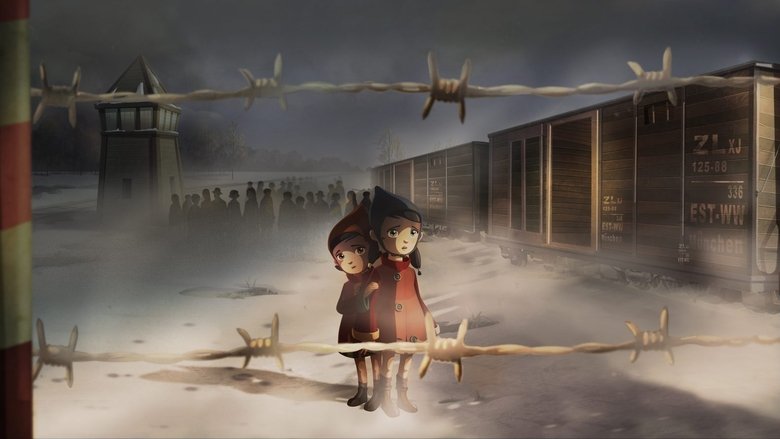
Little Andra and Tati Bucci, Italian Jews from Fiume, were 6 and 4 years old when, on March 29, 1944, they were deported to Auschwitz together with their mother, grandmother, aunt, and little cousin Sergio. They managed to survive the initial selections in the concentration camp because Dr. Mengele mistook them for twins and decided to take them to the Kinderblock, the barracks for children destined for eugenics experiments. The bond they formed with each other and the compassion of a female camp guard allowed the little sisters to survive until the liberation of the camp on January 27, 1945.
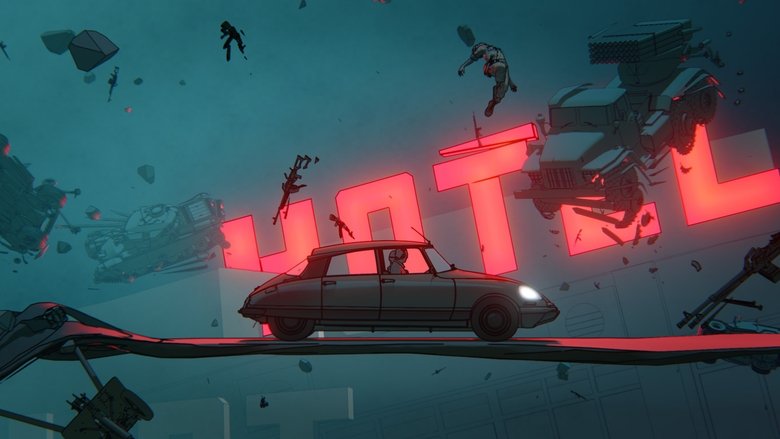
In 1975, Ryszard Kapuściński, a veteran Polish journalist, embarked on a seemingly suicidal road trip into the heart of the Angola's civil war. There, he witnessed once again the dirty reality of war and discovered a sense of helplessness previously unknown to him. Angola changed him forever: it was a reporter who left Poland, but it was a writer who returned…