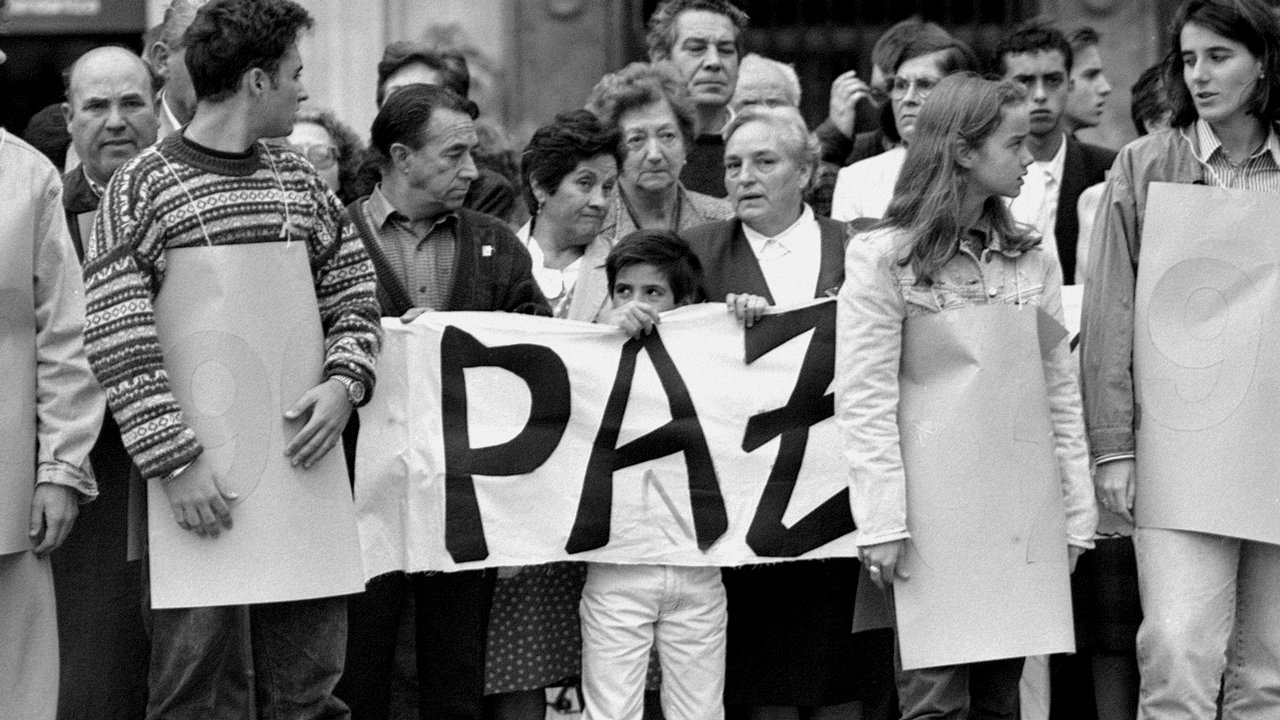
Gesto (2022)
The history of the citizens' movement that for thirty years worked hard to overcome fear, fight hatred and eradicate the violence exercised by the savage terrorist gang ETA, both in the Basque Country and in the rest of Spain.
The history of the citizens' movement that for thirty years worked hard to overcome fear, fight hatred and eradicate the violence exercised by the savage terrorist gang ETA, both in the Basque Country and in the rest of Spain.
 Javier AlcaldeSelfXabier AskasibarSelfItziar AspuruSelfBegoña CasadoSelfPatxi ElolaSelfMaría GuijarroSelfJesús HerreroSelfEider HuertasSelfMaría Josefa de IstúrizSelfMaite LeanizbarrutiaSelf
Benjamina Miyar Díaz (1888-1961) led an unusual life in her house on calle del Agua in Corao, Asturias, at the foot of the Picos de Europa mountain range in northern Spain: she was a photographer and watchmaker for more than forty years, but she also fought in her own humble and heroic way against General Franco's dictatorship.
Having fought in the First Carlist War, Martin returns to his family farm in Gipuzkoa only to find that his younger brother, Joaquín, towers over him in height. Convinced that everyone will want to pay to see the tallest man on Earth, the siblings set out on a long trip all over Europe, during which ambition, money and fame will forever change the family’s fate. A story based on true events.
Kingdom of Castile, 15th century. A group of nobles, who question the dynastic legitimacy of Princess Juana, daughter of King Enrique IV, conspire with the purpose of overthrowing him.
'Ama Lur' is a documentary, directed by Nestor Basterretxea and Fernando Larruquert, that premiered in San Sebastián in 1968, and it is considered the foundation of Basque cinema.
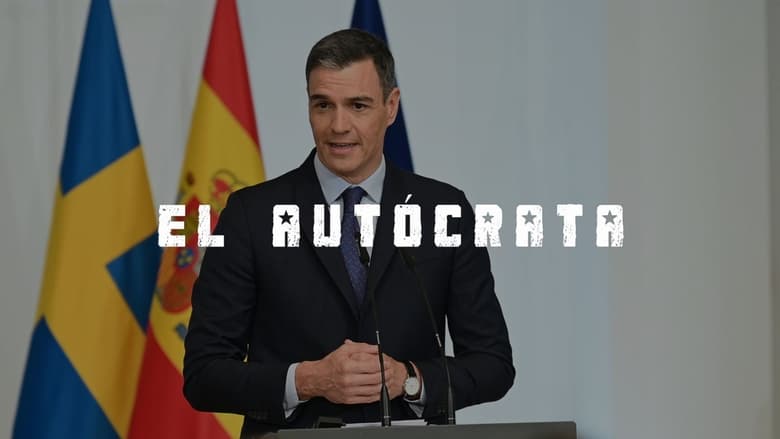
Historical leaders of the PSOE, among them several former ministers, lambast the political legacy of Pedro Sánchez, President of the Government of Spain.
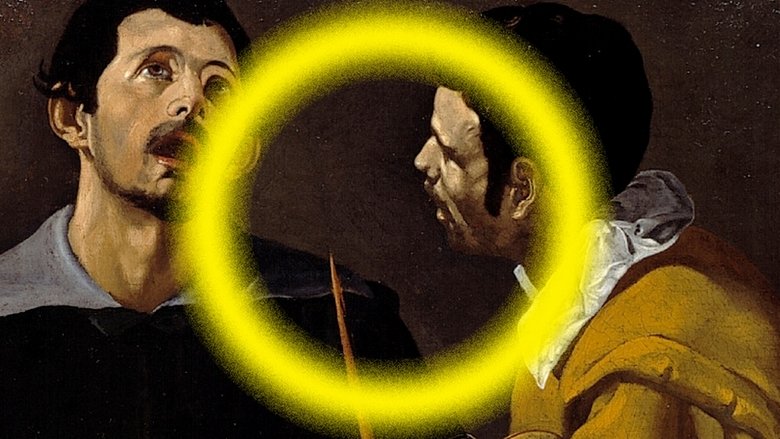
A journey through the Spain of the Baroque, the glorious 17th century, an unfortunate era of endless wars and political tribulations; but also of great painters and sculptors who created astonishing pieces of art: el Siglo de Oro.
When a young couple buys a contested home at auction from the U.S. government for $5,400, they become involved in a political and moral battle much larger than what they originally bargained for.
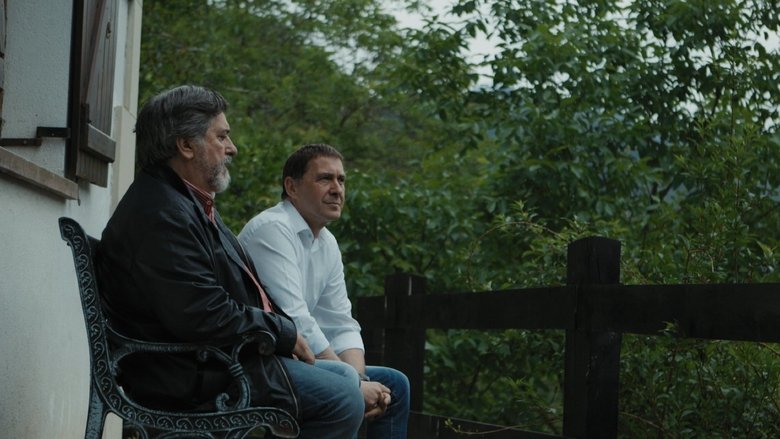
The chronicle of the process, ten long years, that led to the end of ETA (Euskadi Ta Askatasuna), a Basque terrorist gang that perpetrated robberies, kidnappings and murders in Spain and the French Basque Country for more than fifty years. Almost 1,000 people died, but others are still alive to tell the story of how the nightmare finally ended.
This film, directed by Dominique GAUTIER, takes the viewer on a worldwide excursion into the history and structure of the Esperanto language, introducing its present-day speakers. The words of these users of the language are reflective of a variety of activities and viewpoints, and in the film they are interwoven so as to reveal bit by bit how the utopia of its initiator, Ludwig ZAMENHOF, is concretised every day.
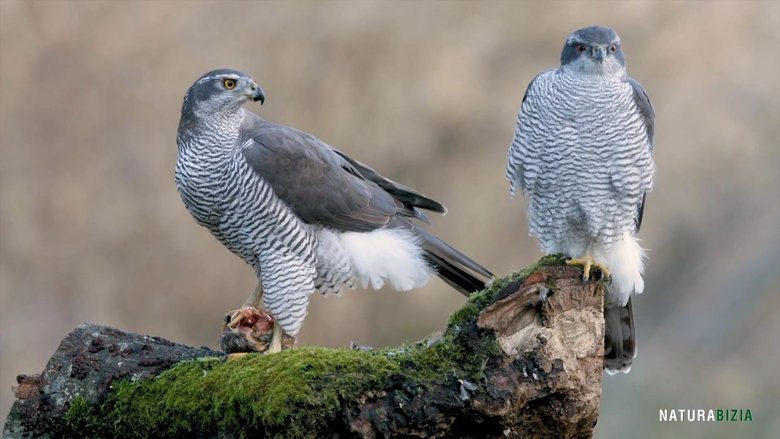
In the north of the Iberian Peninsula, we find two regions that will provide us with great moments. These are the Basque Country and Navarre, two territories that are home to a high percentage of Europe's biodiversity. At Natura Bizia, we will reveal the best-preserved corners, the most spectacular biodiversity, and animal fauna in its wildest state. Vertical cliffs, an endless sea, magical forests, and enormous limestone mountains will provide us with unforgettable experiences. We will swim among the largest cetaceans on the planet, enjoy the first steps of the brown bear after its winter hibernation, witness the daily struggle of wolves to conquer new territory, and fly alongside the most powerful of our eagles.
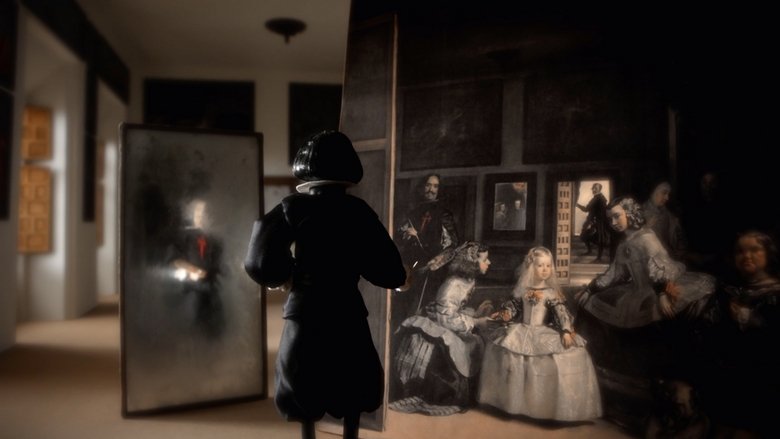
For three and a half centuries, from the same day that Diego Velázquez (1599-1660) applied his last brushstroke to the canvas, the enigma of “Las meninas, o La familia de Felipe IV” (1656) has not been deciphered. The secret story of a painting unveiled as if it was the resolution of a perfect crime.
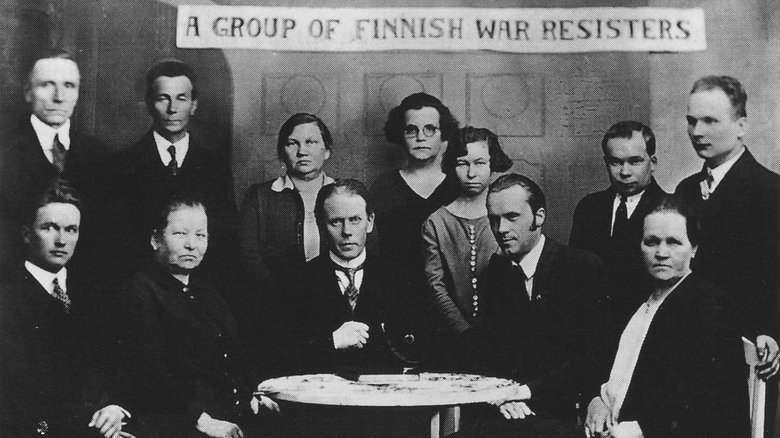
Documentary film about Arndt Pekurinen and the peace movement in the early 20th century. Pekurinen spoke out for pacifism, conscientious objection and peace, and received support for his actions around the world. However, his worldview collided with the nationalist and militaristic atmosphere of the era in Finland. He was considered a troublemaker, a traitor, and a caricature of masculinity. The film is a universal and timeless account of a man persecuted for his opinions. At the same time, it is a description of the weak tolerance of young independent Finland towards dissidents. Pekurinen was executed during the Continuation War by his compatriots on November 5, 1941.
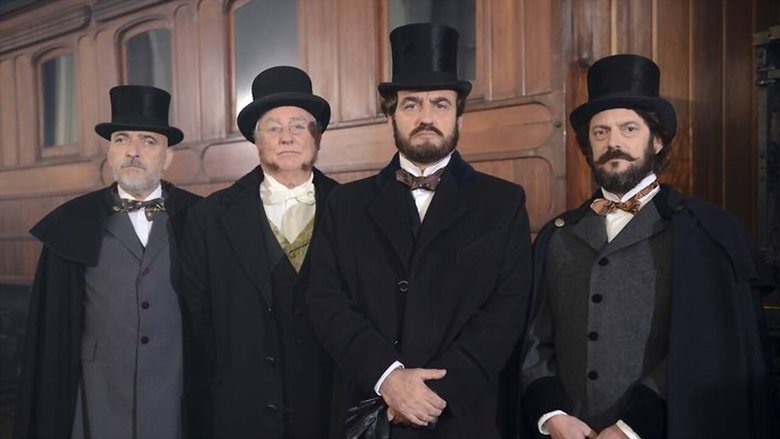
Madrid, Spain, December 27, 1870. General Juan Prim i Prats, president of the Council of Ministers and Minister of War gets involved in a treacherous ambush, is mortal injured and dies three days later. A mystery, a conspiracy, a murder that was never solved.
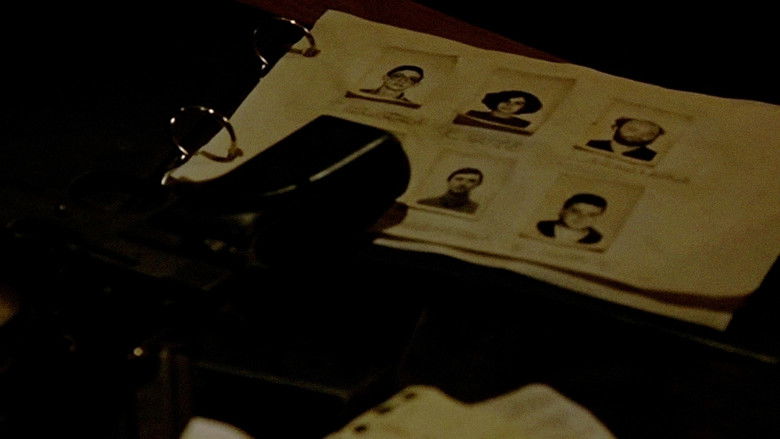
Two journalists investigate the criminal activities of the GAL (Grupos Antiterroristas de Liberación), a secret terrorist organization founded in the eighties and financed by leading figures in the Spanish government and security forces to hunt down and exterminate both members and collaborators of the terrorist gang ETA.
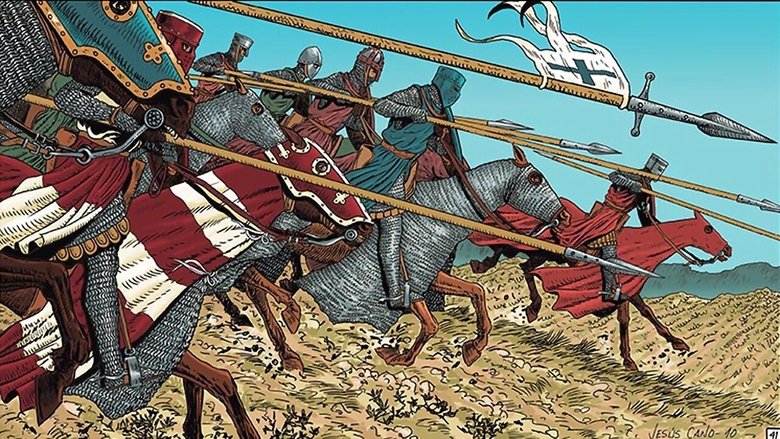
On 16 July 1212, a Crusader army made up of Castilians, Aragonese and Navarrese (but also French, English and Germans) confronted the army of the Almohad Caliph an-Nasir at the foot of the Sierra Morena mountain range. The Battle of Las Navas de Tolosa, as the battle is known, is considered the most important battle of the Middle Ages on the Iberian Peninsula and is a key event in the history of Spain. More than 800 years later, a group of archaeologists and specialists have begun an archaeological study of the battlefield. Is everything that has been said about the battle true? What secrets does the terrain hide? And, above all, what can we learn today about events that took place hundreds of years ago and that pitted tens of thousands of people against each other in the south of our country?
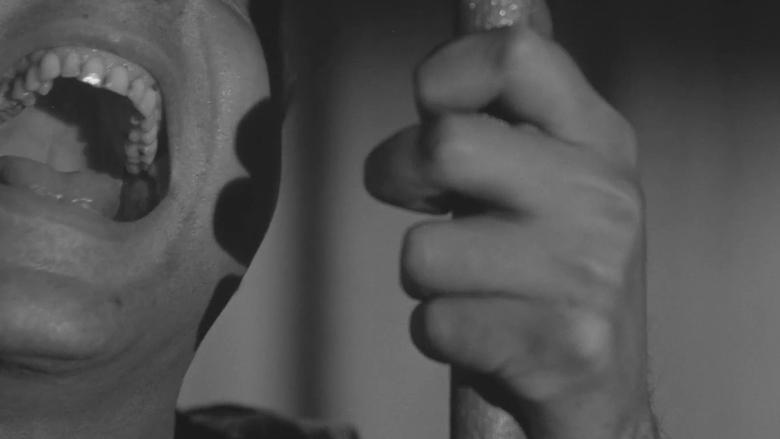
In Spain, a poor country ruined by the recent Civil War (1936-39), and in the midst of Franco's dictatorship, a film school was created in Madrid in 1947, which became, almost unintentionally, a space of freedom and pure experimentation until its closure in 1976.
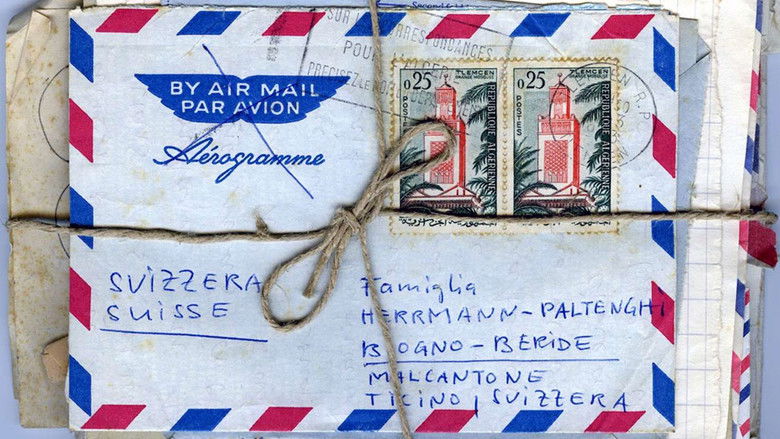
Between 1954-1962, one hundred to three hundred young French people refused to participate in the Algerian war. These rebels, soldiers or conscripts were non-violent or anti-colonialists. Some took refuge in Switzerland where Swiss citizens came to their aid, while in France they were condemned as traitors to the country. In 1962, a few months after Independence, Villi Hermann went to a region devastated by war near the Algerian-Moroccan border, to help rebuild a school. In 2016 he returned to Algeria and reunited with his former students. He also met French refractories, now living in France or Switzerland.

The story of a group of actresses who, in the Spain of the seventies, and in the midst of the democratic Transition, decided to appear nude in the films of that time of radical political change, defying the rigid and deeply rooted social rules.