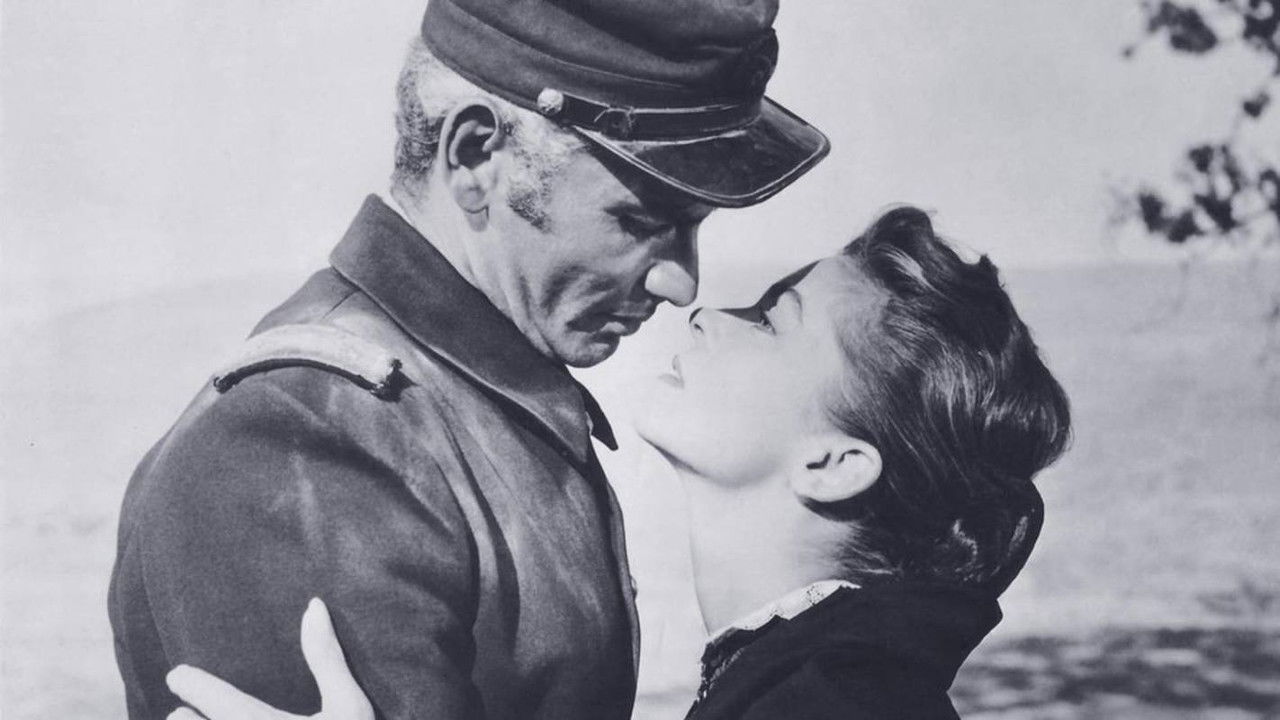
Drango (1957)
A few months after the end of the civil war, Major Drango is sent as military governor in a southern small town, whose citizens he must face the obstility.
A few months after the end of the civil war, Major Drango is sent as military governor in a southern small town, whose citizens he must face the obstility.
 Jeff ChandlerMajor Clint Drango
 Joanne DruKate Calder
 Julie LondonShelby Ransom
 Donald CrispJudge Allen
 Ronald HowardClay Allen
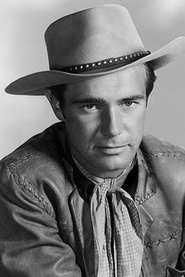 John LuptonCapt. Marc Banning
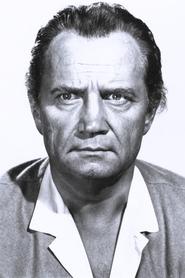 Walter SandeDr. Blair
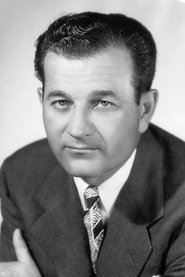 Milburn StoneCol. Bracken
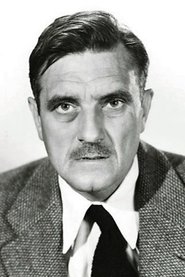 Morris AnkrumHenry Calder
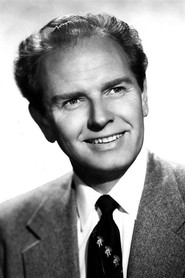 Parley BaerGeorge Randolph
Is the solution to Switzerland's future to integrate Germany into the confederation? After all, like Michael Ringier, CEO of the Ringier media group, says, blithely ignoring all minorities, we're very close in culture and language. Oskar Freysinger takes out his guitar and sings his answer. Politicians from French-speaking Switzerland and Ticino think expanding will help the country survive. The former German foreign minister thinks the two countries' traditions are too different. The banker Oswald Grübel is worried about Germany's debts, although he'd be prepared to take over its assets. With serious interviews interspersed with gags (boat people on Lake Constance, the last Habsburger as a peasant), Giaccobbo gathers off-the-cuff reactions which reveal a lot about the different mentalities. The movie laughs at preconceived notions, redefines neutrality and reflects on what designates a nation. Switzerland, which loves to teach the world a lesson, will soon helvetize the planet, oder?
How the Monuments Came Down is a timely and searing look at the history of white supremacy and Black resistance in Richmond. The feature-length film-brought to life by history-makers, descendants, scholars, and activists-reveals how monuments to Confederate leaders stood for more than a century, and why they fell.
Confederate Col. Lafe Harvey (Earl Ross) travels home after the Civil War, where he must tell his niece, Betty (Frances Grant), that her father is presumed dead. Soon after he returns, scavengers destroy the family home and he and Betty escape westward. Meanwhile, Gen. John Harvey (William Welch), Betty's father, has been seriously injured but is not dead. He arrives at the deserted plantation with the help of Union soldier Tom (Bob Steele), who then pledges to help John find his family
Using over 100 years of archival footage, director Sierra Pettengill explores the history of the largest Confederate monument, Georgia’s Stone Mountain.
Kids, me and your uncle always had a weird relationship, but in the Summer of 1863, well, just watch. History project I made about the civil war and how Americans were divided.
"River of Hope" tells the story of how a former slave Mary Barnes Cabell and her children helped found the first college for African Americans in West Virginia. Based on true events.
On April 12th, 1864, at an insignificant little fort, several hundred black Union soldiers fought a hopeless battle against a Confederate general who was destined to become the first Grand Wizard of the KKK. This battle had a domino effect, trickling down the long road of history. Today, it is just a footnote in most history books; however, no other event of the Civil War has had such a profound impact on the twentieth century, especially on American culture.
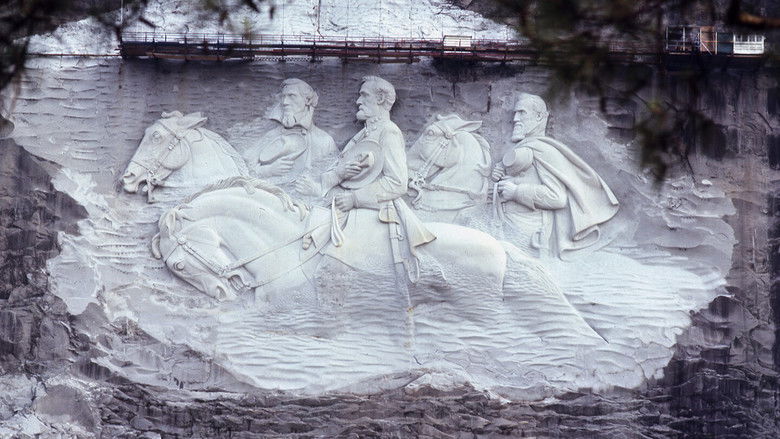
Atlanta History Center explores the controversial history of the Stone Mountain carving through a documentary film and online resources.
Black and White UCLA Student Film, Preserved by the Academy Film Archive. During the American Civil War, two Union soldiers and a Confederate solider fire at each other from across a brook. The two sides negotiate a one-hour truce, from which they develop a bond. Based on the short story "Pickets" (1897) by Robert W. Chambers, it was the winner of an Academy Award for Best Short Subject (Two Reel) film in 1955. The film is on the National Film Registry for its cultural significance in 2007.
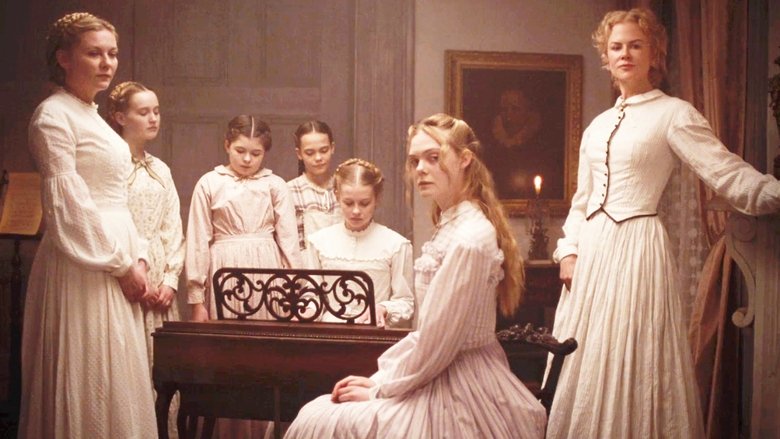
During the Civil War, at a Southern girls’ boarding school, young women take in an injured enemy soldier. As they provide refuge and tend to his wounds, the house is taken over with sexual tension and dangerous rivalries, and taboos are broken in an unexpected turn of events.
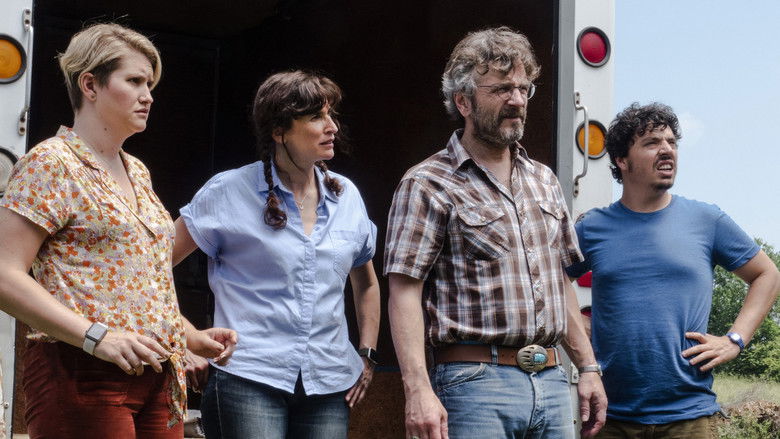
When Cynthia and Mary show up to collect Cynthia's inheritance from her deceased grandfather, the only item she's received is an antique sword that he believed to be proof that the South won the Civil War.
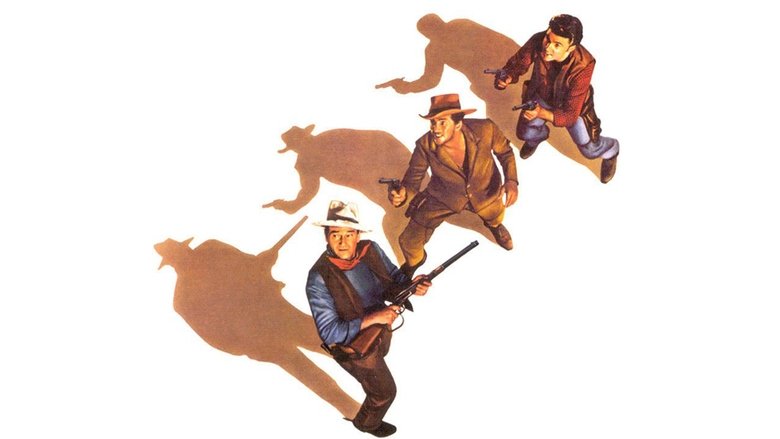
A small-town sheriff in the American West enlists the help of a disabled man, a drunk, and a young gunfighter in his efforts to hold in jail the brother of the local bad guy.
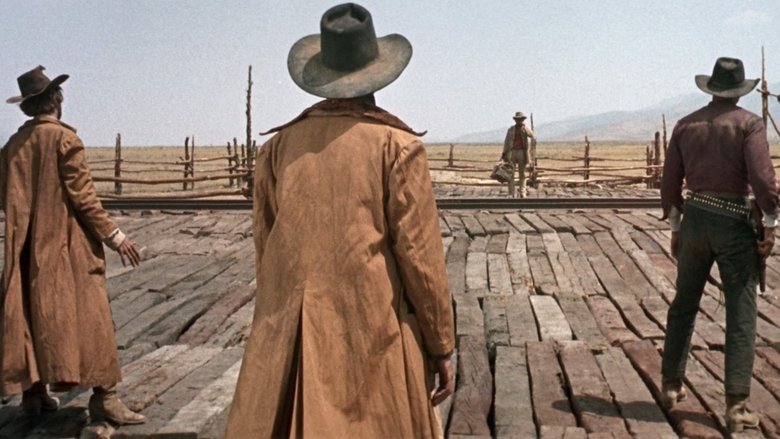
As the railroad builders advance unstoppably through the Arizona desert on their way to the sea, Jill arrives in the small town of Flagstone with the intention of starting a new life.
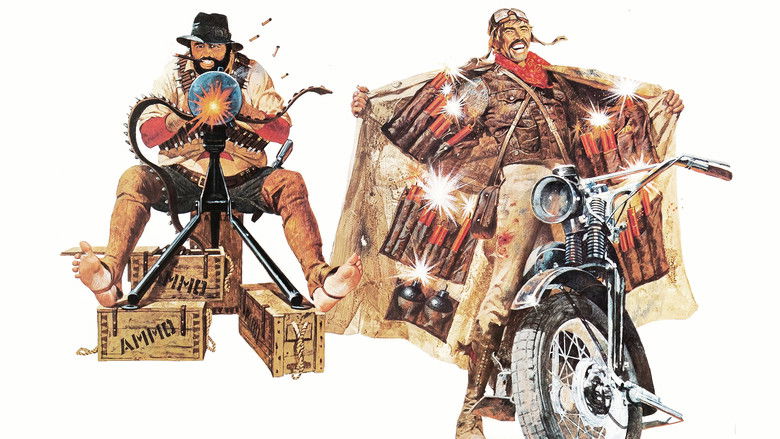
At the beginning of the 1913 Mexican Revolution, greedy bandit Juan Miranda and idealist John H. Mallory, an Irish Republican Army explosives expert on the lam from the British, fall in with a band of revolutionaries plotting to strike a national bank. When it turns out that the government has been using the bank as a hiding place for illegally detained political prisoners -- who are freed by the blast -- Miranda becomes a revolutionary hero against his will.
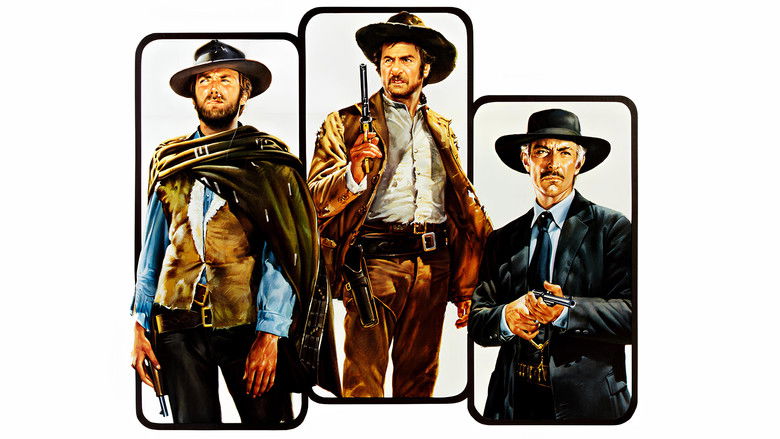
While the Civil War rages on between the Union and the Confederacy, three men – a quiet loner, a ruthless hitman, and a Mexican bandit – comb the American Southwest in search of a strongbox containing $200,000 in stolen gold.
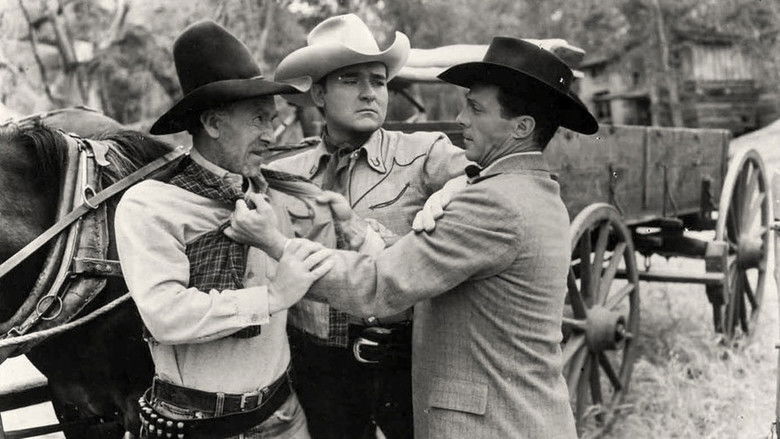
Prospector Jeff Malloy rescues Doris Devlin, owner of a trading post, from an ambush planned by her uncle, Kilburn, who is trying to scare her out of the territory so that he can continue his counterfeiting operations.
College athlete Jimmy Brent is sent to Wyoming by his wealthy uncle John Morton, who has promised him $50,000 if he beats up Bob Phillips, who was once Morton's rival for Mary Allen. Jimmy finds Phillips, but when he falls in love with Phillips' daughter Gloria, he starts to think twice about performing his "job" for Uncle John. Matters are further complicated when a ranch hand tricks Phillips into thinking that Jimmy is the head of a gang of rustlers.
The Spirit of the Lake is a 1921 American silent short Western drama film produced by Cyrus J. Williams and distributed by Pathé Exchange. It was directed by Robert North Bradbury and stars Tom Santschi, Bessie Love, and Ruth Stonehouse.
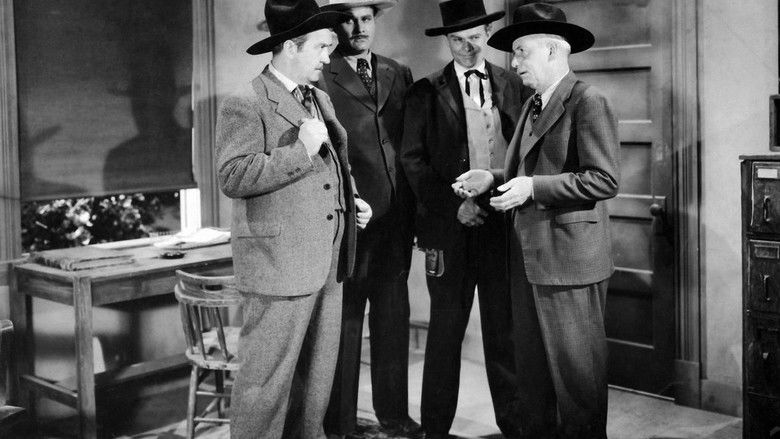
As a 32nd cousin of the recently deceased Silas Stockton, Fuzzy heads for the reading of the will. The bad guys are after the Stockton estate and plan to kidnap Helen Stockton, the primary heir, and replace her with a stooge. When the henchmen catch her she is with Billy and Fuzzy so they kidnap them also. But the three escape and Billy then heads out to find the culprits.
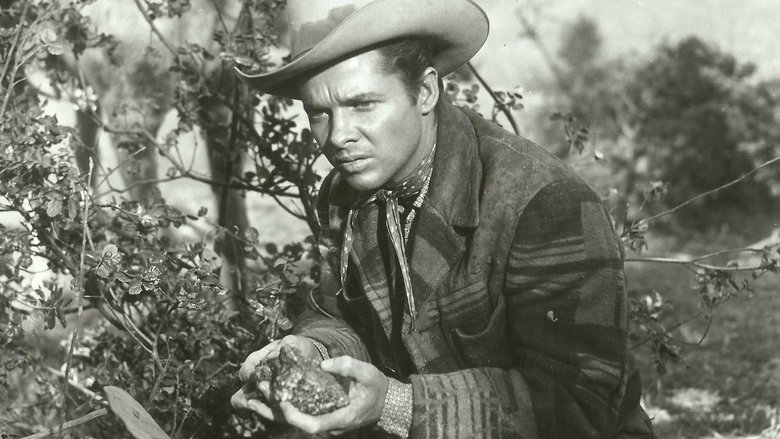
Jim Harvey is hired to guard a small wagon train as it makes its way west. The train is attacked by Indians and Harvey, hoping to persuade Aguila, the chief, to call off the attack due to Harvey's having saved his son's life, leaves the train to negotiate. He is captured and the rest of the train is wiped out except for two sisters. Escaping and showing up in town later, Harvey is nearly hanged as a deserter, but gets away. Eventually caught by the sheriff and his posse, they are attacked by Indians. This time the Indians are defeated and Aguila, captured and dying, reveals the identity of the white man who engineered the initial attack on the wagon train, just as the perpetrator rides up behind them.