
J'aime toute (2017)
At the age of eight, José shows us his village, Nutashkuan, and everything he loves there.
At the age of eight, José shows us his village, Nutashkuan, and everything he loves there.
José Mestenapéo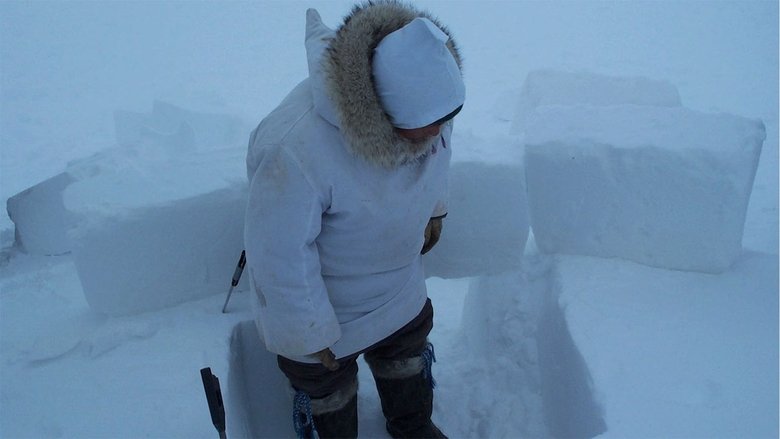
In this feature-length documentary, 8 Inuit teens with cameras offer a vibrant and contemporary view of life in Canada's North. They also use their newly acquired film skills to confront a broad range of issues, from the widening communication gap between youth and their elders to the loss of their peers to suicide. In Inuktitut with English subtitles.
INAATE/SE/ re-imagines an ancient Ojibway story, the Seven Fires Prophecy, which both predates and predicts first contact with Europeans. A kaleidoscopic experience blending documentary, narrative, and experimental forms, INAATE/SE/ transcends linear colonized history to explore how the prophecy resonates through the generations in their indigenous community within Michigan’s Upper Peninsula. With acute geographic specificity, and grand historical scope, the film fixes its lens between the sacred and the profane to pry open the construction of contemporary indigenous identity.
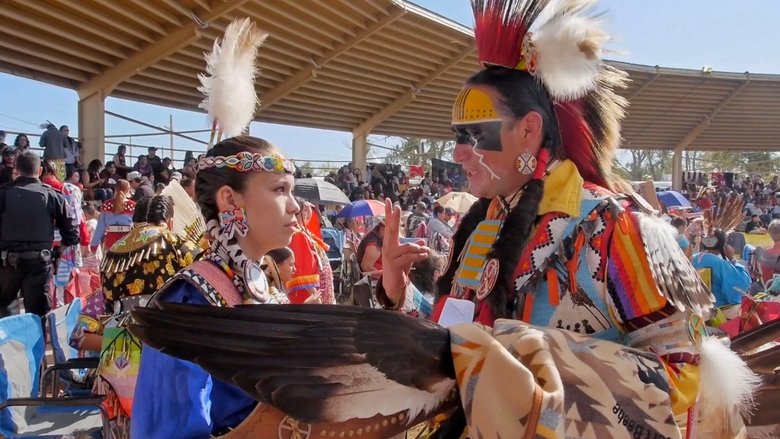
Follow filmmaker Elle-Máijá Tailfeathers as she creates an intimate portrait of her community and the impacts of the substance use and overdose epidemic. Witness the change brought by community members with substance-use disorder, first responders and medical professionals as they strive for harm reduction in the Kainai First Nation.
In El Salvador, Chelino tells about the indigenous massacre of 1932, of which he survived, while he teaches the melodies of traditional Salvadoran dances.
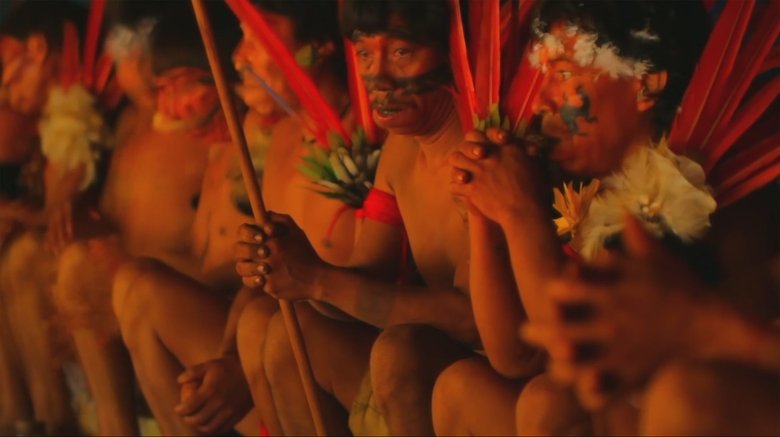
Xapiri is a Yanomami term that characterizes the shamans, male spirits (xapiri thëpë) and also auxiliary spirits (xapiri pë). Xapiri is an experimental film about Yanomami shamanism that was filmed during a meeting of 37 shamans at the Watoriki Reserve, Roraima, in March of 2011. The film was designed to take into account two different notions of image: those of the Yanomami and ours. Therefore, it does not set out to explain shamanism, its methods or procedures, but to allow different cultures to visualize and feel the way in which the shamans “embody” the spirits, their bodies and voices.

Too hot! The spawning fish do not come at the right time and the pepper plants end up dying in this heat. "This is a very different weather that not even the spirits can understand." From their gardens, homes, and backyards, the indigenous women of the Amazon involve us in their vast universe of knowledge while they observe the impacts of climate change in their ways of life.
A few years ago the indigenous musician Delfín Quishpe uploaded a video clip on YouTube of his song Torres Gemelas without imagining the impact it would have. For some, the video was strange and in bad taste, however his charisma and his lyrics made him a celebrity. After ten years, Delfín still has not overcome the hangover of fame and now he struggles not to turn off the magic of his music, in a world of ephemeral stars in the digital age.
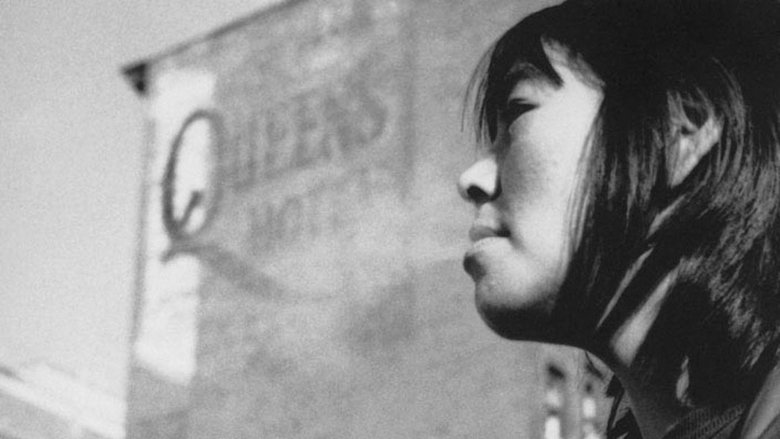
This feature-length documentary by Alanis Obomsawin examines the plight of Native people who come to Montreal searching for jobs and a better life. Often arriving without money, friends or jobs, a number of them quickly become part of the homeless population. Both dislocated from their traditional values and alienated from the rest of the population, they are torn between staying and returning home.
For almost a century, the Coast Salish knitters of southern Vancouver Island have produced Cowichan sweaters from handspun wool. These distinctive sweaters are known and loved around the world, but the Indigenous women who make them remain largely invisible.
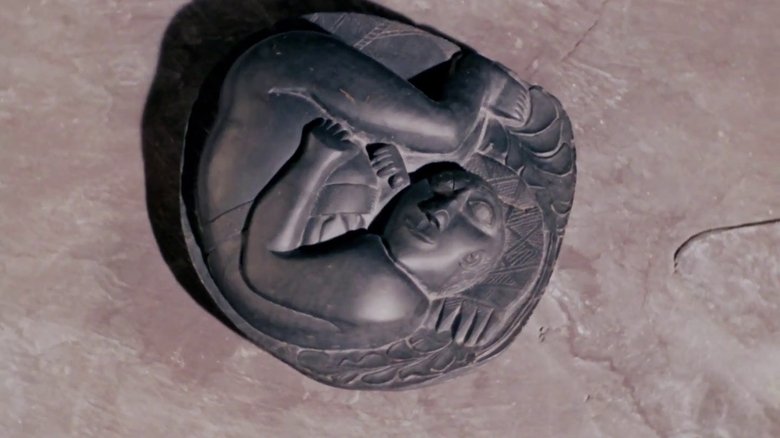
On Canada's Pacific coast this film finds a young Haida artist, Robert Davidson, shaping miniature totems from argillite, a jet-like stone. The film follows the artist to the island where he finds the stone, and then shows how he carves it in the manner of his grandfather, who taught him the craft.
The conflict over forestry operations on Lyell Island in 1985 was a major milestone in the history of the re-emergence of the Haida Nation. It was a turning point for the Haida and management of their natural resources.
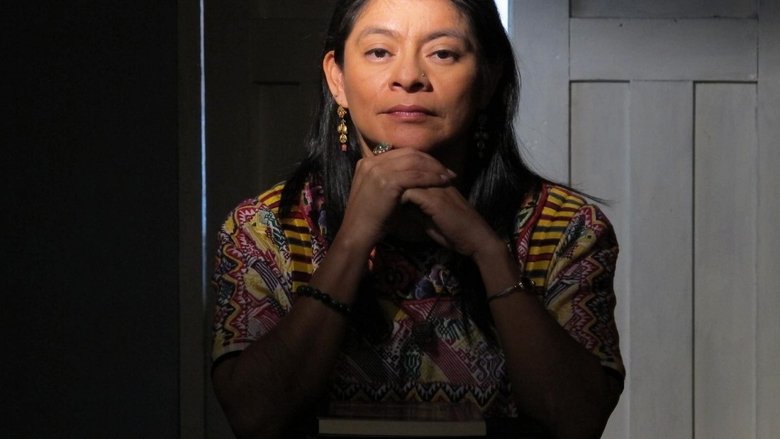
From a historic genocide trial to the overthrow of a president, the sweeping story of mounting resistance played out in Guatemala’s recent history is told through the actions and perspectives of the majority indigenous Mayan population, who now stand poised to reimagine their society.
Documents the conflicts and tensions that arise between highland migrants and Mosetenes, members of an indigenous community in the Bolivian Amazon. It focuses particularly on a system of debt peonage known locally as ‘habilito’. This system is used throughout the Bolivian lowlands, and much of the rest of the Amazon basin, to secure labor in remote areas.
In the summer of 2000, federal fishery officers appeared to wage war on the Mi'gmaq fishermen of Burnt Church, New Brunswick. Why would officials of the Canadian government attack citizens for exercising rights that had been affirmed by the highest court in the land? Alanis Obomsawin casts her nets into history to provide a context for the events on Miramichi Bay.
A documentary on the war between the Guatemalan military and the Mayan population, with first hand accounts by Nobel Peace Prize winner Rigoberta Menchú.
Keeping Country Strong is a new documentary by Country Needs People From the heart of the desert to the islands and estuaries of Sea Country, Indigenous Protected Areas span over 110 million hectares of land and sea and now cover over 54% of Australia’s reserves on land. Indigenous Rangers are on the frontline. Working in some of the most remote corners of the planet they are safeguarding endangered species, fighting wildfires and invasive species, and practising culture in the face of a changing climate. FEATURING Indigenous Rangers and Traditional Owners from Budj Bim IPA, Gaagal Wajaarr Proposed Sea Country IPA, Ngururrpa IPA, Tiwi Islands Proposed IPA, Anangu Tjutaku IPA, Lungtalanana IPA, Mayala IPA & SE Arnhem Land IPA.
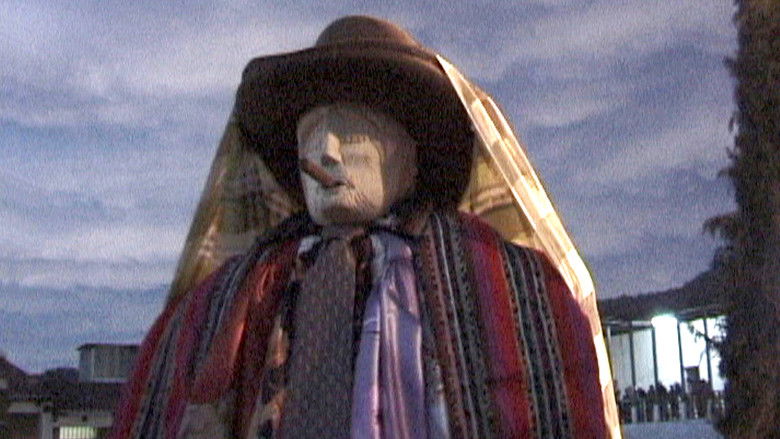
MAXIMÓN - Devil or Saint is a documentary about the controversial Maya deity, also known as San Simon or the drinking and smoking saint of Guatemala. He is a mixture of ancient Maya beliefs and Christianity. The movie concentrates on the people who surround Maximón with their strong personalities, opinions and faith. The documentary gives us a rare view into the rituals and fiestas honoring Maximón. The cult of Maximón is flourishing because he performs miracles. He is also feared and despised because he is used to cast curses that can result in death. Ultimately, Maximón transcends the duality of good and evil, reflecting the Maya cosmovision in which everything in the universe co-exists.
The title of this video, taken from the texts of the architect Kengo Kuma, suggests a way of looking at everything as “interconnected and intertwined” - such as the historical and the present and the tool and the artifact. Images and representations of two structures in the Portland Metropolitan Area that have direct and complicated connections to the Chinookan people who inhabit(ed) the land are woven with audio tapes of one of the last speakers of chinuk wawa, the Chinookan creole. These localities of matter resist their reduction into objects, and call anew for space and time given to wandering as a deliberate act, and the empowerment of shared utility.
Examines the impact a century of struggling for survival has on a native people. It weaves the Crow tribe's turbulent past with modern-day accounts from Robert Yellow-tail, a 97-year-old Crow leader and a major reason for the tribe's survival. Poverty and isolation combine with outside pressures to undermine the tribe, but they resist defeat as "Contrary Warriors," defying the odds.
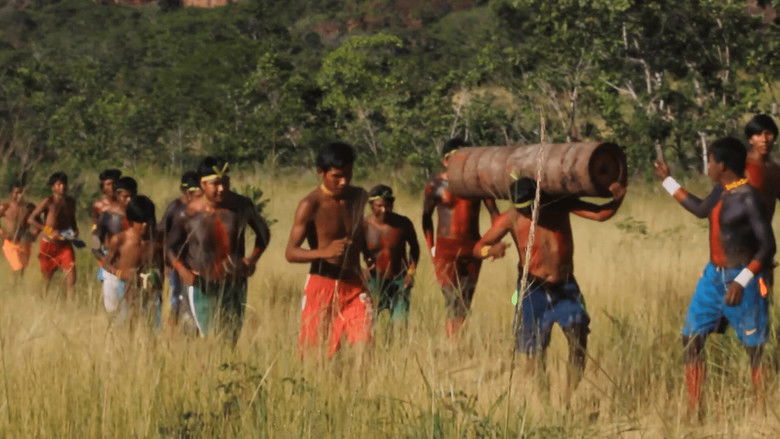
The Mentuwajê Guardians of Culture (a group of young Krahô filmmakers) invite the Beture Collective (Mebêngôkre-Kayapó) to visit their village and attend the Kêtwajê festival – an important initiation ritual that has not taken place for ten years. Over the course of several days, children and adolescents undergo various “tests” to transform into adult warriors, under the watchful and shared gaze of the local filmmakers and the Mebêngôkre-Kayapó guests.