I'll See You Again (2022)
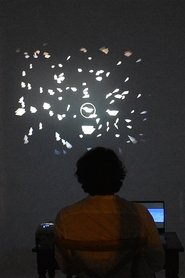
A group of artists settle in a swamp on the banks of the Indre River. Meanwhile, a voice describes a utopian world.
A group of artists settle in a swamp on the banks of the Indre River. Meanwhile, a voice describes a utopian world.
 Tinne Zenner
 Baptiste Jopeck
 Constantin Jopeck
 Valentine Siboni
 Félix Rigal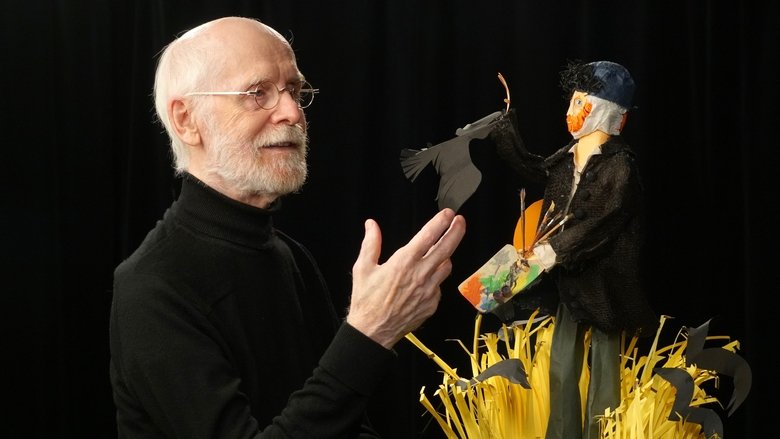
Much like Fred Rogers and Bob Ross in the United States, Claude Lafortune was a staple of French-Canadian television. The beloved children's television host inspired generations of children through his celebration of creativity, inclusivity and diversity. For over five decades, he dedicated his life to transforming mere paper into whimsical sculptures, creatures and film sets. "The Paper Man" reveals the depths of Claude Lafortune's work, as well as his continuing legacy.
Filmmakers Laura Mulvey and Mark Lewis use rare archival footage and interviews with artists, art historians, and museum directors to examine the fate of Soviet-era monuments during successive political regimes, from the Russian Revolution through the collapse of communism. Mulvey and Lewis highlight both the social relevance of these relics and the cyclical nature of history. Broadcast on Channel Four as part of the 'Global Image' series (1992-1994).
A journey into the hearts, minds and eyes of Georgia O’Keeffe, Emily Carr and Frida Kahlo - three of the 20th century’s most remarkable artists.
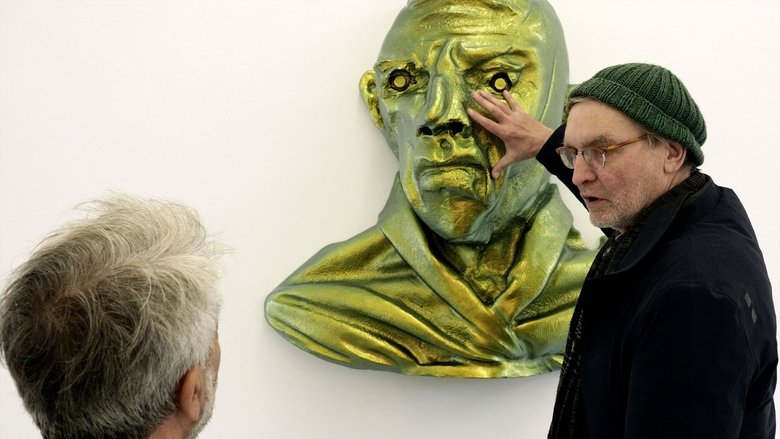
Thomas Schütte's work is always about people. His works have gravity and lightness, but they also show damage, power relations, fears, dependencies, evil, weird and beautiful figures. Schütte studied from 1973 to 1981 at the Düsseldorf Art Academy under Fritz Schwegler and Gerhard Richter. Today, he is one of the most important contemporary artists and is represented in all major museums and collections worldwide.
Record high oil prices, global warming, and an insatiable demand for energy: these issues define our generation. The film exposes shocking connections between the auto industry, the oil industry, and the government, while exploring alternative energies such as solar, wind, electricity, and non-food-based biofuels.
Pop Goes the Easel was Ken Russell’s first full-length documentary for the BBC’s arts series Monitor. It focused on 4 British Pop Artists - Peter Blake, Peter Philips, Pauline Boty and Derek Boshier.
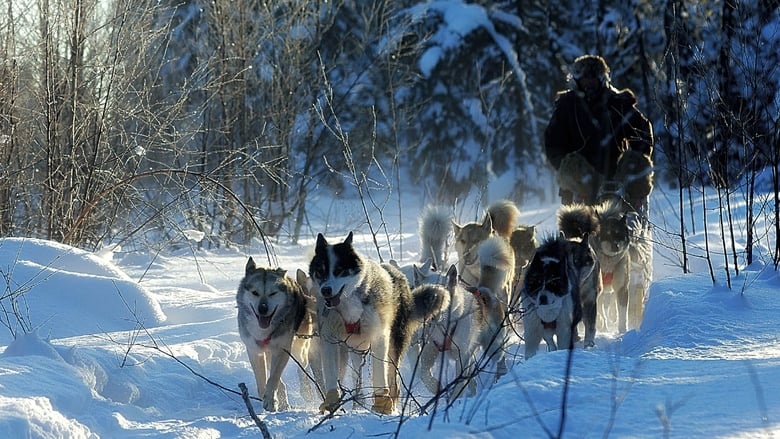
Norman is not just an admirer of nature, he's a part of it. He survives the harshness of the climate and the wildlife by coexisting with it. With his wife Nebraska, they live almost entirely off the land, making money by selling their furs.
Lake Tanganyika is an 'Ocean' in Africa. Millions of years ago it was colonized by a little fish called 'Cichlid'. Otters, crocodiles, cobras and cormorants all hunt the fish in clear water. How the Cichlid survived and evolved is an incredible story for, millions of years later, there are over 200 new species - all found only in Lake Tanganyika. Incredibly, they have evolved to look like coral reef fish. There are cichlid equivalents of tuna, snapper, gobies and goatfish. They have evolved bizarre methods of breeding with mouth-incubation, lekking and, unique amongst fish, there is even a cuckoo. Despite all their specialization over millions of years, if an opportunity presents itself, the little fish can behave like their unspecialized ancestor. In the climax of the film, they bang together to feast on a hatch of sardine fry. This is the story of how one little fish has conquered a lake.
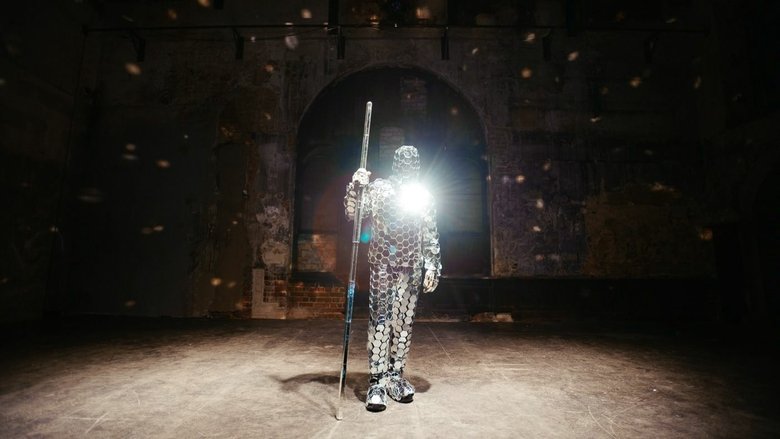
H*ART ON dives off the deep end of modern art. A film about the yearning to create, to mould everyday emotions into a meaningful life and, most of all, to live beyond one's death. A struggle that gets to the existential core of each of us. How do you find meaning in everyday fear, love, sex and loneliness?
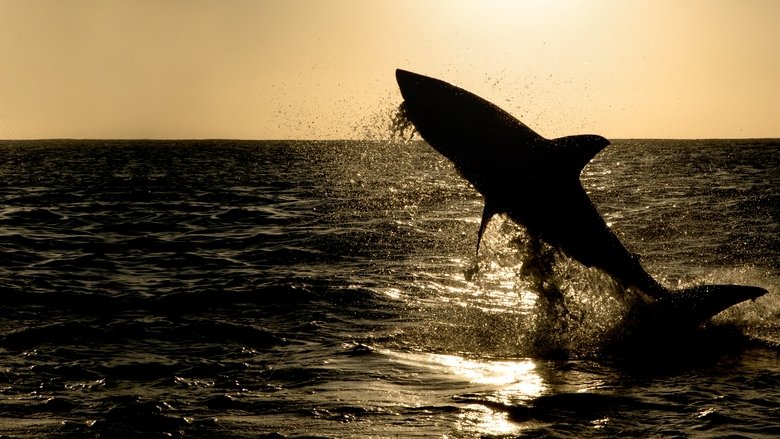
It’s an ocean of giants. South Africa has a dramatic, rocky coast that’s raked by churning currents. Warm, cold, rich and murky water collide to create "shark central", with enough food to sustain the biggest. Giant sharks like great whites, tiger sharks, bull sharks, ragged tooth sharks, and whale sharks all reign supreme in these waters.
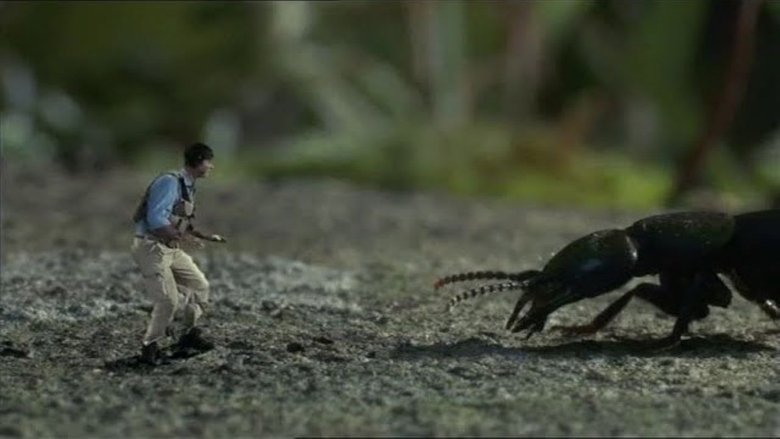
ITV Naturalist Nigel Marven stars in this drama-documentary in which he explores his own back garden, in all its intricate detail. Shrunk to the size of an ant, he and his two companions - technical assistant Laura Green (Sarah Matravers) and driver Doug Kruger (Robin Lawrence) - embark on a mission to cross Nigel's back garden in just 24 hours. Along the way they meet some of the many thousands of creatures that fight for survival every day in these urban jungles .
In Africa there is a fable that explains the creation of the tides. When a hyaena challenged a mudskipper to a drinking contest to decide who should own the shore, the god Mungu tilted the earth so the sea flowed inland, and neither could win.
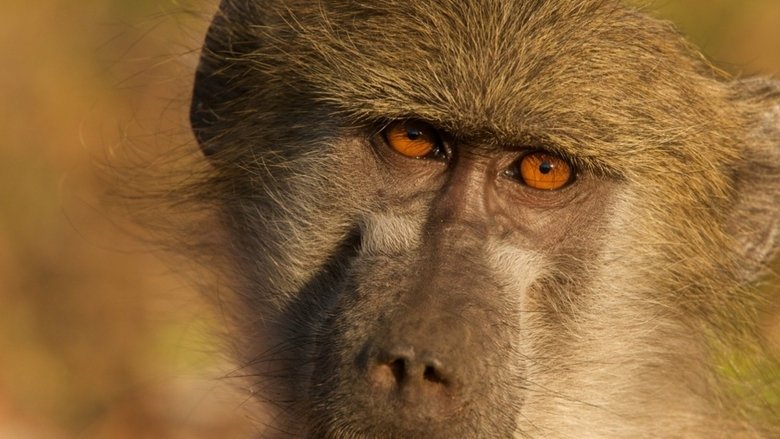
They say that in the wild, nothing dies of old age. Yet one female baboon defies the rule. Queen of Baboons is a deeply intimate portrayal of life in a baboon troop through the eyes of its matriarch Mmasadi. From the moment of her birth, Mmasadi is destined for greatness. Born into the troops highest-ranking family, she will become queen one day.
A tiny fragment of an actuality film of Tom Merry (William Mechem), a 'lightning sketch' caricaturist performing his act for the camera and producing a large profile caricature of Kaiser Wilhelm II. The loss of the rest of the film has bequeathed us 6 seconds that are of Mechem standing next to the completed portrait and sadly, that is all there is. An early film made by Birt Acres for R.W. Paul. (see release information for further detail).
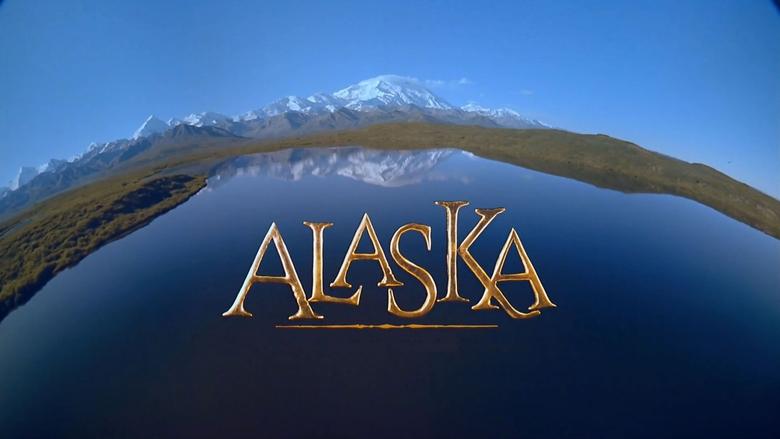
Alaska... Here, in this vast and spectacularly beautiful land teeming with abundant wildlife, discover the "Spirit of the Wild." Experience it in the explosive calving of glaciers, the celestial fires of the Aurora Borealis. Witness it in the thundering stampede of caribou, the beauty of the polar bear and the stealthful, deadly hunt of the wolf pack.
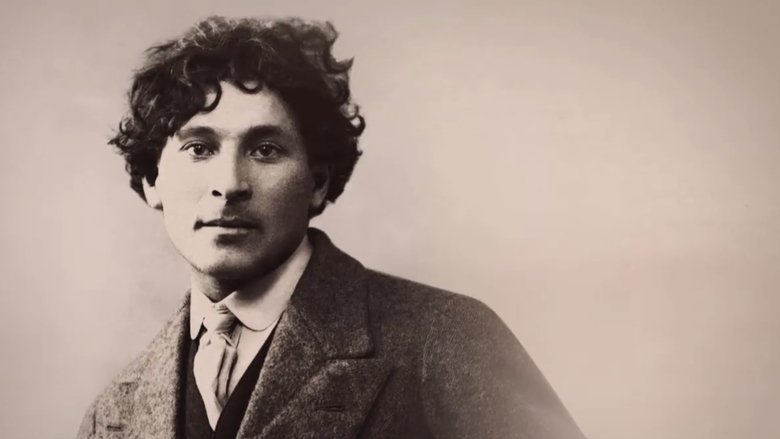
Marc Chagall was an artist caught between two worlds, between traditional art and modernism, figuration and abstraction. The film accompanies him on an important stage of his life from 1910 to 1930, between Paris and Vitebsk. Chagall's home town was a laboratory for the artistic avant-garde in Belarus, while Paris was the center of modern art movements.
The passage of time is spellbinding in this cinematic tour de force about the Wadden Sea. A film that inhales and exhales along with the tides as it explores the fragile relationship between man and nature.
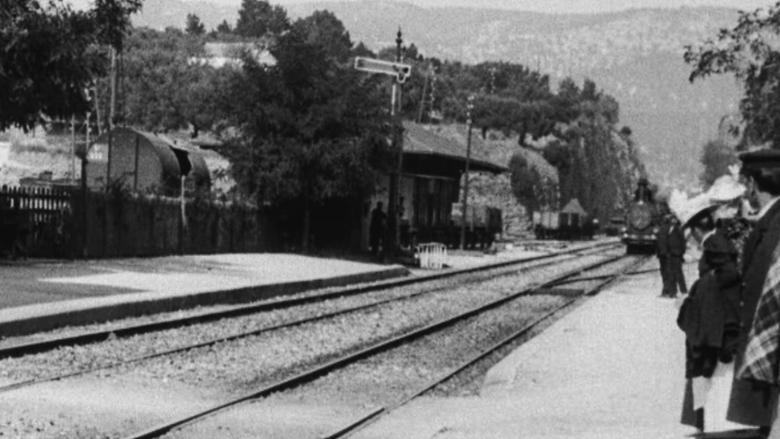
A group of people are standing along the platform of a railway station in La Ciotat, waiting for a train. One is seen coming, at some distance, and eventually stops at the platform. Doors of the railway-cars open and attendants help passengers off and on. Popular legend has it that, when this film was shown, the first-night audience fled the café in terror, fearing being run over by the "approaching" train. This legend has since been identified as promotional embellishment, though there is evidence to suggest that people were astounded at the capabilities of the Lumières' cinématographe.
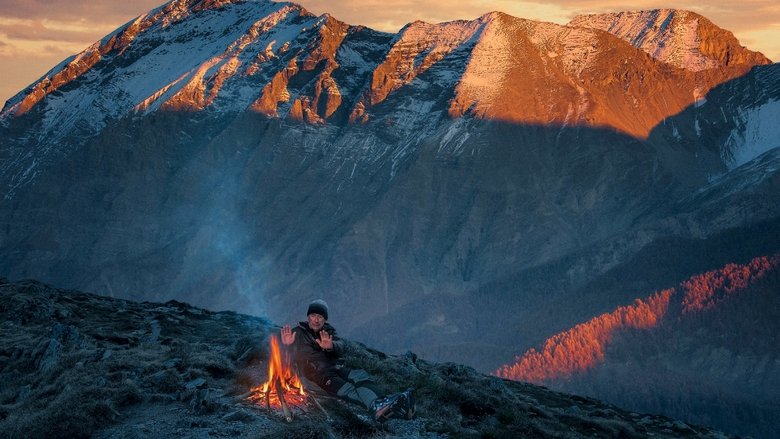
Secret territories still exist in France today. This film is a personal quest, the story of a crazy gamble taken by a passionate dreamer, an anti-hero capable of breaking all barriers to achieve his goal: to meet wild wolves in their natural habitat. After three years in the field, bivouacking in the wilderness in all weathers, the director managed to track down the wolves. Little by little, he observes, gets closer and ends up being accepted by the pack. Against all odds, the magnificent predators offer a little of their intimacy to this strange character. But the film also raises the question of the limits of this intimacy.