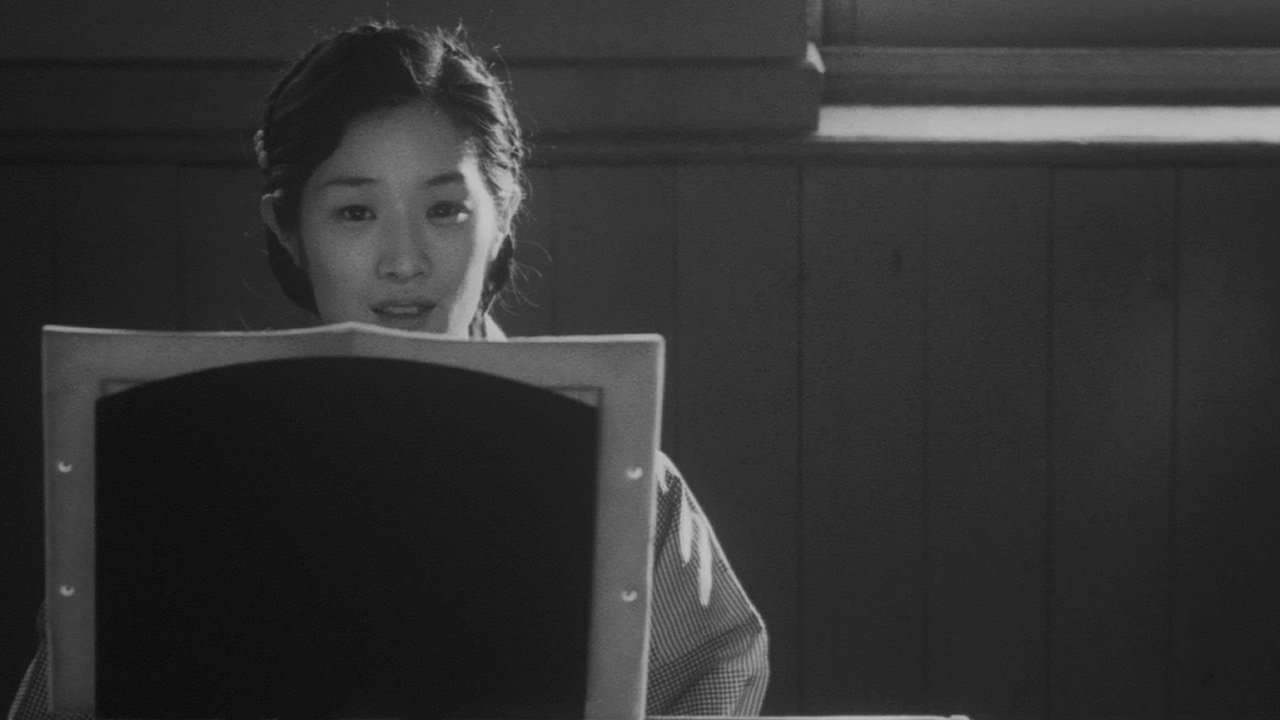
Coup d'Etat (1973)
A freestyle biopic of Ikki Kita, the ultranationalist intellectual whose ideas inspired the failed military coup in 1936.
A freestyle biopic of Ikki Kita, the ultranationalist intellectual whose ideas inspired the failed military coup in 1936.
 Rentaro MikuniIkki Kita
 Yasuyo MatsumuraSuzuYasuo MiyakeSoldier
 Akiko KuranoSoldier's wifeTadahiko SuganoNishida Mitsugi
 Kei IinumaIwasa
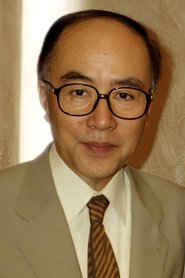 Taketoshi NaitōArmy officer
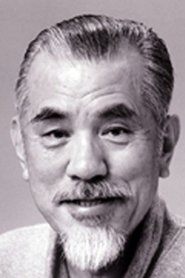 Masao ImafukuWounded soldier
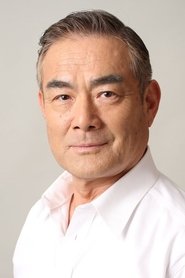 Kazunaga TsujiHeigo Asahi
 Masako YagiHeigo's sister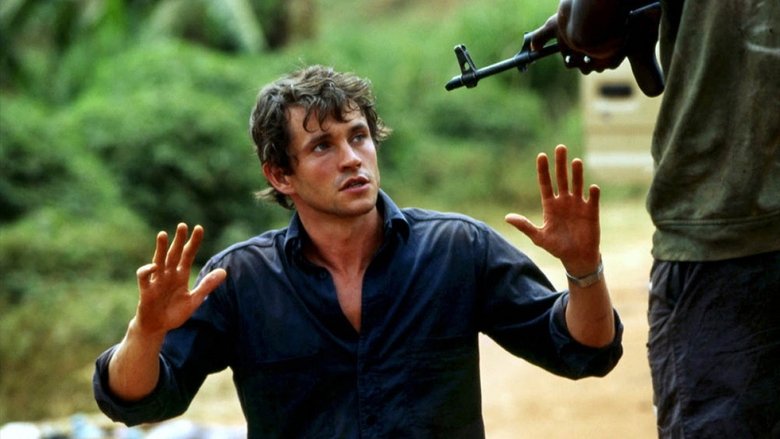
Two westerners, a priest and a teacher find themselves in the middle of the Rwandan genocide and face a moral dilemna. Do they place themselves in danger and protect the refugees, or escape the country with their lives? Based on a true story.
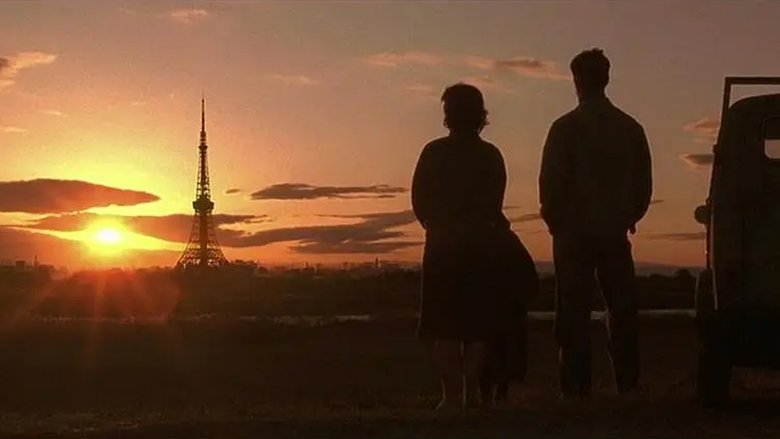
Teenage Mutsuko comes to Tokyo for work but ends up at a repair shop. She befriends the owner's family. Neighbors Hiromi, writer Chagawa with admirer Junnosuke strive alongside them in postwar Tokyo's evolution.
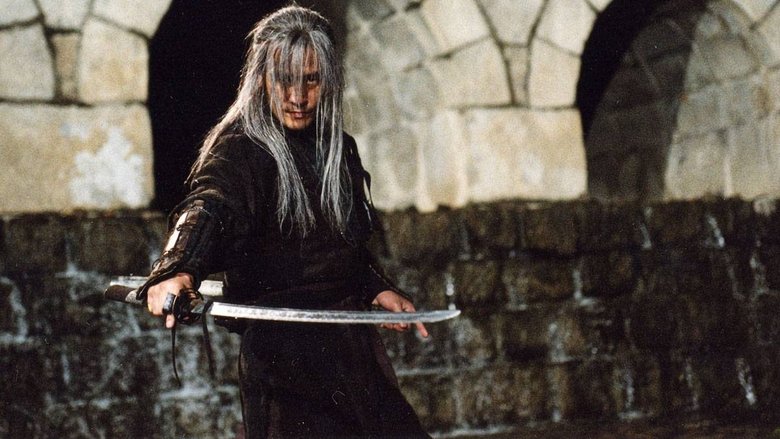
Kingdom of Joseon, ancient Korea. A usurper has conquered the throne. His ministers are being systematically eliminated by a mysterious assassin. An arrogant master swordsman is in charge of putting an end to the carnage.
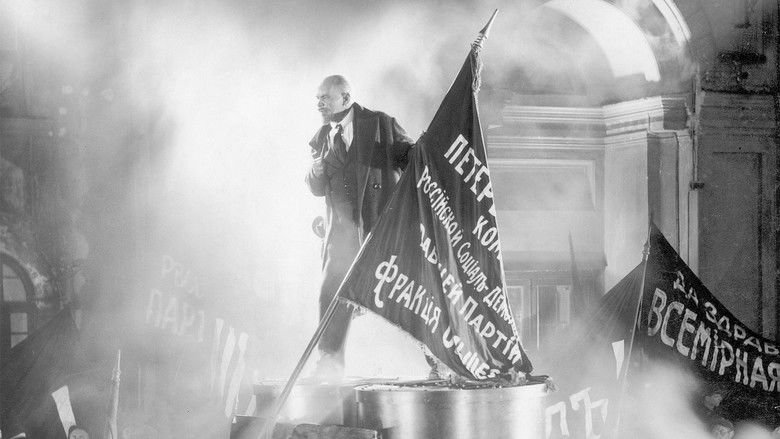
Sergei M. Eisenstein's docu-drama about the 1917 October Revolution in Russia. Made ten years after the events and edited in Eisenstein's 'Soviet Montage' style, it re-enacts in celebratory terms several key scenes from the revolution.
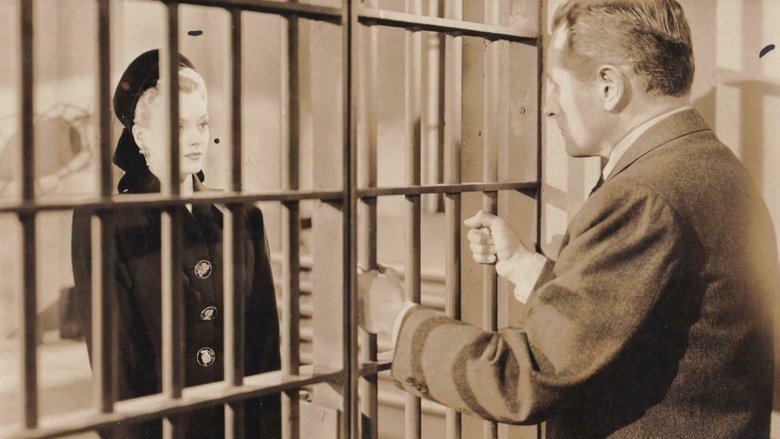
A crusading reporter plans his own arrest and conviction for first degree murder, trying to show that the death sentence should be outlawed when based on circumstantial evidence alone, but his plan goes awry.
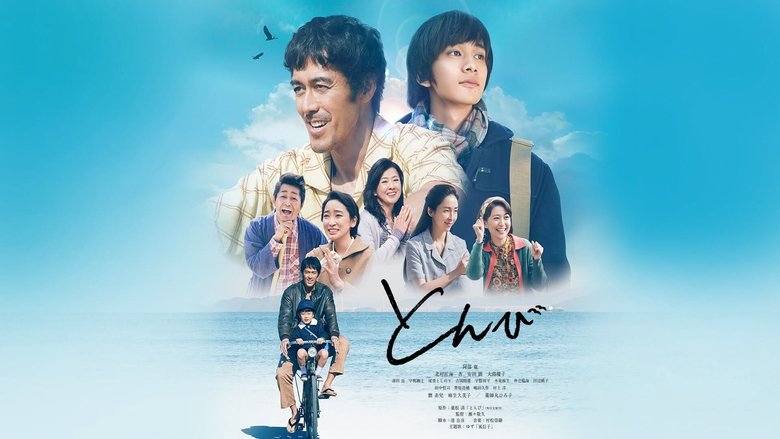
Yasuo (Hiroshi Abe) grew up as an orphan. He married a woman he loved and they had a son Akira (later played by Takumi Kitamura). Yasuo's life seemed great at the time, but his life totally changed after his wife died in accident. Since that time, Yasuo, who never experienced parents' love himself, has to raise his son Akira alone.
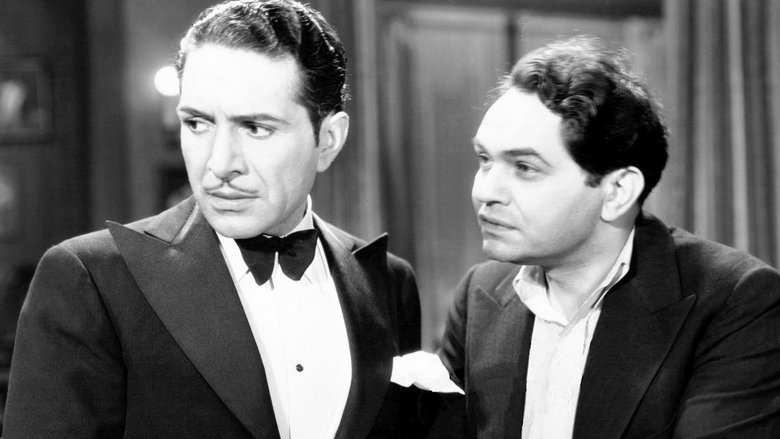
A condemned murderer, in the process of being executed, relives the events that led to his being sentenced to die in the electric chair. Told in flashback, we witness a sleazy dancehall girl (Vivienne Osborne) dupe a high rise riveter (Edward G. Robinson) into marriage so she can live off of him. But when he loses his job and his marbles, she ends up supporting him with money from her side man--and misses no opportunity to rub it in his face that she's now supporting him in his emasculated state. As the animosity grows and things get more and more unbearable, he is eventually driven to desperate measures.
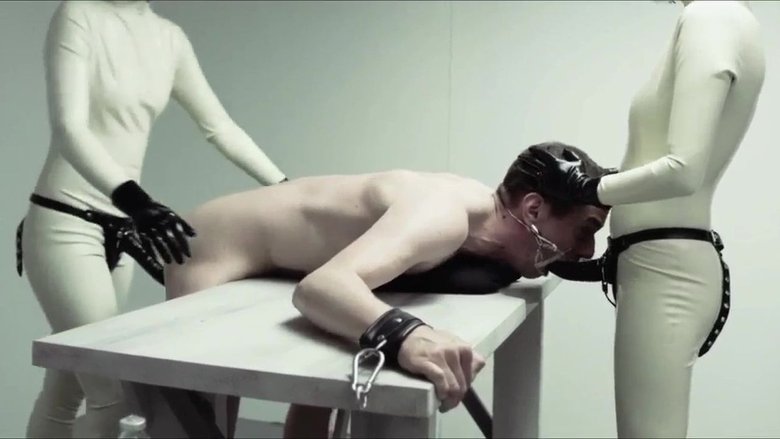
Herrmann is a leftist Thirty Something, who is still politically active, despite beginning to live the usual life of having a girlfriend and a child. On the way to his weekly political meeting he is kidnapped.
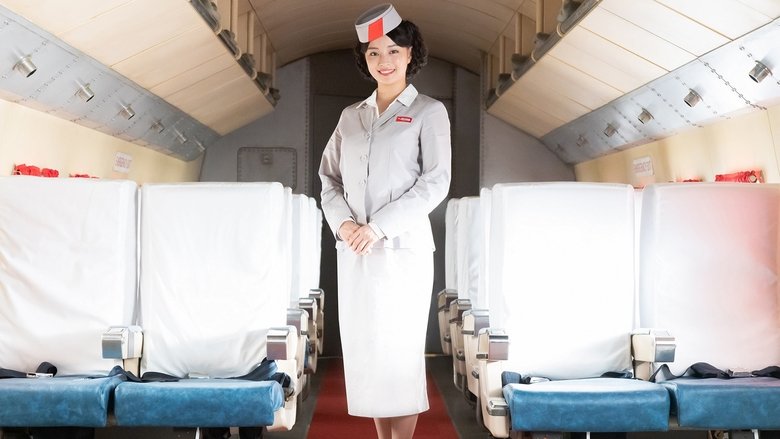
Komari Sano's parents ran a small Tokyo factory that manufactured aircraft parts. With her parents' influence, Komari Sano dreamed of becoming a pilot. During World War II, her older brother died as a kamikaze pilot and her parents died during the bombing of Tokyo. Komari Sano became an orphan and lived with her aunt. Her aunt ran a ryotei (high end traditional restaurant). After the war, all aerial activities were initially banned in Japan. After long negotiations with the Supreme Commander of the Allied Powers, Sizuo Matsuki, who is the security chief of Civil Aviation Bureau, finally launched Japan's civil aviation. Komari Sano applies for the position of a cabin attendant.
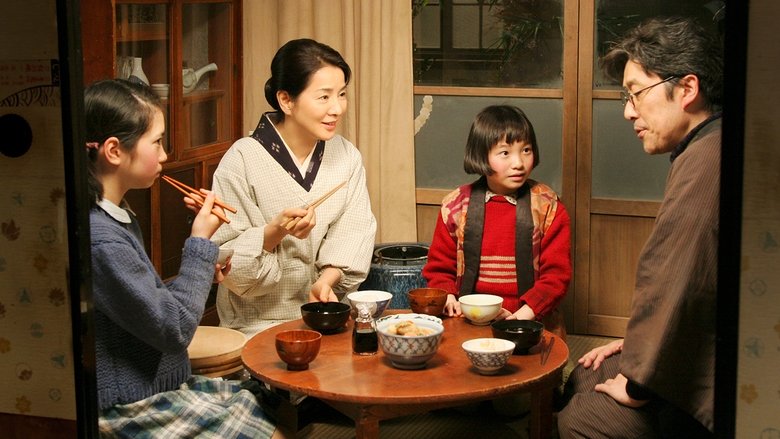
Set in Tokyo in 1940, the peaceful life of the Nogami Family suddenly changes when the father, Shigeru, is arrested and accused of being a Communist. His wife Kayo works frantically from morning to night to maintain the household and bring up her two daughters with the support of Shigeru's sister Hisako and Shigeru's ex-student Yamazaki, but her husband does not return. WWII breaks out and casts dark shadows on the entire country, but Kayo still tries to keep her cheerful determination, and sustain the family with her love. This is an emotional drama of a mother and an eternal message for peace.
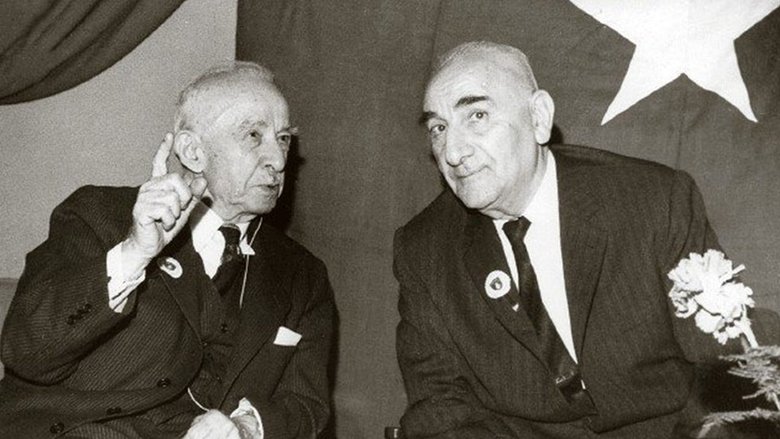
In the past, when spring came, there was a spring atmosphere in politics. But the spring of 1959 brought the CHP's spring offensive on the contrary. Seeing that the opportunity for a dialogue was completely lost after Menderes' plane crash, İsmet Pasha put on his boots in April and took his 46 deputies with him to the expedition. The chosen route was the route of the Great Offensive in the War of Independence. Uşak, where İnönü took the Greek Commander-in-Chief Trikupis prisoner, was the first stop...
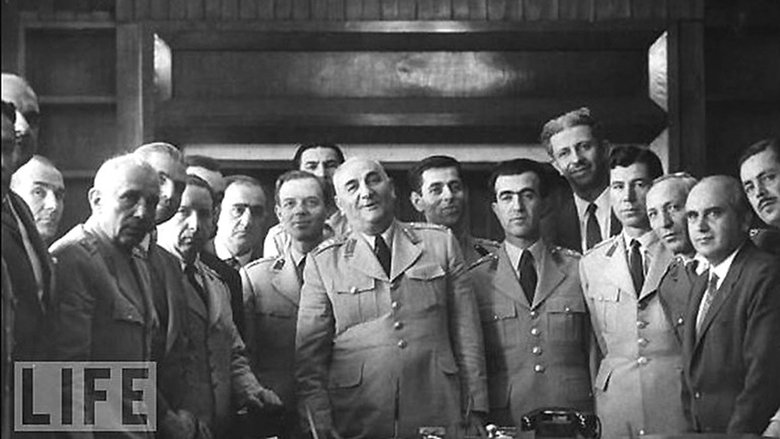
While the government was in a deep sleep, the brain staff of the revolution was completing its final preparations at the Military Academy, there were only a few hours left for the revolution that had been prepared for six years. Despite six years of preparation, there was actually no serious plan at hand. An unplanned, unscheduled full night raid was to be organized. The management level of the army was pro-government. Therefore, it was impossible for the intervention to take place within the chain of command. This was to be a grassroots military operation. The army of the operation consisted of young cadets. Except for the Harbiye, there was no force at hand. It was even possible for units such as the Guards Regiment and the Central Command to resist. That's how the day of May 27 began with the unknown and risks. Major General Cemal Madanoğlu, the commander of the Revolution Headquarters, would have the last word...
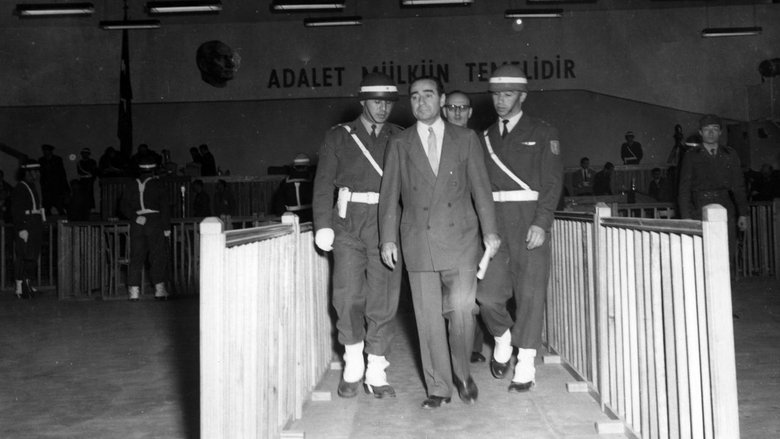
It is a famous saying: "One can come to power with a bayonet, but not sit on it." The organization, which carried out 27 May, came to power with a bayonet. Moreover, these young officers seized power that night by breaking the traditional chain of command. In the morning, a 10-year DP period was over, the support of the public was gained at first hand, and a brand new phase was reached. Now, the days that would mark the future of Turkey were beginning. Now, as those days put it, the "second republic period" was beginning.
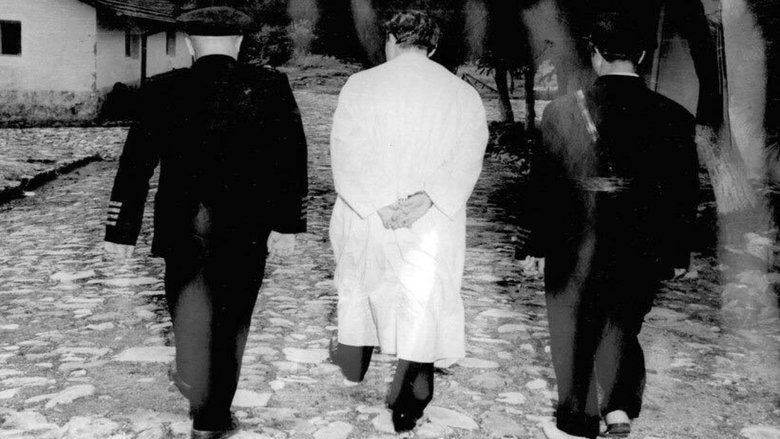
We came to the end of the road. We told you the story of the establishment of a democracy throughout 9 episodes... We witnessed the collapse of a one-party regime. We witnessed the disappearance of the national chiefdom. Together we experienced the holding of the first free general elections and the raising of democracy in pain. And finally, we told you about the birth, rise and fall of a new power. Where we ended up was a military intervention. Whatever the reasons, the storm of revolution had blown once. Now the task of the officers who seized power on the morning of May 27 was to contain that storm. But it didn't. After a while, the storm started to drag the revolutionaries in front of it. The historical scenario was repeated. The Revolution ate some of their children. The revolution was now speaking its own language...
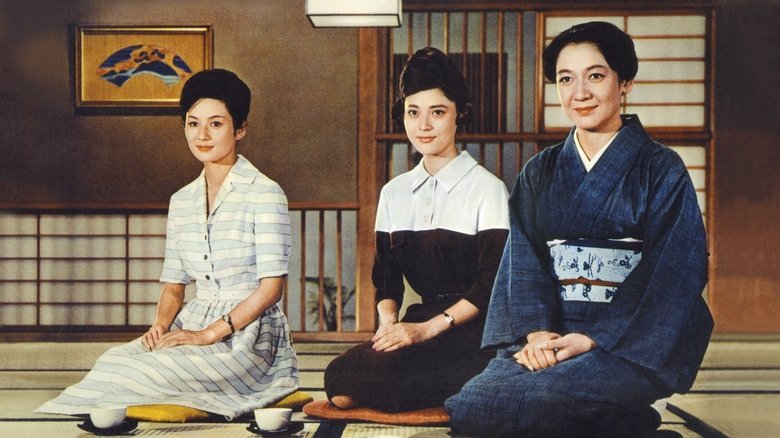
A woman and her daughter are each forced to contend with an increasing pressure to marry, particularly from three men who knew her late husband.
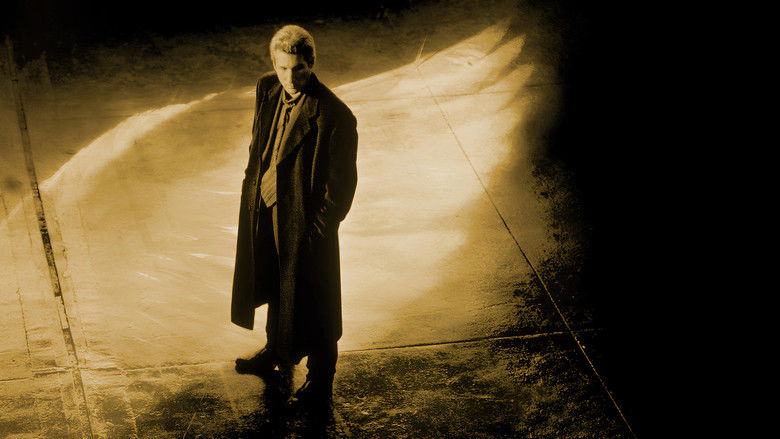
Defense attorney Martin Vail takes on jobs for money and prestige rather than any sense of the greater good. His latest case involves an altar boy, accused of brutally murdering the archbishop of Chicago. Vail finds himself up against his ex-pupil and ex-lover, but as the case progresses and the Church's dark secrets are revealed, Vail finds that what appeared a simple case takes on a darker, more dangerous aspect.
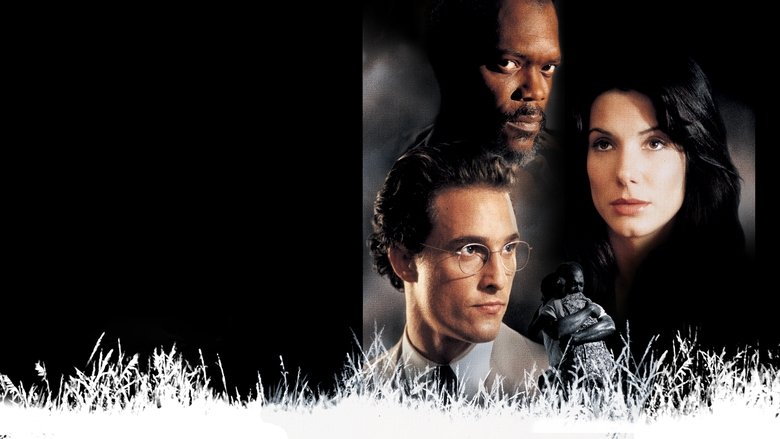
A young lawyer defends a black man accused of murdering two white men who raped his 10-year-old daughter, sparking a rebirth of the KKK.
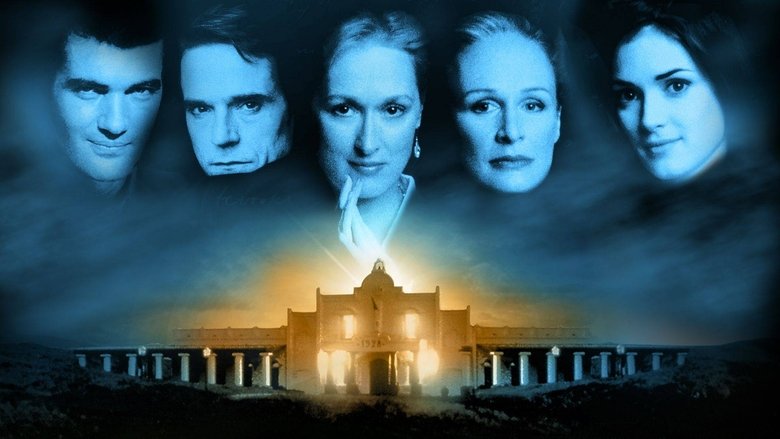
A rancher, his clairvoyant wife and their family face turbulent years in South America.
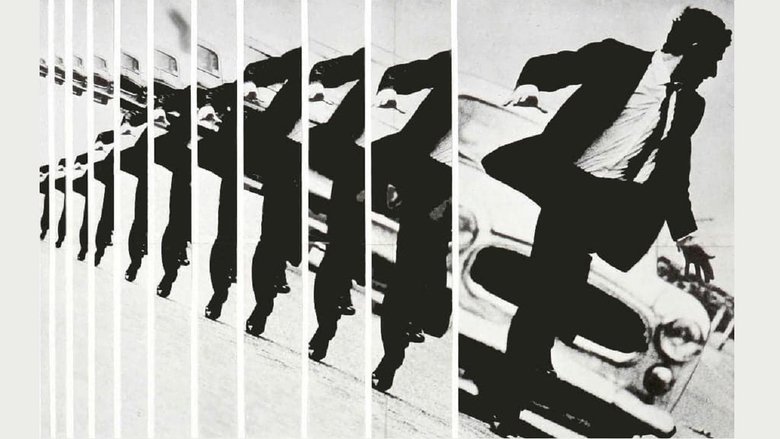
A prominent politician is murdered during a demonstration. The government and army are trying to suppress the truth, but a tenacious magistrate is determined to not to let them get away with it.
A farmer is unjustly convicted of a homicide he did not commit.