
Divers at Work on the Wreck of the "Maine" (1898)
Divers go to work on a wrecked ship (the battleship Maine that was blown up in Havana harbour during the Spanish-American War), surrounded by curiously disproportionate fish.
Divers go to work on a wrecked ship (the battleship Maine that was blown up in Havana harbour during the Spanish-American War), surrounded by curiously disproportionate fish.
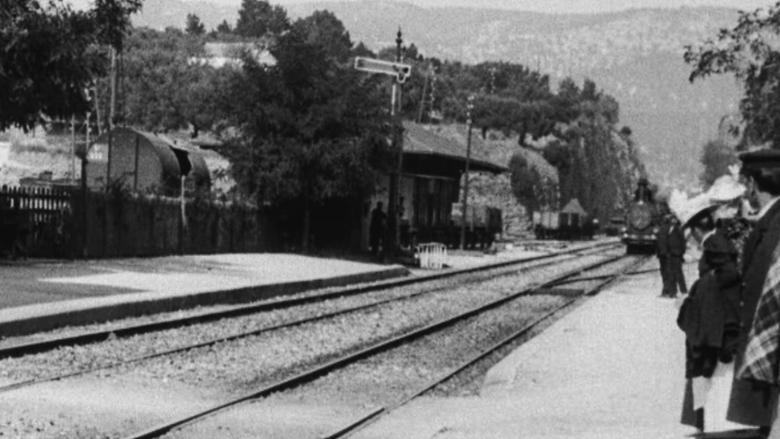
A group of people are standing along the platform of a railway station in La Ciotat, waiting for a train. One is seen coming, at some distance, and eventually stops at the platform. Doors of the railway-cars open and attendants help passengers off and on. Popular legend has it that, when this film was shown, the first-night audience fled the café in terror, fearing being run over by the "approaching" train. This legend has since been identified as promotional embellishment, though there is evidence to suggest that people were astounded at the capabilities of the Lumières' cinématographe.
Warsaw's Central Railway Station. 'Someone has fallen asleep, someone's waiting for somebody else. Maybe they'll come, maybe they won't. The film is about people looking for something.

Amanda is a divorced woman who makes a living as a photographer. During the Fall of the year Amanda begins to see the world in new and different ways when she begins to question her role in life, her relationships with her career and men and what it all means. As the layers to her everyday experiences fall away insertions in the story with scientists, and philosophers and religious leaders impart information directly to an off-screen interviewer about academic issues, and Amanda begins to understand the basis to the quantum world beneath. During her epiphany as she considers the Great Questions raised by the host of inserted thinkers, she slowly comprehends the various inspirations and begins to see the world in a new way.
After selling herself at fourteen to a brothel inside her home town of Svay Pak, Mien takes an undesired path all over Cambodia for the remainder of her teenage life. At twenty, her path crosses with a group of people fighting to make a difference, bringing her long and onerous journey back to face where it all began. The Pink Room is an intertwined story of the heart-rending, epic battle to end sex slavery, from rescue to prevention, and experiencing first hand, the need to change not just individuals, but the communities they come from. Most documentaries on trafficking only bring awareness to the problem. This film bring awareness to the solutions.
In the summer of 1920, Shanghai was scandalized by a sensational murder, a high-profile case and subsequent trial that was the ongoing topic of conversation in the city's numerous cafes, clubs and teahouses. Among the various reasons for its notoriety, two stand out: first, the victim was a high-class prostitute, well known in Shanghai; second, the murderer had been a mid-level manager in a respected foreign firm, a playboy who in Manhattan might have been termed a "prominent young man about town." There were detailed press reports daily as the case wound its way through the judicial system.
Film historians, and survivors from the nearly 30-year struggle to bring sound to motion pictures take the audience from the early failed attempts by scientists and inventors, to the triumph of the talkies.

Filmed in IMAX, a team of explorers led by Pasquale Scaturro and Gordon Brown face seemingly insurmountable challenges as they make their way along all 3,260 miles of the world's longest and deadliest river to become the first in history to complete a full descent of the Blue Nile from source to sea.

A big-screen look into one of America's most successful entertainment industries, NASCAR racing.

12,000 feet down, life is erupting. Alvin, a deep-sea mechanized probe, makes a voyage some 12,000 feet underwater to explore the Azores, a constantly-erupting volcanic rift between Europe and North America.

The story of how Aurora Mardiganian (1901-94), a survivor of the Armenian genocide perpetrated by the Ottoman Empire (1915-17), became a Hollywood silent film star.

In the spotlight of global media coverage, the first transgender woman ever to perform as Don Giovanni in a professional opera, makes her historic debut in one of the reddest states in the U.S.

Carefully picked scenes of nature and civilization are viewed at high speed using time-lapse cinematography in an effort to demonstrate the history of various regions.
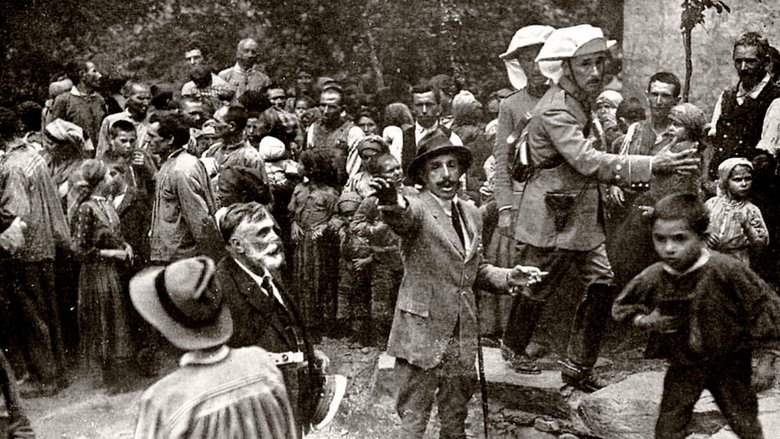
An account of the journey that King Alfonso XIII of Spain made to the impoverished shire of Las Hurdes, in the province of Cáceres, in the region of Extremadura, in 1922.
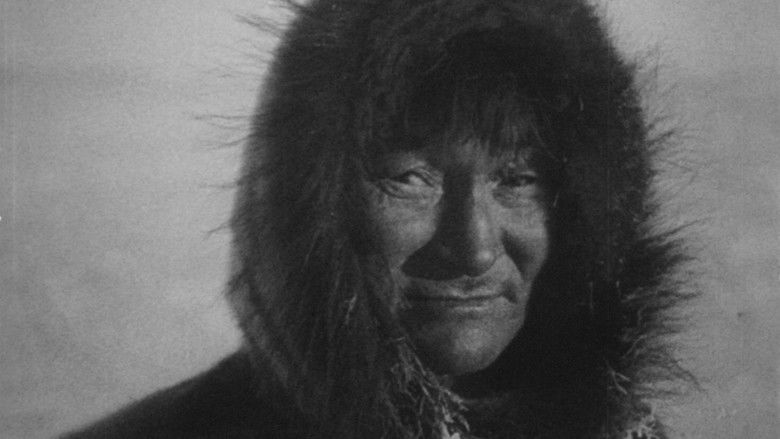
This pioneering documentary film depicts the lives of the indigenous Inuit people of Canada's northern Quebec region. Although the production contains some fictional elements, it vividly shows how its resourceful subjects survive in such a harsh climate, revealing how they construct their igloo homes and find food by hunting and fishing. The film also captures the beautiful, if unforgiving, frozen landscape of the Great White North, far removed from conventional civilization.
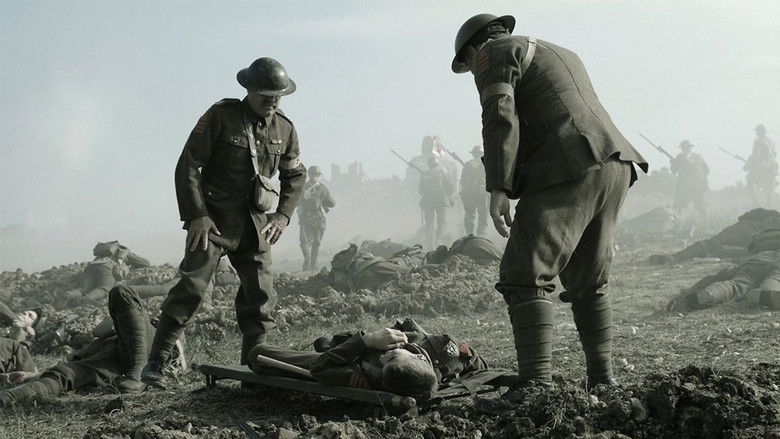
Drama-documentary recounting the events of the 1st July 1916 and the Battle of the Somme on the Western Front during the First World War. Told through the letters and journals of soldiers who were there.

Explore the extraordinary hidden world of insects, where a leaf weighs more than a car, rain drops feel like exploding hand grenades and a blade of grass soars like a skyscraper. Shot on location in the Borneo rainforest, Bugs! brings the beautiful and dangerous universe of its tiny stars up close and personal with cutting-edge technology that magnifies them up to 250,000 times their normal size.
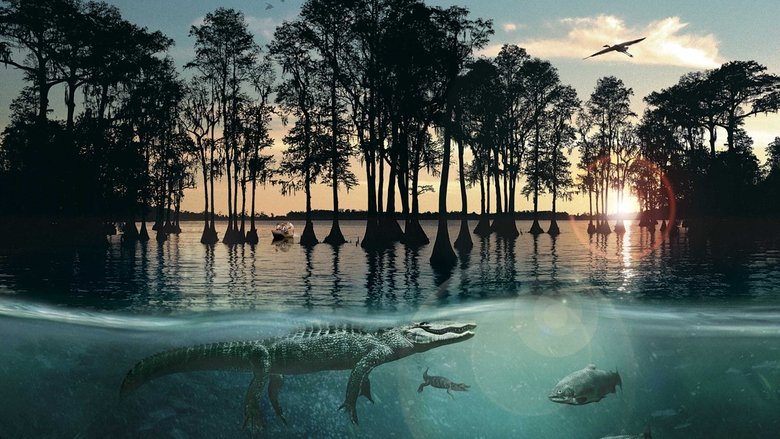
The film "Hurricane on the Bayou" is about the wetlands of Louisiana before and after Hurricane Katrina.
Clouds 1969 by the British filmmaker Peter Gidal is a film comprised of ten minutes of looped footage of the sky, shot with a handheld camera using a zoom to achieve close-up images. Aside from the amorphous shapes of the clouds, the only forms to appear in the film are an aeroplane flying overhead and the side of a building, and these only as fleeting glimpses. The formless image of the sky and the repetition of the footage on a loop prevent any clear narrative development within the film. The minimal soundtrack consists of a sustained oscillating sine wave, consistently audible throughout the film without progression or climax. The work is shown as a projection and was not produced in an edition. The subject of the film can be said to be the material qualities of film itself: the grain, the light, the shadow and inconsistencies in the print.
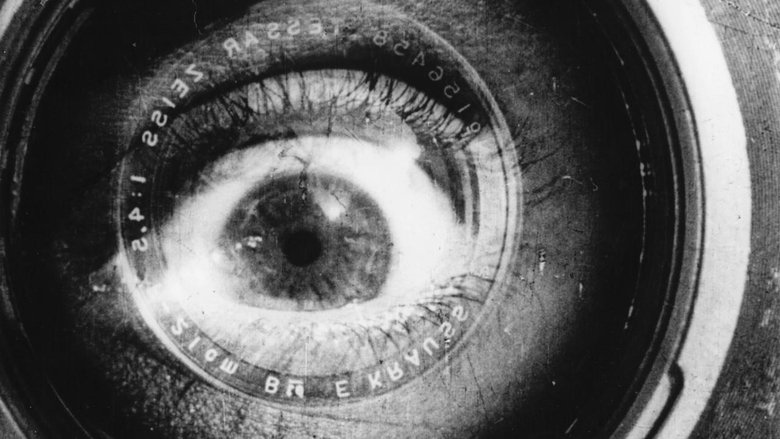
A cameraman wanders around with a camera slung over his shoulder, documenting urban life with dazzling inventiveness.
Based on the incredible true story of Dick Hoyt, who turned himself into a triathlete and marathoner so he could lug with him son Rick—a non-verbal quadriplegic whose strength and spirit helped galvanize a movement.