
Top billed cast
 Olivier JankovicNarrator (voice)
- François LacôteSelf - TGV program manager, 1982-2000
- Laurent JarsaléSelf - Vice-president, Grande Vitesse Alstom
- David GoeresSelf - Project director, TGV M
- Éliane AllainSelf - Aerodynamics engineer, SNCF
- Murray HughesSelf - Consultant editor, Railway Gazette International
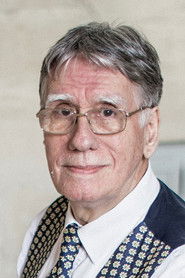 Clive LammingSelf - Historian
- Jean-Marie MetzlerSelf - TGV project manager, 1976-1981
 Jacques CooperSelf (archive footage)
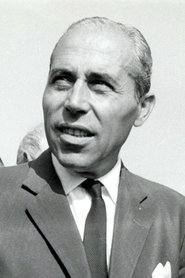 Jean BertinSelf (archive footage)
Similar to TGV, génie français du rail
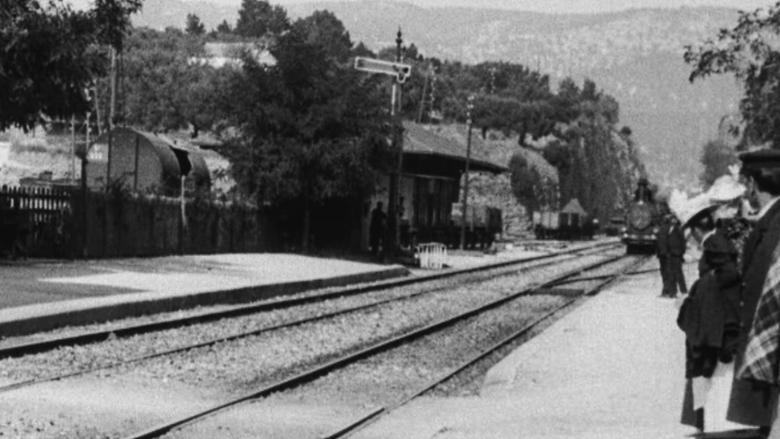
The Arrival of a Train at La Ciotat (1896)
A group of people are standing along the platform of a railway station in La Ciotat, waiting for a train. One is seen coming, at some distance, and eventually stops at the platform. Doors of the railway-cars open and attendants help passengers off and on. Popular legend has it that, when this film was shown, the first-night audience fled the café in terror, fearing being run over by the "approaching" train. This legend has since been identified as promotional embellishment, though there is evidence to suggest that people were astounded at the capabilities of the Lumières' cinématographe.
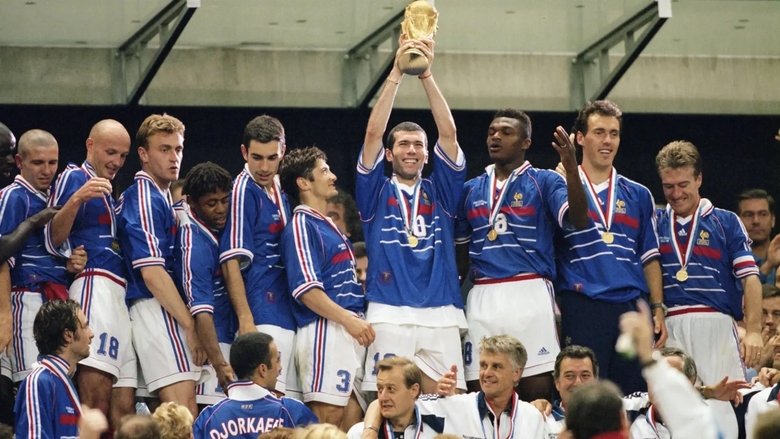
Les yeux dans les Bleus (1998)
This documentary follows the French soccer team on their way to victory in the 1998 World Cup in France. Stéphane Meunier spent the whole time filming the players, the coach and some other important characters of this victory, giving us a very intimate and nice view of them, as if we were with them.
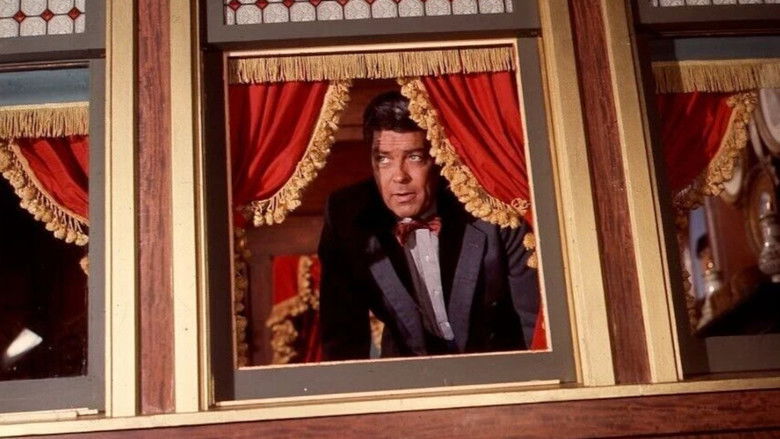
Scalplock (1966)
This Western is a pilot for the series "The Iron Horse," in which a dapper frontier gambler wins a railroad line in a poker game and has his hands full holding it from the clutches of various conniving bad guys.
Rester là-bas (1992)
Algiers. From the port to the souks, passing through the Jardin d'Essai, Dominique Cabrera transports us to the land where she was born, on the other side of the Mediterranean "where the sea is saltier". If most of the pieds-noirs left Algeria in the summer of 1962, some -a minority- remained. By going to meet them, the director makes her own inner journey.
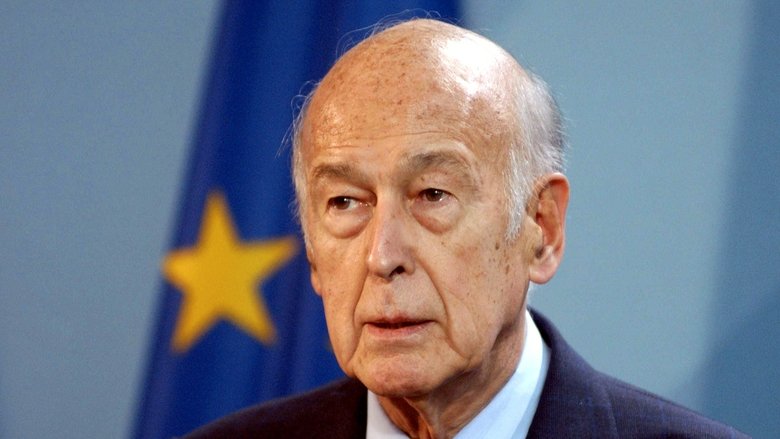
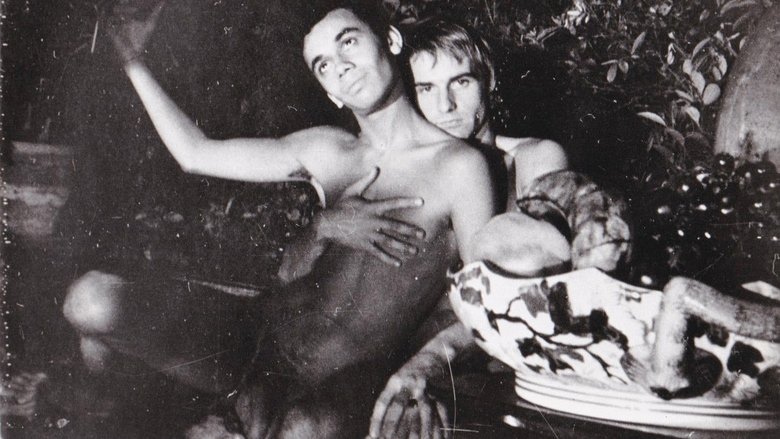
Race d'Ep! (1979)
"Race d’Ep!" (which literally translates to "Breed of Faggots") was made by the “father of queer theory,” Guy Hocquenghem, in collaboration with radical queer filmmaker and provocateur Lionel Soukaz. The film traces the history of modern homosexuality through the twentieth century, from early sexology and the nudes of Baron von Gloeden to gay liberation and cruising on the streets of Paris. Influenced by the groundbreaking work of Michel Foucault on the history of sexuality and reflecting the revolutionary queer activism of its day, "Race d’Ep!" is a shockingly frank, sex-filled experimental documentary about gay culture emerging from the shadows.
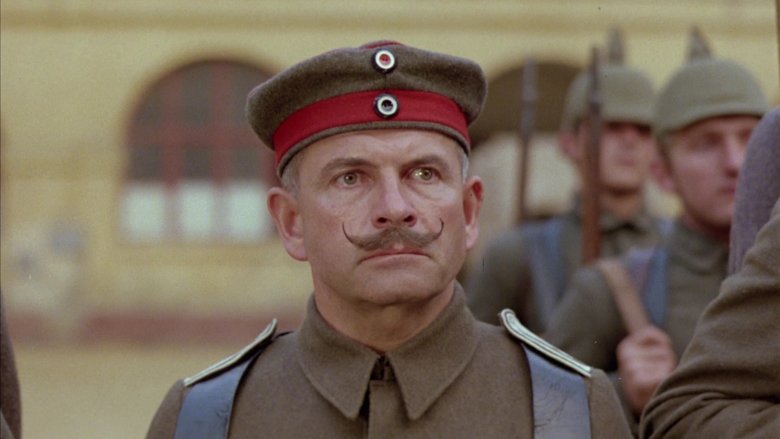
All Quiet on the Western Front (1979)
At the start of World War I, Paul Baumer is a young German patriot, eager to fight. Indoctrinated with propaganda at school, he and his friends eagerly sign up for the army soon after graduation. But when the horrors of war soon become too much to bear, and as his friends die or become gravely wounded, Paul questions the sanity of fighting over a few hundreds yards of war-torn countryside.
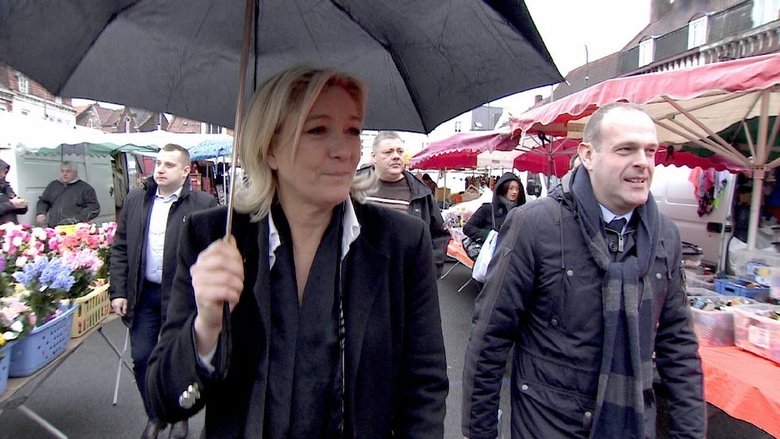
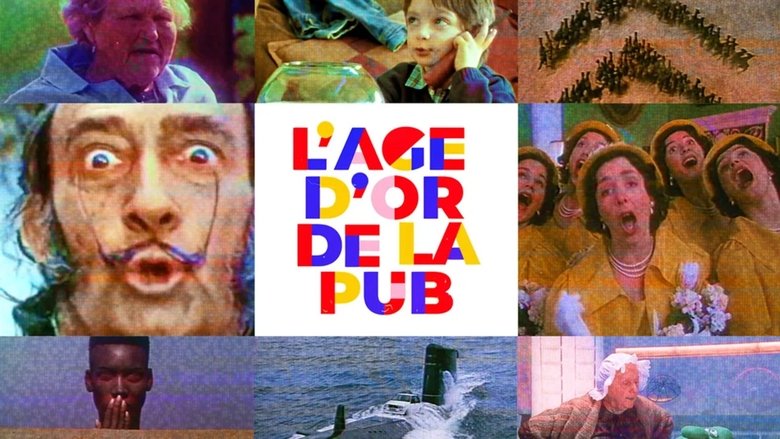
L'Âge d'or de la pub (2023)
55 years ago, on October 1 1968, the first brand advertising spot appeared on the French television screen. Over the next three decades, thousands of creative little films would seduce and build our collective memory. Kitschy or cult spots, humor, slogans, music, stars, gimmicks, grand spectacle or sex appeal: during its golden age, how did advertising convince? Thierry Ardisson has brought together almost 400 advertising clips to relive the era of the conquest of minds and wallets.

What Is a Good Tax? (2019)
Too high, misused, unfair... a large part of the French and Europeans criticize taxes. From tax-rascal to tax revolt, the movement of yellow vests in France has returned to the center of attention the question of consent to tax. How to explain a different resistance to taxes from one country to another without tax pressure being an explanation? Is there a "good" tax? Jean Quatremer takes us on a journey to the tax center across Europe, to meet those who pay it, those who decide it, those who study it... or those who allow to avoid it.
Un racisme à peine voilé (2004)
October 2003, Alma and Lila Levy are excluded from the Lycée Henri Wallon in Aubervilliers solely because they were wearing a headscarf. What follows is a deafening political and media debate, justifying in most cases the exclusion of girls wearing head-scarves to school. February 2004, a law was eventually passed by the National Assembly. "A thinly veiled racism" is about this controversy since the affair of Creil in 1989 (where two schoolgirls were excluded for the same reasons) and attempts to "reveal" that maybe what hides behind is the desire to exclude these girls. This film gives them a voice as well as others - teachers, community activists, feminists, researchers - gathered around the group "A School for You-All" fighting for the repeal of this law they consider sexist and racist ... This movie was censured in Septembre 2004 in France.
Forts of Verdun: A Military Chess Game (2024)
With 38 forts at stake, Verdun was highly strategic during WWI. Through rare archives, 3D animations and interviews with historians and scientists, we plunge inside the walls of these coveted fortifications.
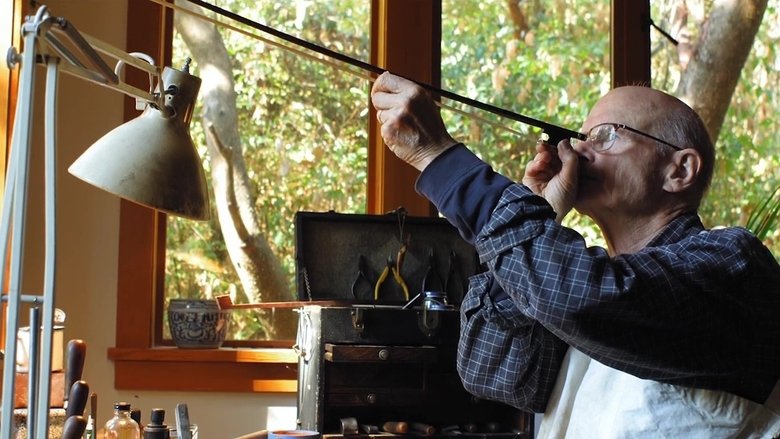
The Bowmakers (2019)
This documentary film explores the world of the bow and the extraordinary masters who make them. The bow is the Cinderella of the orchestra—the overworked and overshadowed ally to its more glamorous partners. Few people, even among lovers of classical music, think of the bow as an instrument in its own right, but players of stringed instruments see them differently. To musicians, the bow is as essential to expressing the soul of the music as the violin or cello. The film follows the journey of the “silent servant” of the music world—from the workshops of the virtuosos of the trade, to the birthplace of the bow in France, and to Brazil, home to the imperiled tree from which the world’s finest bows are made.
The King Without a Crown (1937)
This short explores the possibility that Louis XVII, son of King Louis XVI and Marie Antoinette, escaped death during the French Revolution and was raised by Indians in America.
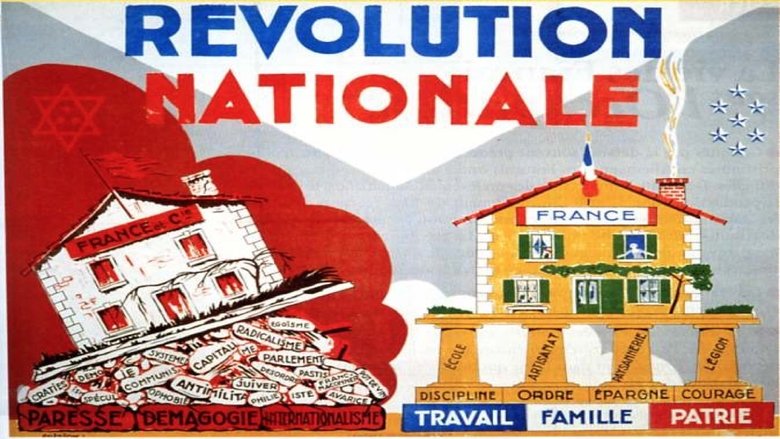
Cavalcade of San Francisco (1940)
This Traveltalk series short celebrates San Francisco, past and present.
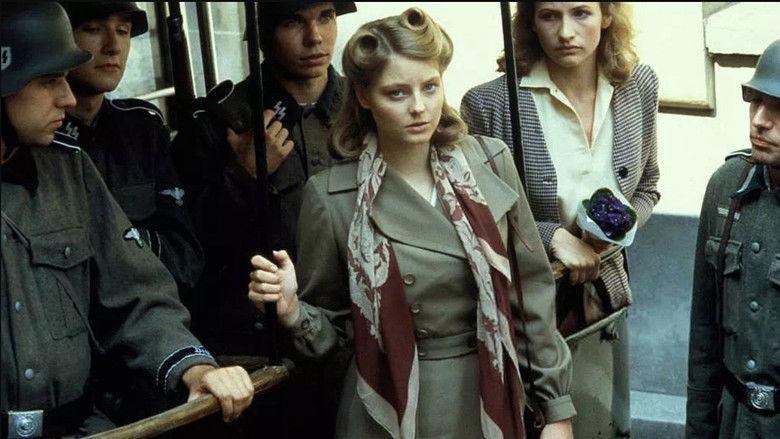
The Blood of Others (1984)
In the German-occupied Paris, Helene is torn between the love for her boyfriend Jean, working for the resistance and the German administrator Bergmann, who will do anything to gain her affection.