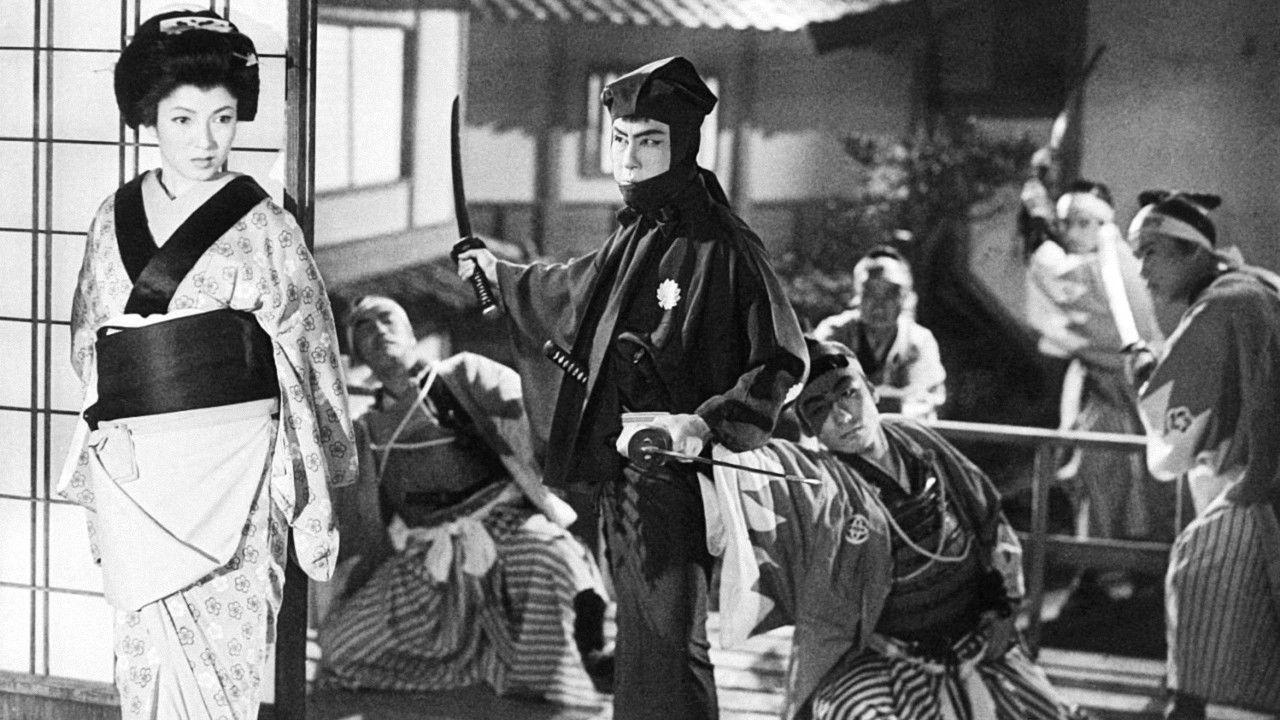
Gale Winds! Tengu Karama (1956)
The 40th and final "Tengu Kurama" feature starring Kanjuro Arashi.
The 40th and final "Tengu Kurama" feature starring Kanjuro Arashi.
 Kanjūrō Arashi
 Denjirō Ōkōchi
 Tomoko Matsushima
 Kichijirō Ueda
 Chikage Oogi
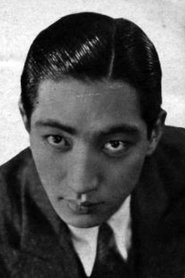 Shōsaku Sugiyama
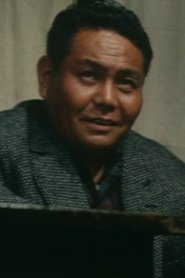 Nakajirō Tomita
 Machiko Kitagawa
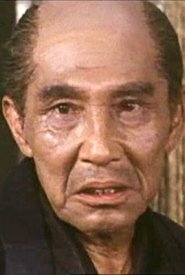 Yūsaku Terashima
 Ichirô Fushimi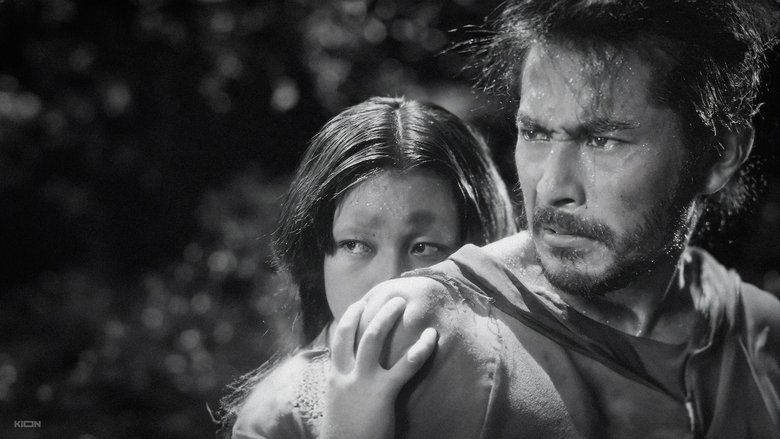
Four people recount different versions of the story of a man's murder and the rape of his wife.
Takahashi Hideki stars as Muyonosuke, the one-eyed ronin who makes his living as a bounty hunter who is on a never-ending quest to find the man who murdered his father. The usually aloof Muyonosuke, who never would pause to help the common man winds up befriending an orphan boy and a mysterious woman, and getting involved in a feud between two families, but finds out there is a high power behind the curtain who pulls their strings.
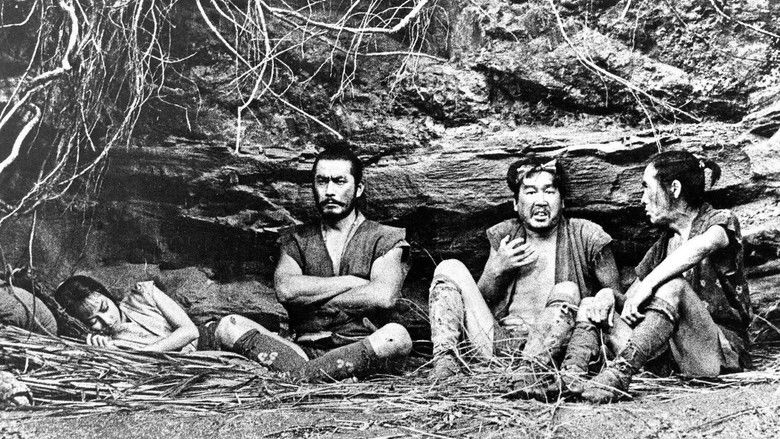
In feudal Japan, during a bloody war between clans, two cowardly and greedy peasants, soldiers of a defeated army, stumble upon a mysterious man who guides them to a fortress hidden in the mountains.
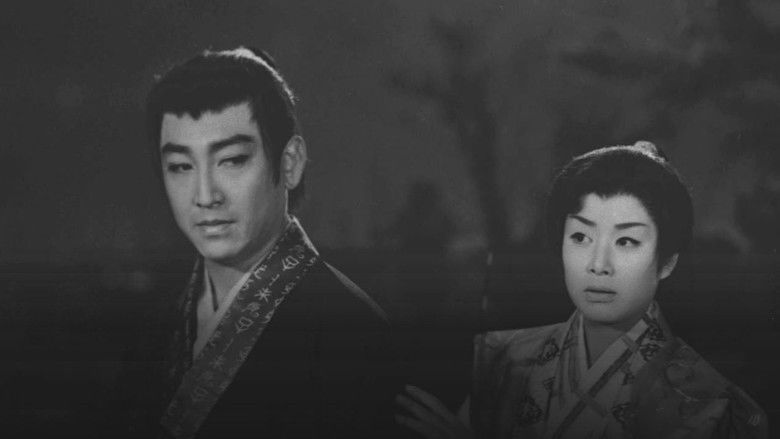
When master swordsman Mikogami Genshiro of the Ono fencing school returns to find that his ailing sensei has been murdered in the dead of night, he must find the culprit and exact revenge. His return sets off a series of violent incidents and incites a high ranked female skilled in sword to test his mettle after he unwittingly offends her. The ever delightful Misora Hibari co-stars with the great Tsuruta Koji in this exciting tale set in the earliest days of the Tokugawa shogunate. Lots of exciting swordfights highlight this entertaining motion picture!
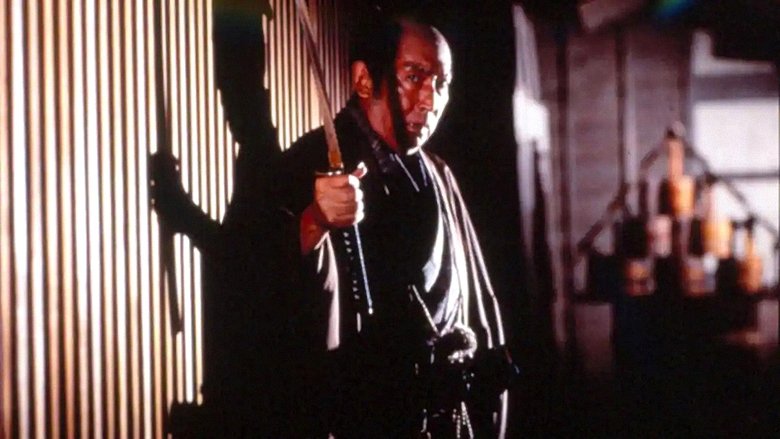
When an artist dies, the official cause of death is judged to be a stroke, but his daughter suspects foul play. She recruits the services of an assassin, who by chance encounters an old friend...
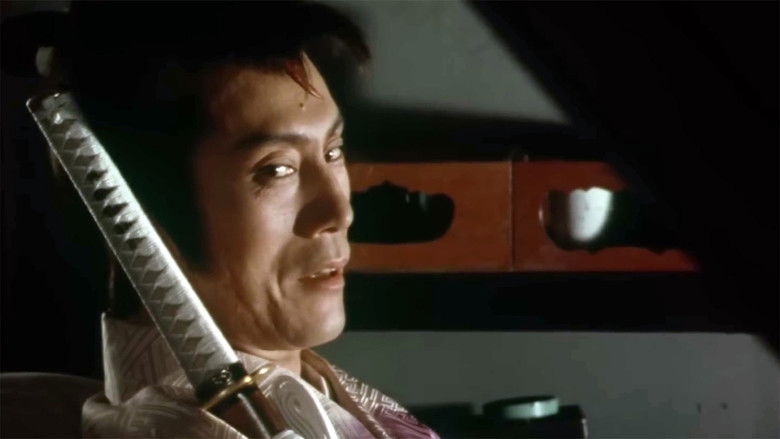
Saotome Mondonosuke is Hatamoto (a high-class warrior who is allowed to see the Shogun in person) who has a crescent-moon-shaped scar on his forehead with flashy clothes and a handsome face, and is proficient in all the military arts and called Bored Hatamoto. Mikijiro Hira acts as such a hero in history. Mondonosuke is secretly ordered to look into the suspicious movement in Nagoya castle by the Ometsuke, and he found out about the misconduct and sole it. This is a period movie about the hero!
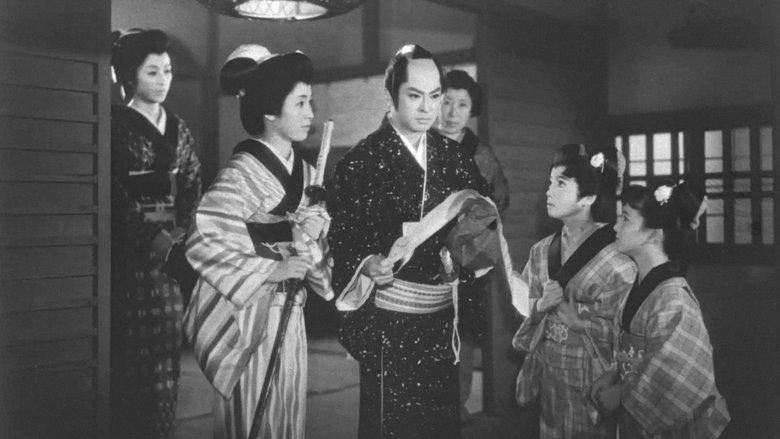
Young lord investigates the mysterious death that takes place in the underworld.
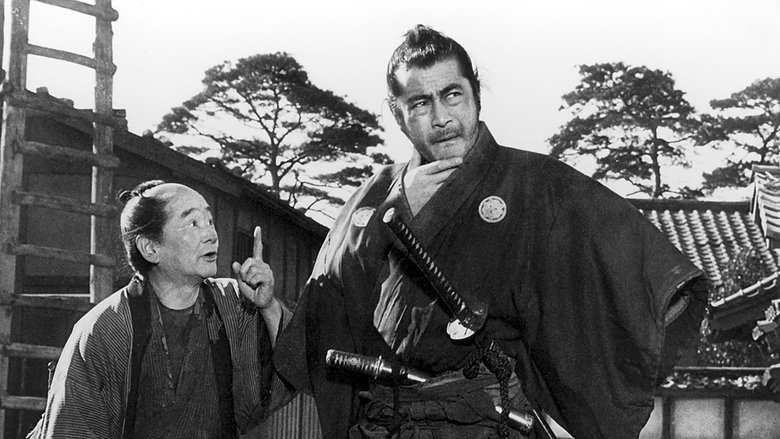
A nameless ronin, or samurai with no master, enters a small village in feudal Japan where two rival businessmen are struggling for control of the local gambling trade. Taking the name Sanjuro Kuwabatake, the ronin convinces both silk merchant Tazaemon and sake merchant Tokuemon to hire him as a personal bodyguard, then artfully sets in motion a full-scale gang war between the two ambitious and unscrupulous men.
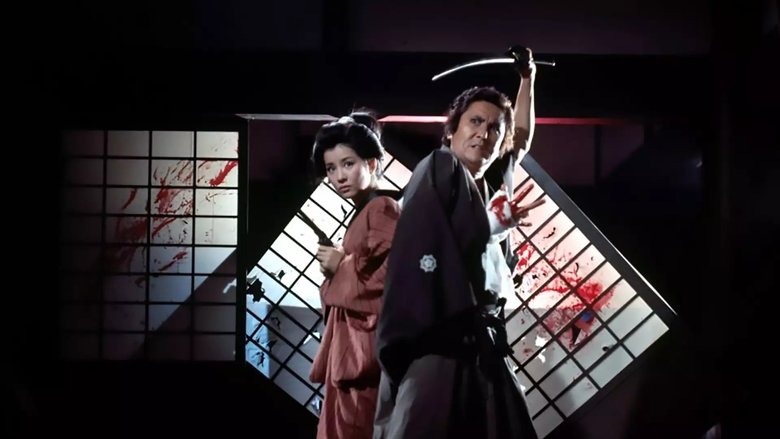
The story of Ryoma Sakamoto, considered to be the architect behind the downfall of the Tokugawa shogunate. He was considered an outlaw by his own clan, hunted by his government, and was despised by supporters of the Shogun as well as the Loyalists for desiring the opening of Japan to the West in order to learn its technology, in the hopes of one day defeating the West with a modern army and navy.
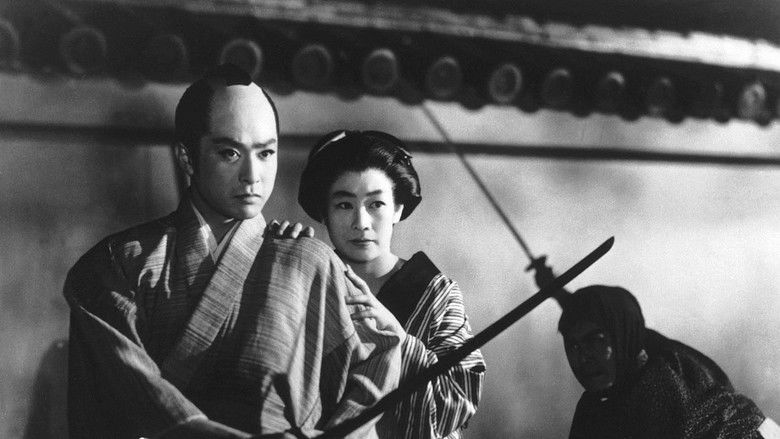
A young lord solves the mystery of multiple murders involving a young couple and a woman.
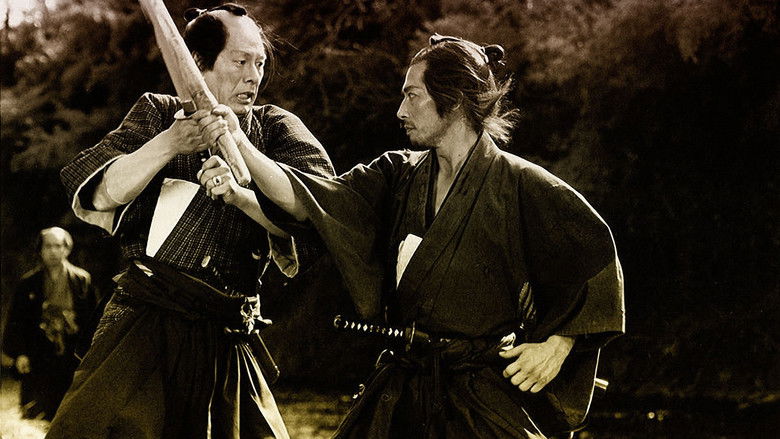
Seibei Iguchi leads a difficult life as a low ranking samurai at the turn of the nineteenth century. A widower with a meager income, Seibei struggles to take care of his two daughters and senile mother. New prospects seem to open up when the beautiful Tomoe, a childhood friend, comes back into he and his daughters' life, but as the Japanese feudal system unravels, Seibei is still bound by the code of honor of the samurai and by his own sense of social precedence. How can he find a way to do what is best for those he loves?
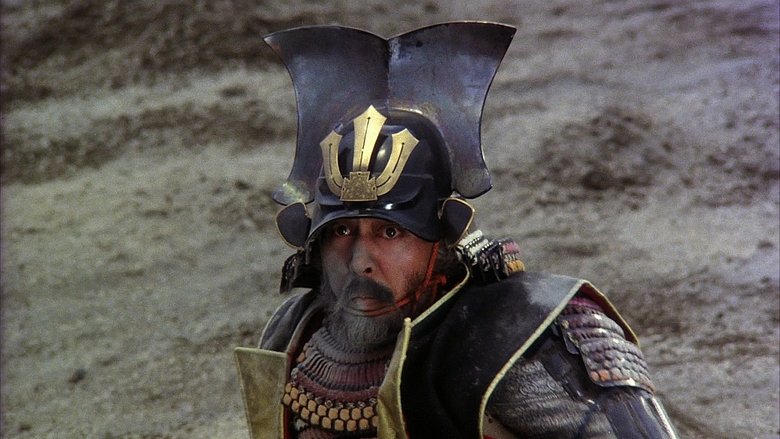
Akira Kurosawa's lauded feudal epic presents the tale of a petty thief who is recruited to impersonate Shingen, an aging warlord, in order to avoid attacks by competing clans. When Shingen dies, his generals reluctantly agree to have the impostor take over as the powerful ruler. He soon begins to appreciate life as Shingen, but his commitment to the role is tested when he must lead his troops into battle against the forces of a rival warlord.
In 1908, Director/Producer Shozo Makino (father of Japanese cinema) directed and produced the first dramatic film in Kyoto. “Honnô-ji Gassen” was shot at Shinnyo-Do Temple. Considered a lost film.
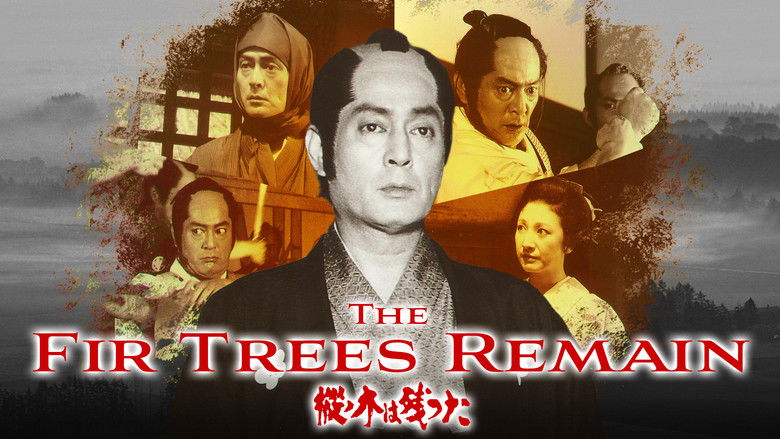
The 21-year-old feudal on Sendai, Tsunamune Date, was prohibited to go out in the daytime for his misbehavior during his short stay in Edo. On the next day, his 4 attendants were killed one after another. Sakai Utanokamike, the Rozyu, is turned out to be involved in this scheme, and the aim is to destroy the Date family. Tsunamune's brother Munekatsu Date who is willing to take over the family doesn't know the real purpose of Utanokami and helps him. Munesuku Harada gets to know the whole picture of the incident and takes action alone for the sake of protecting the Date family, leaving his own family. His lonely fight continues for 10 years and he got in danger in Utanokamike's house, and...
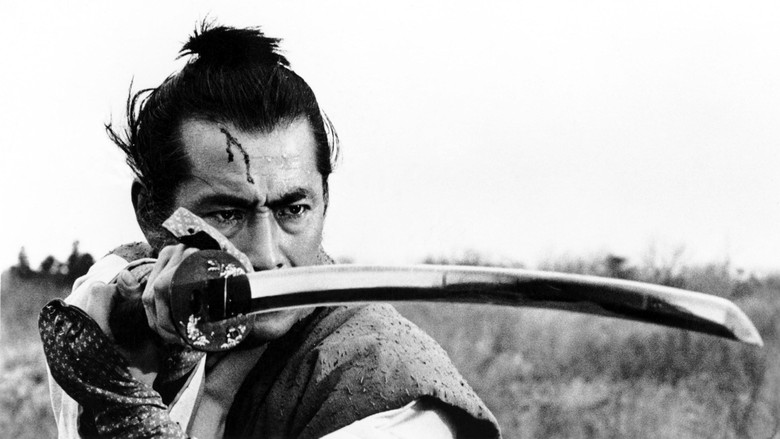
The mother of a feudal lord's only heir is kidnapped away from her husband by the lord. The husband and his samurai father must decide whether to accept the unjust decision, or risk death to get her back.
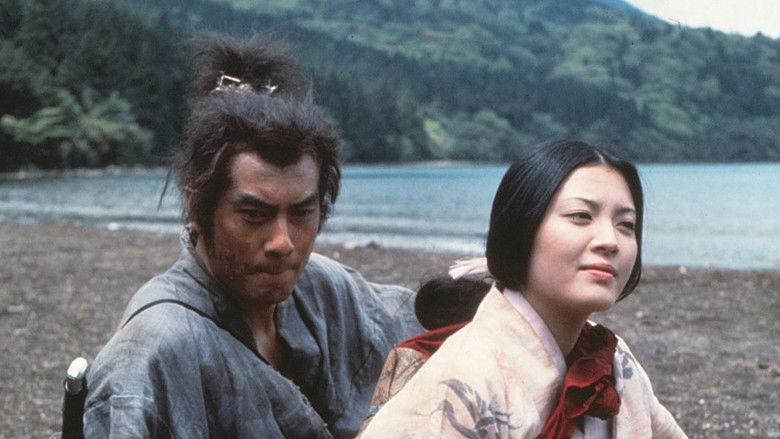
In Part I we see the young would-be swordsman setting out to achieve greatness in war, achieving nothing because fighting on the losing side, & then beginning his long period of wandering & training, with the goal always in mind of his duel with Kojiro. Part II builds toward that great duel on Ganryu Island, with considerable focus on Musashi's planning & forethought as to how to gain an advantage.
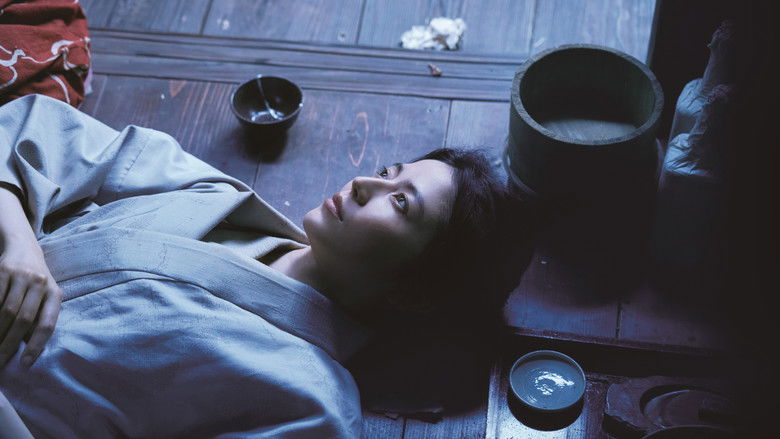
The life of Katsushika Oi, daughter of Hokusai and a trailblazing female artist in Japan.
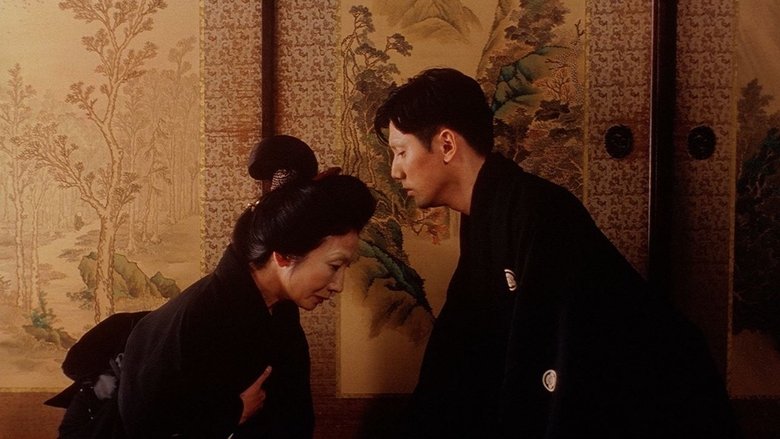
When his mother's untimely death quickly follows his father's, a doctor begins to believe a killer may be targeting him and his amnesiac wife.
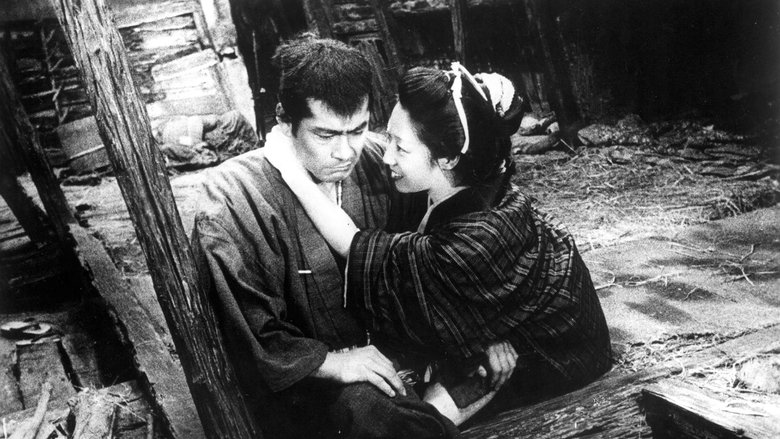
Residents of a rundown boardinghouse in 19th-century Japan, including a mysterious old man and an aging actor, get drawn into a love triangle that turns violent. When amoral thief Sutekichi breaks off his affair with landlady Osugi to romance her younger sister, Okayo, Osugi extracts her revenge by revealing her infidelity to her jealous husband.
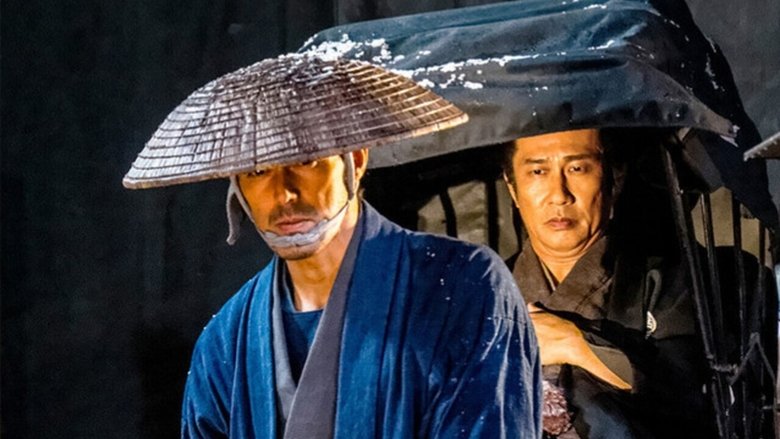
At Sakurada Gate in 1860, the shogun’s chief minister and his retinue of bodyguards are ambushed and annihilated. Bearing the responsibility and shame for this failure is Shimura Kingo, master swordsman and chief of the guard. Forbidden to take his own life in atonement, he is instead tasked with hunting down the remaining assassins; however, fate intervenes and now only one is left. Devoted to his late lord and his duty, he relentlessly pursues the sole remaining assassin for the next thirteen years. But times are changing in Japan and the way of the sword has become outlawed. What does this mean for Kingo?