
Bowl (1976)
USPS workers go bowling.
USPS workers go bowling.
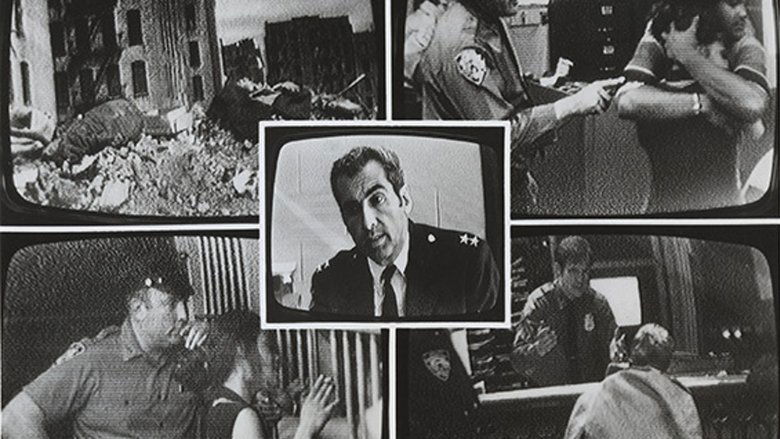
Filmmakers Alan and Susan Raymond spent three months in 1976 riding along with patrol officers in the 44th Precinct of the South Bronx, which had the highest crime rate in New York City at that time.
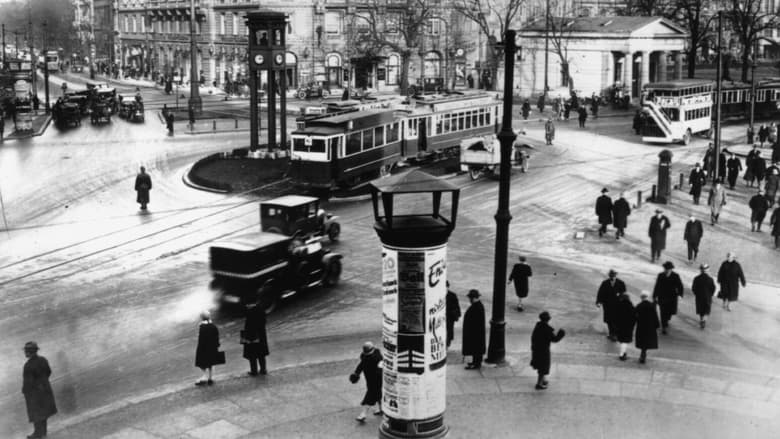
A day in the city of Berlin, which experienced an industrial boom in the 1920s, and still provides an insight into the living and working conditions at that time. Germany had just recovered a little from the worst consequences of the First World War, the great economic crisis was still a few years away and Hitler was not yet an issue at the time.
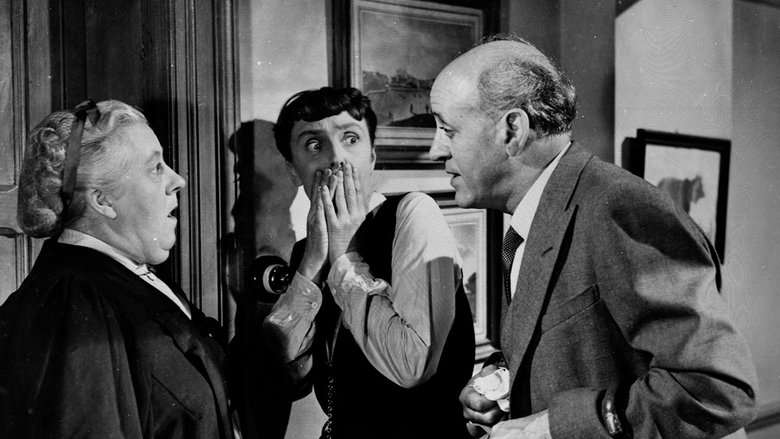
Compilation of classic British comedy moments
This black-and-white archival film outlines the importance of Canada's forests in the national war effort during the Second World War.
This silent film from 1948 "The Creation of Life" briefly demonstrates how a fetus forms and graphically shows different types of births. It was made by Sherwood Picture Corp., and may have been sold both to schools and professional organizations for medical education, and to the public for shock value. (Several similar birth films were sold in this era through home catalogs and photography shops.) Summary: By means of diagrams, conceptions and pregnancy are explained. Views of various methods of delivery are shown. Created by: T. Marc Sherwood
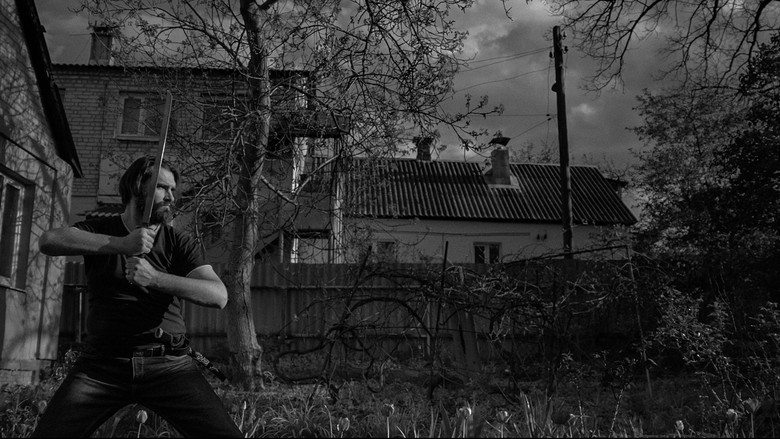
Viktor, who was born deaf, worships the figure of the samurai warrior. When bombs start falling on his countryside home in Kharkiv, his quasi-romantic obsession with war is put to the test.

A cinematic portrait of the homeless population who live permanently in the underground tunnels of New York City.
A heartwarming exploration of a community art project by photographer Tawfik Elgazzar providing free portraits for locals and passers-by in Sydney, Australia's Inner West. The film explores the nature of individuality, cultural diversity and the positive joy for the photographer of seeing his subjects smile.
Documentary about filmmaker Jean Grémillon.
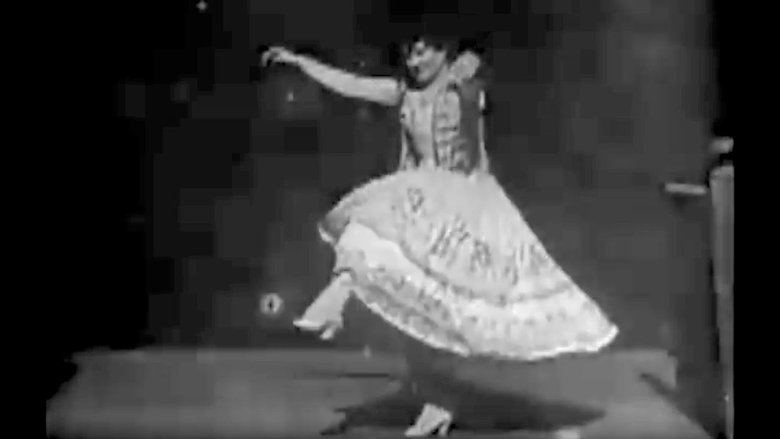
The first woman to appear in front of an Edison motion picture camera and possibly the first woman to appear in a motion picture within the United States. In the film, Carmencita is recorded going through a routine she had been performing at Koster & Bial's in New York since February 1890.
The Dangers of the Fly is an educational film made by Ernesto Gunche and Eduardo Martínez de la Pera, also responsible for Gaucho Nobility (1915), the biggest blockbuster of Argentinean silent cinema. De la Pera was a talented photographer, always willing to try new gadgets and techniques. This film experiments with microphotography in the style of Jean Comandon's films for Pathé and it is part of a series which included a film about mosquitoes and paludism and another one about cancer, which are considered lost. Flies were a popular subject of silent films and there are more than a dozen titles featuring them in the teens and early twenties.
Investigation by the Museum of Walloon Life showing the different stages of the manufacture of rifle barrels using the so-called "Damascus" process, in Nessonvaux in 1925 and 1931
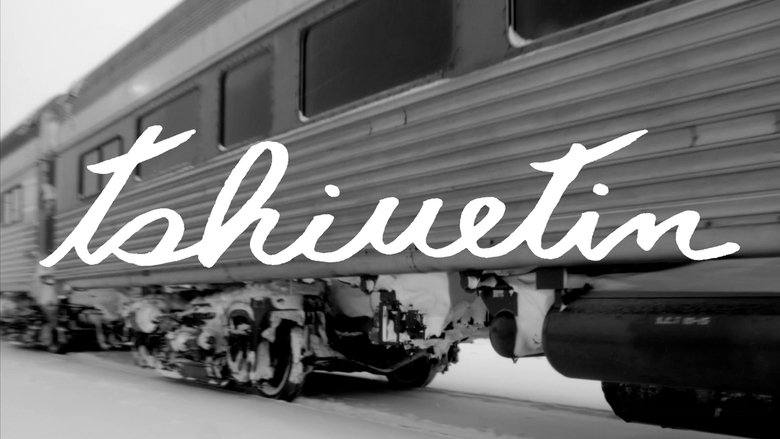
Take a breathtaking train a ride through Nothern Quebec and Labrador on Canada’s first First Nations-owned railway. Come for the celebration of the power of independence, the crucial importance of aboriginal owned businesses and stay for the beauty of the northern landscape.
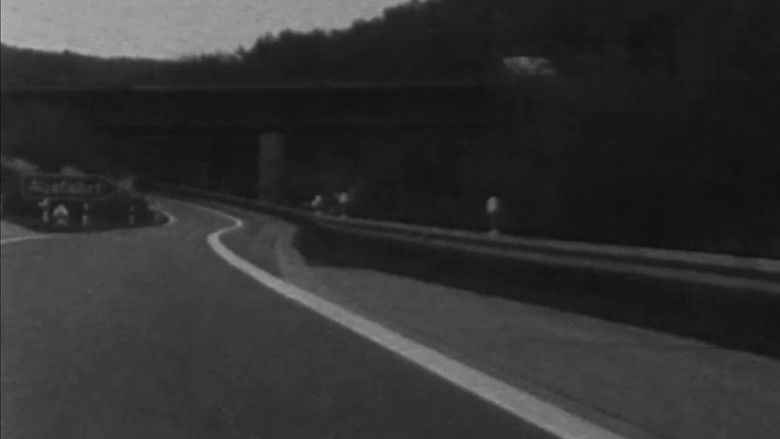
The social democrats of the sixties and seventies worked on their grand plan to build a highway network in Germany that every German citizen could reach within five minutes of their home. The little film hangs around between and on the streets of this network - where the country discos, pedestrian zones, shopping centers, hospitals and roads home are behind noise barriers.
A look at the ruins of the ancient city of Angkor. The largest collection of sculptures the world has ever seen - an entire metropolis of palaces and temples recovered from the jungle.
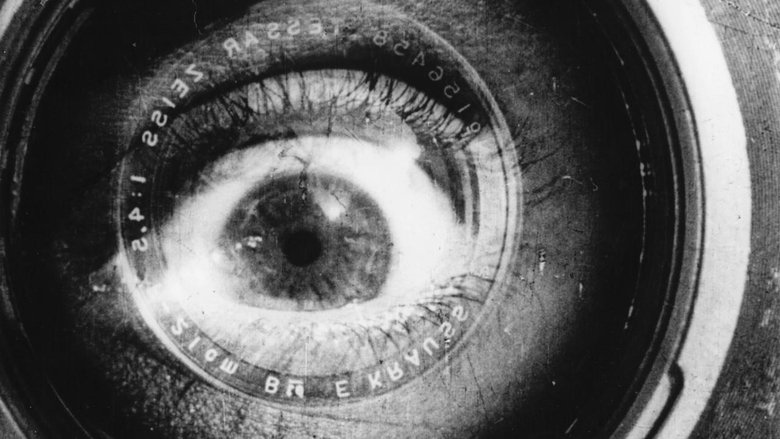
A cameraman wanders around with a camera slung over his shoulder, documenting urban life with dazzling inventiveness.
A man ventures out into the streets of a pandemic-ridden London.
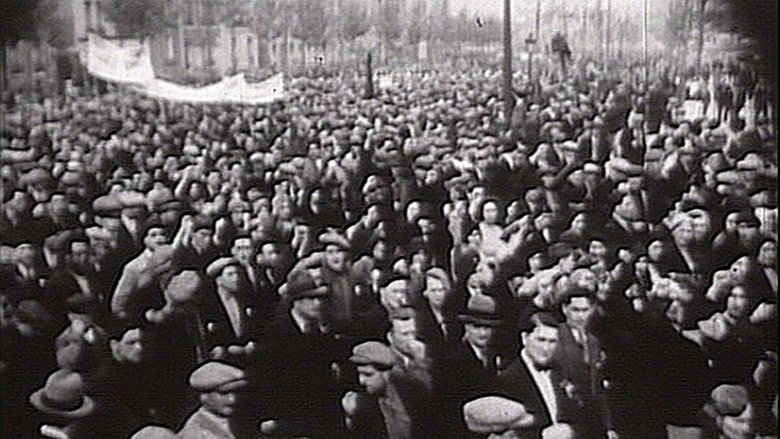
With no choice, César faced leaving his family behind, quitting his job and joining the Army. In an unprecedented chain of events he became the first conscientious objector in Galicia (Spain) to be put in prison. Now, nearly thirty years later, Two Years, Four Months, A Day takes a look at what made him do it.
LONDON SYMPHONY is a brand new silent film - a city symphony - which offers a poetic journey through the city of London. It is an artistic snapshot of the city as it stands today, and a celebration of its culture and diversity.