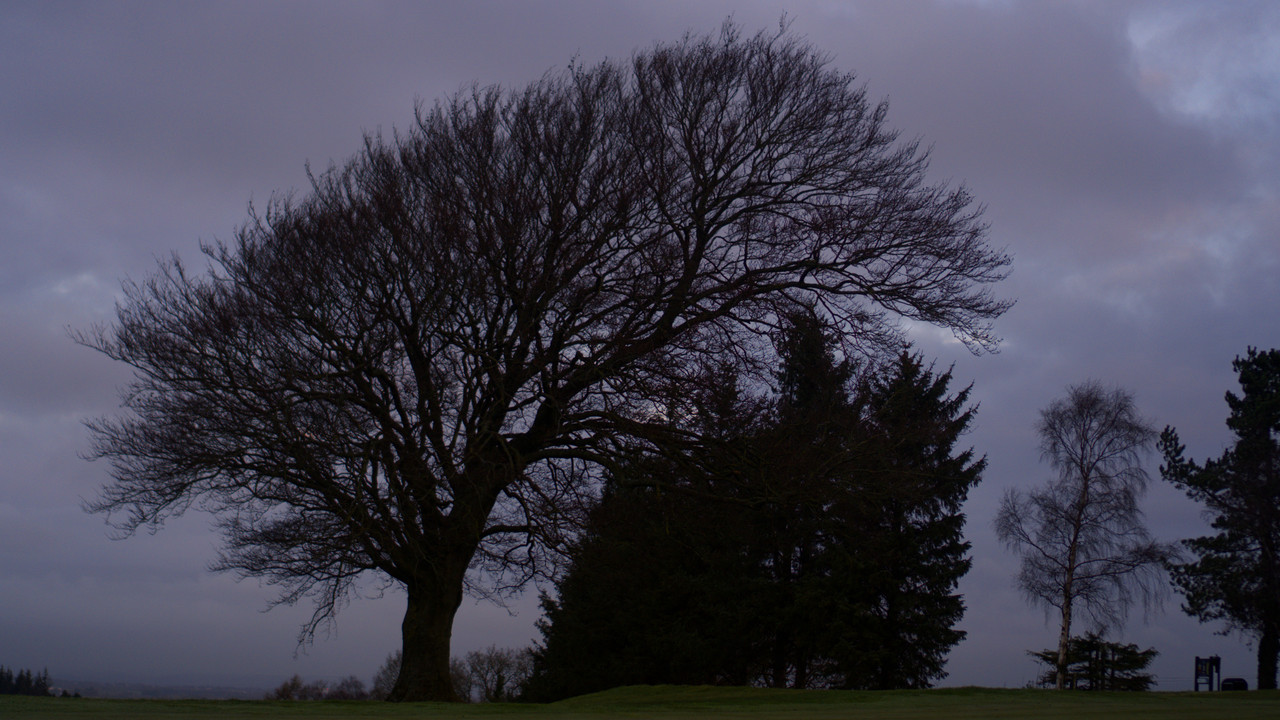
They're All Painted If You Actually Look (2023)
An observational documentary following Steven Brooke and how the solitude of painting impacts his life and artwork.
An observational documentary following Steven Brooke and how the solitude of painting impacts his life and artwork.
 Steven BrookeSelf
Handbook of Movie Theaters’ History is a documentary about the history, the development in the present days and the future of movie theaters in the city of Turin, Italy. It mixes the documentary language with comedy and fiction, and is enriched by interviews to some of the most important voices of Turin cinematography. The film follows the evolution of movie theaters by enlightening its main milestones: the pre-cinema experiences in the late 19th Century, the colossals and the movie cathedrals of the silent era, the arthouse theaters, the National Museum of Cinema, the Torino Film Festival, the movie theaters system today and the main hypothesis about its future.
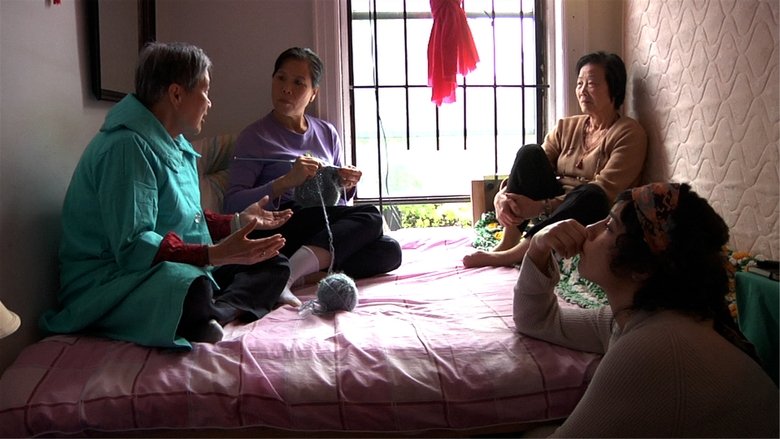
Immigrant residents of a “shift-bed” apartment in the heart of New York City’s Chinatown share their stories of personal and political upheaval. As the bed transforms into a stage, the film reveals the collective history of the Chinese in the United States through conversations, autobiographical monologues, and theatrical movement pieces. Shot in the kitchens, bedrooms, wedding halls, cafés, and mahjong parlors of Chinatown, this provocative hybrid documentary addresses issues of privacy, intimacy, and urban life.
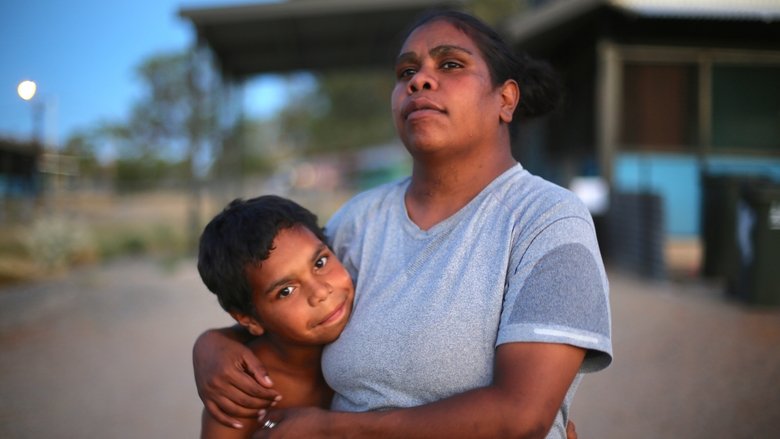
The story of Dujuan, a 10-year-old Aboriginal boy living in Alice Springs, Australia, who is struggling to balance his traditional Arrernte/Garrwa upbringing with a state education.
Adlon recounts the making of the sculpture, "Kugelkaryatide" the sphere that stood in the center of Tobin Plaza between the two towers of the World Trade Center. The film follows the sculpture from its creation as the largest bronze sculpture of recent times to the aftermath, where it now stands, heavily scarred, in Battery Park.
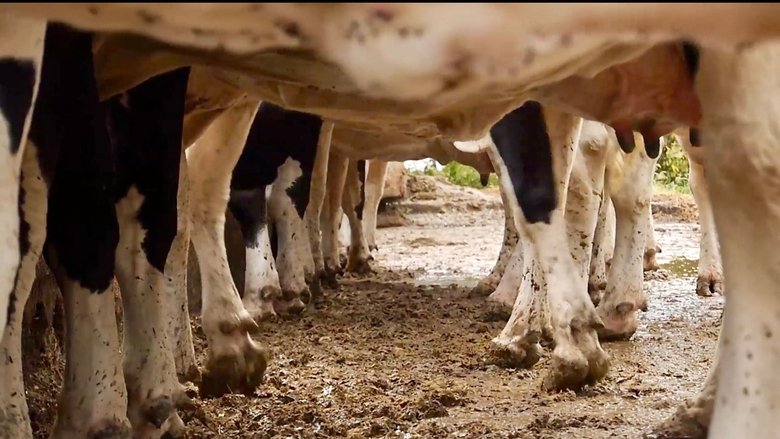
Cows With No Name is almost a diary, filmed one day at a time, of each stage of this process, documenting the operation of the farm with critical and incisive humour. But it is also an intimate documentary. By filming scenes of daily life on the family farm, around the kitchen table during meals, or in front of the TV in the evening while everyone falls asleep on the sofa, more personal questions are raised: the farmer’s connection to his herd, or even the handover that Hubert has chosen not to ensure.
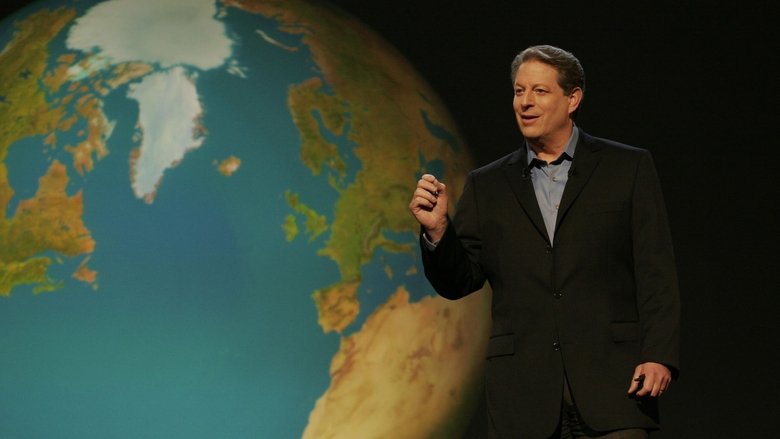
A documentary on Al Gore's campaign to make the issue of global warming a recognized problem worldwide.

Florida, 1994. Artist Mike Diana is convicted on an obscenity charge in the wake of an undercover police officer purchasing his limited edition zine Boiled Angel. Here is the very unusual story of what led to this First Amendment debacle happening for the first time in the United States.
A video letter to Nancy Holt, made in homage to a shared interest in terminal lakes, framed views, monuments and time. Filmed on and around the Great Salt Lake, Mono Lake and Meteor Crater.
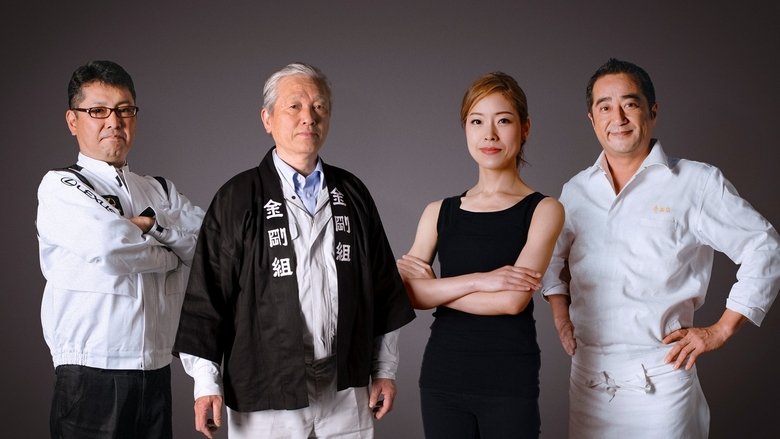
There is a popular theory that it takes at least 10,000 hours of focused practice for a human to become expert in any field. In Japan, there are craftspeople who go far beyond this to reach a special kind of mastery. These people are called Takumi and they devote 60,000 hours to their craft. That's 8 hours a day, 240 days a year, for over 30 years. It's an almost superhuman level of dedication to a life of repetition and no shortcuts. This film asks the question: Will human craft disappear as artificial intelligence reaches beyond our limits?
Takeda is a film about the universality of the human being seen thru the eyes of a Japanese painter that has adopted the Mexican culture.
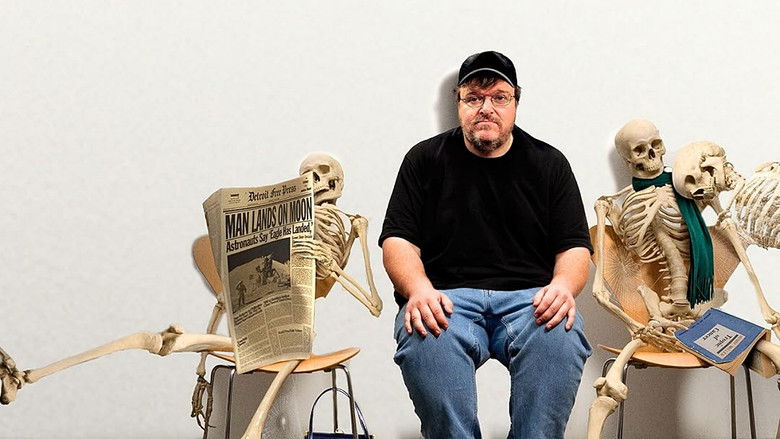
A documentary about the corrupt health care system in The United States whose main goal is to make profit even if it means losing people’s lives. "The more people you deny health insurance, the more money we make" is the business model for health care providers in America.
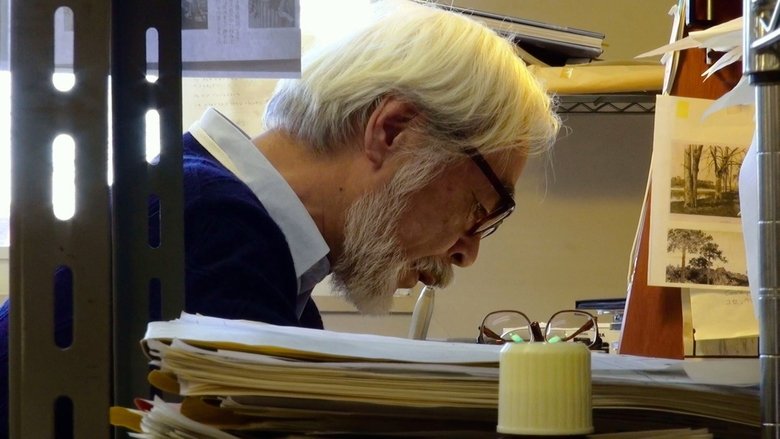
Follows the behind-the-scenes work of Studio Ghibli, focusing on the notable figures Hayao Miyazaki, Isao Takahata, and Toshio Suzuki.
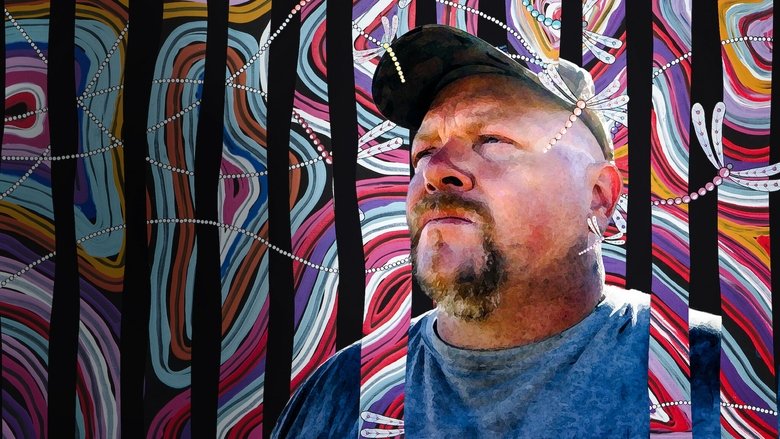
Narrated by Uncle Jack Charles and seen through the eyes of Indigenous prisoners at Victoria’s Fulham Correctional Centre, this documentary explores how art and culture can empower Australia's First Nations people to transcend their unjust cycles of imprisonment.
"Meat Joy is an erotic rite — excessive, indulgent, a celebration of flesh as material: raw fish, chicken, sausages, wet paint, transparent plastic, ropes, brushes, paper scrap. Its propulsion is towards the ecstatic — shifting and turning among tenderness, wildness, precision, abandon; qualities that could at any moment be sensual, comic, joyous, repellent. Physical equivalences are enacted as a psychic imagistic stream, in which the layered elements mesh and gain intensity by the energy complement of the audience. The original performances became notorious and introduced a vision of the 'sacred erotic.' This video was converted from original film footage of three 1964 performances of Meat Joy at its first staged performance at the Festival de la Libre Expression, Paris, Dennison Hall, London, and Judson Church, New York City."
The story of the secret of self-creativity, the loneliness of the soul, the meridians of con-sciousness and the scope of man. Ilmārs Blumbergs (1943-2016) is a concept in life than can be classically proven if we analyze his work in set design, poster art, painting and multimedia work. The personality of Blumbergs, however is a shifting and intangible material which ensures superior value, wonderfulness and intimacy to all that he created. Those who analyze his art and world perceptions, recognize the work as seeming to come from antiquity, but it can never be catalogued or recorded in bookkeeping. How fortunate that it also cannot be consumed.
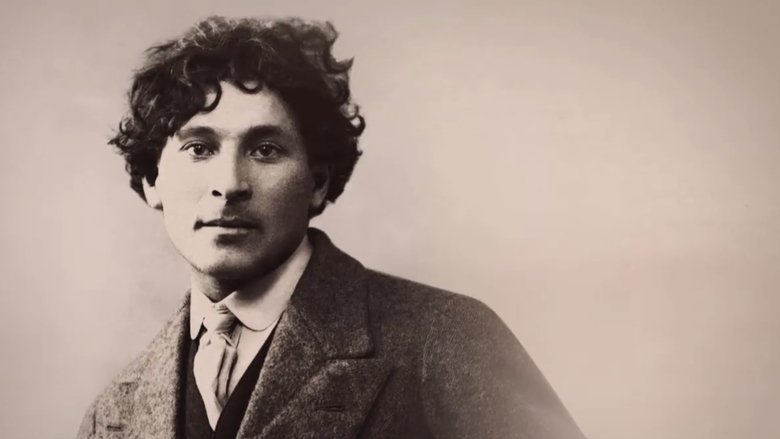
Marc Chagall was an artist caught between two worlds, between traditional art and modernism, figuration and abstraction. The film accompanies him on an important stage of his life from 1910 to 1930, between Paris and Vitebsk. Chagall's home town was a laboratory for the artistic avant-garde in Belarus, while Paris was the center of modern art movements.
Stuart Cooper's short about the work of Spanish artist Juan Genovés is an inspired introduction to the works of this extraordinary artist, exploring its minimalist aesthetic and storytelling qualities through a variety of cinematic techniques, including rostrum, animation, news footage and live action recreations.
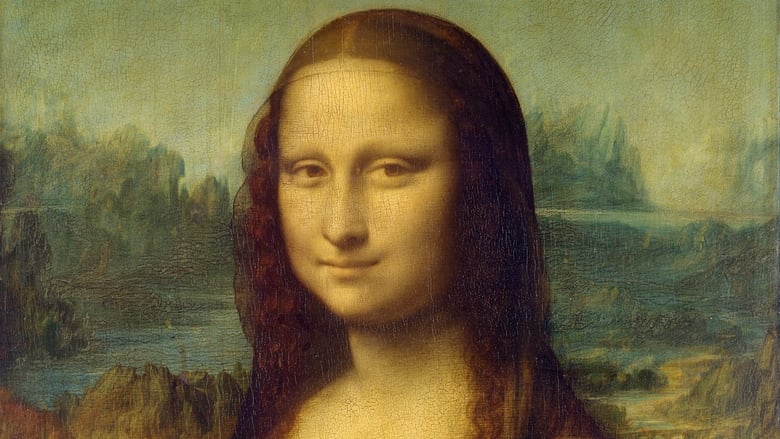
Leonardo da Vinci is acclaimed as the world’s favourite artist. Many TV shows and feature films have showcased this extraordinary genius but often not examined closely enough is the most crucial element of all: his art. Leonardo’s peerless paintings and drawings will be the focus of Leonardo: The Works, as EXHIBITION ON SCREEN presents every single attributed painting, in Ultra HD quality, never seen before on the big screen. Key works include The Mona Lisa, The Last Supper, Lady with an Ermine, Ginevra de’ Benci, Madonna Litta, Virgin of the Rocks, and more than a dozen others.
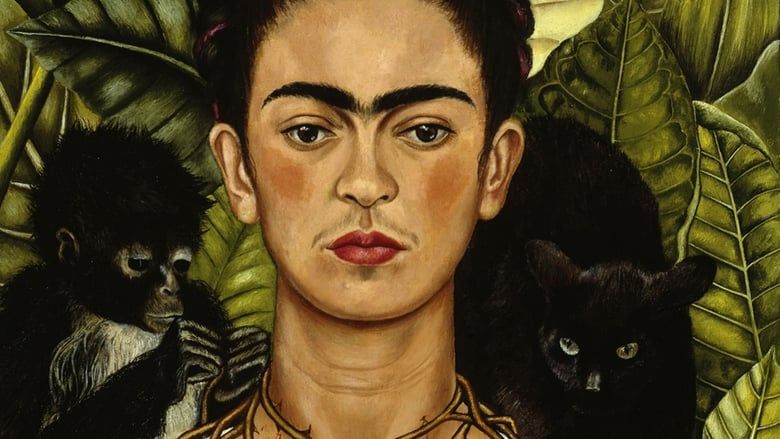
She was a prolific self-portraitist, using the canvas as a mirror through all stages of her turbulent and, at times, tragic life. This highly engaging film takes us on a journey through the life of one of the most prevalent female icons: Frida Kahlo. Displaying a treasure trove of colour and a feast of vibrancy on screen, this personal and intimate film offers privileged access to her works and highlights the source of her feverish creativity, her resilience and her unmatched lust for life, men, women, politics and her cultural heritage.
Stan Hill Jr. is a Haudenosaunee artist living in Miawpukek First Nation Reserve, Conne River, Newfoundland. In “The Bear Inside a Whale,” he and his family discuss racism, identity, religion, creation and art, along with the cultural extinction of the Beothuk of Newfoundland. Throughout the film, we follow Stan carving a bear out of a whale vertebra. And we visit The Rooms (museum) in St. John’s, Newfoundland, where Stan talks about viewing and reclaiming Indigenous artefacts.