
Burma Soldier (2010)
The story of Myo Myint, a political prisoner, who made the transformation from being a soldier in Burma's junta to a pro-democracy activist.
The story of Myo Myint, a political prisoner, who made the transformation from being a soldier in Burma's junta to a pro-democracy activist.
Myo MyintHimself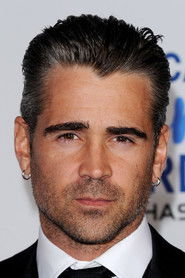 Colin FarrellNarrator (Voice)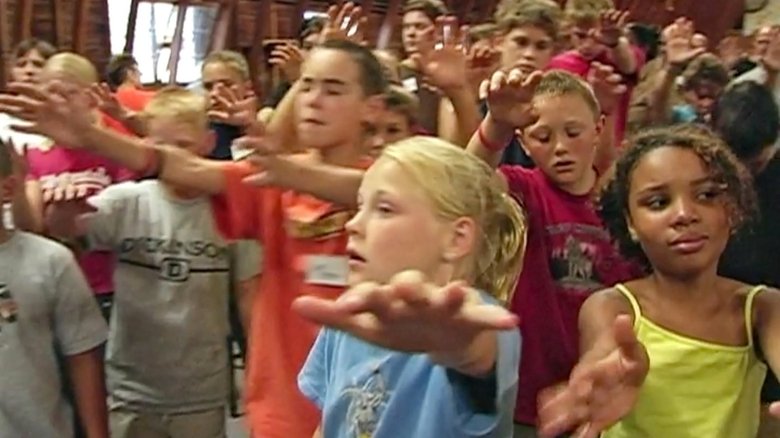
Jesus Camp is a Christian summer camp where children hone their "prophetic gifts" and are schooled in how to "take back America for Christ". The film is a first-ever look into an intense training ground that recruits born-again Christian children to become an active part of America's political future.
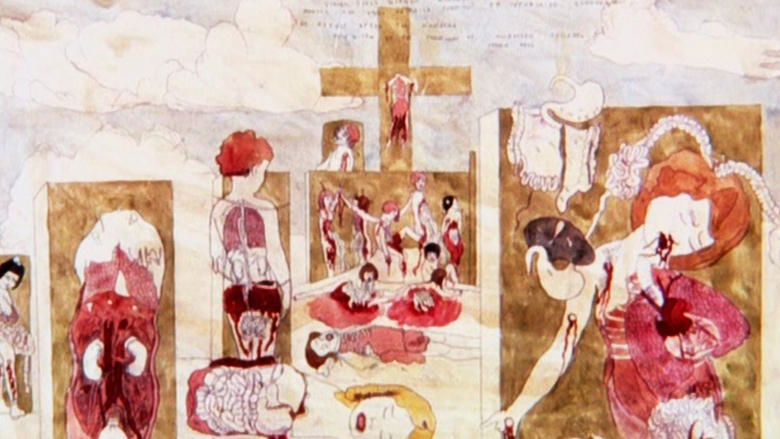
In the Realms of the Unreal is a documentary about the reclusive Chicago-based artist Henry Darger. Henry Darger was so reclusive that when he died his neighbors were surprised to find a 15,145-page manuscript along with hundreds of paintings depicting The Story of the Vivian Girls, in What is Known as the Realms of the Unreal, of the Glodeco-Angelinnian War Storm, Cased by the Child Slave Rebellion.
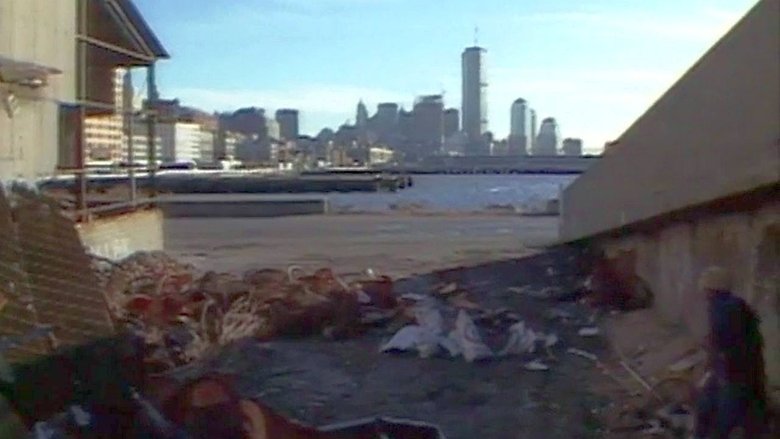
Explores the lives of Sara, Gigi and Giovanna, three Latino transvestites who for years have lived on the streets of Manhattan supporting their drug addictions through prostitution. They made their temporary home inside broken garbage trucks that the Sanitation Department keeps next to the salt deposits used in the winter to melt the snow. The three friends share the place known as "The Salt Mines".
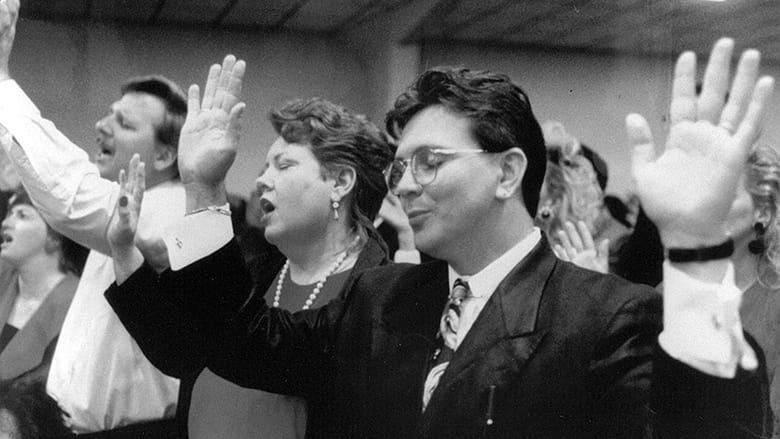
Ricardo was once Sara, a homeless HIV positive transvestite, living in the underbelly of Manhattan. Today he is a churchgoing, married man, "saved" by a Dallas ministry. He has renounced his homosexuality, but is his conversion complete? Susana Aiken and Carlos Aparicio offer an intimate look at Ricardo's transformation.
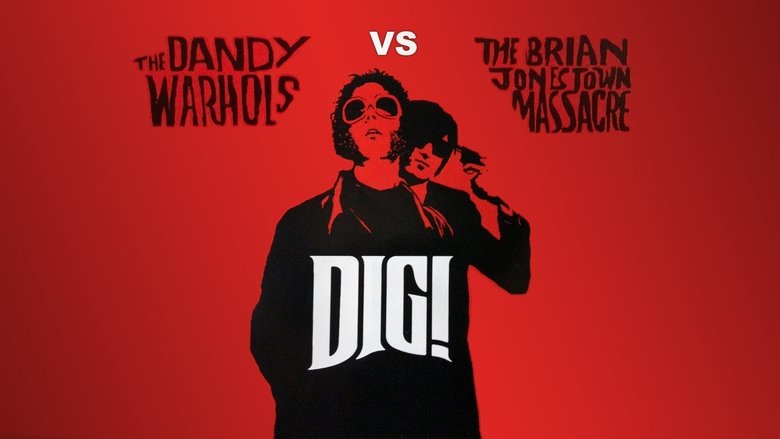
A documentary on the once promising American rock bands The Brian Jonestown Massacre and The Dandy Warhols. The friendship between respective founders, Anton Newcombe and Courtney Taylor, escalated into bitter rivalry as the Dandy Warhols garnered major international success while the Brian Jonestown Massacre imploded in a haze of drugs.
The space of the junkyard allows various ‘crash’ narratives to unfold, with the stories of actual crashes and the remnants and afterlife of these machines becoming metaphors for economic decline. This is an investigation of planes as they are parked during the economic downturn, stored and recycled, revealing unexpected connections between economy, violence and spectacle, finding perfect example in the form of the Boeing 4X-JYI, an aircraft first acquired by film director Howard Hughes for TWA, which was subsequently flown by the Israeli Airforce before finding its way to the Californian desert to be blown up for the Hollywood blockbuster Speed. Through intertwined narratives of people, planes and places Steyerl reveals cycles of capitalism incorporating and adapting to the changing status of the commodity, but also points at a horizon beyond this endless repetition.

When a Mongolian nomadic family's newest camel colt is rejected by its mother, a musician is needed for a ritual to change her mind.
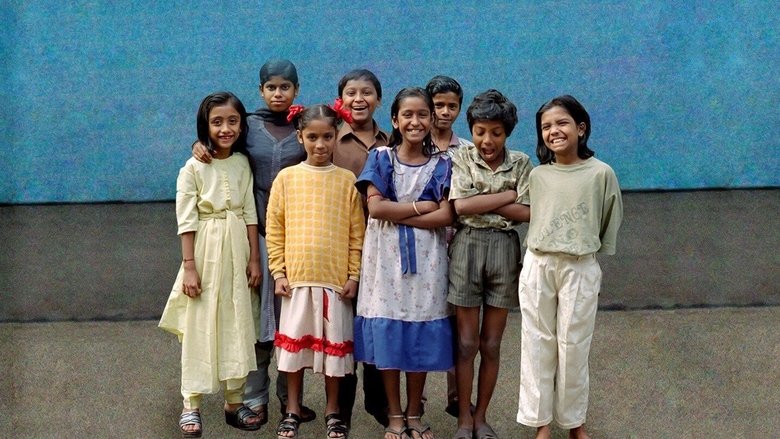
Documentary depicting the lives of child prostitutes in the red light district of Songachi, Calcutta. Director Zana Briski went to photograph the prostitutes when she met and became friends with their children. Briski began giving photography lessons to the children and became aware that their photography might be a way for them to lead better lives.

The story of the romance between the King of Siam (now Thailand) and the widowed British school teacher Anna Leonowens during the 1860s. Anna teaches the children and becomes romanced by the King. She convinces him that a man can be loved by just one woman.
The film describes the microcosmos of the small village Wacken and shows the clash of the cultures, before and during the biggest heavy metal festival in Europe.
This movie takes us in the daily battle of 12 cartoonists around the world : France, Mexico, Israël, China, Russia, Ivory Coast...
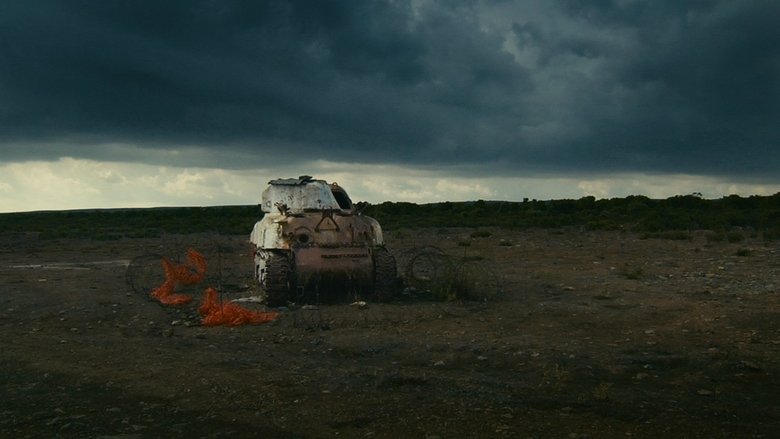
Materia oscura tells the story of a war zone in peacetime. The film location is the Salto di Quirra test range (Sardinia, Italy) where, for over fifty years, governments around the world have tested 'new weapons' and where the Italian government has carried out controlled explosions of old weapon stocks, inexorably endangering the territory.
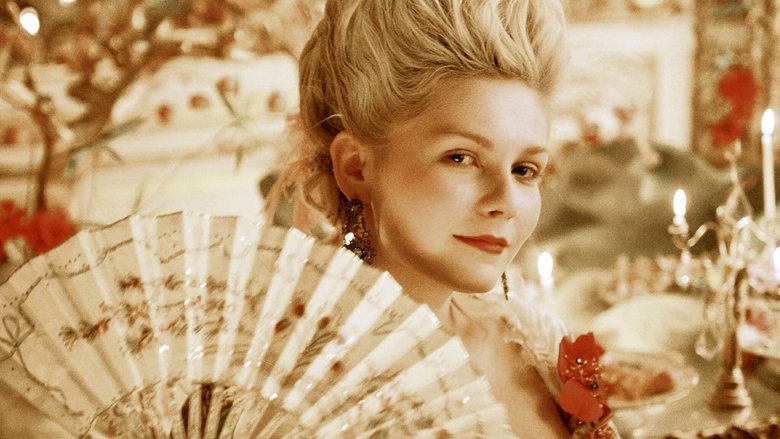
A retelling of the story of France’s iconic but ill-fated queen, Marie Antoinette - from her betrothal and marriage to Louis XVI at fifteen to her reign as queen at nineteen and ultimately the fall of Versailles.
During the war in 1971, Meher falls in love with a soldier from the enemy side. When her love is discovered, she is shamed and silenced by her family and society. Today 38 years after the war, Meher has a visitor she cannot turn down.
A Zen priest in San Francisco and cookbook author use Zen Buddhism and cooking to relate to everyday life.
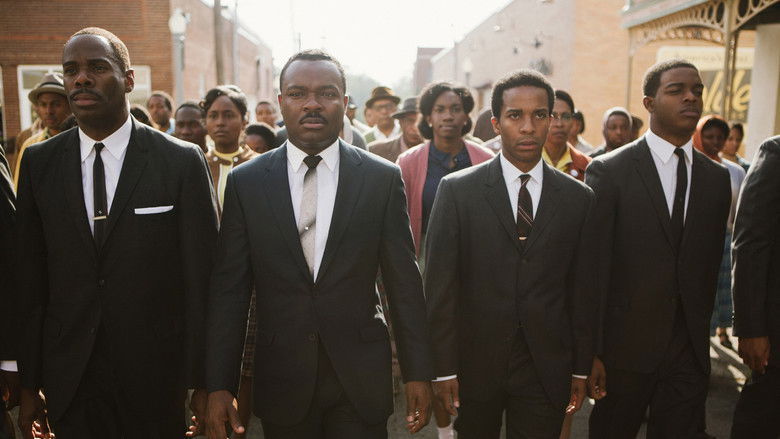
"Selma," as in Alabama, the place where segregation in the South was at its worst, leading to a march that ended in violence, forcing a famous statement by President Lyndon B. Johnson that ultimately led to the signing of the Voting Rights Act.
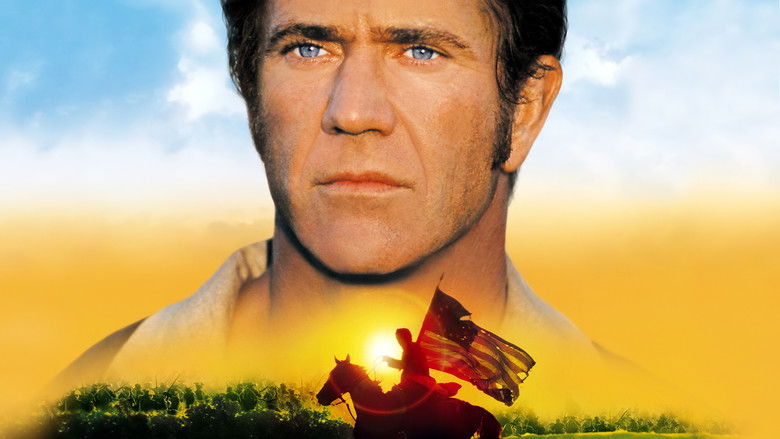
After proving himself on the field of battle in the French and Indian War, Benjamin Martin wants nothing more to do with such things, preferring the simple life of a farmer. But when his son Gabriel enlists in the army to defend their new nation, America, against the British, Benjamin reluctantly returns to his old life to protect his son.

Shut Up and Sing is a documentary about the country band from Texas called the Dixie Chicks and how one tiny comment against President Bush dropped their number one hit off the charts and caused fans to hate them, destroy their CD’s, and protest at their concerts. A film about freedom of speech gone out of control and the three girls lives that were forever changed by a small anti-Bush comment
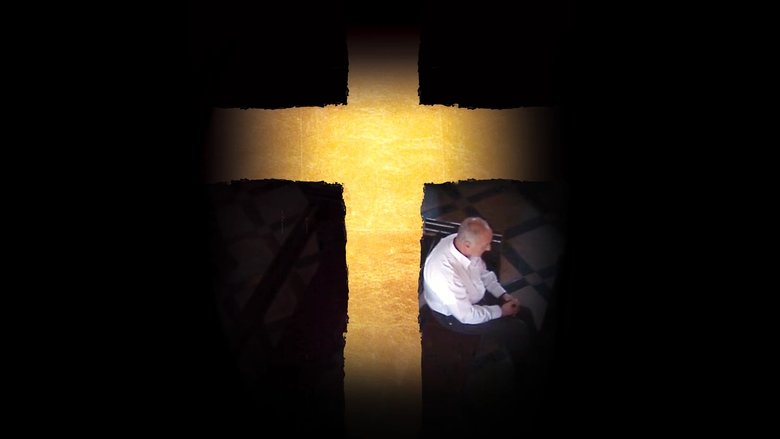
Documentary filmmaker Amy Berg investigates the life of 30-year pedophile Father Oliver O'Grady and exposes the corruption inside the Catholic Church that allowed him to abuse countless children. Victims' stories and a disturbing interview with O'Grady offer a view into the troubled mind of the spiritual leader who moved from parish to parish gaining trust ... all the while betraying so many.
An undercover investigation of Martin Creek Kennel is carried out by the animal rights group Last Chance for Animals. The film documents the efforts of a young animal rights activist named "Pete" to both get hired by the Martin Creek Kennel and secure enough evidence to shut down owner C.C. Baird's violation-filled kennel.