
Land of Little Rivers (2019)
The Land of Little Rivers, a network of tributaries in the Catskill Mountains of New York, is the birthplace of fly fishing in America and home to anglers obsessed by the sport.
The Land of Little Rivers, a network of tributaries in the Catskill Mountains of New York, is the birthplace of fly fishing in America and home to anglers obsessed by the sport.
Zack AndersonSelfBarry BeckSelfCathy BeckSelfGary BorgerSelfDave BrandtSelfBruce ConcorsSelfJoe DemalderisSelfRachel FinnSelfRylie LakeSelfAdrian LaSorteSelf
Documentary about Japanese pearl fishers.
A documentary film from New Hampshire Sea Grant following the stories of women in New Hampshire's traditionally male-dominated seafood and aquaculture industries, why they chose to work on the water, the challenges they face, and the reasons they've stayed.
The 45-minute documentary celebrates the history of the Catskill Water System with rare archival film footage and historic photographs. Deep Water tells the story of the building of the Ashokan Reservoir, Shandaken Tunnel, Schoharie Reservoir, and the Catskill Aqueduct. Narrated by Robb Webb (the voice of "60 Minutes II"), Deep Water documents how several Catskill Mountain towns were destroyed and flooded, how immigrant workers built the dams and tunnels, and how brilliant engineering and political maneuvering allowed the system to be built.
RAILS TO THE CATSKILLS is a history of the dynamic railroad industry in the Catskills of New York State. Catskill railroads have roots in the canals of the 1820's and the post Civil War railroad boom.

Explore the growth of Aberdeen’s sparkling streets.
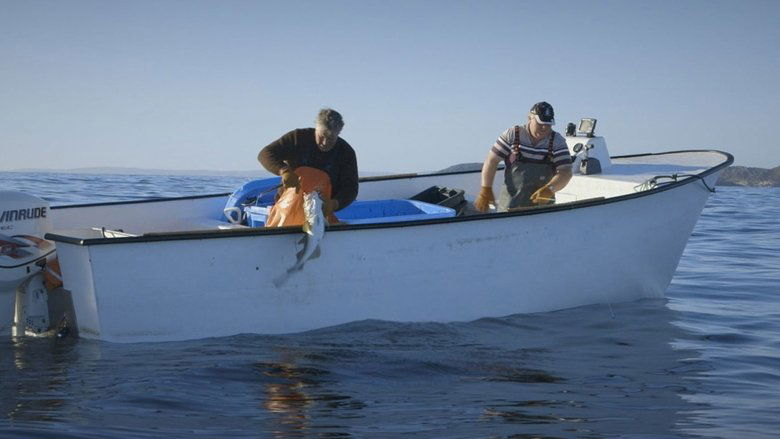
In the coldest waters surrounding Newfoundland's rugged Fogo Island, "people of the fish"—traditional fishers—catch cod live by hand, one at a time, by hook and line. After a 20-year moratorium on North Atlantic cod, the stocks are returning. These fishers are leading a revolution in sustainability, taking their premium product directly to the commercial market for the first time. Travel with them from the early morning hours, spend time on the ocean, and witness the intricacies of a 500-year-old tradition that's making a comeback.
Through economic necessity, an Aran Islander is forced to travel to England to work on building sites so that he can earn money to support his family back on the Islands.
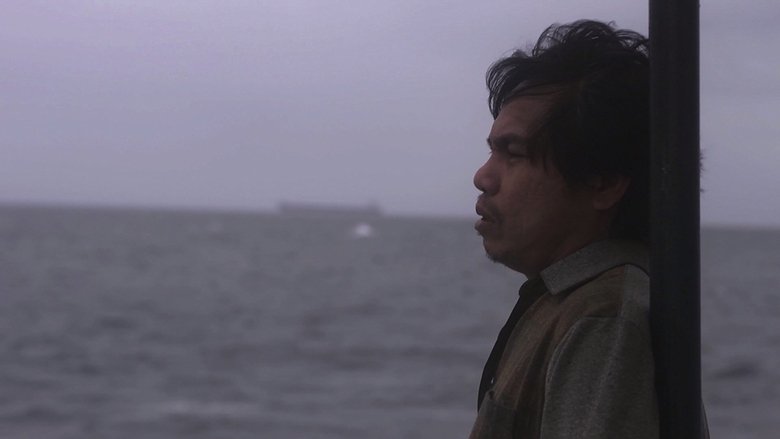
Work. Eat. Sleep. And back to work. For a long time skippers in the North East of Scotland could not find locals to work on their fishing vessels. That was until Filipino fishermen started coming to town for work. Both nationalities strive to shorten the distance between two very different worlds.
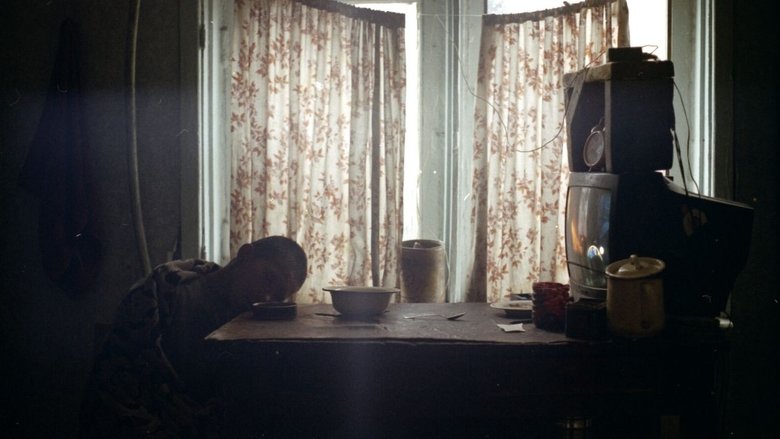
Somewhere on the coast of the Bering Sea, a father and son make a living fishing in a community that seems almost outside of time. Aliaksandr Tsymbaliuk’s camera takes us in close to the subjects, recording both the harshness of their condition and the rigour of education, softened by paternal love and the universal insouciance of childhood.
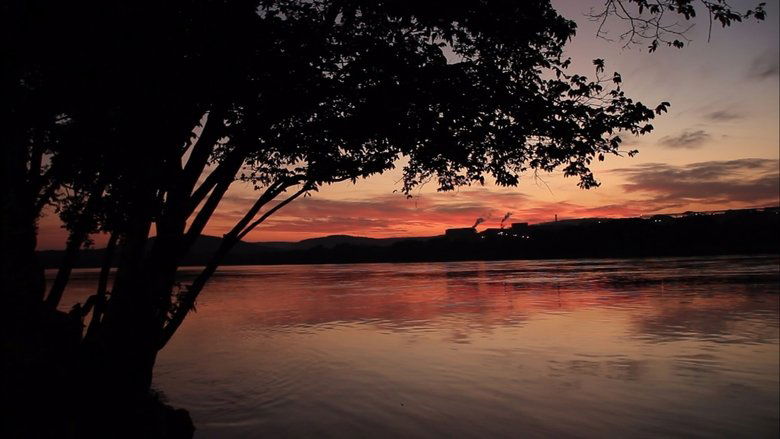
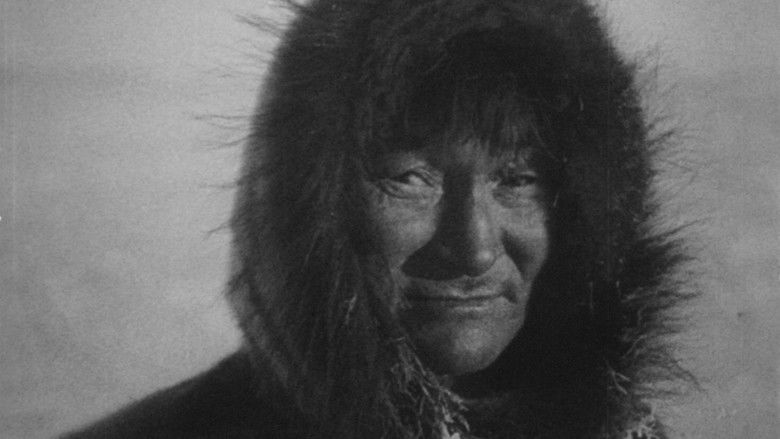
This pioneering documentary film depicts the lives of the indigenous Inuit people of Canada's northern Quebec region. Although the production contains some fictional elements, it vividly shows how its resourceful subjects survive in such a harsh climate, revealing how they construct their igloo homes and find food by hunting and fishing. The film also captures the beautiful, if unforgiving, frozen landscape of the Great White North, far removed from conventional civilization.
A modern geisha travels through Japan trying to find a job as entertainer, and ends up by finding love and a job as ama, a pearl diver.
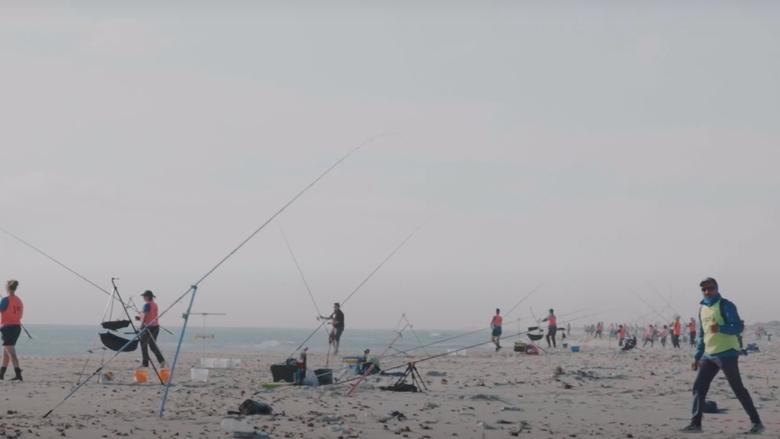
The Spanish fishing team is one of the best in the world and the rest of the teams know it. In the last three years they have not been off the podium and in the last World Championship they hope to achieve the same. This documentary reviews the adventure of the Spanish fishing team during the XXXVIII Men's World Sea-Coast Championship in Tunisia and everything that being an elite fisherman entails.
With a blend of poignant flashbacks and present-day reflections, the film follows Pete on his 50th and final season fishing for salmon in Southeast Alaska. With day-in-the-life scenes on his fishing vessel, Njord, he emphasizes the critical need for ethical fishing practices, grassroots political organizing, and direct consumer relationships to thrive in an increasingly challenging economy. Featuring powerful moments from the 2001 battle to protect Seattle’s Fisherman’s Terminal for working vessels, this documentary not only showcases the fight for economic survival but also underscores the personal and collective resilience that sustains small family businesses in the face of adversity.
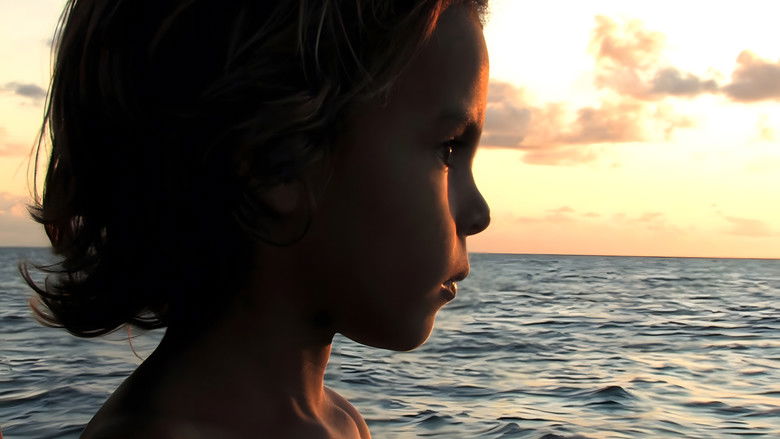
Before leaving for Rome with his mother, five year old Natan is taken by his father, Jorge, on an epic journey to the pristine Chinchorro reef off the coast of Mexico. As they fish, swim, and sail the turquoise waters of the open sea, Natan discovers the beauty of his Mayan heritage and learns to live in harmony with life above and below the surface, as the bond between father and son grows stronger before their inevitable farewell.
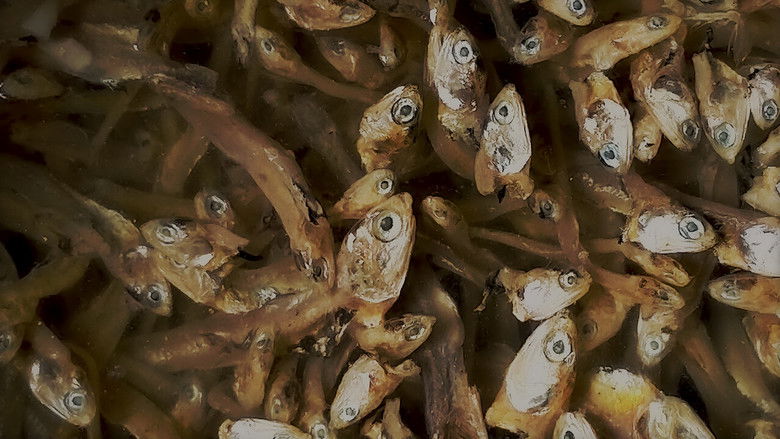
Someone tells of a dream he had, which was to go fishing and get lots of fish, this kind of dream is often associated with a symbol of good luck. But he was afraid that the dream would happen again and again, from generation to generation.
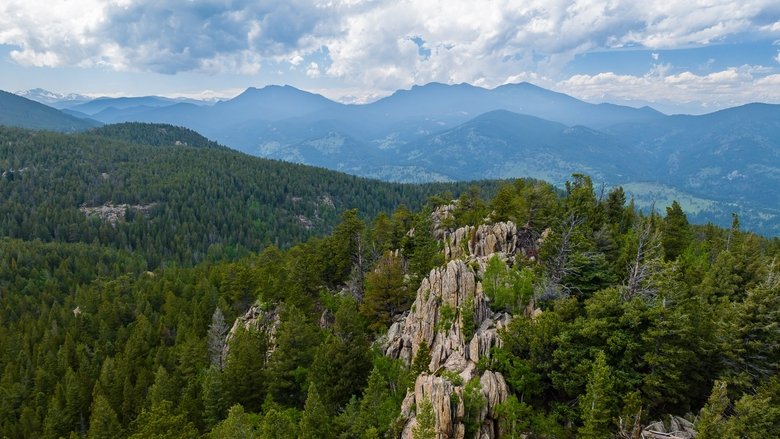
The short documentary Legends of Great Outdoors Colorado celebrates the visionaries who put Great Outdoors Colorado (GOCO) into motion three decades ago, creating a unique-in-the-nation resource and an enduring legacy of protecting and enhancing Colorado’s wildlife, parks, rivers, trails, and open spaces. In-depth conversations with legendary Coloradans, including GOCO co-founders Roy Romer and Ken Salazar, tell the origin story, and how the mission is possible thanks to passionate partners across the state, the people of Colorado, and GOCO's funding source, the Colorado Lottery. A combination of intimate interviews, archival footage, present-day scenes, and 8-mm film pays homage to Colorado’s outdoor heritage and GOCO’s continued commitment to conservation and recreation.
At its peak, one million New York Jews spent their summers in the Borscht Belt, the birthplace of Jewish-American iconoclastic humor. This film shows how these Catskills communities were run by women, and how class divisions were reflected in the resort hotels: upwardly-mobile hotel guests were entertained by a who's-who of talent, while in the bungalows, do-it-yourself burlesque and vaudeville reigned among the blue-collar families. This film is happy, humane, ironic, and, finally, bittersweet, as we see that today's Jews no longer share the tastes or aspirations of their parents.