
Freshwater World (1974)
This documentary explores a variety of projects undertaken by scientists at Environment Canada's Freshwater Institute in Winnipeg to study the processes that pollute or disrupt clean and balanced freshwater environments.
This documentary explores a variety of projects undertaken by scientists at Environment Canada's Freshwater Institute in Winnipeg to study the processes that pollute or disrupt clean and balanced freshwater environments.
Stanley JacksonNarrator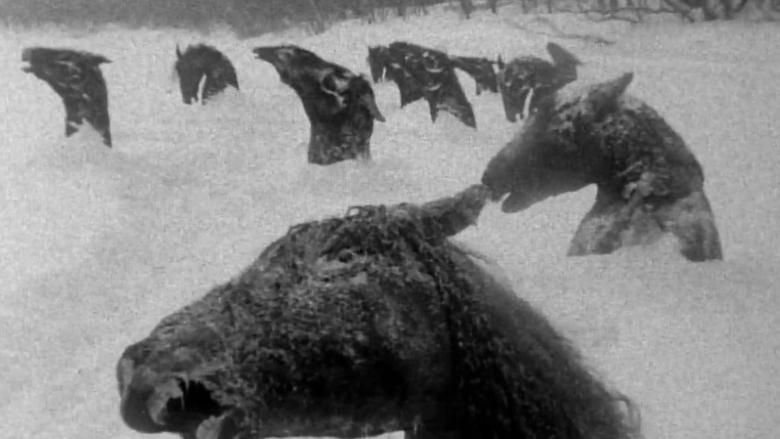
The geographical dead center of North America and the beloved birthplace of Guy Maddin, Winnipeg, is the frosty and mysterious star of Maddin’s film. Fact, fantasy and memory are woven seamlessly together in this work, conjuring a city as delightful as it is fearsome.
A short documentary on the River Ouse, following it downstream from Lewes to Newhaven, meditating on the surrounding area.

Twenty-five films from twenty-five European countries by twenty-five European directors.
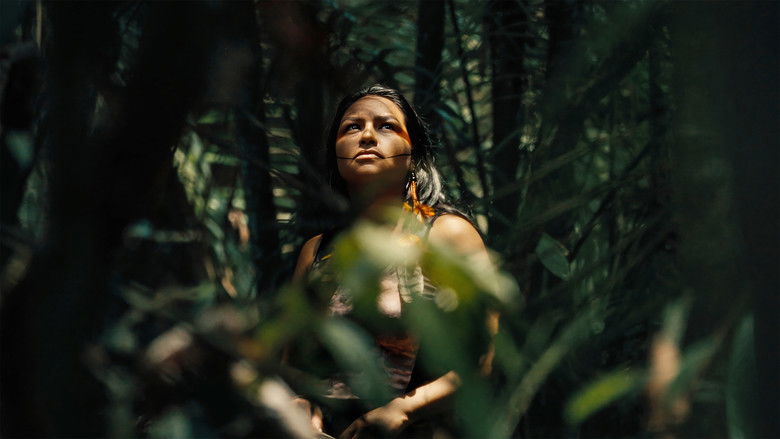
Indigenous chief Juma Xipaia fights to protect tribal lands despite assassination attempts. Her struggle intensifies after learning she's pregnant, while her husband, Special Forces ranger Hugo Loss, stands by her side.
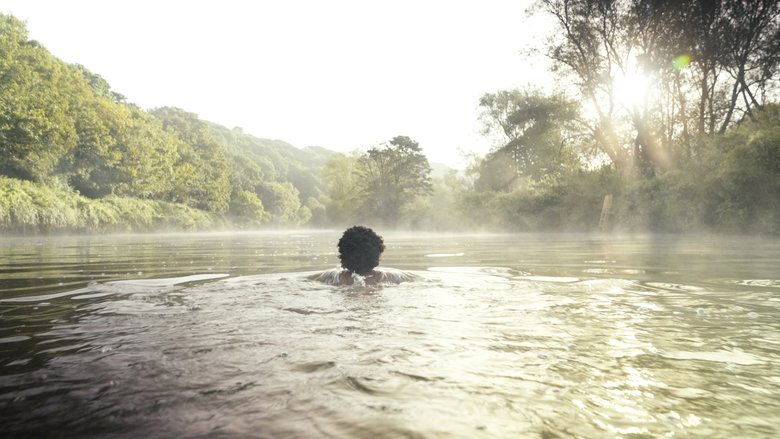
Fall in love with our Avon and the people fighting to protect it, the Bristol way! Rave On For The Avon is a feature-length documentary film that follows campaigners and river lovers through six seasons: their highs and lows, love and loss.
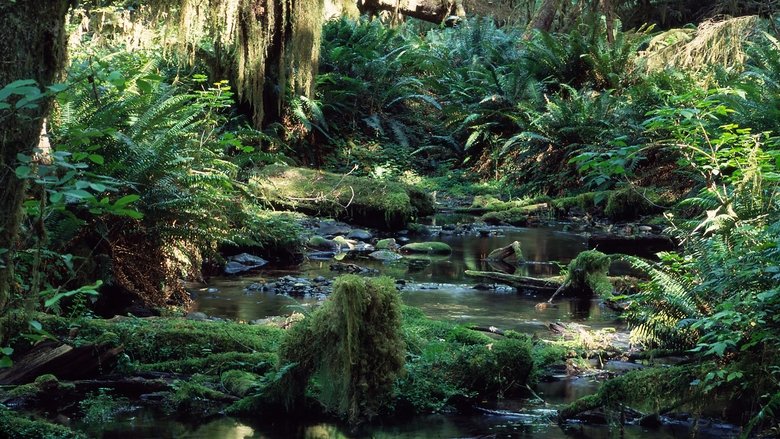
The story of the evolution of tropical rain forests, their recent and rapid destruction, and the intense efforts of scientists to understand them even as they disappear. This film gives viewers a better appreciation of the importance of tropical rain forests on a global scale.
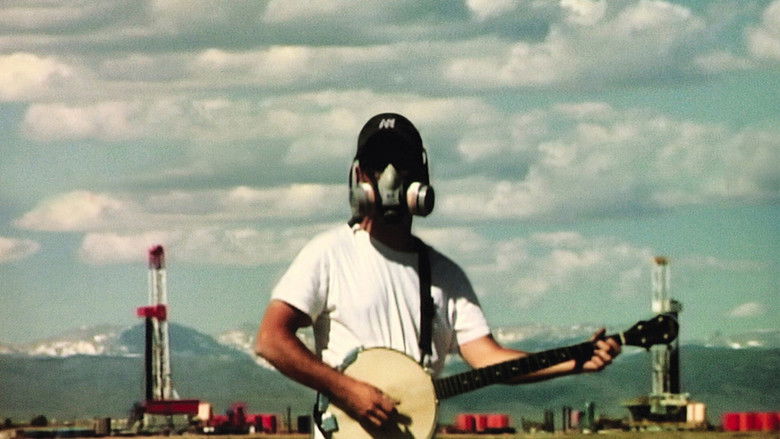
It is happening all across America-rural landowners wake up one day to find a lucrative offer from an energy company wanting to lease their property. Reason? The company hopes to tap into a reservoir dubbed the "Saudi Arabia of natural gas." Halliburton developed a way to get the gas out of the ground-a hydraulic drilling process called "fracking"-and suddenly America finds itself on the precipice of becoming an energy superpower.
One hour documentary about a special group of pacific islanders. The Lapita Navigators. The proud forefathers of many cultures in the tropical Pacific. They are losing their homes and crops because of sea level rise. Their livelihood and culture are dramatically threatened as the islands they live on are flooding day by day. By chance, a sailor, Steve Goodall, came across them on his travels and discovered they knew nothing about the current forecasts for sea level rise. Once informed they asked for his help. The outcome and conclusion of this story will be told in the context of an event celebrating their living culture, a culture at a cross roads of great importance for all of us.
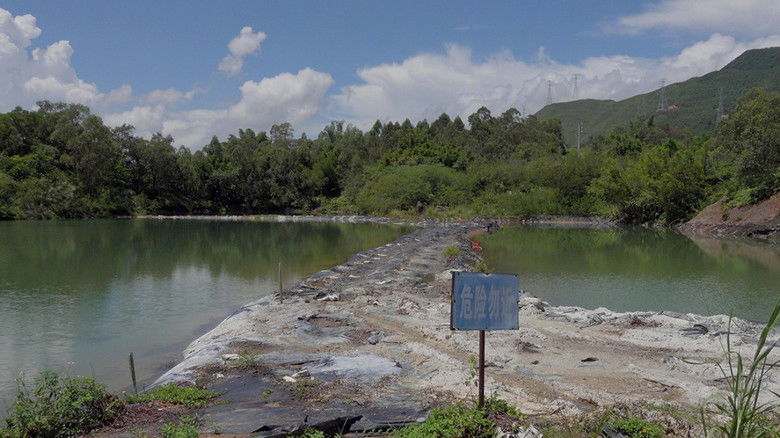
In Guangdong Yangchun, a large number of villagers have been suffering from strokes and cancers after some dangerous heavy metal waste has been illegally discharged in the villages. Artist Nut Brother decides to take action. With his team, he creates a group of Heavy Metal music and plays at sites that have been poluted by heavy metals to raise awareness among the population.
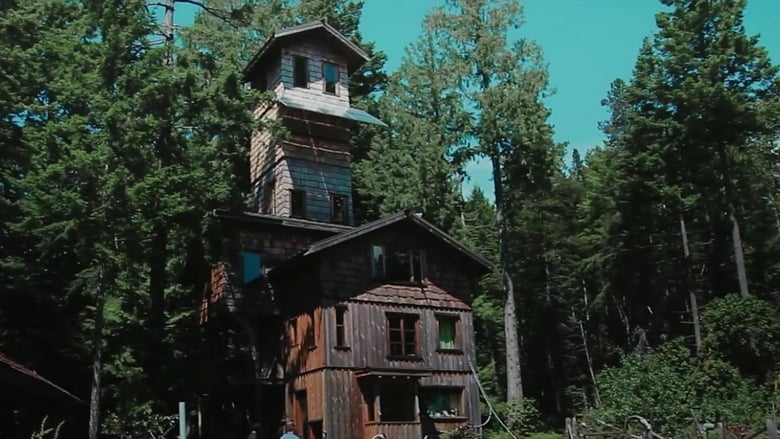
Off-grid is not a state of mind. It is not about being out of touch, living in a remote place, or turning off your mobile phone. Off-grid simply means living without a connection to the electric and natural gas infrastructure. From 2011 to 2013 Jonathan Taggart (Director) and Phillip Vannini (Producer) spent two years travelling across Canada to find 200 off-gridders and visit them in their homes. -
Acid rain, economic development, and a century of mining pollute Rocky Mountain waters.
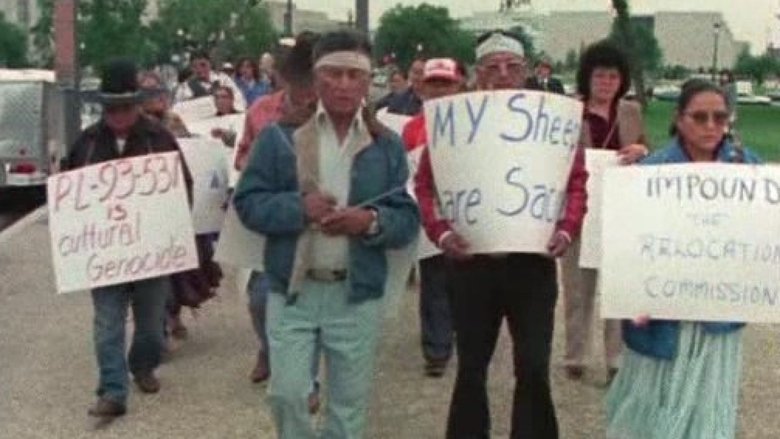
Documentary chronicling the government relocation of 10,000 Navajo Indians in Arizona.
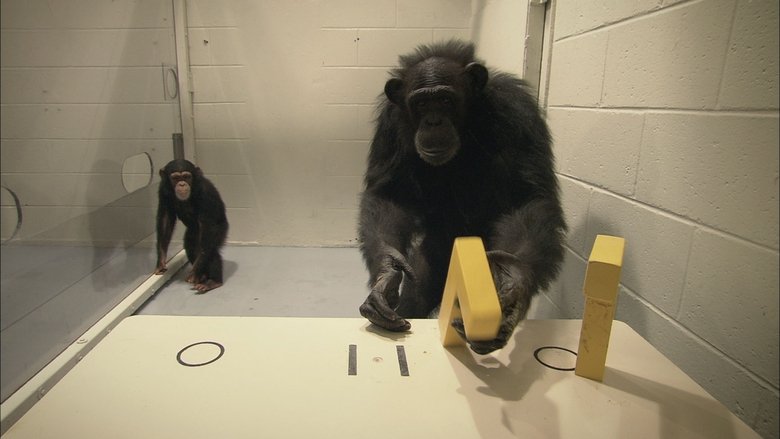
Humanity’s ascent is often measured by the speed of progress. But what if progress is actually spiraling us downwards, towards collapse? Ronald Wright, whose best-seller, “A Short History Of Progress” inspired “Surviving Progress”, shows how past civilizations were destroyed by “progress traps”—alluring technologies and belief systems that serve immediate needs, but ransom the future. As pressure on the world’s resources accelerates and financial elites bankrupt nations, can our globally-entwined civilization escape a final, catastrophic progress trap? With potent images and illuminating insights from thinkers who have probed our genes, our brains, and our social behaviour, this requiem to progress-as-usual also poses a challenge: to prove that making apes smarter isn’t an evolutionary dead-end.

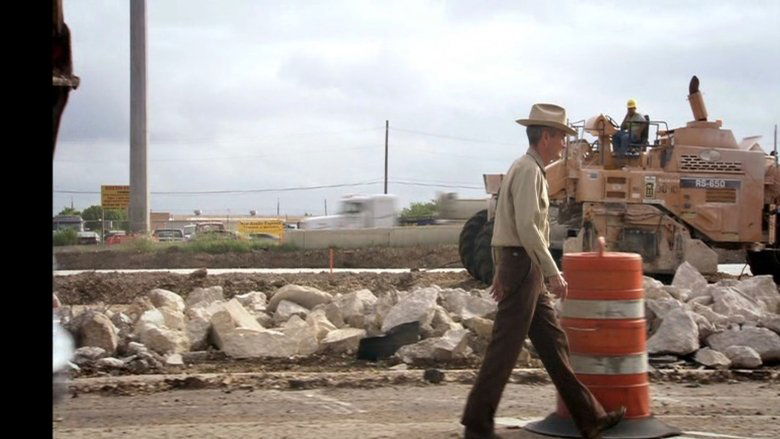
A documentary about the development around Barton Springs in Austin, Texas, and nature's unexpected response to being threatened by human interference.
Documentary on water usage, money, politics, the transformation of nature, and the growth of the American west, shown on PBS as a four-part miniseries.
It's death on an unimaginable scale, when a majority of Earth's species quickly die out. It's called "mass extinction," and it's happened at least five times before. Cataclysms, such as supervolcanoes or asteroids, are thought to cause these events, but some experts believe a manmade mass extinction could be next. Is our planet in trouble? And if so, is there anything we can do to stop the next catastrophic annihilation? Experts are traveling the world, performing groundbreaking scientific detective work to answer these very questions.
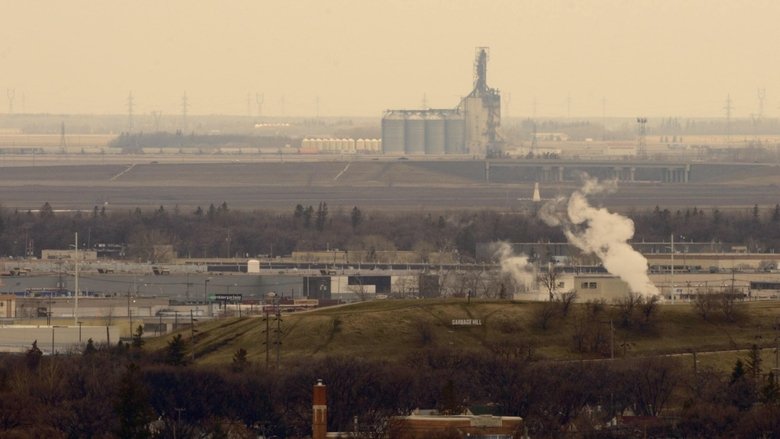
Thursday shot from filmmaker Galen Johnson's high-rise apartment during COVID-19 “lockdown” in Winnipeg, captures people going about their daily routines in the city's eerily empty streets, yards and parking lots, on their balconies and on the riverbanks. The extreme distance and the diminutive scale of humans is paired with sound close-ups—a combination that embodies the strange, heightened intensity of feeling of the time, knowing an era-defining tragedy is happening yet being so physically removed.