
Top billed cast
 Martin HubaBaron Gondremark
 Magda VášáryováKristína
 Milan LasicaRaul de Gardefeu
 Július SatinskýBobinet Chicard
 Marián SlovákJean Frick
 Kamila MagálováGabriela
 Magda PavelekováMadame Quimper-Cárdaque
- Judita VargováMadame Folie-Verdure
 Zdena StudenkováMettela
 Marián LabudaJozef
Similar to Parížsky život
Die Fledermaus (1972)
Witty, fun, intoxicating film of Johann Strauss II's popular operetta, based on a stage production from Vienna State Opera; this is a showcase for the entire cast, but most especially Eberhard Wächter as the insufferably boorish Gabriel Eisenstein, and Gundula Janowitz as his long-suffering wife. Open the champagne, have yourself some torte, and enjoy this delectable comedy from Vienna.
The Land of Smiles (1974)
Lehar's The Land of Smiles touches the heart as it provides unforgetable melodies from start to finish. There are no weak links in the cast. Too often, we think of operetta as musical fluff, tired cliches, and obligatory dance scenes when things start slowing down. Not so in this classic operetta. We feel the pain of loss suffered by the two main characters, who make their roles natural and believable. There is more to this work than "Yours Is My Heart Alone." There is dramatic consistency and people you find yourself caring about as much as the music, the costumes, and the colorful sets.
Der Zarewitsch (1973)
Lehar romantic operetta set in Russia about a beautiful dancer who is set up to attract a tsar's son, and they fall in love. Beautiful settings and wonderful music.
Offenbach: Barbe-Bleue (2019)
Bluebeard, an opéra bouffe by Jacques Offenbach, premiered in Paris in 1866. Directed by Laurent Pelly, the National Opera in Lyon stages this musical comedy about a man suspected of murdering his wives. Hortense Schneider originally played Boulotka, a village girl who reforms Bluebeard. Yann Beuron and Héloise Mas star, with Christophe Gay as the alchemist Popolani.
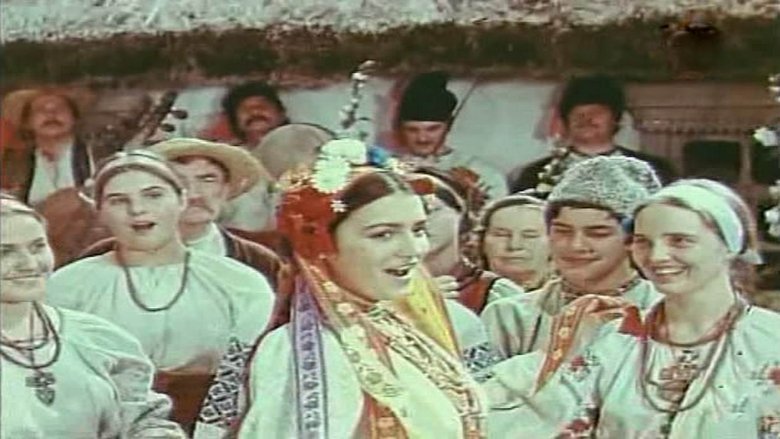
Natalka Poltavka (1978)
An iconic Ukrainian play of the same name meets TV.
Where the Lark Sings (1936)
Country girl Margit sits for the artist Sándor, from Budapest. She is fascinated and charmed by him, and agrees to accompany him to the capital, so he can complete the painting there. Disillusionment sets in, however, when Sándor wins a prize with the finished portrait and loses interest in her. Margit recognizes that her true happiness lies at home, with Pista, her faithful lover.
Hoheit tanzt Walzer (1935)
The young musician and composer Josef lives with Beethoven's music copyist in Grinzing. In the evenings, he plays for dances in the Prater, often his own melodies, although he doesn't make much effort to spread them, as they're almost all waltzes, a dance not well-regarded in high society because they're too sweaty. When one evening a lively princess—fresh from the convent—mingles incognito with the Prater crowd and falls in love with the dashing conductor Josef, an entire cultural system of values begins to crumble.
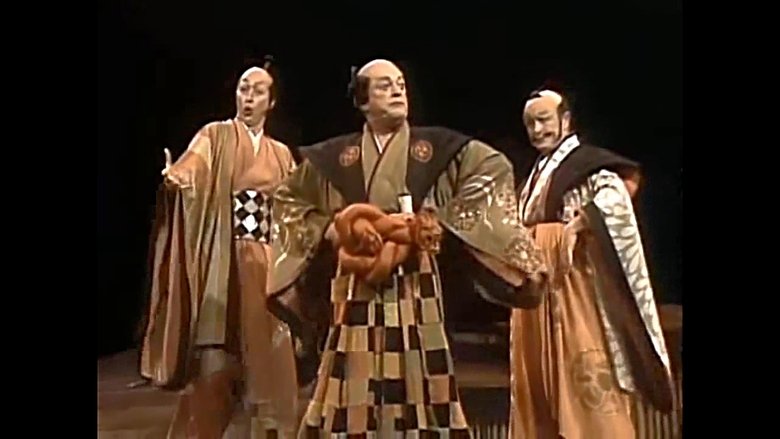
The Mikado (1983)
In a small Japanese town, Ko-Ko is appointed to the unenviable position of executioner. Knowing he must successfully perform before the appearance of the Mikado in a month's time, Ko-Ko finds a suitable victim in Nanki-Poo, who is distraught over his unrequited love for the maiden Yum-Yum. Nanki-Poo agrees to sacrifice his life if he is allowed to spend his remaining days with Yum-Yum, who is betrothed to Ko-Ko. Filmed live from the 1982 Stratford Festival in Ontario.
The Circus Princess (1969)
In this three-act operetta by Hungarian composer Emmerich Kálmán, a dashing and mysterious circus performer is hired by a disappointed suitor of Princess Fedora Palinska to pose as a nobleman and marry her. This 1969 performance was produced for West German television.
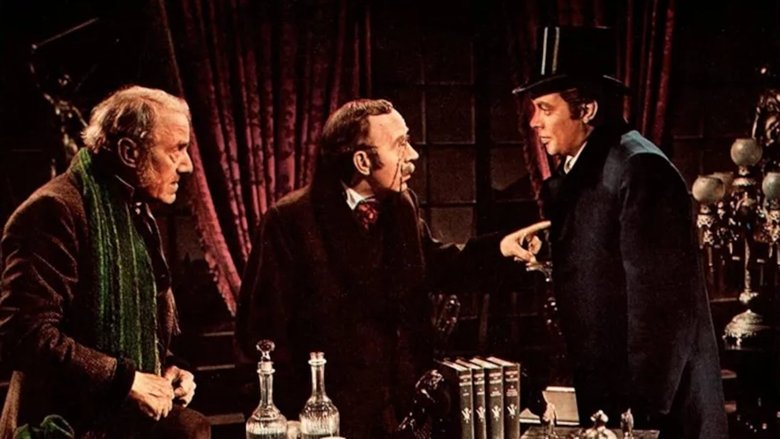
Up in Central Park (1948)
A newspaper reporter and the daughter of an immigrant maintenance man help expose political corruption in New York City.

The Desert Song (1929)
French General Birabeau has been sent to Morocco to root out and destroy the Riffs, a band of Arab rebels, who threaten the safety of the French outpost in the Moroccan desert. Their dashing, daredevil leader is the mysterious "Red Shadow". Margot Bonvalet, a lovely, sassy French girl, is soon to be married at the fort to Birabeau's right-hand man, Captain Fontaine. Birabeau's son Pierre, in reality the Red Shadow, loves Margot, but pretends to be a milksop to preserve his secret identity. Margot tells Pierre that she secretly yearns to be swept into the arms of some bold, dashing sheik, perhaps even the Red Shadow himself. Pierre, as the Red Shadow, kidnaps Margot and declares his love for her.
Bluebeard (1984)
When Barbe-bleue loses his fifth wife, the turbulent Boulotte is selected at random to be the next one. But Barbe-Bleue falls in love with Hermia – who loves the shepherd Saphir – and soon wearies of Boulotte. So, he asks his alchemist to concoct for him an “anti-wife” philtre. But, as on the previous occasions, it is merely a sleeping potion and Boulotte wakes up the other five “dead” wives. They reappear, dressed up as gypsies and bring the truth to light.

Bride of the Regiment (1930)
As they are leaving the church following their wedding, Count Adrian Beltrami and Countess Anna-Marie are told that the Austrians are marching on the town to quell an Italian uprising. The bride and relatives induce the count to flee to his castle, but Tangy, a silhouette cutter, brings word from the revolutionary committee asking him to return; the count goes, asking Tangy to pose as the count and protect Anna-Marie.
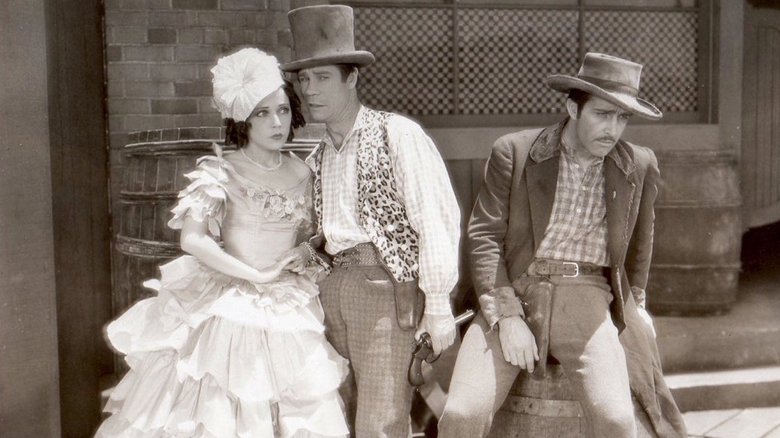
Song of the West (1930)
Captain Stanton, who because of a misunderstanding over a woman with Major Davolo, has been cited for a court martial. As a scout, he is sent to escort a wagon train which is under military escort. It turns out that this escort is his own former regiment. When he meet Davolo, there is another fight and between Stanton and Davolo in which Davolo is killed.
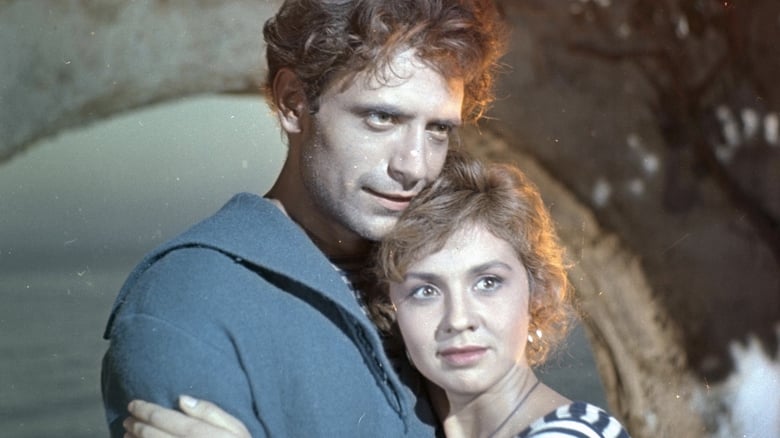
Wind of Freedom (1961)
Based on the operetta of the same name by Isaak Dunayevsky. The port town of one of the small southern countries. After the Nazi occupiers left, the port's berths were empty, the steamers did not smoke, cargo cranes stood. Fearing retaliation for collaborating with enemies, port owner Georg Stan fled the city. After waiting a while and securing the support of local authorities, Stan nonetheless returns - and loading operations begin in the port. While loading oranges, the sailor Yango and the beautiful Stella are preparing for the wedding. Suddenly, Stan makes a proposal to the girl and tricks her into agreeing. Upon learning of the deception, the girl runs away to Yango. Having discovered weapons intended to support fascism in the drawer of the hold, the heroes do everything possible to make the boxes fall to the bottom of the sea.
Gypsy Princess (1971)
Kálmán Imre's beloved operetta comes to the screen in this comedy of music, marriage and class set in Budapest and Vienna before the outbreak of the First World War, recorded at the Budapest Opera in 1963.
Natalka Poltavka (1936)
The trials and tribulations of Natalka and Petro. The sweethearts plan to get married, however, Natalka's father does not approve of the marriage because Petro's not affluent enough to keep Natalka in the manner he thought that she should be kept. Petro goes off to earn the required fortune. With no news from Petro for five years, Natalka succumbs to her mother's wishes and finally accepts her next offer of marriage, which happens to come from an old, but relatively wealthy government official.