
Rendezvous Canada, 1606 (1988)
The dramatic story of two youths--one French and one Indigenous--who share a pivotal time in Canada's history: the first contact between European and First Nations peoples.
The dramatic story of two youths--one French and one Indigenous--who share a pivotal time in Canada's history: the first contact between European and First Nations peoples.
Jason NicholasAndasheeJames AntoneOchasteguinRobert SpenceIroquetEmily NicholasGrandmotherGérald CormierCharles de Biencourt de Saint-JustJean Douglas ComeauJean de Biencourt de Poutrincourt et de Saint-JustWayne MelaçonSamuel de ChamplainRichard McEwenMembertouKennetch CharletteAndashee (voice)Phil ComeauBiencourt (voice)
In the 19th century a mysterious woman named Adele H. crosses the ocean, from Europe to North America, to relentlessly pursue an handsome officer that denies her satisfaction.
A group of historians and archaeologists prepare a Tudor feast as it would have been over 400 years ago, including the use of period clothes, recipes from the era, food sourced from the land and the absence of modern conveniences.
Filmed on location in Saskatchewan from the Qu'Appelle Valley to Hudson Bay, the documentary traces the filmmaker's quest for her Native foremothers in spite of the reluctance to speak about Native roots on the part of her relatives. The film articulates Métis women's experience with racism in both current and historical context, and examines the forces that pushed them into the shadows.
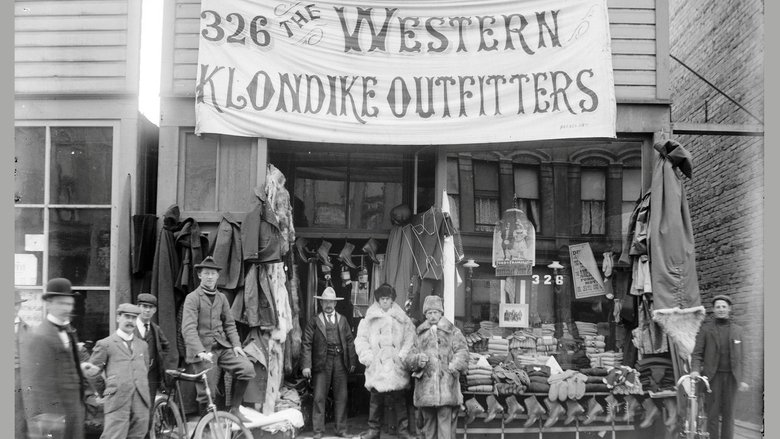
Renowned as the richest gold strike in North American mining history, the Klondike Gold Rush (1896-1899) set off a stampede of over 100,000 people on a colossal journey from Alaska to the gold fields of Canada's Yukon Territory. Filled with the frontier spirit, prospectors came and gave rise to what was one of the largest cities in Canada at that time - Dawson City. The boomtown, which became known as "the Paris of the North", earned the reputation as a place where lives could be revolutionized. Brought to life with excerpts from the celebrated book The Klondike Stampede - published in 1900 by Harper's Weekly correspondent Tappan Adney - and featuring interviews with award-winning author Charlotte Gray, and historians Terrence Cole and Michael Gates, The Klondike Gold Rush is an incredible story of determination, luck, fortune, and loss. In the end, it isn't all about the gold, but rather the journey to the Klondike itself.
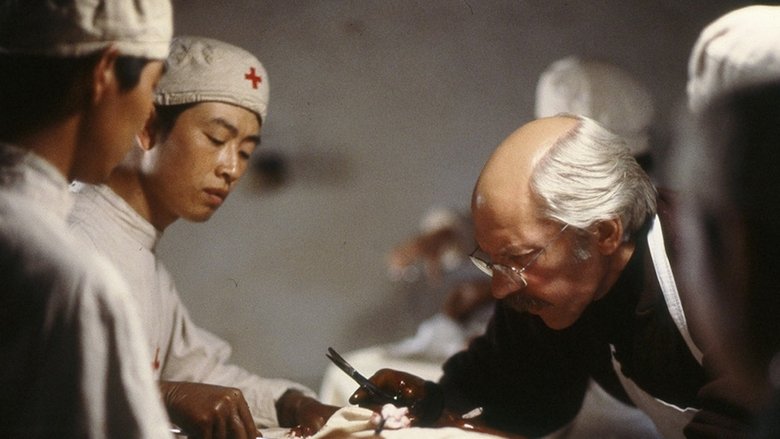
True story of Norman Bethune, a medical doctor who fought for justice in China during Mao's rise to power.
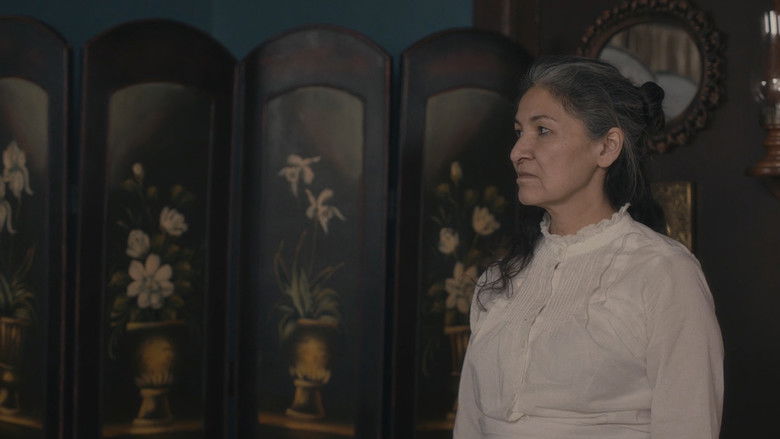
Already a successful portrait photographer, Hannah sets to reinvent this art form. Abandoning herself to a creative process that might easily be mistaken for madness, she's soon visited by mirror images of herself, as well as her daughter's ghost. Inspired by the life of photographer Hannah Maynard (1834-1918).
In this reenactment of a propaganda documentary, a woman is falling prey to the role assigned to her in slow motion. Upon her arrest, diplomat Mária Kerényi is interviewed by the state television. Her story in espionage confronts the mechanisms of autocracy and the concept of guilt in a closed society.
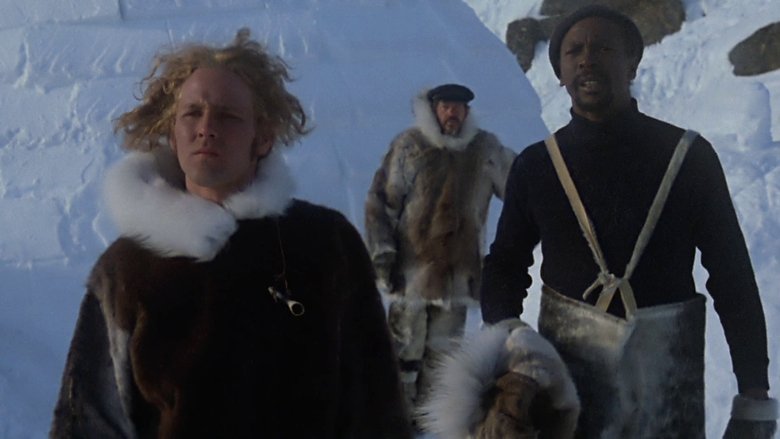
In 1896, three survivors of a whaling ship-wreck in the Canadian Arctic are saved and adopted by an Eskimo tribe but frictions arise when the three start misbehaving.
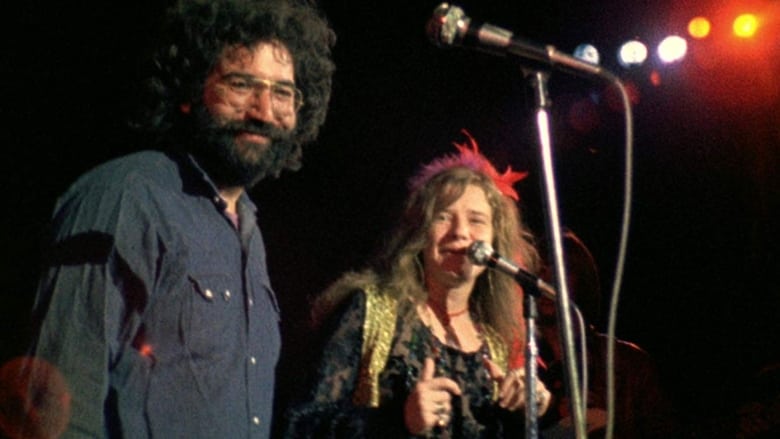
The filmed account of a large Canadian rock festival train tour boasting major acts. In the summer of 1970, a chartered train crossed Canada carrying some of the world's greatest rock bands. The Grateful Dead, Janis Joplin, The Band, Buddy Guy, and others lived (and partied) together for five days, stopping in major cities along the way to play live concerts. Their journey was filmed.
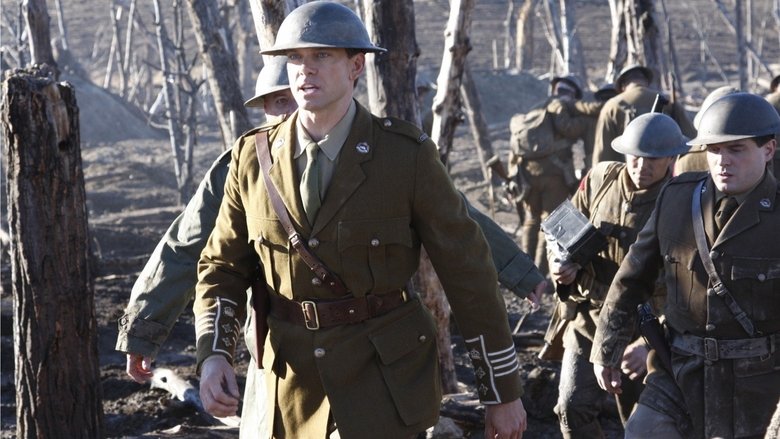
Sergeant Michael Dunne fights in the 10th Battalion, AKA The "Fighting Tenth" with the 1st Canadian Division and participated in all major Canadian battles of the war, and set the record for highest number of individual bravery awards for a single battle
Set in 1815, this is the dramatic story of a child of the fur trade, son of a Native mother and a Scottish-Canadian fur trader. John Mackenzie's father is a wintering partner of the Montréal-based North West Company, which was for decades the wealthiest merchant enterprise in North America. To mark his entry into adulthood, twelve-year-old John is travelling for the first time to Fort William, the Company's lavish winter headquarters by Lake Superior. In following his journey, the film reveals the complex network of people--Scottish, French and Native Canadian--that made up fur-trading society and gave a unique flavor to the opening up of Canada's northwest.

Terry Wilson is a 70-year-old lifelong resident of Meadowvale Village, Ontario's first heritage district. As development looms and begins to destroy Terry's favourite place in the world, he recreates pieces of history in his backyard, crafting an oasis where it feels like nothing has changed. A beautiful tribute to his childhood, his mother, and his town, Terry passionately fights to preserve history in a world that's too anxious for change.
This short film recreates the story of David Thompson – a man who, over the course of his lifetime, mapped a-million-and-a-half square miles of uncharted territory. His achievement remains unsurpassed.
For Alexander Galt it was the middle of the road, until he saw some hope for his dream of a united Canada. What was he like, this stubborn idealist? How did he measure up to other political strongmen of his time? In this film you sense the personal clashes and the interplay of political ambitions that left their mark on history.
In 79 AD, one of the infamous natural disasters in human history occurred when Mount Vesuvius erupted. With speculative dramatizations of various inhabitants' final hours along with detailed documentation of the known facts concerning the eruption, the horrific day is vividly brought to life.
A view of the life and works of the late Alex Colville, the celebrated Canadian painter. Shows the influence on his life and works of his experience as an artist during World War II, and of his relationship with his wife, Rhoda. Friends and critics speak of the construction and sense of menace in his work, and Colville comments on his sense of order, goodness, and contingency.
This short film tells the story of Lord Elgin, a man’s whose faith in a nation’s right to self-determination was stronger than the threat of the mob or his own fear of failure. Successor to Lord Durham, he established the principles on which Canadian government stands today.
This short film realistically portrays the conflict Henry Hudson experienced when he went in search of an open water route to the Orient, and no one would follow him. What he discovered instead was an inland sea, a discovery that ended in tragedy.
The Nazi death camp at Sobibor was created solely for the mass extermination of Jews. But on October 14, 1943 the inmates fought back, in the biggest and most successful prison outbreak of the Second World War. Of the 600 inmates present on the day of the escape, 300 escaped. Around 50 survived the war and of that 50, only a handful are still alive. This is their last chance to reveal the true story of their escape.