
Lotoko (2023)
Short ethnographic documentary showing a leopard dance based upon footage shot by director Luc de Heusch in Congo in 1954 reassembled by Damien Mottier (Université Paris Nanterre) and Grace Winter (CINEMATEK).
Short ethnographic documentary showing a leopard dance based upon footage shot by director Luc de Heusch in Congo in 1954 reassembled by Damien Mottier (Université Paris Nanterre) and Grace Winter (CINEMATEK).
An ethnographic documentary following four Ju/’hoansi (!Kung) men during a multi-day giraffe hunt in the Kalahari Desert, filmed during the Smithsonian–Harvard Peabody expedition of 1952–53.
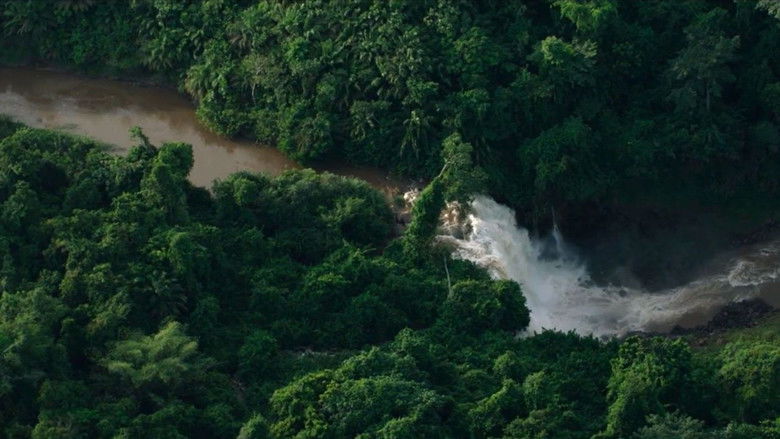
Early Mondo film featuring primitive rituals, animals being butchered, unusual birth defects, and a legit trepanation scene.
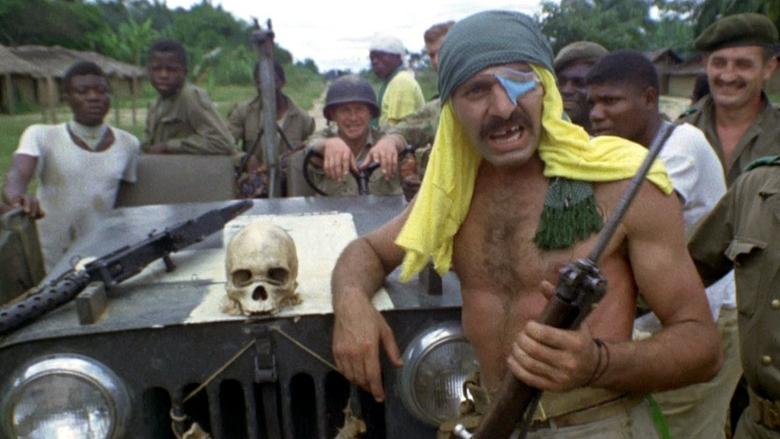
A chronicle of the violence that occurred in much of the African continent throughout the 1960s. As many African countries were transitioning from colonial rule to other forms of government, violent political upheavals were frequent. Revolutions in Zanzibar and Kenya in which thousands were killed are shown, the violence not only political; there is also extensive footage of hunters and poachers slaughtering different types of wild animals.
'Mod' is an attempt by the filmmaker at communicating with the young men who hang out at the ‘notorious’ water tank in her neighbourhood in Pratap Vihar, Ghaziabad. The water tank is a space that is frequented by the so-called ‘no-gooders’ of the locality, a place where they play cricket, play cards, drink and smoke up. When she enters the space with her camera, the boys are curious and at the same time wary of it and her. They sometimes resist, sometimes protest, and at times, open up. As the film unfolds we get a hint of the lives the boys lead and the fragile world they create for themselves at the water tank.
The modern history of the Congo, the heart of Africa, is a terrifying tale of appalling brutality: how the greedy and incredibly ruthless King Leopold II of Belgium (1935-1909) turned a vast country into his private estate (1885-1908) and how he plundered the land and raped the bodies and souls of its defenceless inhabitants, causing countless victims; and what exactly is the true impact of this often forgotten story of crime and horror today.
As if they were showing their film to a few friends in their home, the Johnsons describe their trip across the world, which begins in the South Pacific islands of Hawaii, Samoa, Australia, the Solomons (where they seek and find cannibals), and New Hebrides. Thence on to Africa via the Indian Ocean, Suez Canal, North Africa, and the Nile River to lion country in Tanganyika. (They are briefly joined in Khartum by George Eastman and Dr. Al Kayser.) Taking a safari in the Congo, the Johnsons see animals and pygmies, and travel back to Uganda, British East Africa, and Kenya.
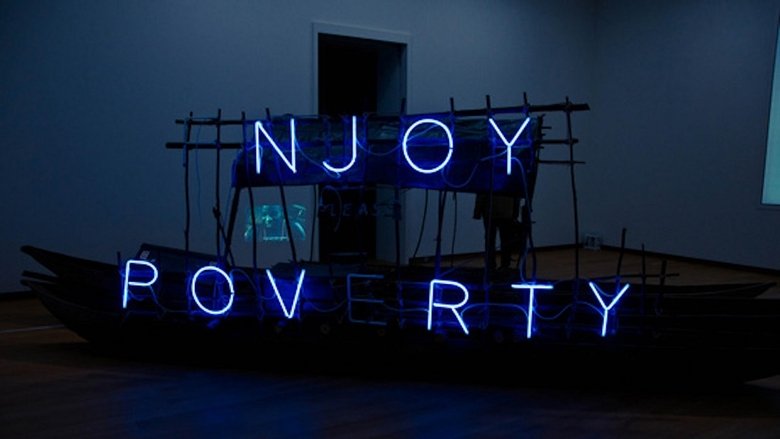
An investigation of the emotional and economic value of Africa's most lucrative export: filmed poverty. Deep in the interiors of the Congo, Dutch artist Renzo Martens single-handedly undertakes an epic journey and launches an emancipatory program that helps the poor become aware of what is their primary capital resource: Poverty. After three years of traveling through the Democratic Republic of the Congo he asks the question: "Who owns poverty?
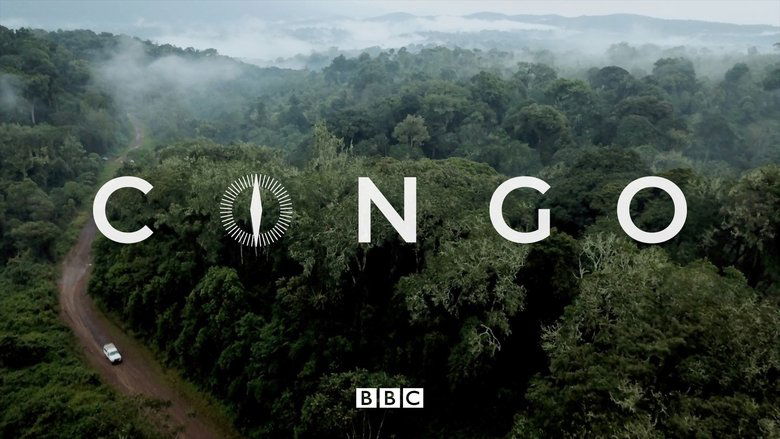
The Democratic Republic of the Congo is a vast, mineral rich country the size of Western Europe. Alastair Leithead takes an epic journey from the Atlantic Ocean to the far reaches of the Congo river to explore how history has shaped the Congo of today and uncover the lesser told stories of this beautiful, if troubled country. In the largest rainforest outside of the Amazon he comes face to face with its gorillas and hunts with pygmies, he travels into the heart of the Ebola outbreak with United Nations peacekeepers, and explores the cobalt mines which will drive our electric cars of the future.
A visual travel diary on the expedition led by Brondeel in 1934. This expedition to Belgian Congo, by truck, became a testimony to the social conditions of Africans during the colonial era.
Over 6,000 men served and 19 fell in the Congo Battalion (1960-64), Sweden's most dramatic and contentious UN operation. Many of the participants have borne the experience as a lifelong, well-hidden trauma. A visit to the Congo after fifty years causes some of them to finally open up and tell the things that they haven't even been able to say to their closest family.
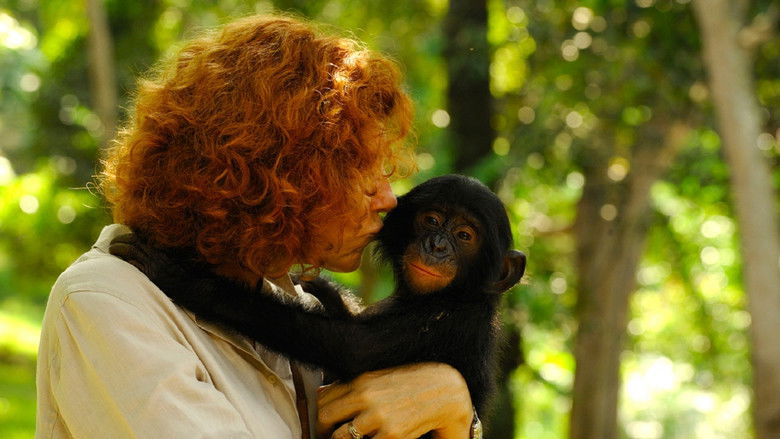
The critically important work by renowned naturalist Claudine Andre to save the endangered bonobo apes of the Congo is presented in this visually stunning feature film.
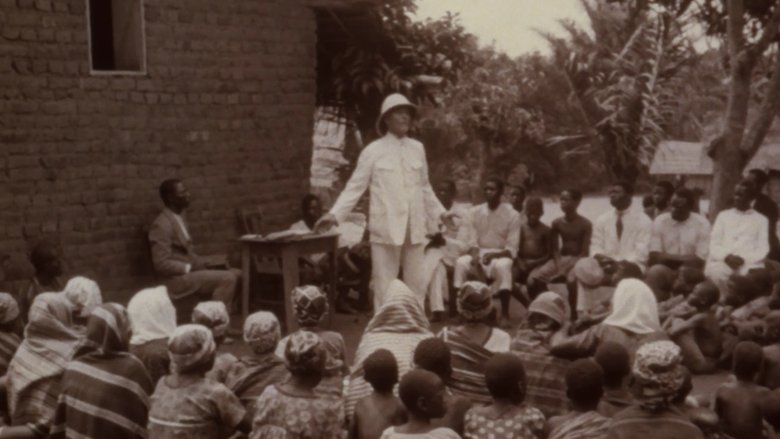
Sven Nykvist, best known as Ingmar Bergman cinematographer, made this film as a tribute to his father who was a missionary in Kongo in the early 20th century. The story of his father Gustav Natanael Nykvist is told through his own photos, letters, and films. Director & cinematographer: Sven Nykvist. Narrators in the English dubbed version: Liv Ullmann & Sean Connery. Produced by Ingmar Bergman (Cinematograph AB). Digitally restored in 2022.
As retailers, wholesalers, and negotiators, Asante women of Ghana dominate the huge Kumasi Central Market amid the laughter, argument, colour and music. The crew of this `Disappearing World' film have jumped into the fray, explored, and tried to explain the complexities of the market and its traders. As the film was to be about women traders, an all female film crew was selected and the rapport between the two groups of women is remarkable. The relationship was no doubt all the stronger because the anthropologist acting as advisor to the crew, Charlotte Boaitey, is herself an Asante. The people open up for the interviewers telling them about their lives as traders, about differences between men and women, in their perception of their society and also about marriage.
In June 2010, French actress Marion Cotillard spent a week in the heart of the tropical forests of the Democratic Republic of Congo with members of Greenpeace France and Greenpeace Africa. She delivers in video a strong testimony on the looting of Congolese forests which benefits a few industrial groups, often European.
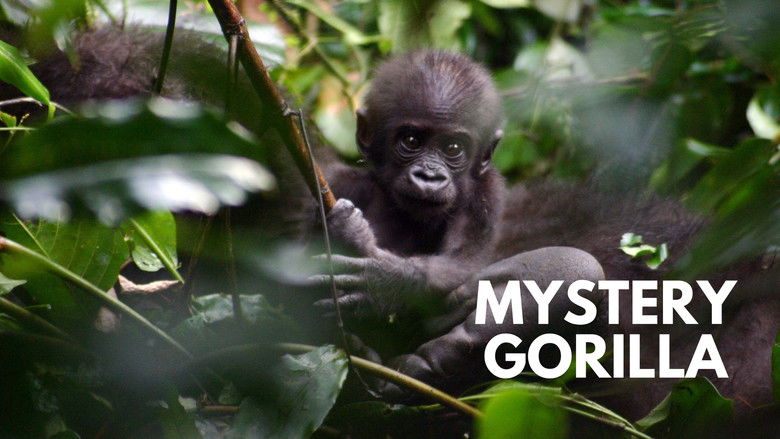
In 2007, scientists from the Wildlife Conservation Society discovered there were an estimated 125,000 western lowland gorillas living in the remote forests of northern Congo. This find offers another chance to protect this endangered great ape and a first look at some unprecedented behaviour – including a knack for using tools. Now primatologist and National Geographic explorer Mireya Mayor ventures into the heart of the jungle to explore the great apes’ secret world. She gets a rare and intimate look into the family life of one gorilla group and witnesses individuals performing feats unexpected in the wild. Spectacularly photographed and featuring new scientific insight, Mystery Gorilla presents startlingly familiar animals like you’ve never seen them before.
John Bishop encounters one of the most endangered animals on Earth, and discovers they and his family have more in common than he ever imagined. Filming in the jungles of Rwanda for John Bishop’s Gorilla Adventure, the comedian realises adolescent male mountain gorillas are just like his teenage sons – bulging muscles but no sense. Plus they fart, flirt and pick their noses. We follow John as he joins a group of vets who have dedicated their lives to saving the, sadly, precious few mountain gorillas left in the wild rugged mountains and valleys between the borders of Rwanda, Congo and Uganda, which were made famous to UK viewers by David Attenborough’s iconic sequence filmed among them in the 1970s.
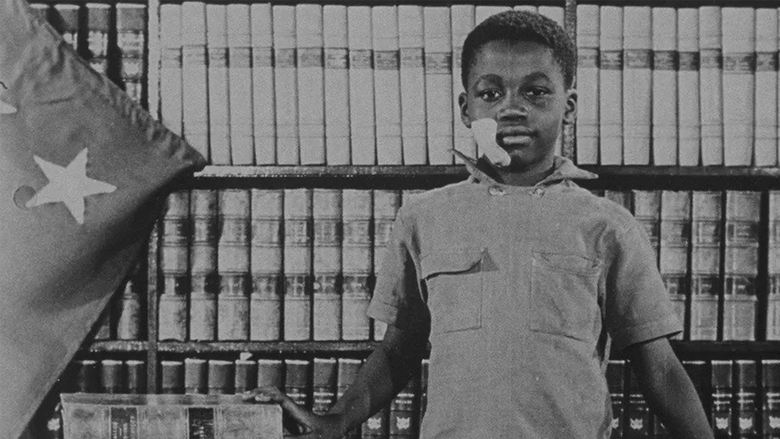
Documentary about African political leader Patrice Lumumba, who was Prime Minister of Zaire (now Congo) when he was assassinated in 1961.
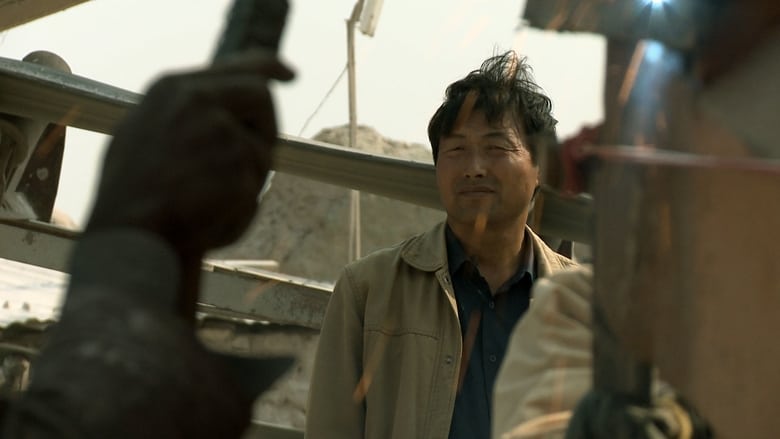
Lao Yang is head of logistics of the group. He is responsible for the equipment, building materials and food (mainly chickens) to arrive in the isolated Chinese prefab camp. The Congolese government was supposed to deliver these things but so far the team hasn't received anything. With Eddy (a Congolese man who speaks Mandarin fluently) as an intermediate, Lao Yang is forced to leave the camp and deal with local Congolese entrepreneurs, because without the construction materials the road works will cease. What follows is an endless, harsh, but absurdly funny roller coaster of negotiations and misunderstandings, as Lao Yang learns about the Congolese way of making deals.
David and Judith MacDougall are exploring the marriage rituals and roles of Turkana women in this ethnographic documentary. The film's biggest part is taken up by talks between the Turkana people. As one of the first ethnographic documentaries "A Wife Among Wives" subtitles these talks so that the viewer can get a better and probably more personal understanding of the life of the Turkana.