
Frank Zappa: The Present-Day Composer Refuses To Die (2000)
Frank Zappa: The Present-Day Composer Refuses To Die is a 2000 documentary about Frank Zappa.
Frank Zappa: The Present-Day Composer Refuses To Die is a 2000 documentary about Frank Zappa.
Gail ZappaSelfTom FowlerSelf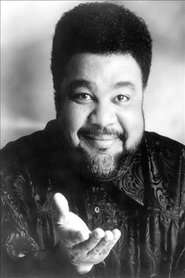 George DukeSelf
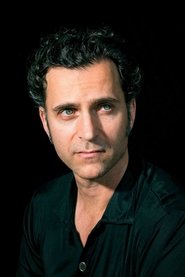 Dweezil ZappaSelfJoe TraversSelfBruce FowlerSelf
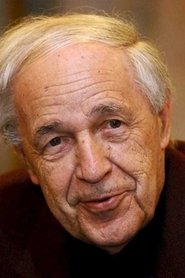 Pierre BoulezSelfTodd YvegaSelfAli N. AskinSelf
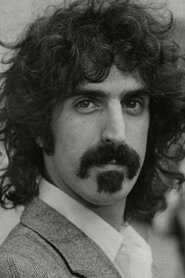 Frank ZappaSelf (archive footage)
Renowned artist Krzysztof Wodiczko creates powerful responses to the inequities and horrors of war. This in-depth investigation into the artist focuses on the recurring themes of war, trauma, and displacement in his work. An instigator for social change, Wodiczko’s powerful art interventions disrupt the valorization of state-sanctioned aggression.
This 56-minute documentary on America's most controversial and unique composer manages to cover a great many aspects of Cage's work and thought. His love for mushrooms, his Zen beliefs and use of the I Ching, and basic bio details are all explained intelligently and dynamically. Black Mountain, Buckminster Fuller, Rauschenberg, Duchamp are mentioned. Yoko Ono, John Rockwell, Laurie Anderson, Richard Kostelanetz make appearances. Fascinating performance sequences include Margaret Leng-Tan performing on prepared piano, Merce Cunningham and company, and performances of Credo In Us, Water Music, and Third Construction. Demystifies the man who made music from silence, from all sounds, from life.
Man Ray, the master of experimental and fashion photography was also a painter, a filmmaker, a poet, an essayist, a philosopher, and a leader of American modernism. Known for documenting the cultural elite living in France, Man Ray spent much of his time fighting the formal constraints of the visual arts. Ray’s life and art were always provocative, engaging, and challenging.
Studio documentary about the making of the 2001 album 'Blackwater Park'.
A film in which the one 60-story skyscraper that soars in the spaces between roofs spins with incredible speed. I centered the circumference with its 400 or 500 meter radius on the skyscraper and divided it into 48 sections, then took photographs from those spots and shot the photographs frame by frame.
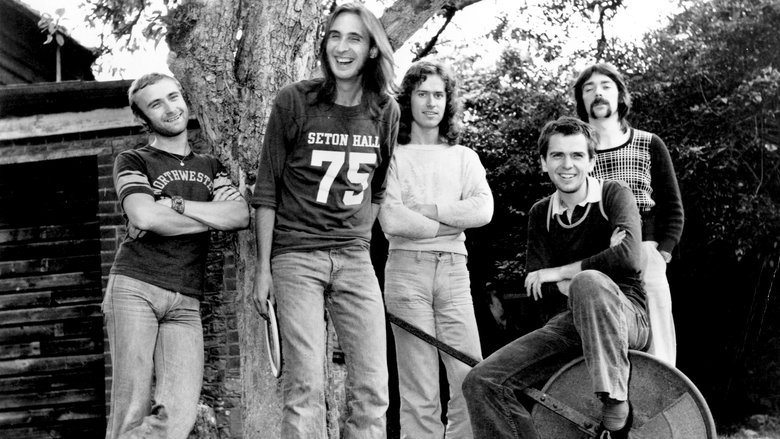
A feature-length documentary about one of the most successful British bands in rock music. The film recounts their extraordinary musical story, exploring the songwriting and the emotional highs and lows.

A day in the city of Berlin, which experienced an industrial boom in the 1920s, and still provides an insight into the living and working conditions at that time. Germany had just recovered a little from the worst consequences of the First World War, the great economic crisis was still a few years away and Hitler was not yet an issue at the time.
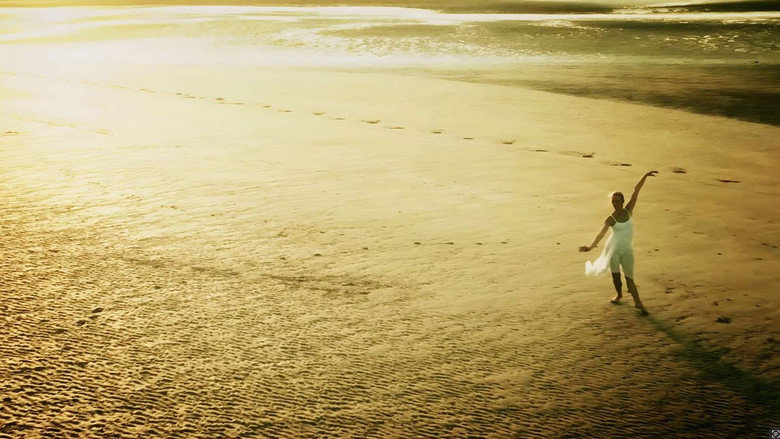
In 2025, we celebrate the 100th anniversary of the death of Erik Satie, father of minimalist music. His texts, brimming with humor and despair, and rare archives of his fellow travelers, tell the story of a man filled with doubt, a composer ferociously ahead of his time. His pieces continue to inspire even the most avant-garde artists.
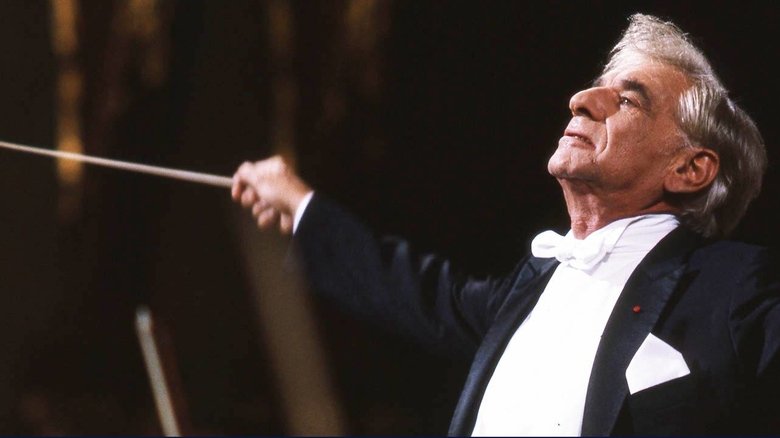
One of the first US born conductors to receive worldwide fame, Leonard Bernstein is an exceptional composer and certainly not only due to The West Side Story. Instead of concentrating exclusively on his most famous work, Thomas von Steinaecker sets out to paint a complete picture of Bernstein. Thus, the documentary focusses on the American’s less known later works and on three compositions in particular: his Mass, the musical 1600 Pennsylvania Avenue and the great final opera A Quiet Place. The film paints a vivid picture of the multitalented Bernstein, struggling with his role as composer and conductor, tackling the tension between successes and flops, between the politics of his time and his own liberal humanitarian claim. It looks back on Bernstein’s major achievements, such as his acclaimed conducting of Mahler and his involvement in the Young People’s Concerts, and it shows Bernstein’s work with young aspiring musicians as well as his political commitment.
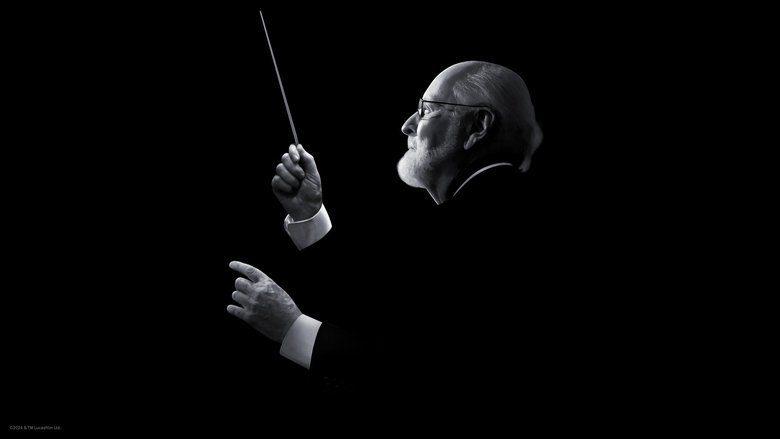
His unforgettable scores are an essential part of some of the most beloved movies of our time, over a career that spans decades. See and hear maestro John Williams' own story, with insights from filmmakers, musicians, and others he has inspired, complete with rare behind-the-scenes looks at the making of movie history.
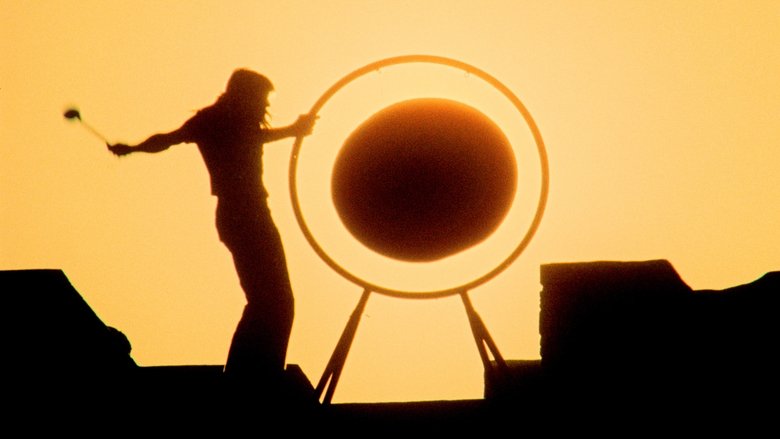
British progressive rock band Pink Floyd perform at the ancient Roman Amphitheater in the ruins of Pompeii, Italy in 1971. Although the band perform a typical live set from the era, there is no audience beyond the basic film crew.

An anthology of one-minute films created by 51 international filmmakers on the theme of the death of cinema. Intended as an ode to 35mm, the film was screened one time only on a purpose-built 20x12 meter public cinema screen in the Port of Tallinn, Estonia, on 22 December 2011. A special projector was constructed for the event which allowed the actual filmstrip to be burnt at the same time as the film was shown.
A small portrait of the volatility of intimacy and of breaking free from abusive cycles: made in response to a year of collapsing relationships and violent accidents that left me broken, dislocated and stuck in my apartment.
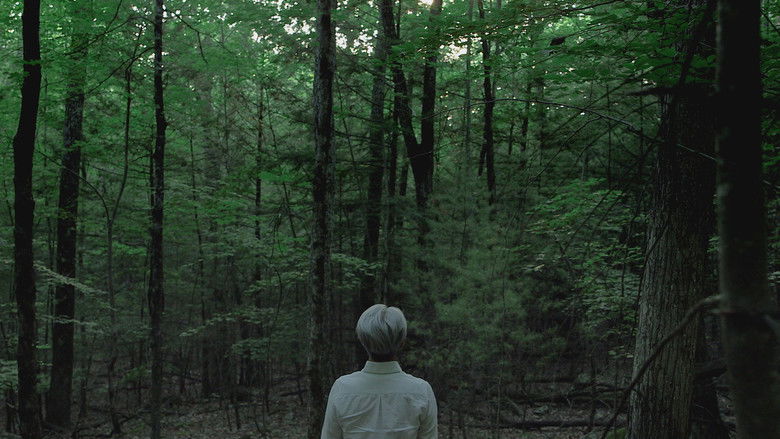
Oscar-winning composer Ryuichi Sakamoto weaves man-made and natural sounds together in his works. His anti-nuclear activism grew after the 2011 Fukushima disaster, and his career only paused after a 2014 cancer diagnosis.
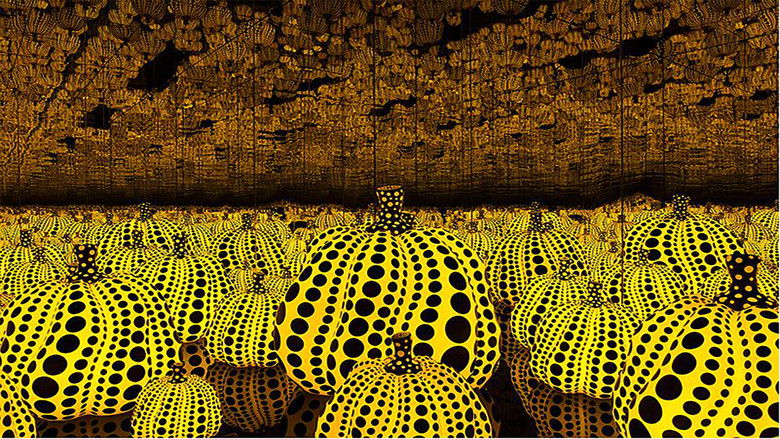
Captures the avant-garde artist Yayoi Kusamas creative process as she diligently works to complete her series of 50 large monochrome drawings. As her work comes to life, one can witness the essence of her art as it wells up in the conflict between life, death, and love.
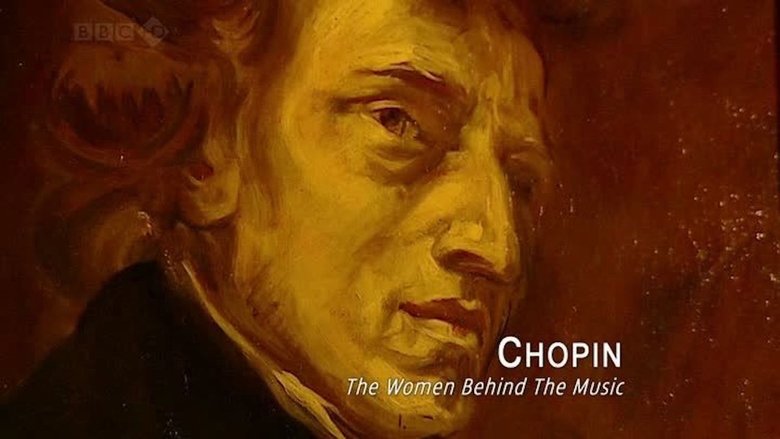
Documentary about the life of the great pianist and composer Chopin and the story of the women whose voices inspired his music. It is undeniable that Chopin revolutionised the nature of music composed for the piano both technically and emotionally. What is less well known is that the actual musical instrument that provided his greatest source of inspiration was the female voice.
A city symphony of kinetic movement in the concrete jungle. A cacophony of textures, layers and surfaces moving in unison and discord yearning for an open horizon.
Michel Legrand, jazz musician and composer extraordinaire, has left his mark on the history of cinema, including the films of Jacques Demy, especially The Umbrellas of Cherbourg, the 60th anniversary of which is being celebrated in Cannes. Using never-before-seen archives and personal accounts, the film looks back on a lifetime dedicated to music, and the career of a man who served it masterfully to the very end.
Interview with the italian composer Claudio Gizzi about his lifetime and work as part or the extras of the Blu-Ray edition from What? (Che?) (1972) from Roman Polanski