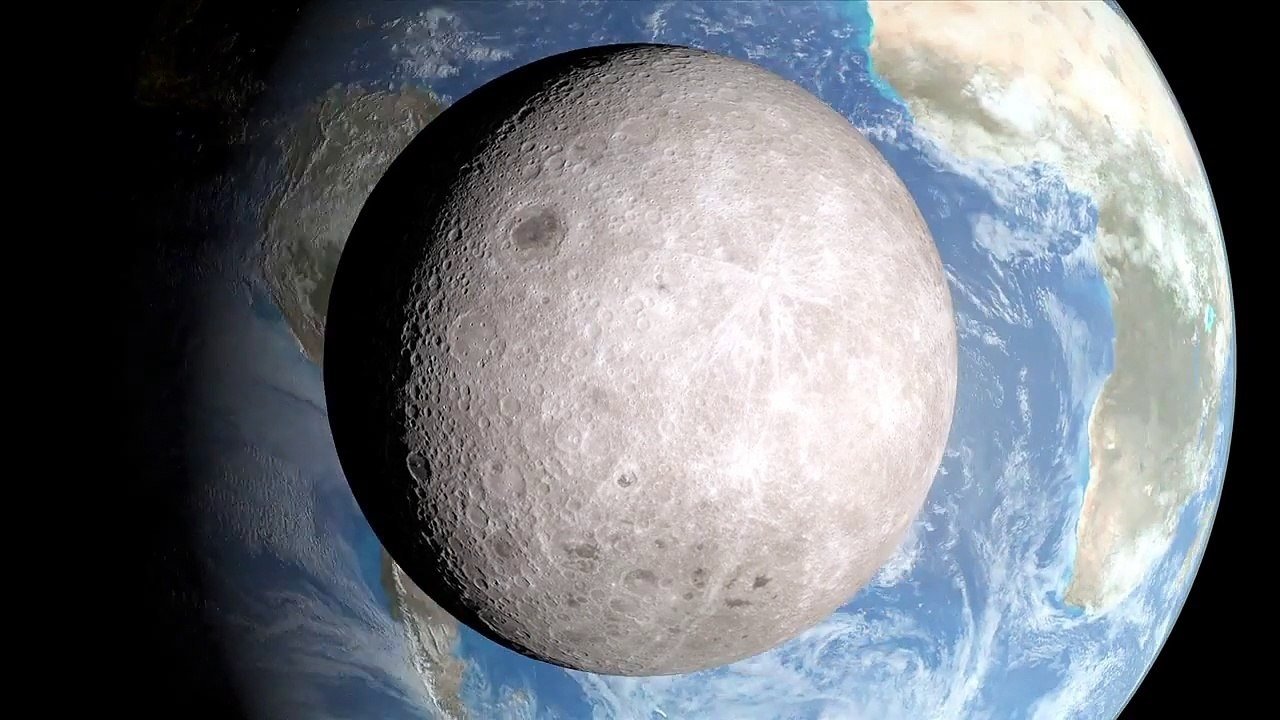
Similar to De l'autre coté de la lune

Pompeii: Secrets of the Dead (2019)
Forensic experts scan Pompeii’s victims to investigate why they didn’t escape the eruption.
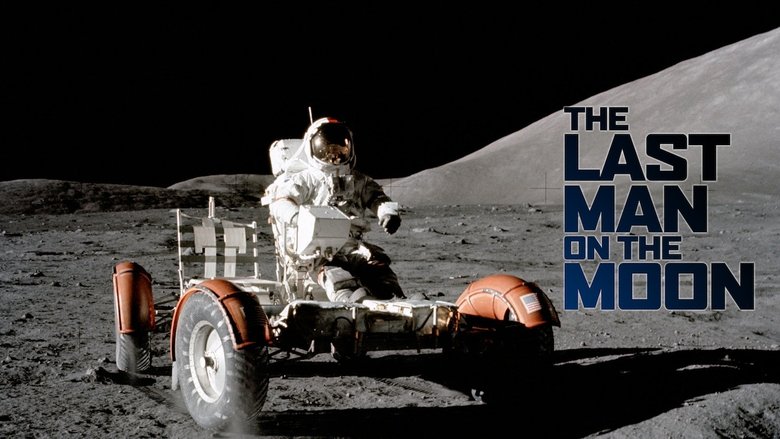
The Last Man on the Moon (2016)
The 1960s was an extraordinary time for the United States. Unburdened by post-war reparations, Americans were preoccupied with other developments like NASA, the game-changing space programme that put Neil Armstrong on the moon. Yet it was astronauts like Eugene Cernan who paved the uneven, perilous path to lunar exploration. A test pilot who lived to court danger, he was recruited along with 14 other men in a secretive process that saw them become the closest of friends and adversaries. In this intensely competitive environment, Cernan was one of only three men who was sent twice to the moon, with his second trip also being NASA’s final lunar mission. As he looks back at what he loved and lost during the eight years in Houston, an incomparably eventful life emerges into view. Director Mark Craig crafts a quietly epic biography that combines the rare insight of the surviving former astronauts with archival footage and otherworldly moonscapes.
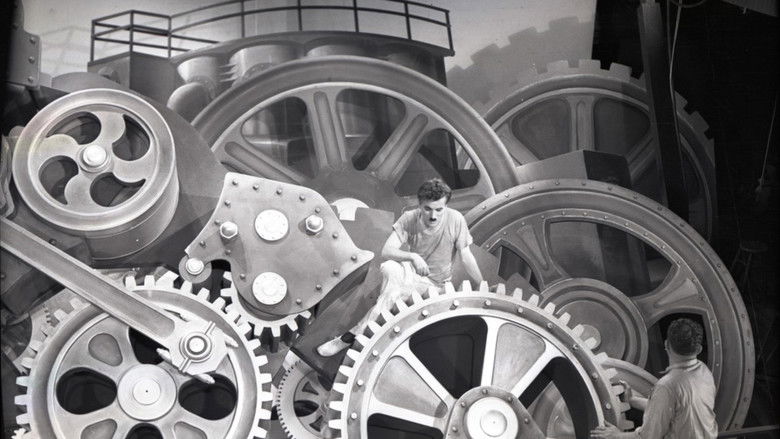
Chaplin et Les temps modernes, La voie du silence (2025)
In 1936, the sound film had already been around for a decade. Nevertheless, Charlie Chaplin (1889-1977) made another silent film, "Modern Times", which only used sound effects as a dramaturgical device. Speaking is reserved for the apparatus alone. The film became a monument in the history of cinema for this very reason.
Moon Landing: The Lost Tapes (2019)
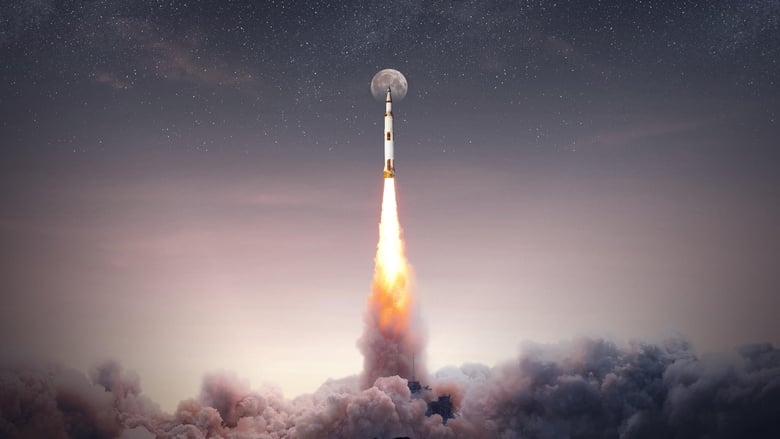
On July 16, 1969, the world watches as the three Apollo 11 astronauts attempt the impossible: to ride a controlled explosion off Planet Earth, land on another celestial body and return home. As the nine-day mission proceeds, audio from mission control captures the drama as it unfolds—each moment revealing new dangers, new decisions and new wonders. For the first time on television, this documentary utilizes “lost tapes” of the astronauts, recorded before and after the mission, along with rare film and photos. The documentary reveals the doubts and fears of the astronauts as they stand on the brink of history. The mission was nearly aborted twice, as the crew faced a mysterious alarm sounding in the spacecraft, and when fuel levels ran dangerously low. On the 50th anniversary of NASA’s most audacious achievement, Moon Landing: The Lost Tapes reveals the incredible true story of mankind’s greatest leap.


Unconquered: Allan Houser and the Legacy of One Apache Family (2008)
In decades past, Native American artists who wanted to sell to mainstream collectors had little choice but to create predictable, Hollywood-style western scenes. Then came a generation of painters and sculptors led by Allan Houser (or Haozous), a Chiricahua Apache artist with no interest in stereotyped imagery and a belief that his own rich heritage was compatible with modernist ideas and techniques. Narrated by actor Val Kilmer and originally commissioned as part of an exhibit of Houser’s work at the Oklahoma History Center, this program depicts the artist’s tribal ancestry, his rise to regional and national acclaim, and the continuing success of his sons as they expand upon and depart from their father’s achievements. Key works are documented, as is Houser’s tenure at the Santa Fe–based Institute of American Indian Arts.
Moonscape (2013)
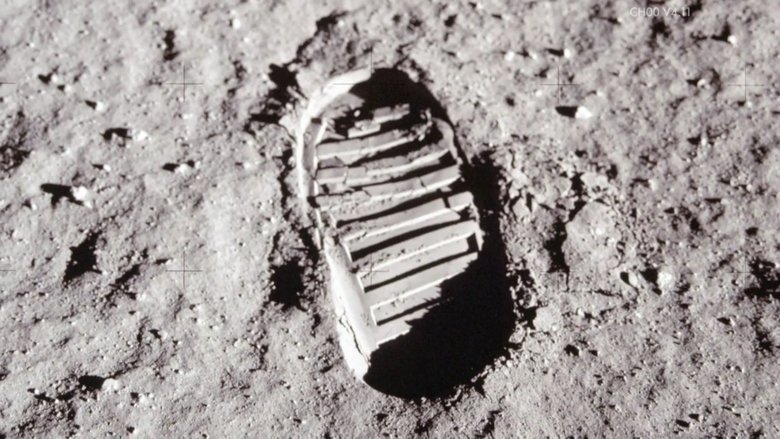
Moonscape is a free and freely downloadable high-definition documentary about the first manned Moon landing. Funded and produced by space enthusiasts from all over the world, it shows the full, unedited Apollo 11 landing and moonwalk, using only the original TV and film footage and the original audio and photographs. All this material has been scanned, digitized and restored from the best available sources. The live TV broadcast, the 16mm color film footage shot on the Moon and in Mission Control, and the Hasselblad 70mm color photographs taken by astronauts Buzz Aldrin and Neil Armstrong, have been fully synchronized with the audio recordings (including the onboard and Mission Control recordings) and are presented in real time, as they happened, with full subtitles in English or Italian.
Project Gemini: Bridge to the Moon (2003)
All of the necessary technologies required to reach the Moon was first tested during Project Gemini, which comprised of ten missions in the mid-1960s.

The Magical World of Moss (2023)
They have no roots, no seeds, no flowers, but mosses show immense survival capacities and can suspend their biological activity for long periods. Today, researchers are exploring the exceptional resistance of these archaic organisms. British ecologists have even resurrected a "zombie" moss that has been trapped in the permafrost for 1,500 years. Associated with decay and disliked in Europe, mosses are deified in Japan. With 25,000 species worldwide, bryophytes - their scientific name - are the seat of real ecosystems, and can develop in inhospitable landscapes, through an extravagant reproduction cycle.
Grand Canyon Adventure: River at Risk (2008)
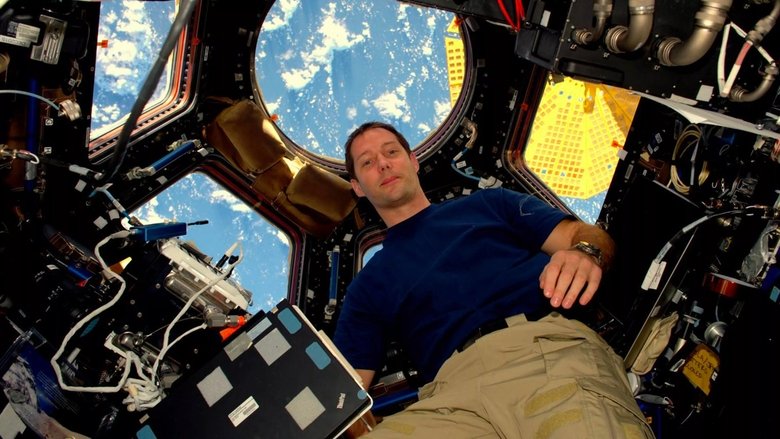
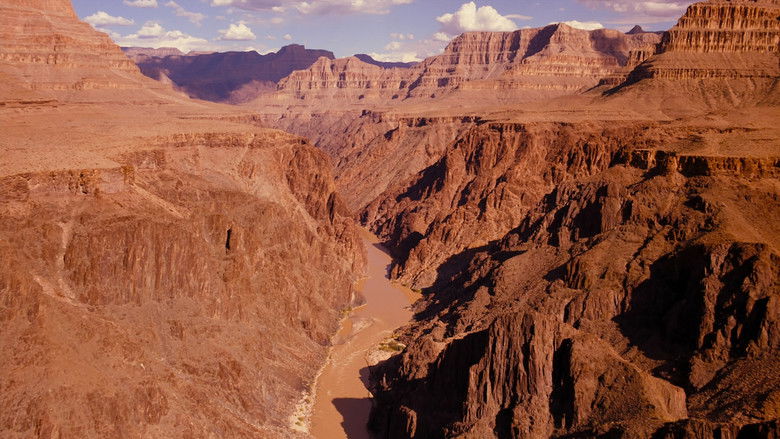
A documentary about a 15-day river-rafting trip on the Colorado River aimed at highlighting water conservation issues.
Wake Up, Leviathan (2015)
T. S. Eliot ends one of his most famous poems, "The Hollow Men", by repeating three times the sentence "This is how the world ends" - and then adding: "Not with a bang but a whimper."
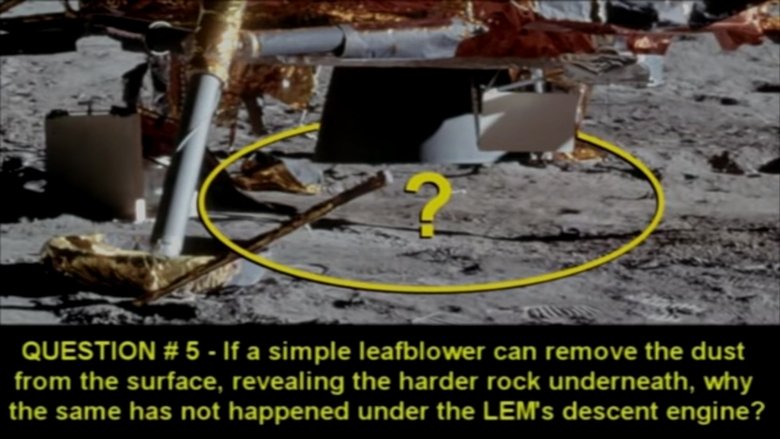
American Moon (2017)
Has man really been to the moon? It’s been 50 years, and the debate rages on. For the firs time, a film compiles in a single piece of work, all the best evidence in favor of the moon landings and the evidence contrary to them. For the first time we can also analyze the Apollo pictures in detail, with the aid of some among the top photographers in the world. What was the Apollo project really? The biggest achievement in the history of mankind, or the biggest fakery of all times, watched on live television by more than half a billion people?
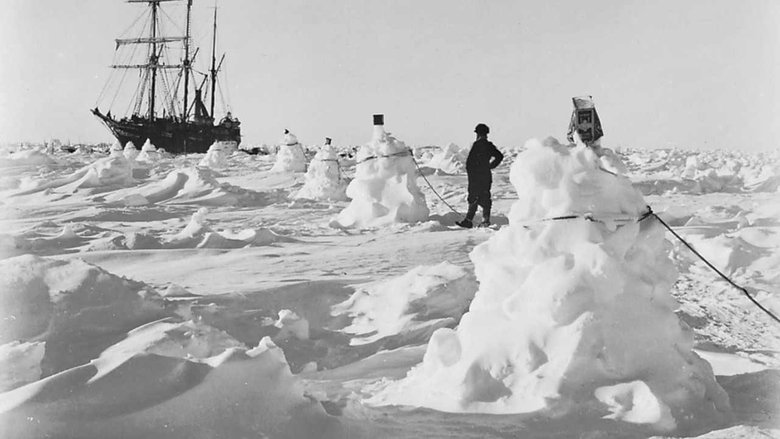
The Endurance (2000)
Documentary on the Shackleton Antartic expedition. A retelling of Sir Ernest Shackleton's ill-fated expedition to Antarctica in and the crew of his vessel 'The Endurance', which was trapped in the ice floes and frigid open ocean of the Antarctic in 1914. Shackleton decided, with many of his crew injured and weak from exposure and starvation, to take a team of his fittest men and attempt to find help. Setting out in appalling conditions with hopelessly inadequate equipment, they endured all weather and terrain and finally reached safety. Persuading a local team of his confidence that the abandoned team would still be alive, he set out again to find them. After almost 2 years trapped on the ice, all members of the crew were finally rescued.
Half Moon (2020)
A dance between moon and ocean, forests and rivers. A short film by Scott Barley, originally made for a "half moon phase" sequence for Tadhg O'Sullivan's essay film, 'To the Moon' (2020). Shot on iPhone Xs with various rephotographing techniques, combined with superimposed drawings and paintings by Scott Barley. Released as a standalone short film in 2024 as part of 'Short Films (2012–2020): Solo Works by Scott Barley' on Blu-ray.
Madonna: Queen of Pop (2007)
In January 2011, ARTE viewers voted for the 'Queens of Pop'. 8 pop queens were chosen from 50 proposals and these are presented in a 26-minute documentary: From the 1960s: Diana Ross. From the 1970s: Donna Summer and Debbie Harry. From the 1980s: Madonna. From the 1990s: Britney Spears and Mariah Carey. From 2000-2009: Lady Gaga and Beyoncé.
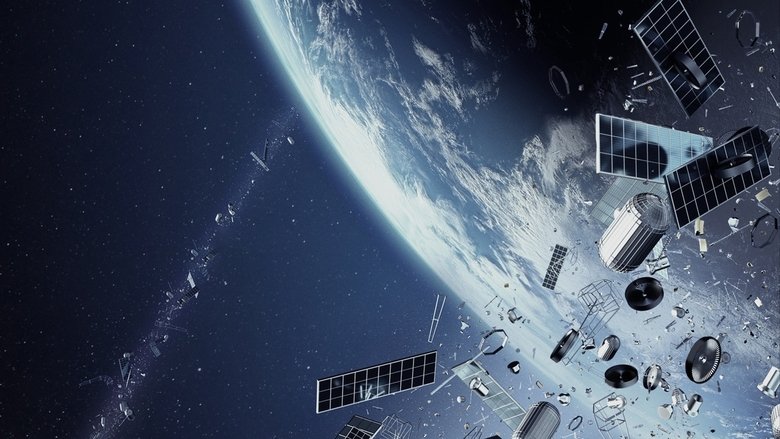
Wild Wild Space (2024)
Follow three rocket and satellite companies – Astra Space, Rocket Lab, and Planet Labs – and the quests of their idiosyncratic founders to conquer the burgeoning space industry.