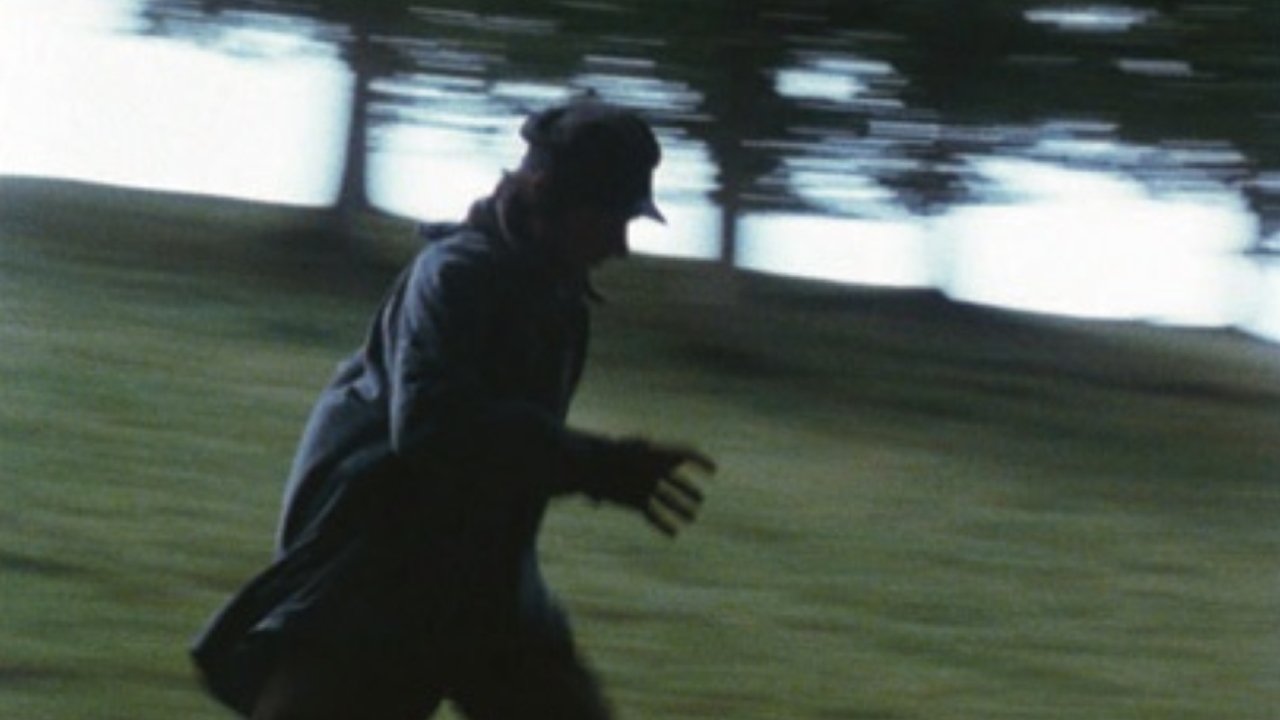
Back to Normandy (2007)
A filmmaker returns to Normandy thirty years after a working on a movie based on a local homicide and tries to find the actors who worked on the project.
A filmmaker returns to Normandy thirty years after a working on a movie based on a local homicide and tries to find the actors who worked on the project.
 Claude HébertHimself
 Nicole PicardHimselfAnne BorelHimself
 Nicolas PhilibertHimself
The Ordinary Grand Film is the result of love at first sight with The Ordinary Grand Circus. With film and equipment borrowed from left and right, with the free complicity of all those who appear in the credits, they went on weekends to film a few moments of their tour.
The film accompanies Jenny Gröllmann, a German actress, during the last two years of her life.
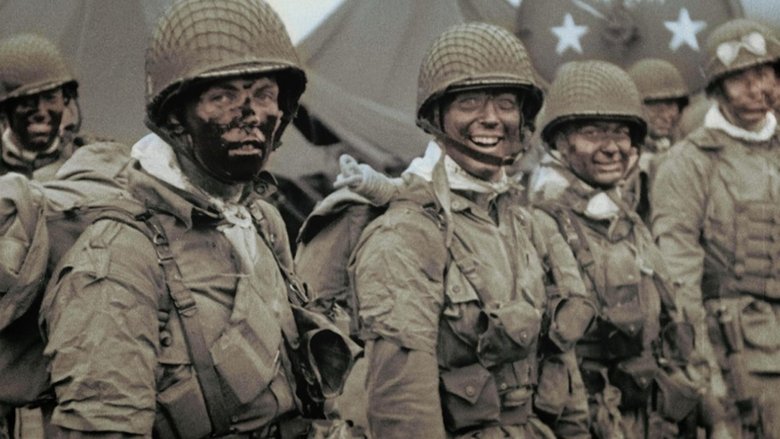
The Normandy landings of 6 June 1944 were pivotal to the outcome of WW2. We learn when Churchill and Roosevelt first proposed the operation and how preparations started—finishing with the key events of D-Day and the far-reaching effects of its outcome.
A tribute to the late, great French director Francois Truffaut, this documentary was undoubtedly named after his last movie, Vivement Dimanche!, released in 1983. Included in this overview of Truffaut's contribution to filmmaking are clips from 14 of his movies arranged according to the themes he favored. These include childhood, literature, the cinema itself, romance, marriage, and death.

A young girl has already seen everything there is to see and her world has lost all meaning. Her anger shatters her world and she finds herself in the universe of QUIDAM, where she is joined by a playful companion, as well as another mysterious character who attempts to seduce her with the marvelous, the unsettling and the terrifying.
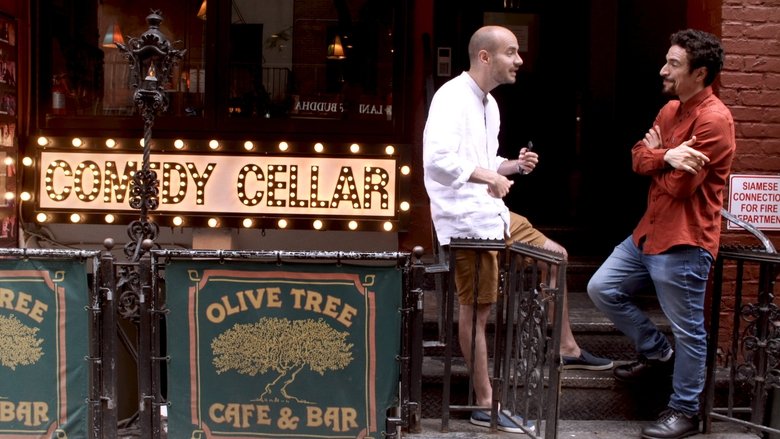
French humorist Yacine Belhousse tours the world to explore how stand-up comedians make audiences laugh across cultures.
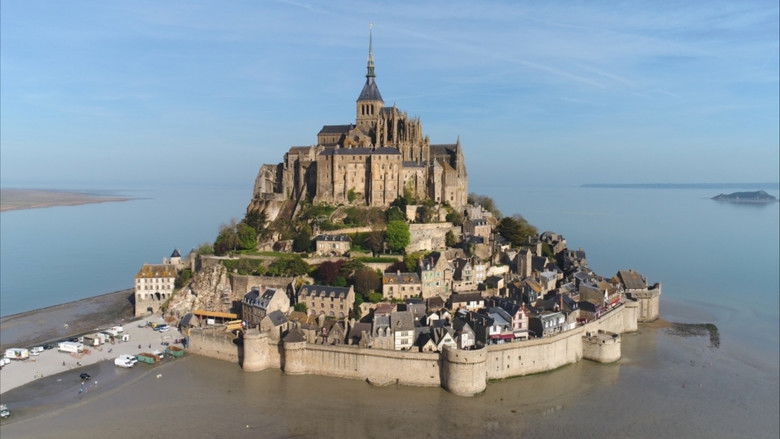
Over the centuries, Mont Saint-Michel, an extraordinary island located in the delta of the Couesnon River, in Normandy, France, a place floating between the sea and the sky, has been a sanctuary, an abbey, a fortress and a prison. But how was this architectural wonder built?

On June 6, 1944, the Allied Forces executed Operation Overlord, the largest seaborne invasion in history, storming the beaches of Normandy. This pivotal event, known as D-Day, liberated France and Western Europe. A new documentary features interviews with historians, experts, and eyewitnesses, providing detailed insights into the events leading up to this crucial day that played a vital role in bringing an end to World War II.
An extraordinary journey into the past to that fateful day, June 6, 1944. Relive the event of D-Day on the beaches of Normandy with Company Sergeant-Major Charlie Martin of the Queen's Own Rifles. Experience an emotional and intensely personal account of D-Day through a combination of interviews, archival film and Charlie Martin's diary excerpts.

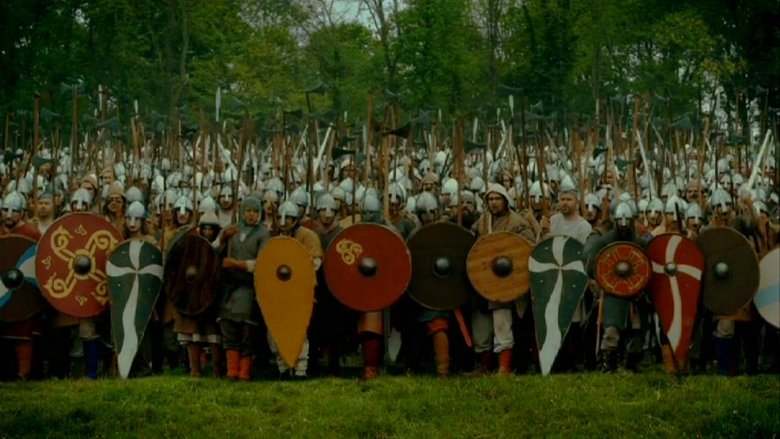
England, 11th century. William the Conqueror (ca. 1027-1087) wins the Battle of Hastings (1066), changing the shape of medieval Europe and the course of English history. An account of the life of the extraordinary Norman warrior who became king.
These previously unseen images bear witness to the darkest hours of our history and their lives. They have never before been shown to the general public. Officially, they do not exist. Without the patient efforts of persistent historians and archivists, they would still be lying dormant in family archives...
The 3rd Division was in the van of the D Day assault force. Their task was to break through Hitler's Atlantic Wall on a stretch of Normandy beach codenamed SWORD. Once ashore their problems were only just beginning! Montgomery had tasked the Division with the capture of Caen but the Germans were deployed in greater depth and strength than the Allies assumed. Rommel had deployed 21st Panzer Division into positions immediately behind the invasion area. With bitter fighting in the villages and open ridges around Caen the two sides fought a desperate battle; the Germans knew that once firmly ashore it would be impossible to throw them back into the sea. This film charts the operations on D Day from the embarkation of the force, the crossing, assault landing and the subsequent advance to the Perriers Ridge.
Film on the recording of Peter Doherty's and Frédéric Lo's 2021 album "The Fantasy Life of Poetry and Crime" in Doherty's Normandy home.
In 1944 prior to D Day the allied planners realised it was vital to isolate the Normandy Battlefield from reinforcements. In particular it was essential to delay or stop the movement of 2 SS Pz Div (Das Reich) from the south of France. The initial plan called for the French Resistance to interdict the French Railway system to stop their movements. Doubts over the effectiveness of the resistance led to the deployment of 1st SAS to do the task. This programme covers both the deployment of a troop of B Sqn into the Poitiers, in what was known as OP BULBASKET, to delay the Das Reich and the movements and actions of the Das Reich as they move through the Dordogne and Vienne Regions culminating in the massacre at Oradour. Part 2 of this programme will cover the SAS actions in delaying the Das Reich.
This programme follows the deployment of the main body of the SAS, the Recces on targets, the raids carried out both by the SAS and the bombing attacks they called in. As the SAS created havoc to the railway system the Germans were hunting them down. Eventually by the use of torture and information by collaborators the Germans tracked them down to their camp near Verrieres. The majority of the SAS were killed or captured. Those captured were later murdered by the Germans.. Their actions tied up large numbers of Germans in guarding the railways and imposed a severe delay on the movements of the 2nd SS Pz Div to Normandy. A few brave men had an impact on the liberation of France out of all proportion to their numbers
The Battle of Hastings in 1066 is with out a doubt one of the most significant events in English history. In the aftermath of the battle, King Harold's Saxon England was brutally swept away by the Conqueror to be replaced by Norman Feudalism. With the decisive nature of the battle, it is often forgotten just how narrowly Duke William succeeded. This DVD identifies and examines those turning points in the 1066 Campaign and explains why Harold lost. Not only is Hastings covered in detail but also the first battle of the campaign against Harold Hardrarder's victorious Vikings at Fulford, William's landing at Pevensy, along with Harold's march north to victory over the Vikings at Stamford Bridge. Vignettes provided by leading living historians help paint a vivid picture of the men who fought the three battles, along with their weapons.
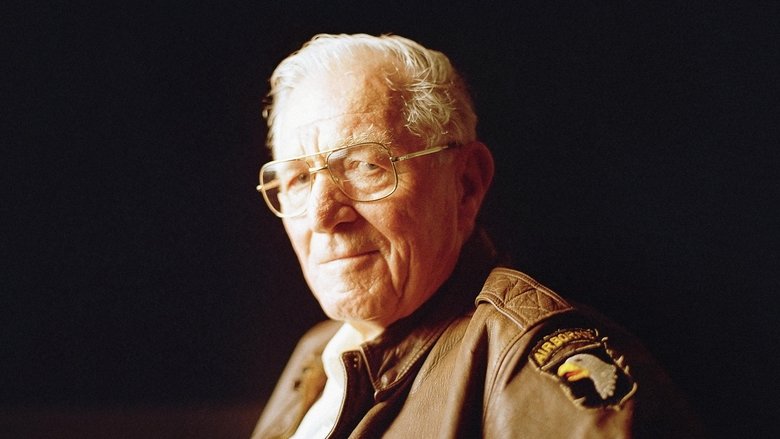
Over a period of two years, Mark Cowen and his crew travelled to thirty U.S. states and ten European cities, to interview the veterans of Easy Company. The stories told by the veterans themselves, create a history of the Second World War from the point of view of this heroic company of men, made famous in the mini-series Band of Brothers.