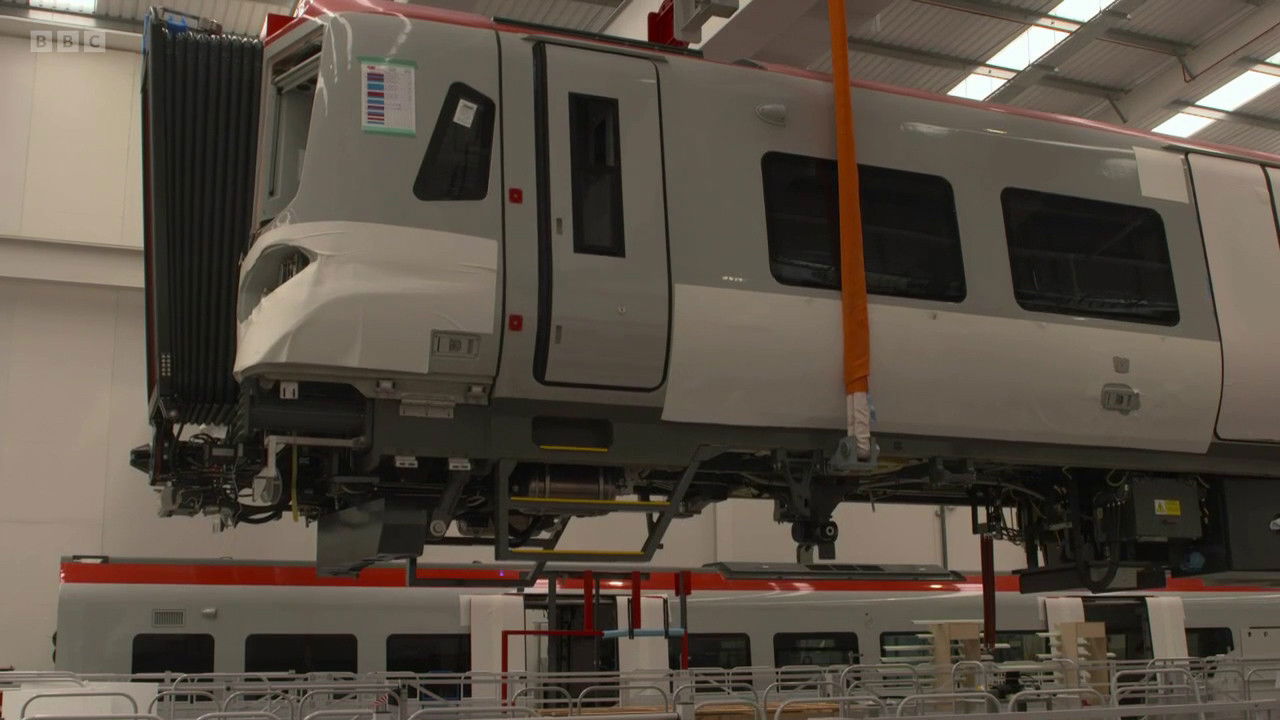
How to Fix a Railway (2023)
A multibillion-pound investment is underway to make our railways bigger, better and faster. Over three years, we go behind the scenes with Wales’s newest rail body as they try to make ambitious promises a reality.
A multibillion-pound investment is underway to make our railways bigger, better and faster. Over three years, we go behind the scenes with Wales’s newest rail body as they try to make ambitious promises a reality.
 Steve SpeirsSelf - Narrator (voice)
Snow Warrior is a love letter to the splendour of winter. It captures the beauty of a northern city through the eyes of a bicycle courier named Mariah.

Profiles the culture, lifestyles, and rituals within the New York City subways.

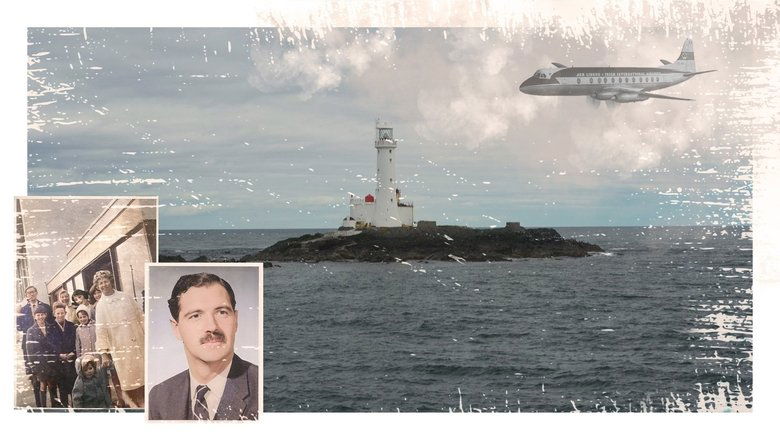
On 24th March 1968 an Aer Lingus plane carrying 61 passengers and crew crashed into the sea just off the Tuskar Rock lighthouse off the Wexford coast. There were no survivors. Family and friends of those onboard tell their story of loss and the theories of what happened.
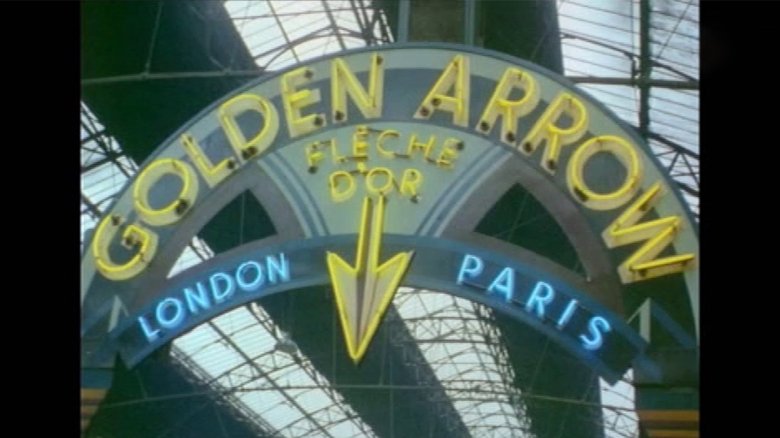
The British Railways modernisation programme of the 1960s radically changed the rail network, and the British Transport Films unit and the TV news were there to capture it. Compiled here is never before released colour footage of Southern steam at Waterloo (with Nine Elms depot), all the major London stations, The Blue Pullman and early diesels, The Golden Arrow and Night Ferry service, goods and mail, steam on the Metropolitan Railway and building the Victoria Line.
A cheerful and very colourful pastiche of live action with combined graphics set to the music of Muir Mathieson. This film typifies the image British Rail was keen to transmit during the early part of the 1970s. It marked the start of the age of the train, when 100mph running became standard and travelling inter-city took you from 'city to city - heart to heart'.
Britain operates the most experienced diesel and electric railway in tne world. A century and a half ago she invented the steam engine and introduced a new system of transport; and in only nine years British Rail and the British locomotive industry designed, built and tested enough diesel and electric locomotives to replace fifteen thousand steam engines. The transition from steam to new forms of motive power, and its effects on rallwaymen and passengers, is the subject of this film. Produced in association with the Central Office of Information, the British Locomotive Allied Manufacturers' Association and the British Electrical Manufacturers' Association.
The Nine Road is the busman's name for one of London's oldest and most used bus routes, running between Mortlake and Liverpool Street. The film takes us along the route on a summer's day, and shows the operation and control of the Number Nines from early morning until past midnight. Collected in BFI's "London on the Move."
The operation of the London Transport central Lost Property Office at Baker Street. Collected in BFI's "London on the Move."
How the London Transport Board, with the aid of modern technology, is tackling the problems brought about by an ever increasing volume of traffic. Collected in BFI's "London on the Move."
Film charting the development of the London bus from 1829 to 1979, with the 150th anniversary of Shilibeer's first service, featuring a procession of many of the Museum's historic vehicles. Collected in BFI's "London on the Move."
The Heroes of the Massacre River is a powerful documentary that chronicles the stories of the pioneers behind the construction of the historic Canal of Ouanaminthe, a project that united Haitians across the nation and the diaspora. This film celebrates the groundbreaking efforts of key figures, centering on Dr. Bertrhude Albert, Dr. Naismy-Mary Fleurant, architect Wideline Pierre, economist Etzer Emile as well as dedicated canal workers Milourie Sylfrard, Theodore Johnson and Joseph Pressoir — all guided by the investigative journey of Max Angie Clervil. It also serves as a commentary on the complexity of colonialism and borders, tracing the role that the Massacre River continues to play in the history of Ayiti.

An urban documentary illuminating the struggles of pedestrians, bike and skateboard commuters in Charleston, SC experience on a daily basis.
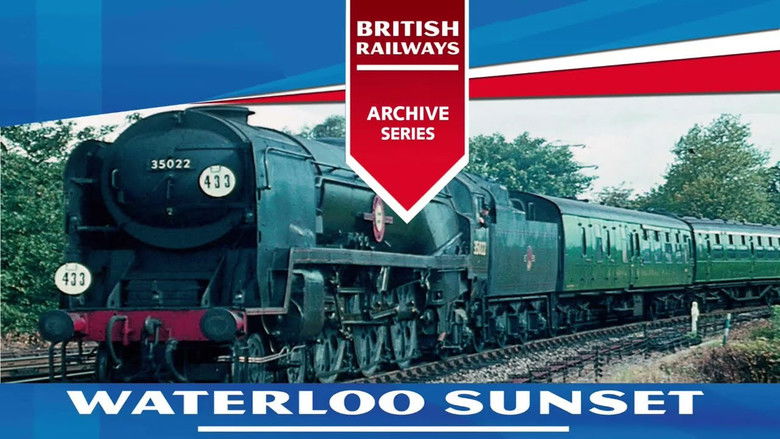
The Southern Region s last steam-worked main lines from Waterloo to Salisbury and Weymouth are recalled on this all-colour programme which features cine film made between 1958 and 1967 by John Laird, Brian Robbins and Geoff Todd. After an extended opening sequence at Waterloo and footage of Nine Elms shed, we follow the former London & South Western main line down to Basingstoke. We head west from Worthing Junction to Salisbury before resuming our journey south through Eastleigh to Southampton. There follows some delightful scenes filmed in the New Forest including steam workings on the branch to Lymington. This brings us to Bournemouth where we see the town s two stations and the splendid yellow trolley buses which used to link them. Before reaching the end of our travels at Weymouth there are some superb scenes of trains labouring up the bank out of the town and coverage of a Channel Islands Boat Train on the famous Weymouth Tramway filmed in 1958.
In the summer of 2004, on a car journey in Eastern Europe, Pavla Fleischer met and fell in love with Eugene Hutz, lead singer of New York's Gypsy Punk band Gogol Bordello. Captivated by his energy and his musical verve, and desperate to get to know him better, she decided to make a film about him. The Pied Piper of Hutzovina follows Eugene and Pavla on their subsequent road trip through Eugene's home country, Ukraine. It is the story of two people traveling together on two very different courses. Her aim is to rediscover a forgotten romance; his is to rediscover his roots. She hopes to find love on the road; he hopes to find musical inspiration from the gypsy culture he is determined to preserve. This is an intimate portrait of a filmmaker with a passion for her subject, and a punk musician with a longing to revisit his past. Theirs is a journey which tests their relationship and challenges their perceptions of the music they both love
In the mid 1800s, New York City was one of the most crowded places on earth. The congested streets and pokey transportation system were a source of constant complaint. On March 24, 1900, ground was broken for the Big Apple's subway; the Interborough Rapid Transit Line opened four years later, running more than 26 miles of underground track at the speed of 35 miles per hour. Soon thousands in the city were "doing the subway."
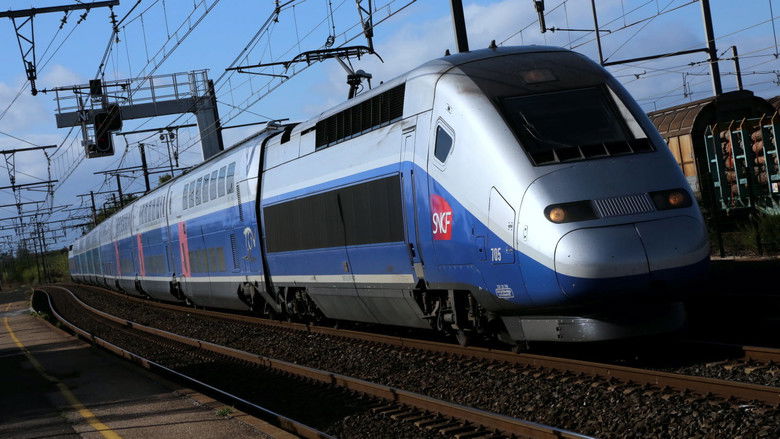
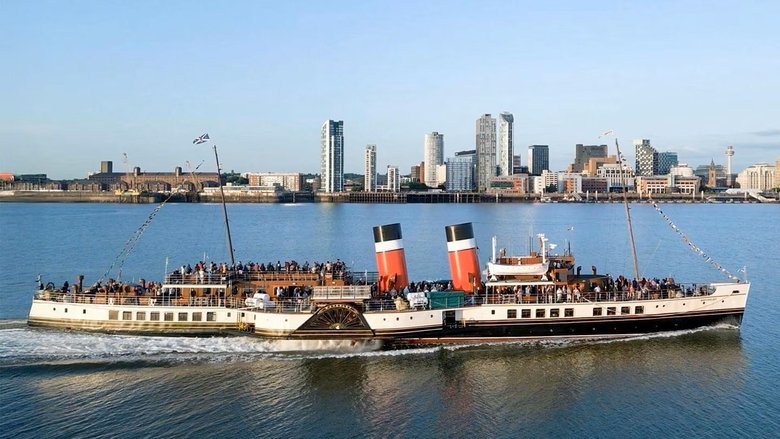
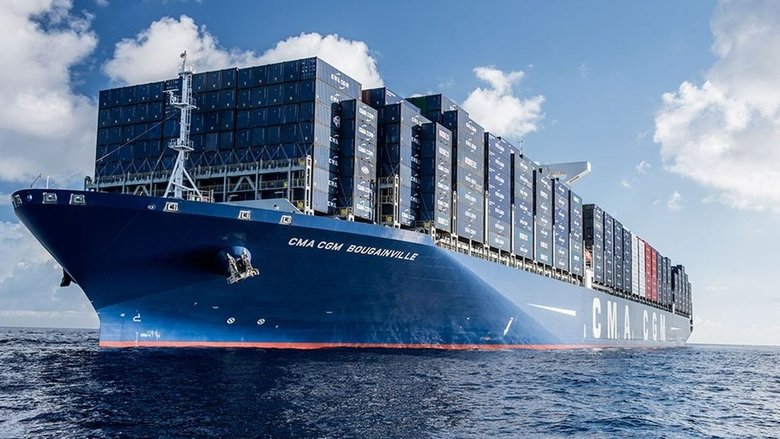
People have always wanted to reach the horizon and go beyond it. It wasn't and isn't just about discovering for the sake of discovering. Exotic goods, wealth and power were the driving forces of these people. The steamship ultimately brought the breakthrough for global mobility and trade. In the past, as now, shipping is the engine of globalization.