
The Highs and Lows of Ken Bone's Fifteen Minutes of Fame (2020)
Ken Bone became an overnight sensation after participating in a Clinton-Trump town hall in 2016, but the excitement of the moment came with some unexpected consequences.
Ken Bone became an overnight sensation after participating in a Clinton-Trump town hall in 2016, but the excitement of the moment came with some unexpected consequences.
Ken BoneSelf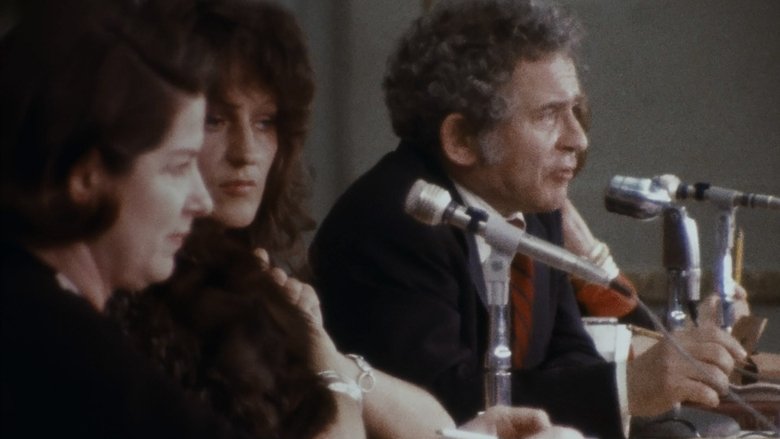
Norman Mailer and a panel of feminists — Jacqueline Ceballos, Germaine Greer, Jill Johnston, and Diana Trilling — debate the issue of Women's Liberation.
Friends since high school, 20-somethings Kaleil Isaza Tuzman and Tom Herman have an idea: a Web site for people to conduct business with municipal governments. This documentary tracks the rise and fall of govWorks.com from May of 1999 to December of 2000, and the trials the business brings to the relationship of these best friends. Kaleil raises the money, Tom's the technical chief. A third partner wants a buy out; girlfriends come and go; Tom's daughter needs attention. And always the need for cash and for improving the site. Venture capital comes in by the millions. Kaleil is on C-SPAN, CNN, and magazine covers. Will the business or the friendship crash first?
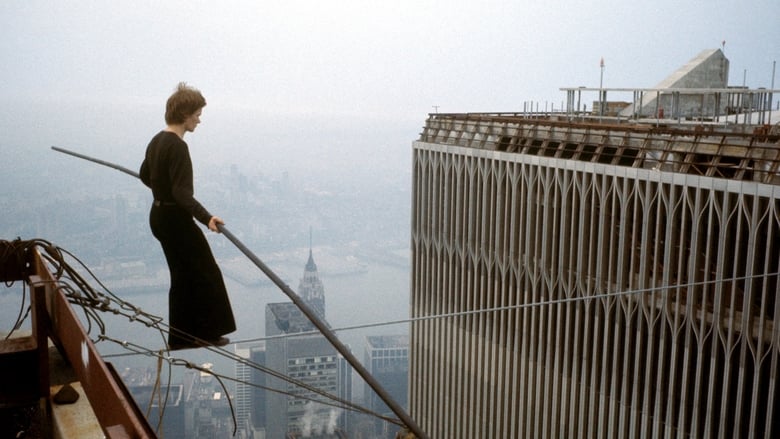
On August 7th 1974, French tightrope walker Philippe Petit stepped out on a high wire, illegally rigged between New York's World Trade Center twin towers, then the world's tallest buildings. After nearly an hour of performing on the wire, 1,350 feet above the sidewalks of Manhattan, he was arrested. This fun and spellbinding documentary chronicles Philippe Petit's "highest" achievement.
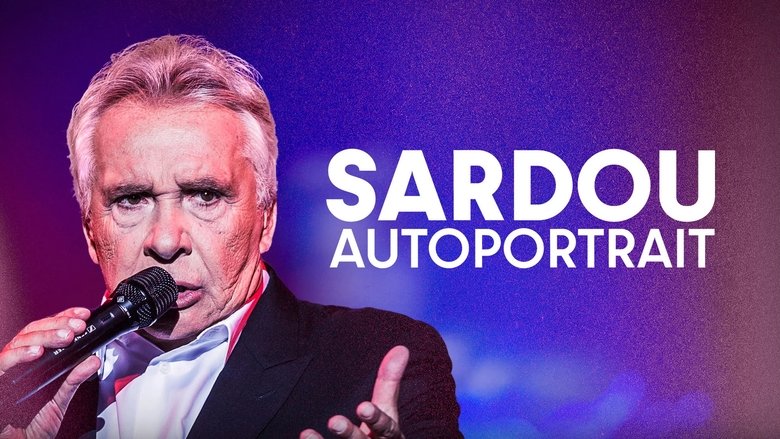
Social experiment hosted by journalist and presenter Ben Zand in which a group of people come together to try to understand what constitutes sexual harassment.

This film tells the competition in the telecommunication sector over the last years, in order to make us understand its stakes and the industrial and commercial logics. The story is told by its four main characters : Martin Bouygues, Stéphane Richard, Xavier Niel and Patrick Drahi.
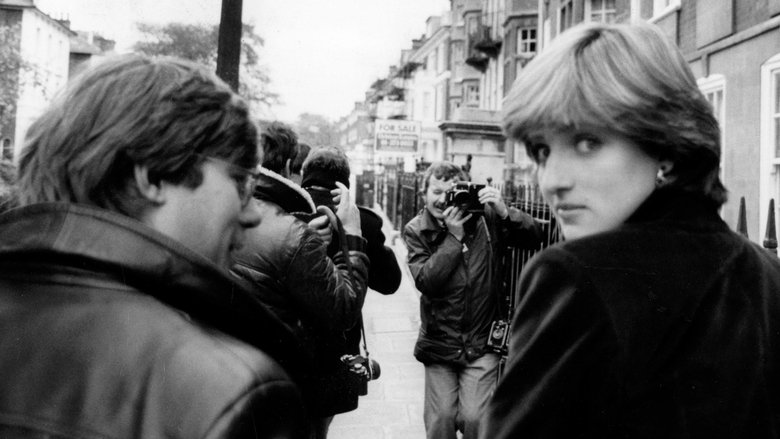
Using home videos recorded by her voice coach, Diana takes us through the story of her life.
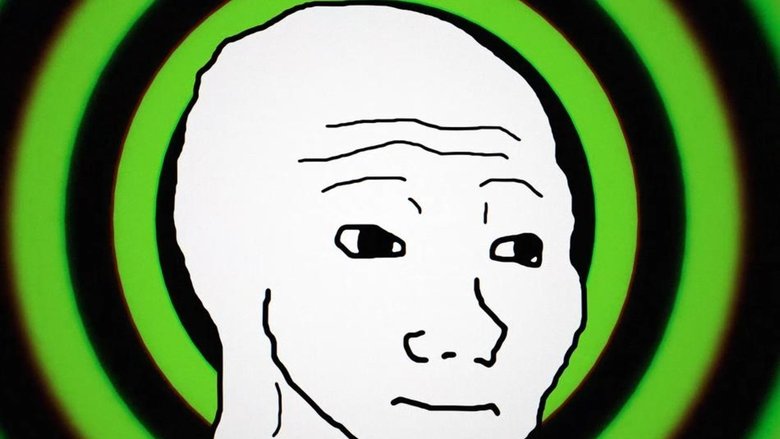
Born from the internet, the phrase "TFW No GF" was originally used online to describe a lack of romantic companionship. Since then, it has evolved to symbolize a greater state of existence defined by isolation, rejection and alienation. The meme's protagonist, "WOJAK," has become the mascot to a vast online community consisting of self-described "hyper-anonymous twenty somethings" and "guys who slipped between the cracks." TFW No GF asks: How has the zeitgeist come to bear down on a generation alienated by the 'real world'? Meet the lost boys who came of age on the internet- places like 4chan and Twitter, where they find camaraderie in despair.
It had all the makings of a huge television success: a white-hot comic at the helm, a coveted primetime slot, and a pantheon of future comedy legends in the cast and crew. So why did The Dana Carvey Show—with a writers room and cast including then unknowns Steve Carell, Stephen Colbert, Louis C.K., Robert Smigel, Charlie Kaufman, and more— crash and burn so spectacularly? TOO FUNNY TO FAIL tells the hilarious true story of a crew of genius misfits who set out to make comedy history… and succeeded in a way they never intended.
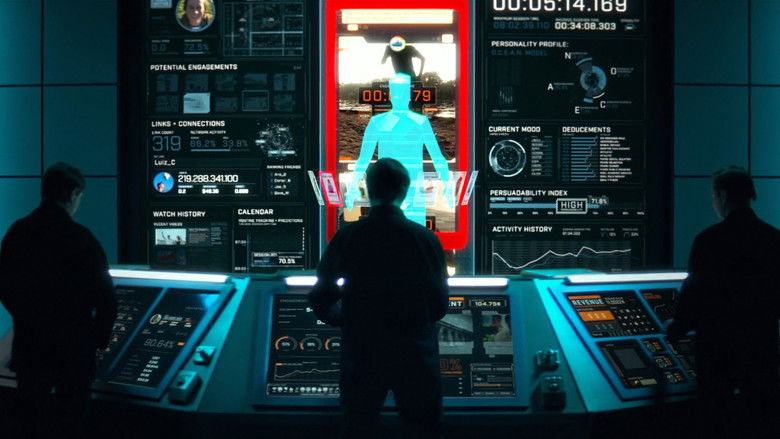
This documentary-drama hybrid explores the dangerous human impact of social networking, with tech experts sounding the alarm on their own creations.
On June 11th, 1997, Philippe Kahn created the first camera phone solution to share pictures instantly on public networks. The impetus for this invention was the birth of Kahn's daughter, when he jerry-rigged a mobile phone with a digital camera and sent photos in real time. In 2016 Time Magazine included Kahn's first camera phone photo in their list of the 100 most influential photos of all time.
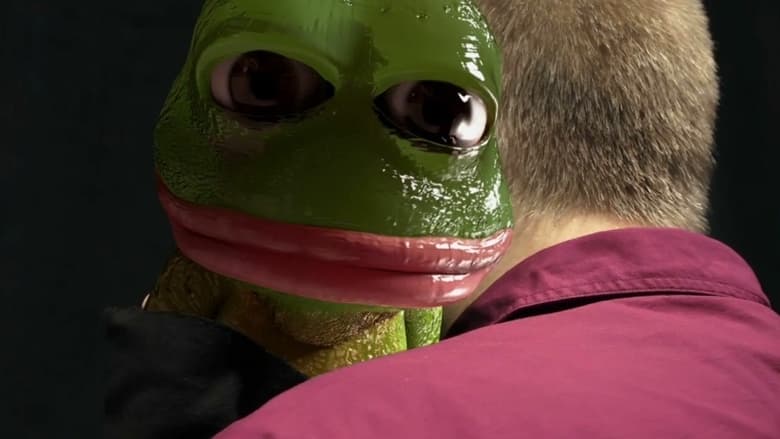
A hybrid documentary feature film about the genesis of "memetic magick" and its application by the alt-right in the United States.
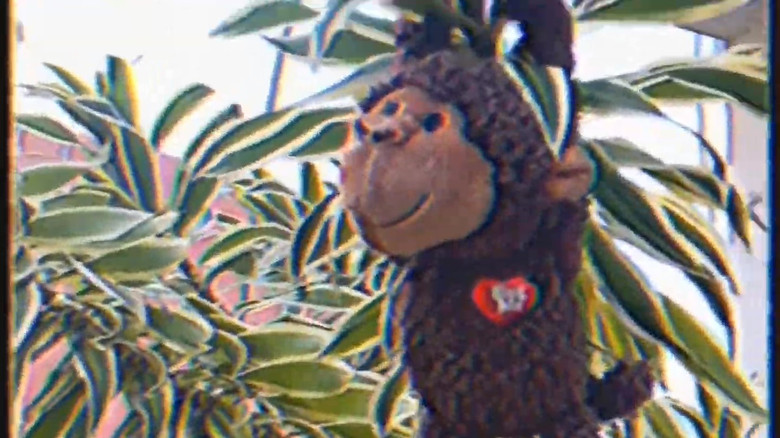
Four puppets that can't leave their house because of quarantine, decide to make a short film, but they have no idea what to make it about.
"Jacobin founding editor, Socialist Manifesto author, and former co-chair of the Democratic Socialists for America Bhaskar Sunkara squares off with Libertarian Nick Gillespie, editor at large of Reason and host of the podcast, The Reason Interview, to determine whether capitalism is the best economic system for the country, or are we in dire need of revamp. Michael Moynihan Moderates" (Vice News).

In China’s popular live-streaming showrooms, three millennials – a karaoke singer, a migrant worker and a rags-to-riches comedian – seek fame, fortune and human connection, ultimately finding the same promises and perils online as in their real lives.
The Weight of Sight is a playful and very personal essay where director Truls Krane Meby, through a massive archive of his own material - anything from DV-tapes to 35mm - explores the last 20 years of digital development - how it’s influenced the images we make, and our bodies. What kind of images do we get of the world now that everyone is a photographer, and what does it do with how we unfold our identities? How has the internet both captured and freed us? And will Truls even dare to show this film?
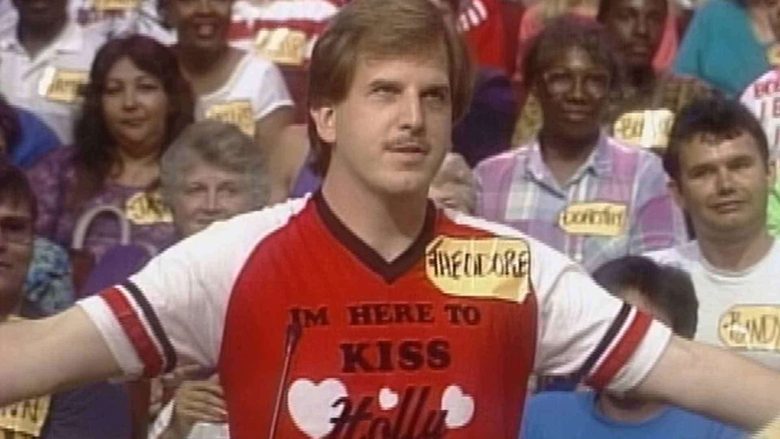
Maths teacher Ted Slauson became adept at recording and memorizing prices of products featured on the iconic game show The Price is Right, an obsession dating back to the show's inception in 1972. This passion and dedication for the show culminated in him helping a contestant place a perfect bid during a 2008 showcase, an innocent act that would create one of the biggest controversies in television industry history.
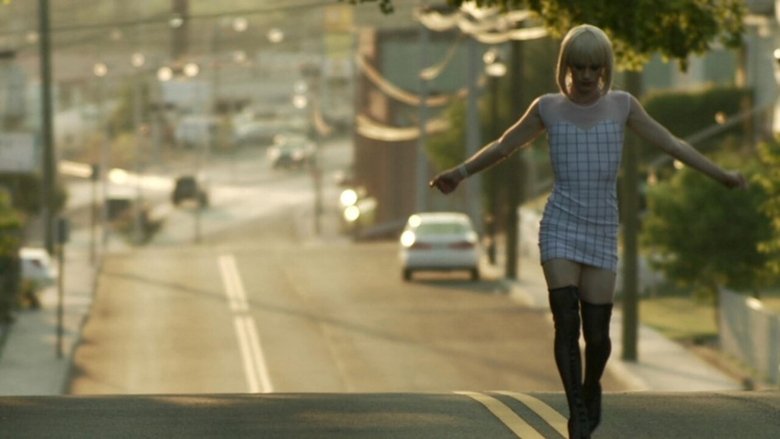
An intimate look at a controversial young video blogger, regarded by millions as the Internet's first rebel folk hero.
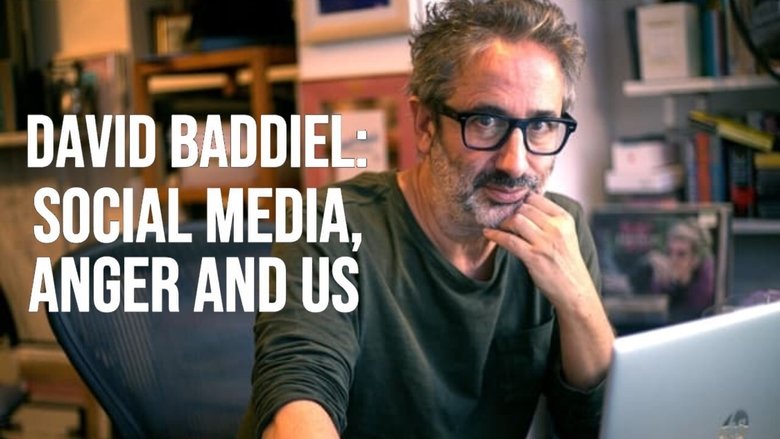
This is a thoughtful and mature documentary that considers whether online rage has real-world consequences. Baddiel has experienced antisemitic abuse on Twitter, where he has 785,000 followers. He has had brushes with what is called “cancel culture” and “callout culture”, when users have criticised his use of blackface on TV in the 1990s, for which he has apologised. He is also a self-confessed social media addict – by which he really means Twitter, his primary focus here – and self-aware enough to admit that while he feels he needs it to promote his work, he also understands that he has a psychological need for an audience, and by extension, for audience approval.