
El Batería
Cuban drummer Elvis García reflects on his journey from Havana to Miami, struggling to make his way in the American city as a professional musician.
Cuban drummer Elvis García reflects on his journey from Havana to Miami, struggling to make his way in the American city as a professional musician.
 Elvis GarcíaHimselfBarbaria TapíaHerselfDianna GarcíaHerselfManny SwaggHimselfKamankolaHimself
"Viva" is a poignant portrayal of the complexities surrounding loneliness and mental health. Through its compelling narrative, the film sheds light on the struggles of its characters as they navigate through the depths of isolation, ultimately finding hope and redemption in unexpected moments of connection and understanding.
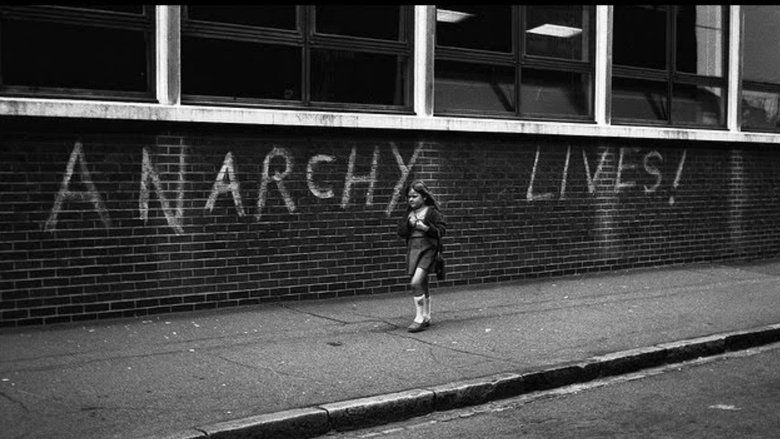
A colorful and provocative survey of anarchism in America, the film attempts to dispel popular misconceptions and trace the historical development of the movement. The film explores the movement both as a native American philosophy stemming from 19th century American traditions of individualism, and as a foreign ideology brought to America by immigrants. The film features rare archival footage and interviews with significant personalities in anarchist history including Murray Boochkin and Karl Hess, and also live performance footage of the Dead Kennedys.
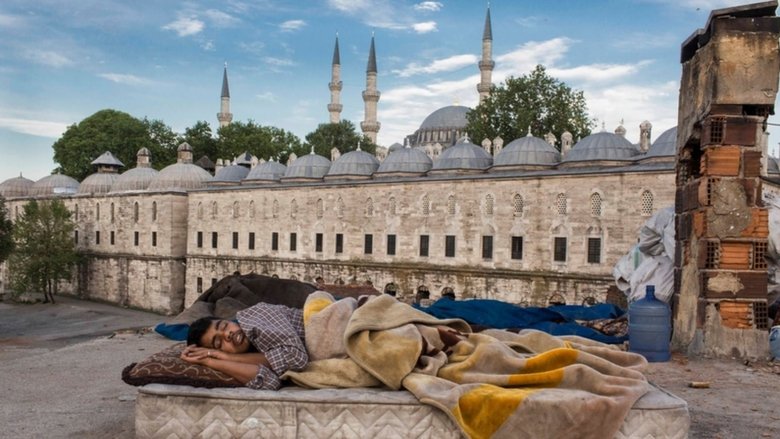
Targeted for several failed redevelopment plans dating back to the days of Robert Moses, Willets Point, a gritty area in New York City known as the “Iron Triangle,” is the home of hundreds of immigrant-run, auto repair shops that thrive despite a lack of municipal infrastructure support. During the last year of the Bloomberg Administration, NYC’s government advanced plans for a “dynamic” high-end entertainment district that would completely wipe out this historic industrial core. The year is 2013, and the workers of Willets Point are racing against the clock to forestall their impending eviction. Their story launches an investigation into New York City’s history as the front line of deindustrialization, urban renewal, and gentrification.
Lázaro Escarze, an 87 years old revolutionary Cuban man, lives in a small village and will have his phone installed for the first time in his life. To whom will he call?
As queer trans and gender non-conforming children of the Vietnamese diaspora, we are fragmented at the crossroads of being displaced from not only a sense of belonging to our ancestral land, but also our own bodies which are conditioned by society to stray away from our most authentic existence. Yet these bodies of ours are the vessels we sail to embark on a lifetime voyage of return to our original selves. It is our bodies that navigate the treacherous tides of normative systems that impose themselves on our very being. And it is our bodies that act as community lighthouses for collective liberation. Ultimately, the landscape of our bodies is our blueprint to remembering, to healing, to blooming.
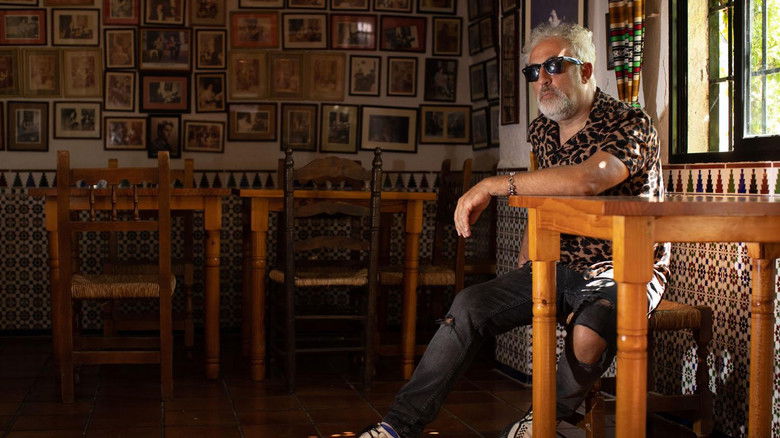
He was born in Granada, the only city in the world with an explosive name. At the age of ten he joined the Falange because he wanted to play the drum. His biggest musical influences have been Holy Week and his first host, the one he was given at birth. It was produced at the age of sixteen. A little later he began using drugs to escape. he should have died before thirty. For forty years he has hit the drums as life has hit him, with all his might.
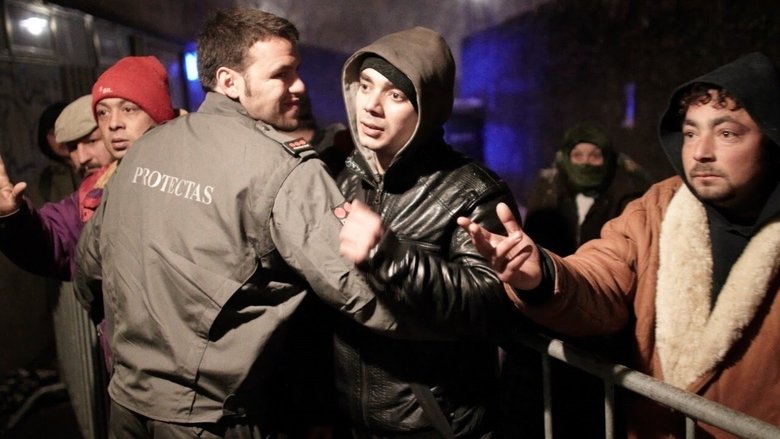
It is winter at an emergency shelter for the homeless in Lausanne. Every night at the door of this little-known basement facility the same entry ritual takes place, resulting in confrontations which can sometimes turn violent. Those on duty at the shelter have the difficult task of “triaging the poor”: the women and children first, then the men. Although the total capacity at the shelter is 100, only 50 “chosen ones” will be admitted inside and granted a warm meal and a bed. The others know it will be a long night.

A documentary about experimental drummer Fritz Hauser.
Hang Sou and his family, preliterate tribal farmers, await resettlement in a refugee camp in Thailand after fleeing their war-consumed native Laos. "Becoming American" records their odyssey as they travel to and resettle in the United States. As they face nine months of intense culture shock, prejudice, and gradual adaptation to their new home in Seattle, the family provides a rare insight into refugee resettlement and cultural diversity issues.
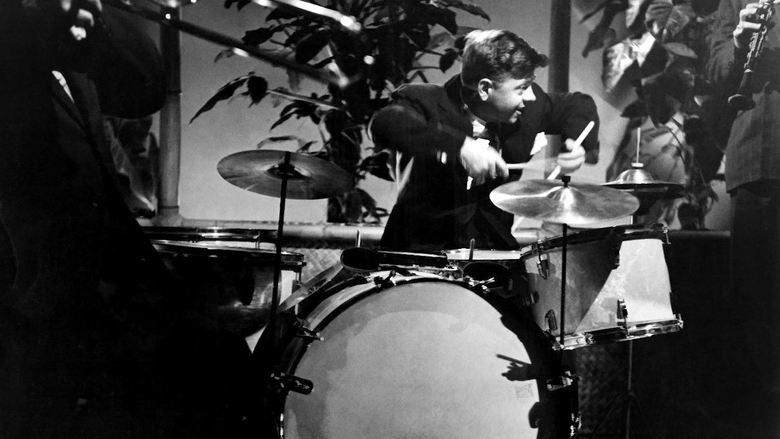
Drummer Stanley Maxton moves to Los Angeles with dreams of opening his own jazz club, but falls in with a gangster and a nightclub dancer and ends up accused of her murder.
In Fairy Creek, director Jen Muranetz documents the largest act of civil disobedience in Canadian history, creating a searing portrait of contemporary environmental activism, bearing witness to the lengths activists are willing to take to protect British Columbia’s last old growth forests.
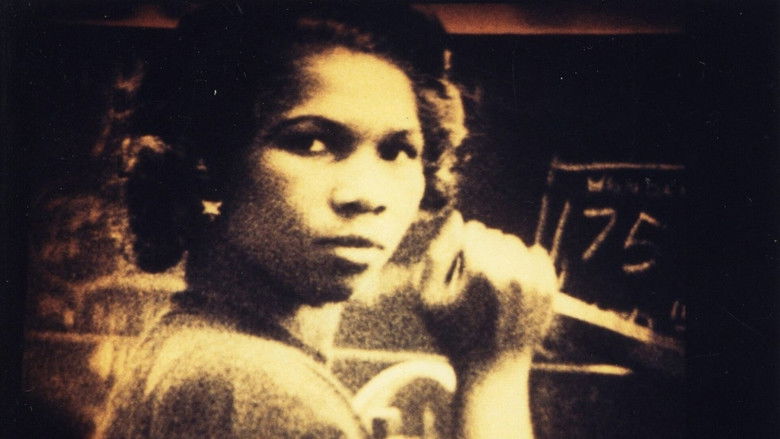
The Black Audio Film Collective’s acclaimed essay film, 'Handsworth Songs', examines the 1985 race riots in Handsworth and London. Interweaving archival photographs, newsreel clips, and home movie footage, the film is both an exploration of documentary aesthetics and a broad meditation social and cultural oppression through Britain’s intertwined narratives of racism and economic decline.
Two immigrant filmmakers journey across the US, exploring American identity through raw encounters on politics, race, immigration, and gun control. The film offers an unflinching portrait of America, unveiling hope for our common humanity.
Prior to Fidel Castro's reign, Cuba was open to immigration. However, once Castro proclaimed himself dictator of Cuba, one of the largest exodus recorded began, one that continues today, 47 years after the Cuban Revolution. Six central characters of the film discuss in detail their personal experiences through Operation Pedro Pan, the Freedom Flights, El Mariel, the Rafter Crisis, and the Cuban Visa Lottery.
Cyriaque Kouenou was forced to leave his country and fled to the Netherlands. Staying there he has now entered his fourth year on a surrealistic trip with no end in sight, with stopovers in a tent camp, an empty church, an old office building and a former prison. A no man's land where you are stuck after being told that you aren't allowed to stay but also can't be sent back.
U.S. citizen William Morgan rises to power in Cuba during the Cuban Revolution.
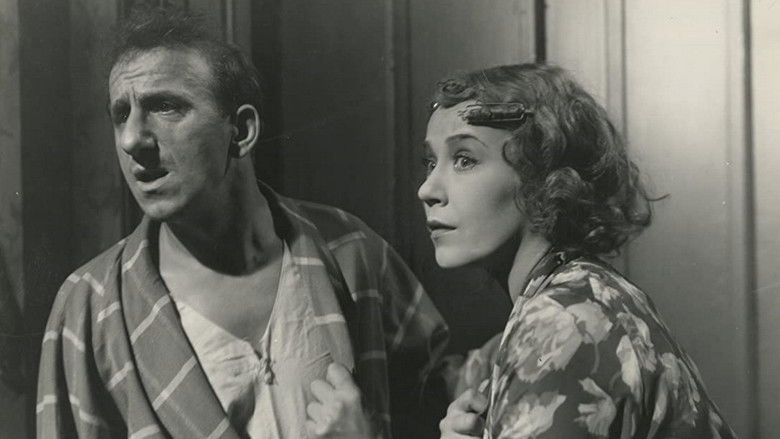
A guilt-ridden U.S. Marine returns to Cuba to try to find the woman he promised to marry.

A stylish exploration of funeral car history, sub-culture, and outrageous reactions.
Why wouldn't you? Is there any reason not to? We've got so much at our disposal, so, why don't you? Won't you tell me? Won't you please tell me? To have you down is simply unacceptable. Just look at this; or this; at all these hallmarks to guide you and convey to you the prime ways to feel lovely. Just follow them and you'll be set. So, I ask you again... Don't you feel lovely today?