
Cyberworld - The future is now (2023)
Documentary and reflection about the effects of technology.
Documentary and reflection about the effects of technology.
 Stuart J. RussellSelf
 Markus GabrielSelfDavid ChalmersSelfLeonard KleinrockSelfUlrich BaerSelfSamuel MoynSelfEric WhitacreSelfGuy-Philippe GoldsteinSelf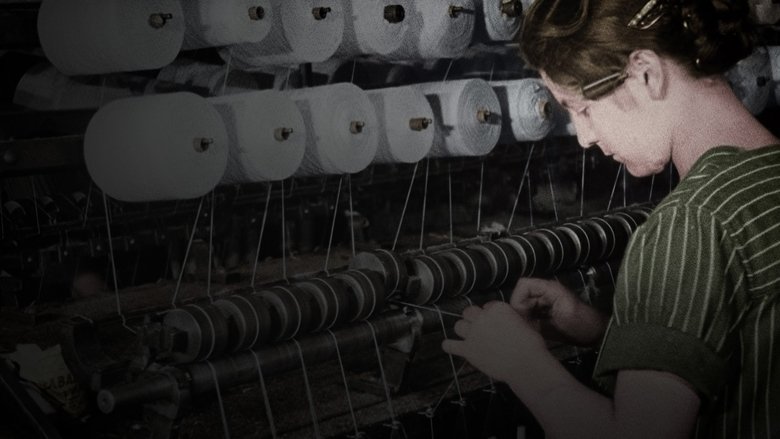

A look-back at popular French movie "La Boum" (The Party).
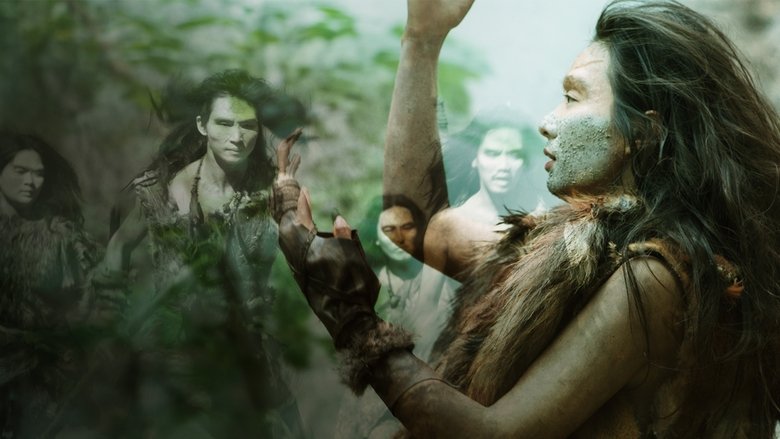
This series incorporates the latest animated 3D films to explore recent discoveries about human history, especially in Asia.

Emma and Eddie live two lives: one on social media and one in real life. The webcam couple is out to save their marriage by starting their own adult web-studio in Eastern Europe.
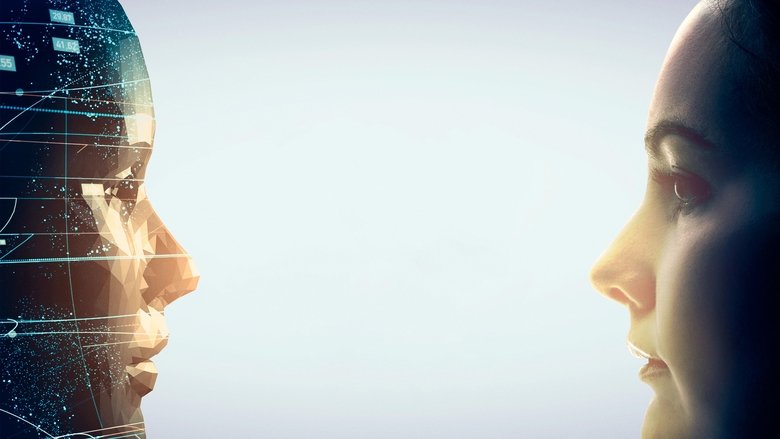
Conflict between man and machine has been a science fiction staple for over a century. From 2001: A Space Odyssey to The Terminator the perceived threat posed by super-intelligent robots has been exploited by Hollywood for decades. But do advances in Artificial Intelligence mean we are now facing a future in which that threat could become a reality?
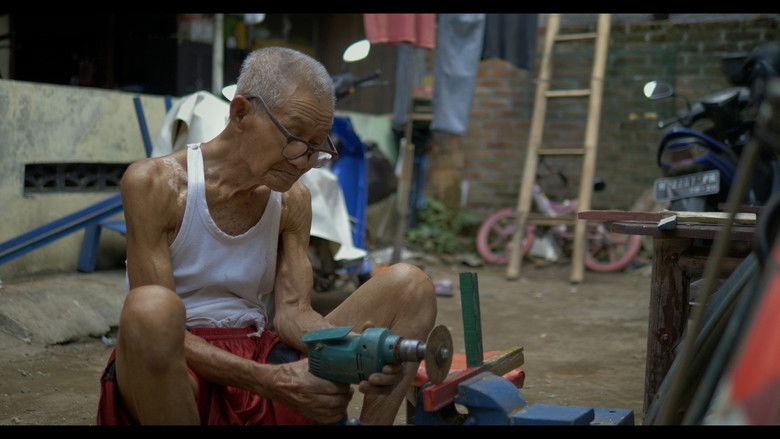
Tjipto Setiyono, 85, is a rickshaw painter. Despite being past his prime, he lives alone in a 3-by-3 meter square boarding room, in which Tjipto’s brush strokes give birth to his paintings.

The Kuwaiti short film العاصفة (The Storm) explores Kuwait's social and economic shifts before and after the discovery of oil. Through the perspectives of an older father and his modernized son, it delves into the challenges of tradition versus rapid modernization.
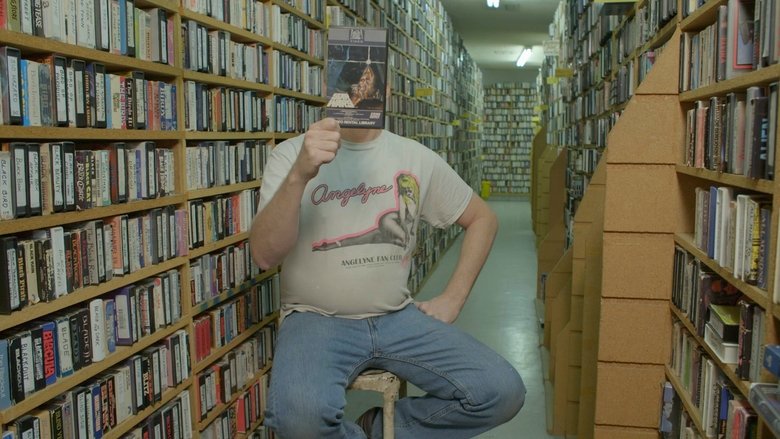
Using testimonies by pioneers and witnesses of the times, delve into the feverish visual culture the media generated – with far-fetched examples of canine television games, seduction manuals, aerobics class while holding a baby, among others.
Cruelty, psychological and sexual violence, humiliations: reality television seems to have gone mad. His debut in the early 2000s inaugurated a new era in the history of the audio-visual. Fifty years of archives trace the evolution of entertainment: how the staging of intimacy during the 80s opened new territories, how the privatization of the biggest channels has changed the relationship with the spectator. With the contribution of specialists, including philosopher Bernard Stiegler, this documentary demonstrates how emotion has made way for the exacerbation of the most destructive impulses.
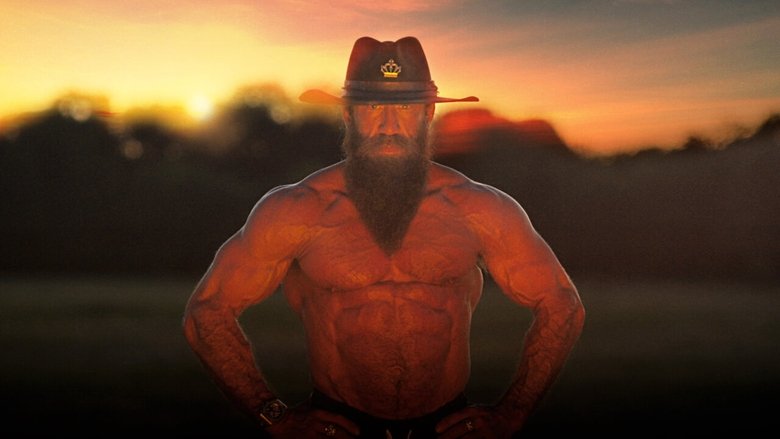
He built a supplement empire by devouring raw meat on social media. And he had the muscles to prove it. But, really, how did the Liver King get so huge?
Pedophiles have long been the most demonized people in society, but new research is showing that understanding them is the first step in lowering instances of child sexual abuse. Meet the men born attracted to the impossible, and the maverick doctors who dare advocate on their behalf.

The current trend to render prostitution a profession "as any other" is belied by women who were themselves prostitutes. With clarity and courage, the women in this film reveal the hidden face of that so-called "sex work". They are 22, 34 or 48 years old; they live in Montreal, Quebec and Ottawa - They have recently given up prostitution, or are trying to escape it. These women are leading the bitter fight to turn their lives around and it is a long and lonely struggle fraught with difficulties. Shot in a Cinéma Vérité style, The Fallacy (L'imposture) takes us to the heart of their realities.

October 2018, France. Macron’s government decrees a tax increase on the price of fuel. A wave of protests starts to grow. Citizens mobilize throughout the country: this is the beginning of the Yellow Vests movement. In Chartres, a group of men and women gather daily. Among them, Agnès, Benoît, Nathalie and Allan commit themselves to the collective struggle. Like a whole nation, they discover that they have a voice to be heard...
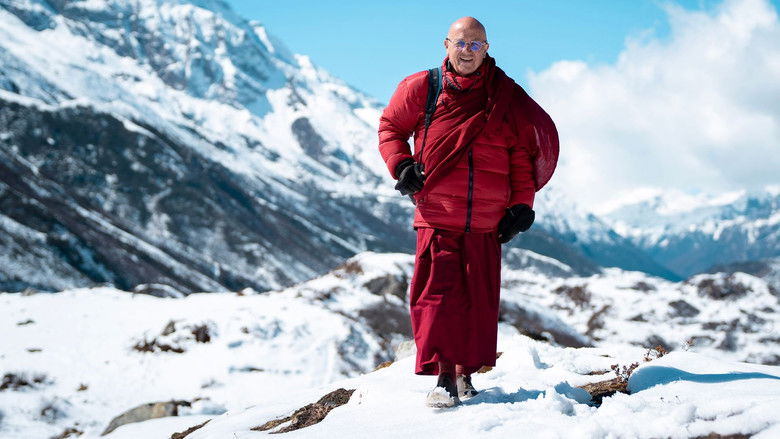
Buddhist monk and photographer Matthieu Picard as he returns to the Asian country in the Himalayas where he spent a decade after seven years away, revisiting breathtaking landscapes and experiencing local traditions.
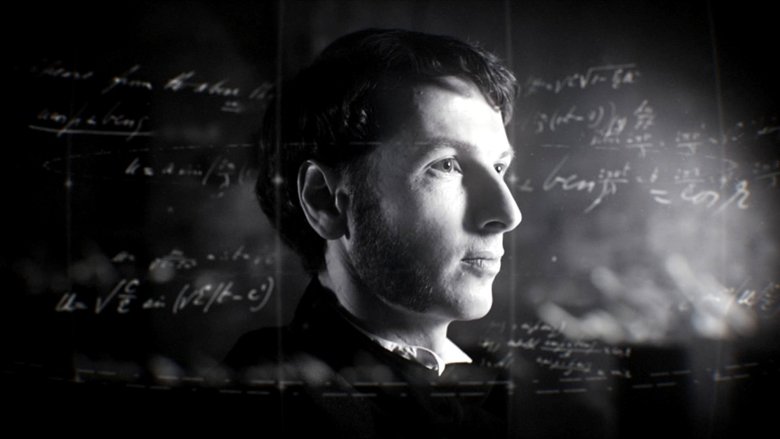
Narrated by Oscar-winning actor Jeremy Irons, The Genius of George Boole assembles academics and industry leaders from across the globe to explore the life and importance of one of the world’s greatest unsung heroes.
Agnes may not seem like someone with much to laugh about. For one thing, she has albinism - a lack of pigment in the skin, hair and eyes - and her appearance has provoked prejudice from family, friends and strangers since she was born. But despite all odds, Agnes refuses to lead a life of sorrow. This fascinating and inspiring documentary also shares the stories of seven other people's individual experiences of living their lives with albinism in Kenya, a predominantly black society. While each person's story is unique, they all have one thing in common: they know what it is like to stand out uncomfortably from the crowd.

After a popular teen falls to her death, her best friend basks in the glow of the social media attention, while their rival seeks to avenge the past and uncover the truth behind the mysterious death.