
What is AIDS? (1988)
One of the most controversial subjects of the 1980s, the AIDS epidemic ended thousands of lives across America. This video, entitled What is AIDS helps educate the youth of America about the deadly disease.
One of the most controversial subjects of the 1980s, the AIDS epidemic ended thousands of lives across America. This video, entitled What is AIDS helps educate the youth of America about the deadly disease.
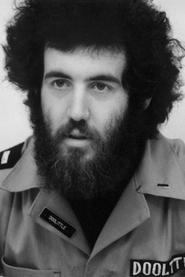 Brian NarellePaulHayley TyrieTrishEd CastroJasonElla MitchellRuth FullerJoshua FullerRobin BaileyAlice Askins
In Uganda, AIDS-infected mothers have begun writing what they call Memory Books for their children. Aware of the illness, it is a way for the family to come to terms with the inevitable death that it faces. Hopelessness and desperation are confronted through the collaborative effort of remembering and recording, a process that inspires unexpected strength and even solace in the face of death.
Outraged by the controversial January, 1988 article in Cosmopolitan magazine, the women in the AIDS Coalition to Unleash Power, (Act Up, New York), organized the first AIDS demonstration focused on women. Doctors, Liars and Women:AIDS Activists Say No To Cosmo not only documents the efforts of the Women's Committee to organize this protest, it also serves as a how-to-guide for direct action.
The compelling story of Todd Coleman, a 22-year-old gay man with AIDS, and those who cared for him during the last weeks of his life. Todd, his lover, doctor, nurse, social worker and two volunteers reveal the human realities and the importance of practical support, friendship and unconditional love.
Another sensitive, thoughtful, and elegantly crafted film from home-grown McGee that speaks calmly to us of an alarming truth. Even in outports and relatively small Newfoundland communities, young people are vulnerable to becoming infected with HIV. The story centres on Trudy Parsons who was 20 when she contracted the virus, a young woman with the determination to show others that people like us do get it. The direct and candid way in which trudy and her friends discuss current social and personal views of sexuality makes for another stirring experience that inspires as much as it moves.
Tsai interrupted his pre-production for The River to make this pioneering documentary for Taiwan's nascent AIDS-awareness campaign. Ignoring instructions to 'play down the gay angle', he centres the film on his own very candid conversations with two HIV+ young men. Sadly the identities of the interviewees have to be concealed, and so the freewheeling camerawork focuses most often on Tsai himself; but the sense of rapport between the director and his 'new friends' is palpable and very moving, even to Western viewers already only too familiar with these issues.
One of the most powerful video documentaries of our time boldly reveals the modern medical-industrial complex’s dire descent into utter corruption. HIV/AID$ - A deadly and dangerous DECEPTION! This feature-length expose explains exactly how the 300-Billion-dollar AID$ fraud began, why HIV can NOT be the cause of AIDS, what the real causes could be, and who manipulates the public’s good intentions while poisoning hundreds of thousands with toxic drugs that cause the very disease they are supposed to prevent.

Ricardo was once Sara, a homeless HIV positive transvestite, living in the underbelly of Manhattan. Today he is a churchgoing, married man, "saved" by a Dallas ministry. He has renounced his homosexuality, but is his conversion complete? Susana Aiken and Carlos Aparicio offer an intimate look at Ricardo's transformation.

Short documentary about artist Keith Haring, detailing his involvement in the New York City graffiti subculture, his opening of the Pop Shop, and the social commentary present in his paintings and drawings.
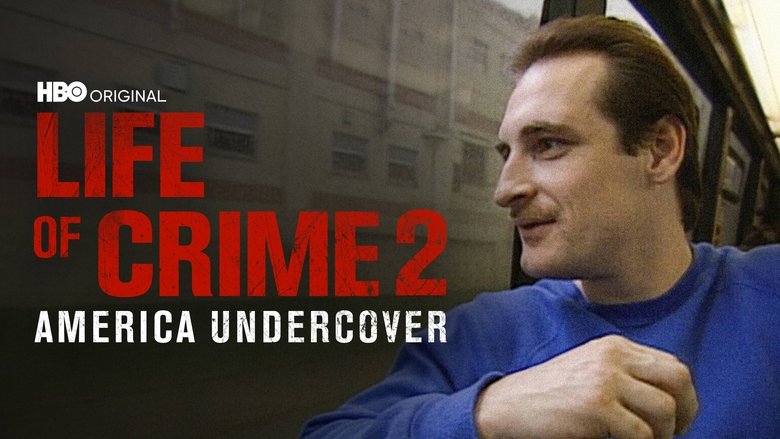
This follow-up to the 1989 documentary ONE YEAR IN A LIFE OF CRIME revisits three of the original subjects in New Jersey during a five-year period in the 1990s. We share in their triumphs and setbacks as they navigate lives of poverty, drug abuse, AIDS, and petty crime.
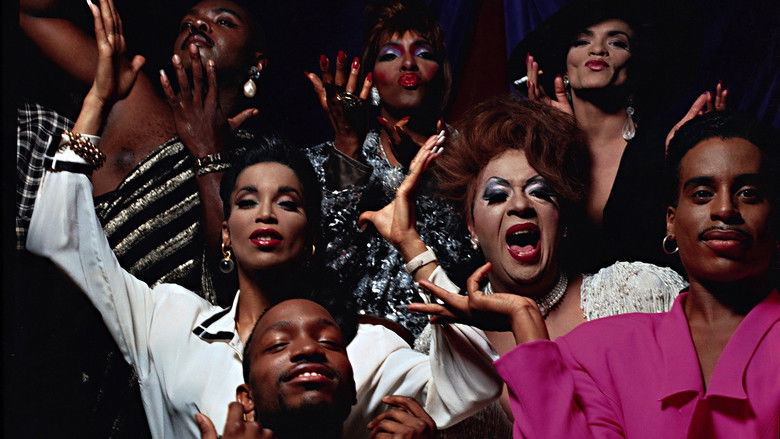
Where does voguing come from, and what, exactly, is throwing shade? This landmark documentary provides a vibrant snapshot of the 1980s through the eyes of New York City's African American and Latinx Harlem drag-ball scene. Made over seven years, PARIS IS BURNING offers an intimate portrait of rival fashion "houses," from fierce contests for trophies to house mothers offering sustenance in a world rampant with homophobia, transphobia, racism, AIDS, and poverty. Featuring legendary voguers, drag queens, and trans women — including Willi Ninja, Pepper LaBeija, Dorian Corey, and Venus Xtravaganza.
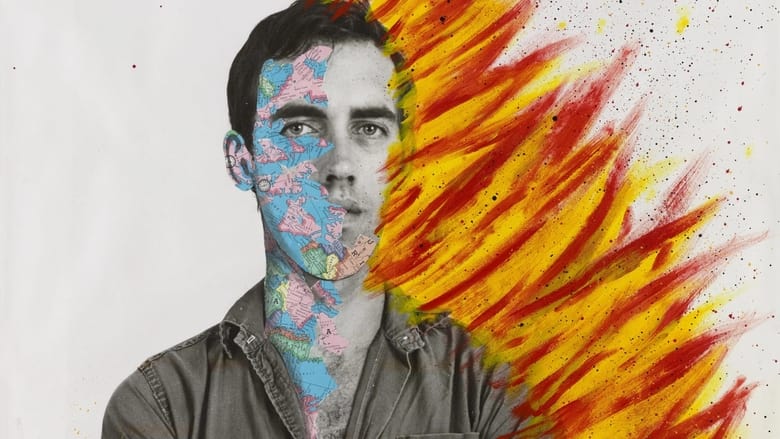
A collage-like, incisive look at the life of writer, painter and thinker David Wojnarowicz, whose powerful, unapologetic way of seeing the world gave voice to queer rights at a critical time in US history.

It explores the last two years of Brazilian singer Cazuza's life, from his AIDS diagnosis until his death. Nilo Romero, Cazuza's music producer and the film's director, created a collection of rarely seen and controversial images.
German iconoclast filmmaker and gay-rights activist Rosa vonPraunheim examines his own life and career in the documentary Phooey Rosa! With a quickly paced editing style, the film is a mix of personal banter, candid interviews, and clips from his filmography. It also includes footage from his early film Bed Sausage to his later work Neurosia. At the age of 60, vonPraunheim reveals intimate details about his past relationships and his childhood growing up after WWII. He also implicates some of his friends and inspirations, including Luzi Kryn and Rainer Kranach.
A documentary juxtaposing the events of the 20th century with the commentary of stand-up comedians.
Bookended by call-to-action quotes from Margaret Mead and Mahatma Gandhi, this inspiring documentary follows three extraordinary women -- in Bosnia-Herzegovina, Mali, and Vietnam -- as they lead day-to-day battles against ignorance, poverty, oppression, and ethnic strife.

Natural. Rock star. Outsider. In the 80s, race car driver Tim Richmond lived his life the way he raced cars – wide open. Born into a wealthy family, Richmond was the antithesis of the Southern, blue-collar, dirt-track racers who dominated NASCAR. He also was a flamboyant showman who basked in the attention of the media and fans – especially female admirers. Nevertheless, it was Richmond’s on-track performances that ended up drawing comparisons to racing legends. And in 1986, when he won seven NASCAR races and finished third in the Winston Cup series points race, some believed he was on the verge of stardom. But soon his freewheeling lifestyle caught up to him. He unexpectedly withdrew from the NASCAR racing circuit, reportedly suffering from double pneumonia. In reality he had AIDS. Richmond returned to the track in 1987, but he was gone from the sport by the next year as his health deteriorated. He spent his final days as a recluse, dying on August 13, 1989, at the age of 34.
The Other Side of AIDS takes us behind the hype and headlines and into the heart of a brewing controversy over the cause and treatment of AIDS. Through candid interviews with doctors and scientists representing both sides of the issue and HIV positives on and off the drugs, the film opens minds and much-needed dialogue. Informative without being instructive, it raises fundamental questions about what we think we know. Its surprising and sometimes shocking revelations inspire us to take a closer look at HIV and AIDS and the systems that support our current views.
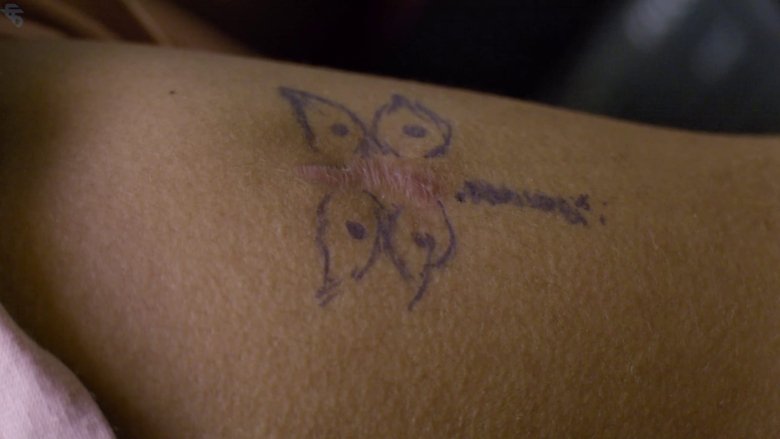
An exploration of the interconnected experiences of queerness and illness, this film navigates personal and collective journeys through medical spaces, sexual violence, and survival, displays the profound impact on body and identity.

From the onset of the AIDS epidemic, author Larry Kramer emerged as a fiery activist, an Old Testament-style prophet full of righteous fury who denounced both the willful inaction of the government and the refusal of the gay community to curb potentially risky behaviors. Co-founder of both organization Gay Men's Health Crisis and the direct action protest group ACT UP, Kramer was vilified by some who saw his criticism to be an expression of self-hatred, while lionized by others who credit him with waking up the gay community — and, eventually, the government and medical establishment — to the devastation of the disease.
The Emmy Award-nominated 30 Years from Here examines the AIDS pandemic over the past 30 years. Activists and medical experts that share stories include Terrence McNally, Larry Kramer, Marjorie Hill, Frank Spinelli, Jerry Mitchell, and Larry Flick.