
Top billed cast
- Iveta Žižlavská
- Ján Konstanty
- Jaroslav Majtner
- Hynek Maxa
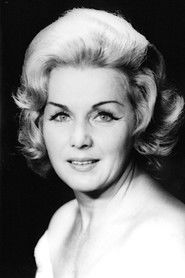 Vlasta Preislerová Ployharová
Similar to Nápoj lásky
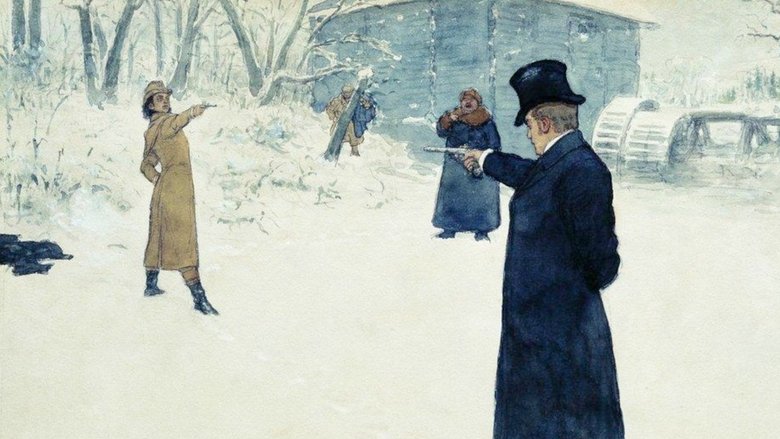
Eugene Onegin (1988)
A filmed version of Tchaikovsky's opera. Onegin visits a friend, his fiancee and her sister Tatiana, who believes Onegin is her fated love. She writes a note telling him so, but he rejects her. Years later he returns, finding her married, but now he's smitten with her.
Rusalka (1978)
Three arias from Antonín Dvořák´s fairytale opera Rusalka turned in to a movie, sung by Gabriela Beňačková (Rusalka), Libuše Márová (Witch), René Tuček (Hunter).
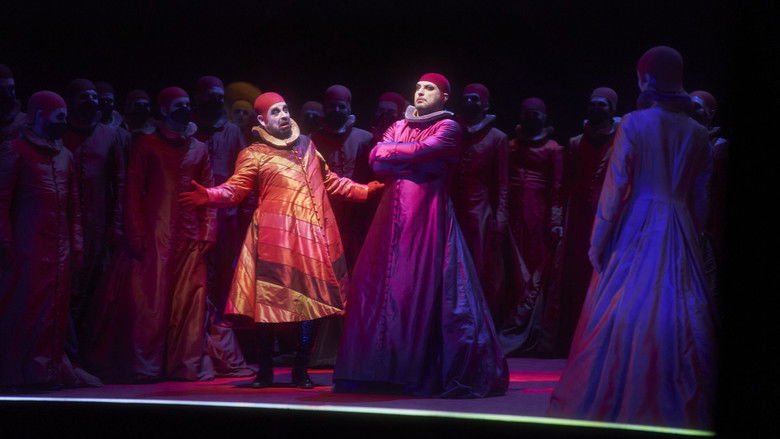
Rigoletto (2021)
When a sharp-tongued court jester Rigoletto is cursed for his spiteful words, he is forced to hide his unworldly daughter Gilda from his own licentious master the Duke. For Verdi’s wonderful ambivalent hunchback, paradise is the peaceful home and family that he struggles to protect.
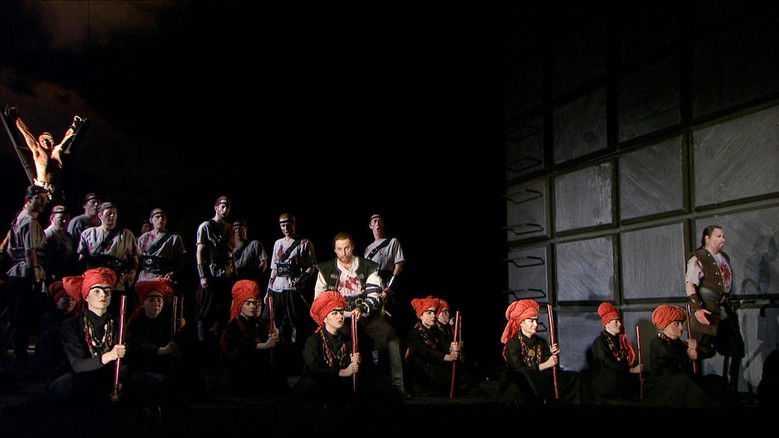
MacBeth (2011)
Macbeth, the Thane of Glamis, receives a prophecy from a trio of witches that one day he will become King of Scotland. Consumed by ambition and spurred to action by his wife, Macbeth murders his king and takes the throne for himself.
Nabucco (1981)
Set during the reign of Nebuchadnezzar (Nabucco), King of Babylon, the opera tells the tale of Nabucco's fictitious daughters, Abigaille and Fenena, who are rivals for the love of Ismaele, nephew of the King of Jerusalem.
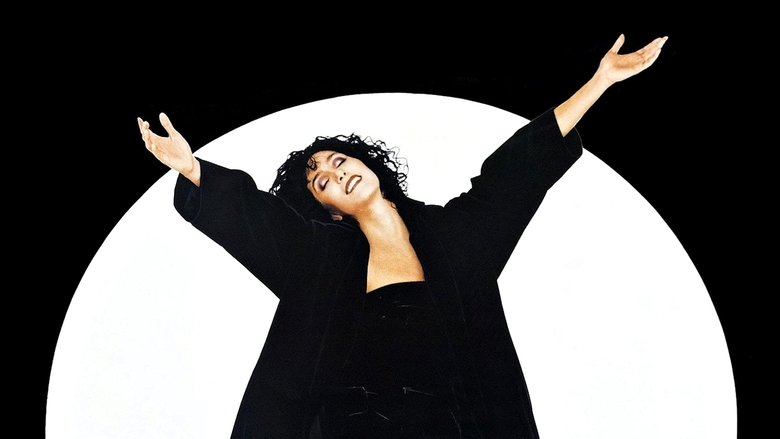
Moonstruck (1987)
37-year-old Italian-American widow Loretta Castorini believes she is unlucky in love, and so accepts a marriage proposal from her boyfriend Johnny, even though she doesn't love him. When she meets his estranged younger brother Ronny, an emotional and passionate man, she finds herself drawn to him. She tries to resist, but Ronny, who blames his brother for the loss of his hand, has no scruples about aggressively pursuing her while Johnny is out of the country. As Loretta falls for Ronny, she learns that she's not the only one in her family with a secret romance.
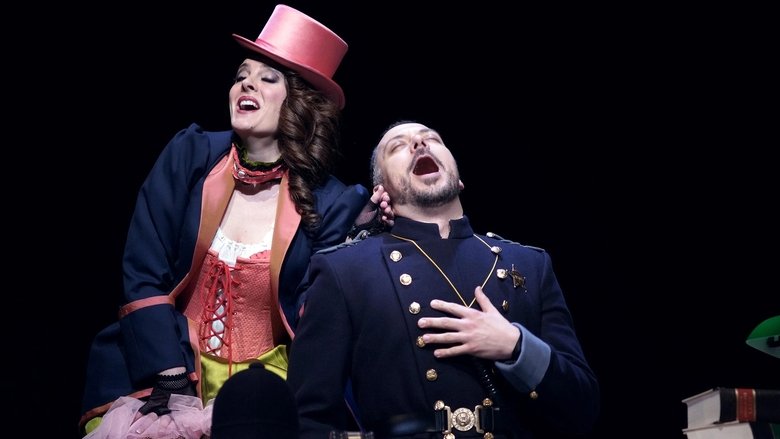
Das Liebesverbot (2016)
This Wagner opera is rarely performed because of the scandals that engulfed the Magdeburg Theatre when it was performed in 1836 under the title The Novice of Palermo, and became known as a cursed opera from which the composer had to distance himself. Wagner's adaptation of the story reflects the rebellious mood of a Revolutionary Germany, vindicating sensual love and attack the fanatical repression of sexuality by a puritanical and hypocritical authority. As the prose says, "Shame to him whose cruel striking/Kills for faults of his own liking!". One of the most extraordinary musicals based on a text by Shakespeare, especially worthy of a new performance as it is four hundred years since the death of the Bard.
The Nose (1979)
Shostakovich’s satirical opera adapted from the classic short story by Nikolai Gogol. Baritone Eduard Akimov leads the cast as Kovalyov, the hapless bureaucrat whose nose has mysteriously gone missing.
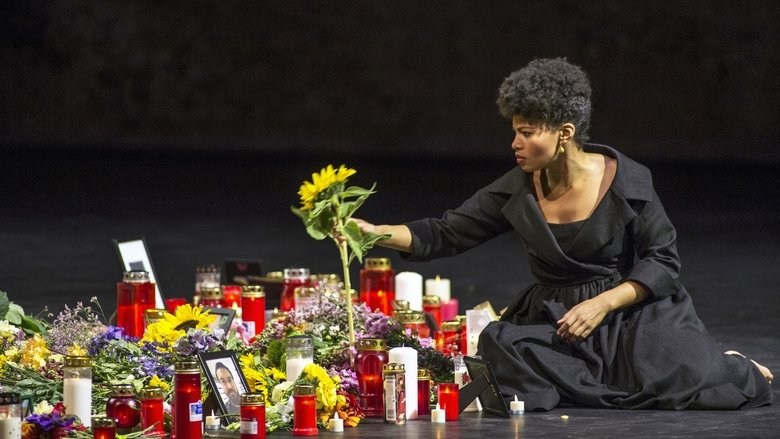
Mozart: La clemenza di Tito (2017)
How do we live together in an age of conflict? How do you heal a divided and angry people? In their 2017 production of Mozart’s La clemenza di Tito, Peter Sellars and Teodor Currentzis examine these questions through the story of a warrior-emperor who brings peace to his divided land and pardons his own would-be assassins. Written under a time crunch (legend has it that it was written in only 18 days, although it is likely an exaggeration) during the last year of Mozart’s life, the opera is based on a libretto written more than half a century earlier by Pietro Metastasio. It was commissioned for the coronation of Leopold II as King of Bohemia, and received its first public performance at the Estates Theatre in Prague on September 6, 1791.
Turandot (2002)
Valery Gergiev leads the Vienna Philharmonic Orchestra in this production of Puccini's opera, recorded live at the Salzburger Festspiele in 2002. David Pountney's production features performances by Gabriele Schnaut, Paata Burchuladze, Johan Botha and Cristina Gallardo-Domas. This production uses Luciano Berio's 2001 completion of this unfinished opera.
Tosca (2001)
Tosca, suspecting his lover is seeing anothe woman, turn him, painter Mario Cavaradossi, to Baron Scarpia.
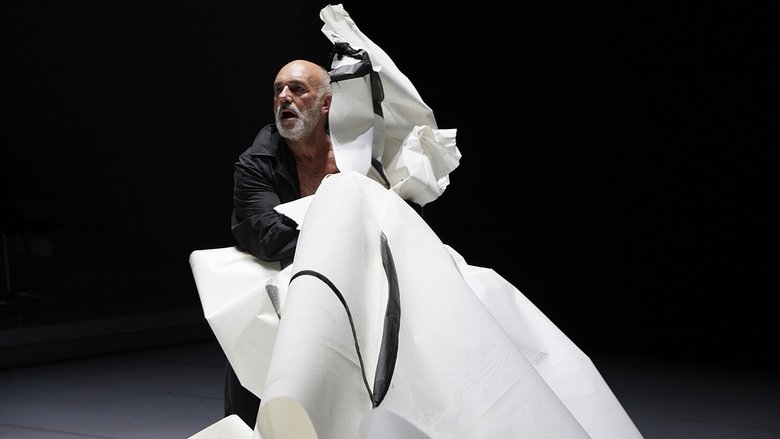
Moses und Aron (2009)
One of the greatest revolutions in the history of mankind happened around 3000 years ago: the transition from polytheism to monotheism through the prophet Moses. God revealed himself directly to Moses, instructing him in absolute truth. Moses was charged with leading the people of Israel to the Promised Land and escaping from Egyptian slavery. Moses came to embody the relationship between the human and divine truth. God’s call to Moses presented a new idea that exploded all previous religious concepts: ‘One God – unique, eternal, intangible, inconceivable’. Moses understands this concept, but is unable to express it, and therefore God appoints Moses’ brother Aaron as his spokesman. They are bound to fail: Aaron can only approach sharing the idea by compromising its meaning, whilst Moses is left to search fruitlessly for “the word I lack …” This production of Arnold Schoenbergs opera was filmed during the Ruhrtriennale 2009.
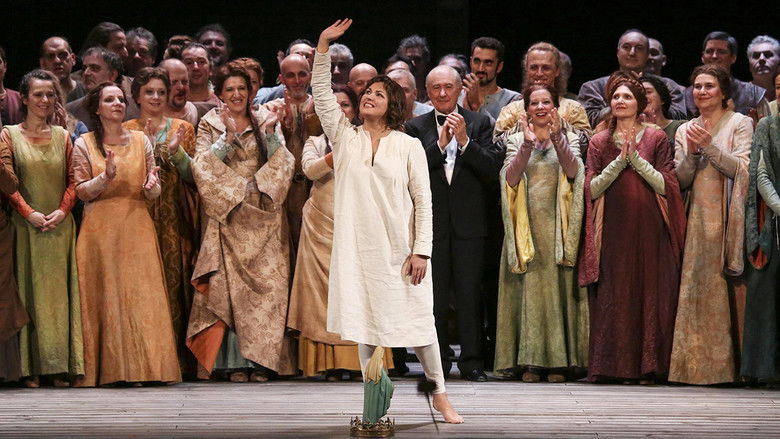
Teatro alla Scala: Joan of Arc (2018)
"Giovanna d'Arco; ossia, la pulzella d'Orléans" is an operatic dramma lirico with a prologue and three acts by Giuseppe Verdi to an Italian libretto by Temistocle Solera. The opera partly reflects the story of Joan of Arc and is based on a play by Friedrich von Schiller, although claimed by the librettist to be "an entirely original Italian drama." If the thought of Anna Netrebko strutting her stuff in a suit of armour and tin hat sets your factor tingling then this is a must. It's an inconsistent opera but has some quite wonderful music along the way. The rest of the cast is good and the production won't offend either. Get it for Ms Netrebko's incredible performance alone.
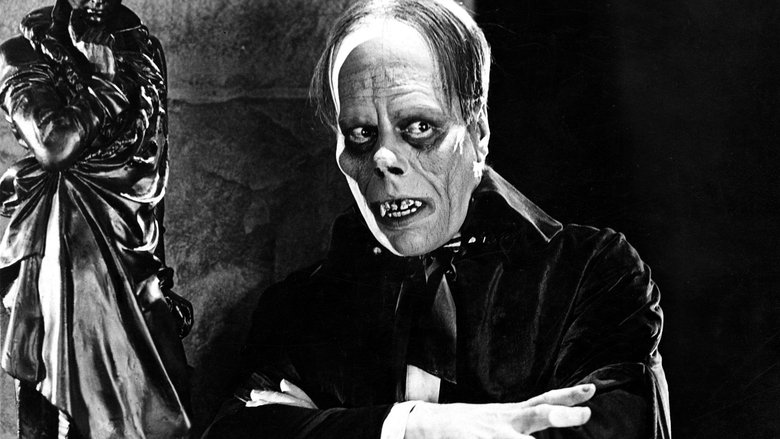
The Phantom of the Opera (1925)
The deformed Phantom who haunts the Paris Opera House causes murder and mayhem in an attempt to make the woman he loves a star.
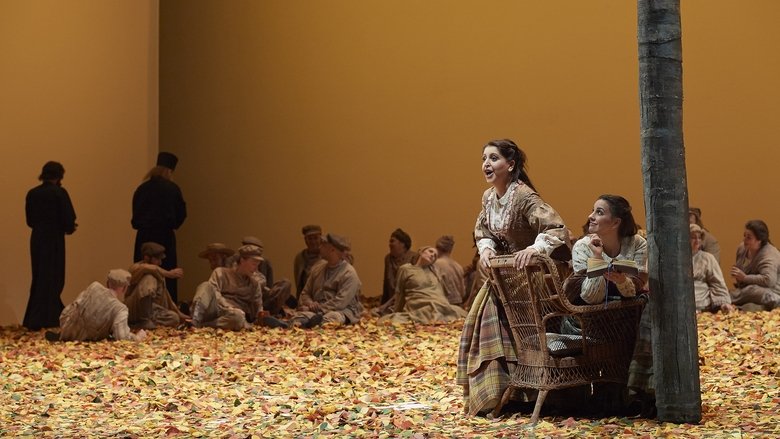
Tchaikovsky: Eugene Onegin (2007)
The pain of unrequited love is portrayed unforgettably by two of today’s greatest stars. Renée Fleming is musically and dramatically radiant as the shy Tatiana, who falls in love with the worldly Onegin, played with devastating charisma by Dmitri Hvorostovsky. Their mesmerizing vocalism and chemistry explode in one of opera’s most heartbreaking final scenes. With Valery Gergiev on the podium conducting Tchaikovsky’s passionate score, this performance is one for the ages.
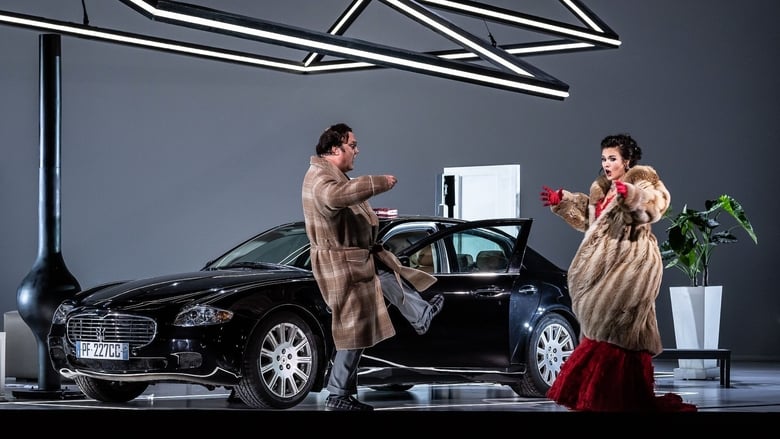
Royal Opera House: Don Pasquale (2019)
Royal Opera favourite Bryn Terfel heads the cast for this new production of Donizetti’s comedy of domestic drama across two generations. The witty story of a middle-aged man whose supposed young wife runs rings around him – with her own ulterior romantic purpose in mind – has long delighted and surprised audiences, not least as presented with the sparkle of its music and the virtuoso skill of its performers. Damiano Michieletto’s exhilarating production shows how contemporary the characters still are and how immediate and touching the story remains.
Royal Opera House: La Bohème (2020)
Richard Jones’ “La bohème” is an important weapon in the Royal Opera’s commercial arsenal. This is its second revival since Jones’ production hit the stage in autumn 2017, replacing John Copley’s beloved 40-year old staging, resplendent with period detail and resolutely naturalist. Jones brings a considerable break with the past in his approach, pointing the way towards thought-provoking possibilities for the work, though it is a clearly a show that defers to the need for regular revival and breadth of appeal.
Royal Opera House: Fidelio (2020)
Beethoven’s only opera is a masterpiece, an uplifting story of risk and triumph. In this new production, conducted by Antonio Pappano, Jonas Kaufmann plays the political prisoner Florestan, and Lise Davidsen his wife Leonore (disguised as ‘Fidelio’) who daringly sets out to rescue him. Set in strong counterpoint are the ingredients of domestic intrigue, determined love and the cruelty of an oppressive regime. The music is transcendent throughout and includes the famous Act I Quartet, the Prisoners’ Chorus and Florestan’s impassioned Act II cry in the darkness and vision of hope. Tobias Kratzer’s new staging brings together the dark reality of the French Revolutionary ‘Terror’ and our own time to illuminate Fidelio’s inspiring message of shared humanity.
Handel: Admeto (2006)
Axel Kohler, the internationally renowned countertenor has brought Admeto into the modern era in timeless style by the skillful application of imaginative theatrical digressions. Köhler's production at the Halle Opernhaus revisits a work that encompasses comedy, tragedy and almost absurd grotesqueness, couching it in the convincing metaphor of a modern hospital.