
I Am Scared As Hell (2022)
Experimental video art shot in the Wallingford neighborhood of Seattle
Experimental video art shot in the Wallingford neighborhood of Seattle
An experimental documentary looking at the transgender experience around the world over two hemispheres, three continents and with four interviewees. The film employs limited B roll shots or edits during the interviews, instead opting to have the interviews mostly uncut, with the goal of creating both a level of sincerity and a conversational narrative between any one of the interviewees and the audience.
A memorial mourns as time passes
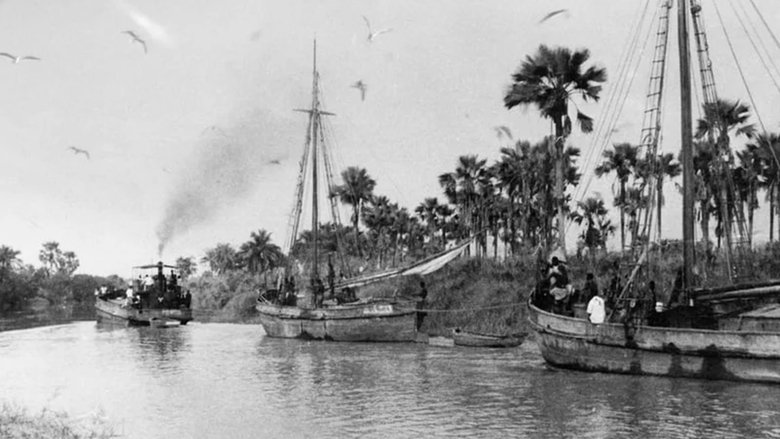
Angolan director and screenwriter Pocas Pascoal reminds us that it’s time for a change, proposing through this film a look at colonialism, capitalism, and their impact on global biodiversity. We observe that the destruction of the ecosystem goes back a long way and is already underway through land exploitation, big game hunting, and the exploitation of man by man.
For this work Alÿs purchased a gun in Mexico City then walked through the city streets with the weapon in his hand. After eleven minutes he was arrested by the police. The following day he repeated the action, this time in cooperation with the police. By presenting a record of this dramatic action alongside footage of its reenactment, Alÿs blurs the boundaries between documentation and fiction. Questioning the concept of authenticity, this work demonstrates “how media can distort and dramatize the immediate reality of a moment,” the artist has said. Gallery label from Francis Alÿs: A Story of Deception, May 8–August 1, 2011.
Cormac McCarthy has spent the last 25 years writing his novels at the mountain top retreat of the Santa Fe Institute (SFI) in New Mexico. An institute dedicated to the formal analysis of complex systems. In this documentary filmed at the library at SFI (and in the desert), Cormac in conversation with his colleague David Krakauer, reflects on isolation, mathematics, character, and the nature of the unconscious
This audio-visual tone poem uses the language of filmmaking to offer a first-hand evocation of the turbulent psychological effects one can experience due to prolonged lack of sunlight.
An inspiring 75min DIY documentary film on new art and the young artists behind it. It was all filmed on the heat of live action of the first NOVA Contemporary Culture Festival, July and August 2010 in São Paulo, Brazil.
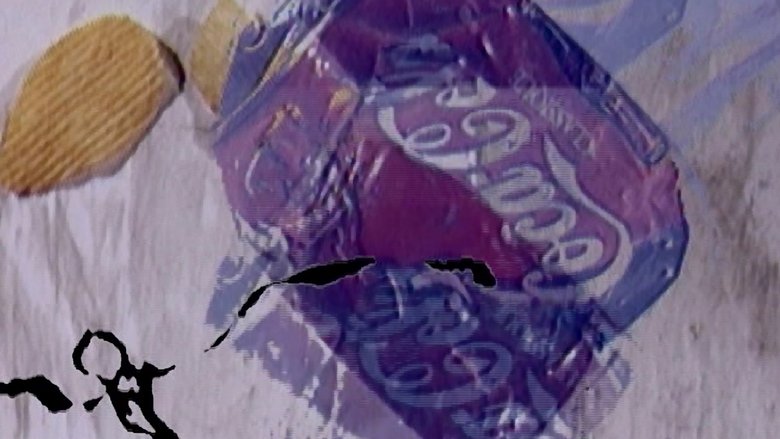
A whirlwind of improvisation combines the images of animator Pierre Hébert with the avant-garde sound of techno whiz Bob Ostertag in this singular multimedia experience, a hybrid of live animation and performance art.
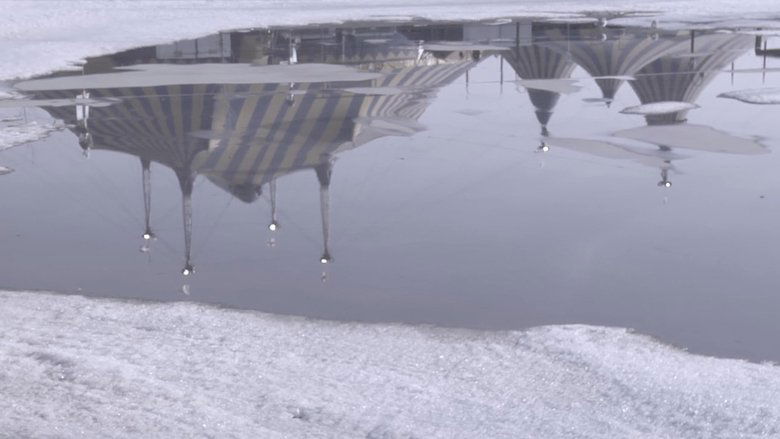
How Montreal is transformed from winter to spring. Inspired by Berlin: Symphony of a great city, Printemps Now! is a cinematographic poem, an audiovisual symphony of the city of Montreal transitioning from winter to spring.
Soul Cage is a non-verbal documentary, which shows the process of creation. The specially composed music builds the dramaturgy of the film on equal rights with the image. This “cinematographic sonata” explores the boundaries of documentary and operates with details, shadows and mystery. The film gets inside the art process of Johanna Forsberg, who lives in the north of Sweden. From the raw metal mesh, cold and resistant, through the fragile moment of creation, to the darkness of the workshop – where everything is possible and the creations have their own life and souls.
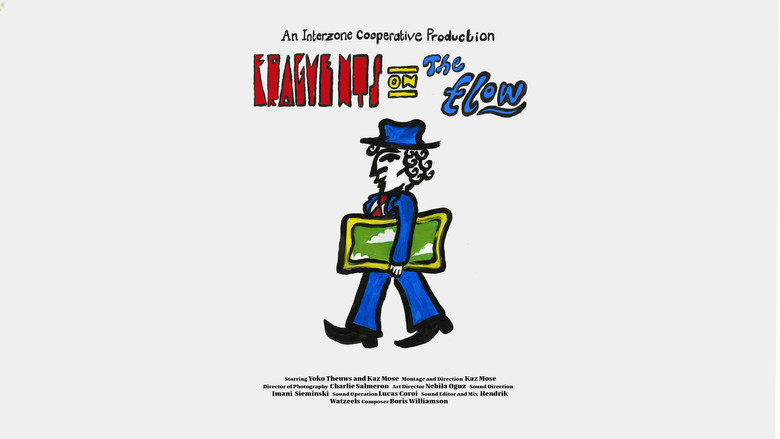
Fragments from Brussels, about the flow of the city, A cinema, A body, A film, and a wind that blows through the town. The film is a Schizomentry experience that blends real stories and fiction. After all, where is the border?
A frenetic found-footage documentary made entirely from “lost” unlabeled media on YouTube - weaving together nearly a thousand raw videos, each mistakenly or mindlessly uploaded under a generic filename (e.g., IMG 1326, IMG 5493…).
Inside a computer a space-time is revealed in which image and sound become numbers and motion manifests as rhythm, flow and chaos. This tracking and integration experiment removes the superficial identity of video to detect kinetic disturbances in everyday environment.
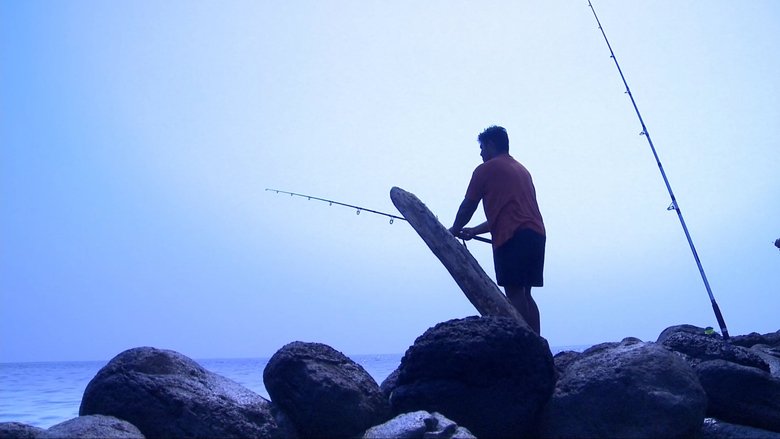
A trip that the author makes to a distant beach trying to find the place where his grandfather made a painting years ago.
Pedro is Mallorcan, born to a mother from Burgos and a father from Mallorca. Due to his distant relationship with his father, Pedro doesn't fully master Mallorcan as a language. He turns to the works of Damià Huguet to remember his father, as only his poems can fill the void left by his death. The poet's words transport Pedro to his childhood and his roots, even though many of the words are unknown to him, despite them belonging to his language. This becomes the driving force behind the protagonist's search for his own identity, his origins, what it means to be a man, father-son relationships, collective identity, and "mallorquinness". Pedro constantly questions the emotions stirred by Huguet's poetry, and, most importantly, who he is and where he belongs.
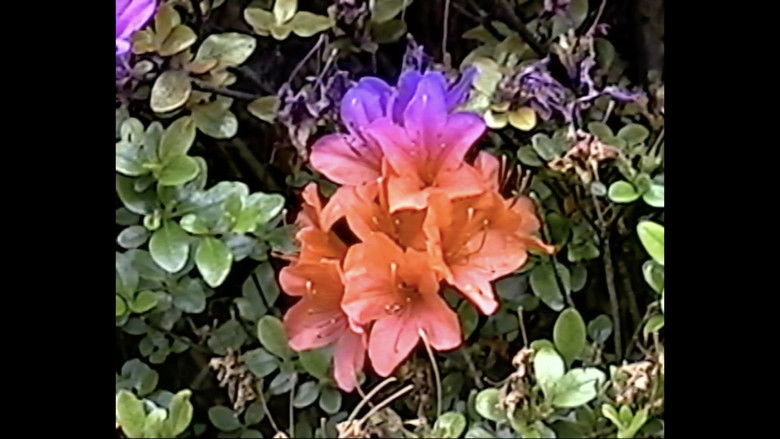
memory consolidation 01
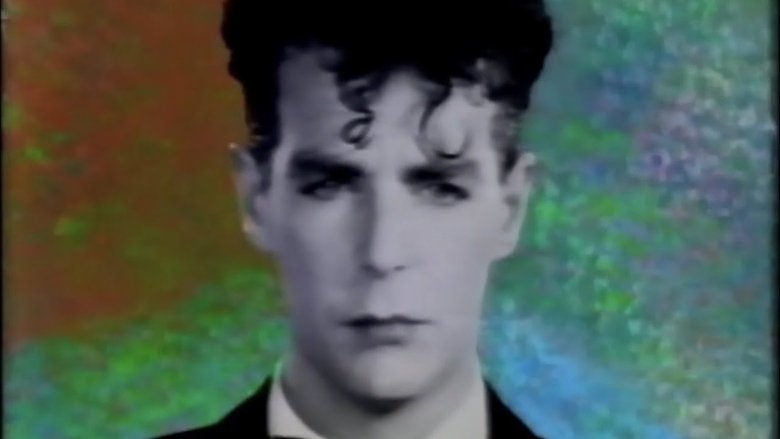
The innovative and influential British filmmaker Derek Jarman was invited to direct the Pet Shop Boys' 1989 tour. This film is a series of iconoclastic images he created for the background projections. Stunning, specially shot sequences (featuring actors, the Pet Shop Boys, and friends of Jarman) contrast with documentary montages of nature, all skillfully edited to music tracks.
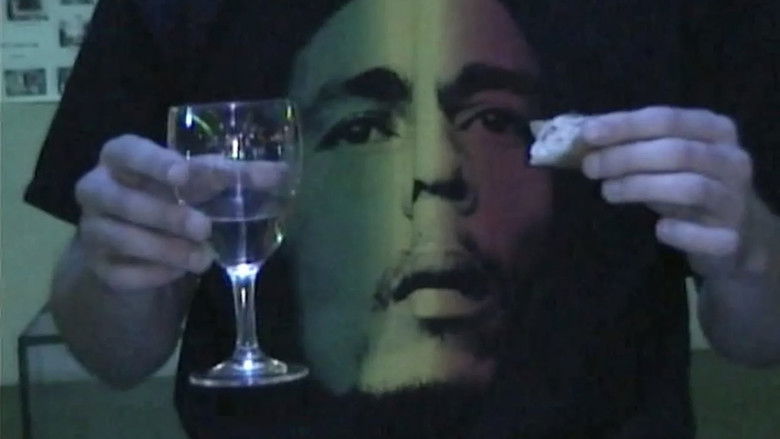
the film is the first 17ʼ20ʼʼ of digitized video from the Video8 Sony tape, without any additional cuts. the cassette was inside a vintage Sony DCR-TRV265E camcorder purchased on OLX on 24.10.2022 for 2000 UAH. trying to figure out how the camera works, I added my very own to these images.

A misty afternoon returns a Mapuche couple to their wedding video. In their civil ceremony, they are noted as one of only two couples married in the indigenous language of Mapudungun.
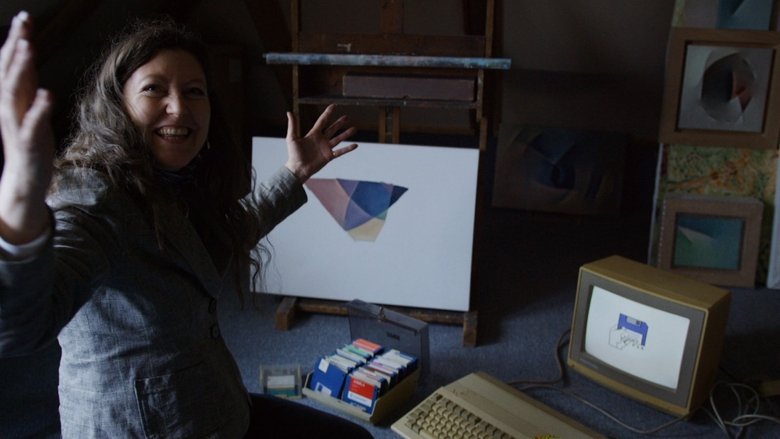
Today, analogue video is attractive primarily thanks to the distinctive aesthetic quality of its pixelated image and raster errors. But for Czech artists who first explored the possibilities offered by video art in the late 1980s, this medium represented a path towards freedom. Through a portrait of her grandfather Radek Pilař, one of the pioneers of Czech video art, the director explores her own legacy of imperative creative fascination. Her film’s main story, i.e., the process of reconstructing the 1989 exhibition Video Day, contrasts this enchantment with life in the final days of the totalitarian regime, which different sharply with the adventures of those who decided to emigrate – whom the filmmaker also visits in order to discover forgotten works, get to know their creators, and re-establish broken ties.