
Na počiatku bola pieseň (1970)
Martin Slivka's documentary film about Karol Plicka (1894-1987), the founder of Slovak cinematography.
Martin Slivka's documentary film about Karol Plicka (1894-1987), the founder of Slovak cinematography.
Karel PlickaSelfMartin SlivkaSelf Karol MachataSelf - Narrator
In a small Southern town, a plantation owner is duped into thinking a thief is a kind stranger. To repay the stranger for stopping a robbery, the plantation owner invites him to his home to meet his daughter.
Karel Plicka was also cinematographer of this short movie. Editor in charge was Alexander Hackenschmied. There is an extraordinary emotional charge, every shot is working on its own, such as photographs, paintings and poetic complement intertitles in this short. From the perspective of nature and the perspective is shifting to the people and their habits, work and clothes. Peculiar documentary shots underscore Ruthenians (men, women and children) who are interested in looking into the camera and the curious "eye" showing off their habits.

A folklore professor becomes unwittingly possessed by the ancient Japanese demons of Thunder and Lightning. But when The Bureau of Paranormal Research & Defense dispatches a team of agents to investigate, a cursed samurai sword sends Hellboy to a supernatural dimension of ghosts, monsters, and feudal mayhem. Now while pyrokinetic Liz Sherman and fishboy Abe Sapien battle one very pissed-off dragon, a lost and cranky Hellboy must find his way home.
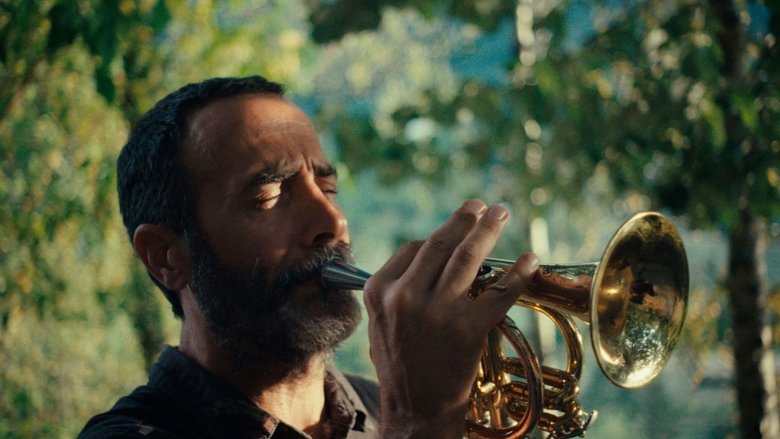
In the summer of 1961, a group of young Italian anthropologists made a clandestine journey through Spain, in order to record popular songs that supported anti-Franco resistance. As a result of their work, they were prosecuted and their recordings were censored. Sixty years later, and guided by Emilio Jona, aged 92, the last living member of that group of travellers, we recover the unpublished recordings and reconstruct the journey, today, across an emotional and political landscape, regaining historical memories through these songs, as relevant today as they were then.
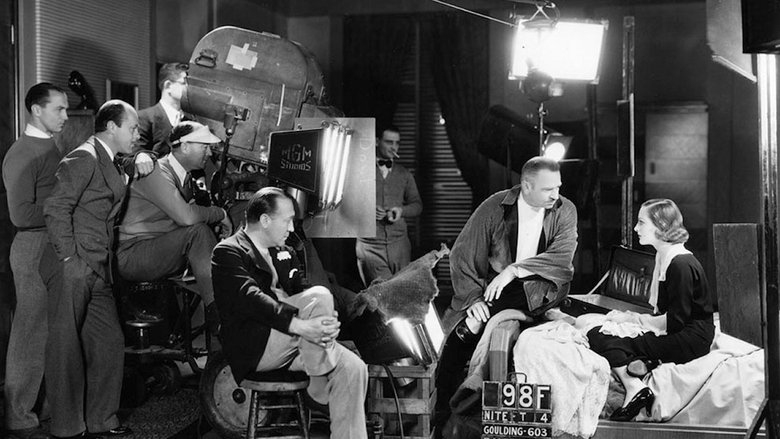
Cameramen and women discuss the craft and art of cinematography and of the "DP" (the director of photography), illustrating their points with clips from 100 films, from Birth of a Nation to Do the Right Thing. Themes: the DP tells people where to look; changes in movies (the arrival of sound, color, and wide screens) required creative responses from DPs; and, these artisans constantly invent new equipment and try new things, with wonderful results. The narration takes us through the identifiable studio styles of the 30s, the emergence of noir, the New York look, and the impact of Europeans. Citizen Kane, The Conformist, and Gordon Willis get special attention.
A group of teenagers go out to a den in the woods for a night of drinking, unaware that their behaviour touches on issues of ritual, folklore, mysticism and UFOs.
In the same vein as Meri's other documentations, this one takes advantage of the glasnost policy to discuss the social and ecologic impact of the Russian oil industry on the natives and the lands they inhabit.
In Africa there is a fable that explains the creation of the tides. When a hyaena challenged a mudskipper to a drinking contest to decide who should own the shore, the god Mungu tilted the earth so the sea flowed inland, and neither could win.
The Matica slovenská (a mostly government-sponsored cultural, academic, and archival institution) employed Karol Plicka (1894-1987) as its ethnographer, who was able to make documentary shorts from about 1926. He obtained funding from the President’s Office in 1928 to produce an hour-long documentary about village life, Through Mountains and Valleys (Po horách, po dolách). It was awarded a Gold Medal at the International Exposition of Photographic Art in Florence and received an Honorable Mention at the International Venice Film Festival in 1932.
The film is inspired by the life of the Goral population in the Orava region, a life connected with the beautiful but harsh nature, rich in emotional expressions of folk culture. Against this backdrop unfolds the story of a young musician's unfulfilled love for an enchantingly beautiful girl.
Since ancient times, the Green Man has been one of the most mysterious and menacing of mythical characters. He also has a familiar face as Robin Hood , Jack in the Green and on numerous pub signs. Across the arts from comic strips to classical opera, the Green Man is now making a comeback. Where is he taking us? Writer Sir Kingsley Amis , film director John Boorman , composer Sir Harrison Birtwistle and other leading artists offer their interpretations of the mystery in this Omnibus documentary film from 16th November, 1990.
For the 'Are'are people of the Solomon Islands, the most valued music is that of the four types of panpipe ensembles. With the exception of slit drums, all musical instruments are made of bamboo; therefore the general word for instruments and the music performed with them is "bamboo" ('au). This film shows the making of panpipes, from the cutting the bamboo in the forest to the making of the final bindings. The most important part of the work consists in shaping each tube to its necessary length. Most 'Are'are panpipe makers measure the length of old instruments before they shape new tubes. Master musician 'Irisipau, surprisingly, takes the measure using his body, and adjusts the final tuning by ear. For the first time we can see here how the instruments and their artificial equiheptatonic scale-seven equidistant degrees in an octave-are practically tuned.
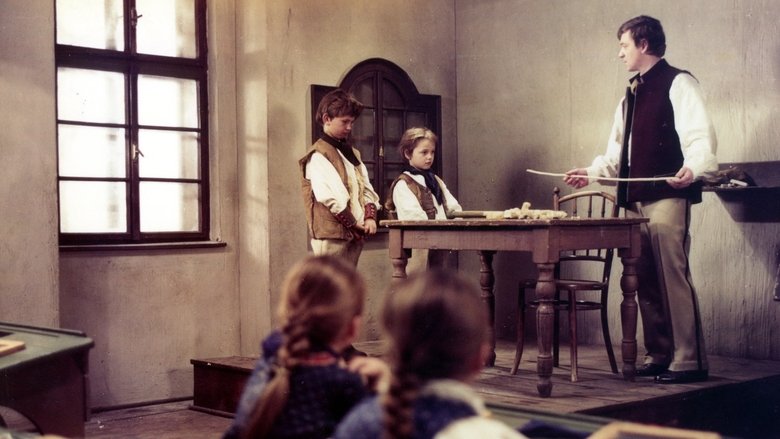
Lovely overview of traditional Slovak Christmas.
Antonia Quirke looks at the history of the colour film industry to find out who produced the first moving colour images.