
Goodwin’s Way (2016)
Goodwin's Way is a 1-hr. documentary exploring a British Columbia town's resistance to a coal-powered future 100 years after the killing of controversial local labour activist Ginger Goodwin.
Goodwin's Way is a 1-hr. documentary exploring a British Columbia town's resistance to a coal-powered future 100 years after the killing of controversial local labour activist Ginger Goodwin.
 Joe KeithleySelfLeslie BairdSelfGordon CarterSelfBrian CharltonSelfConner CopemanSelfMeaghan CursonsSelfJesse GentesSelfMike KeelanSelfDestanne LundquistSelfSusan MayseSelf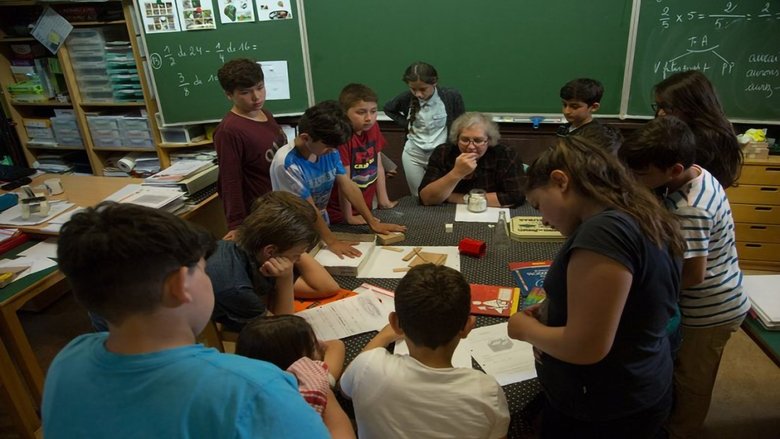
In the small local school of Cheratte, a former mining town, 11-year old students with and immigrant background are coming to the end of their primary school education with Brigitte. She is a dynamic teacher whose particular pedagogical approach aims to give these pupils a firm foundation to build on in this constantly changing world.
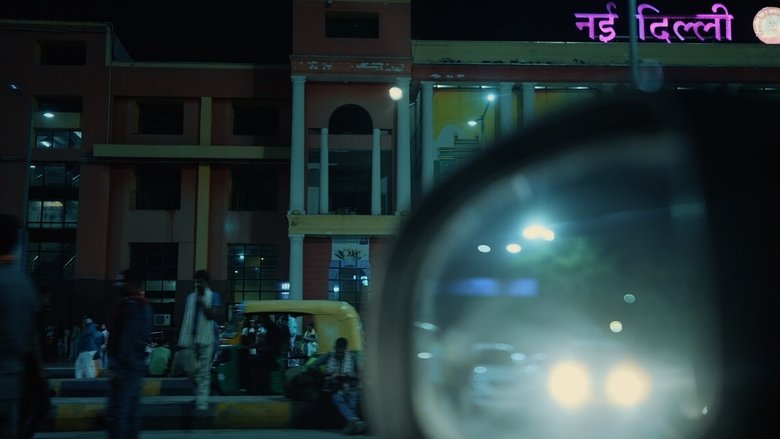
Three women share their experience of navigating the app-world in the metro city. The sharings reveal gendered battles as platform workers and the tiresome reality of gig-workers' identities against the absent bosses, masked behind their apps. Filmed in the streets of New Delhi, the protagonists share about their door-to-door gigs, the surveillance at their workplaces and the absence of accountability in the urban landscape.
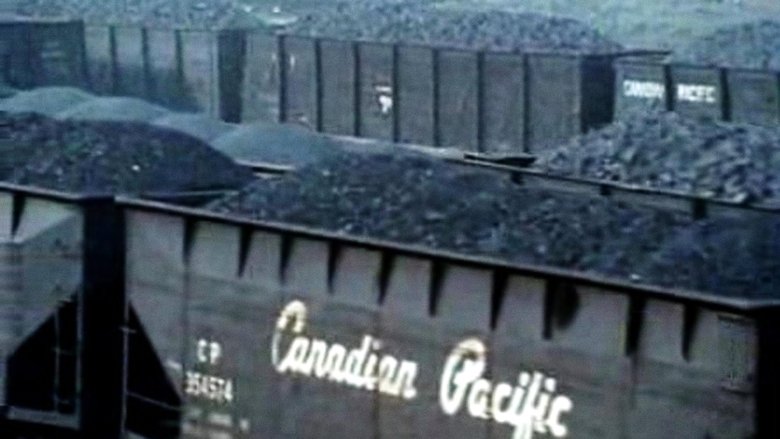
What happens to two dying coal towns in British Columbia when an American corporation provides a contract for millions of tons of coking coal? The film follows the consequences for the towns of Natal and Michel, suggesting that industrial growth has its price, especially with regard to the environment.
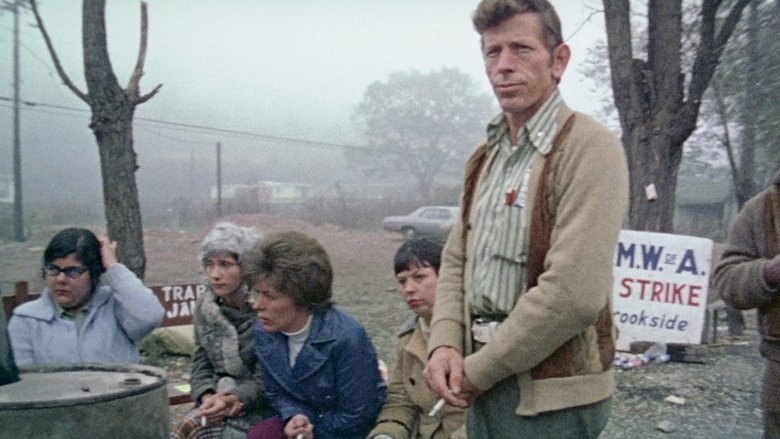
This film documents the coal miners' strike against the Brookside Mine of the Eastover Mining Company in Harlan County, Kentucky in June, 1973. Eastover's refusal to sign a contract (when the miners joined with the United Mine Workers of America) led to the strike, which lasted more than a year and included violent battles between gun-toting company thugs/scabs and the picketing miners and their supportive women-folk. Director Barbara Kopple puts the strike into perspective by giving us some background on the historical plight of the miners and some history of the UMWA. Preserved by the Academy Film Archive in partnership with New York Women in Film & Television in 2004.
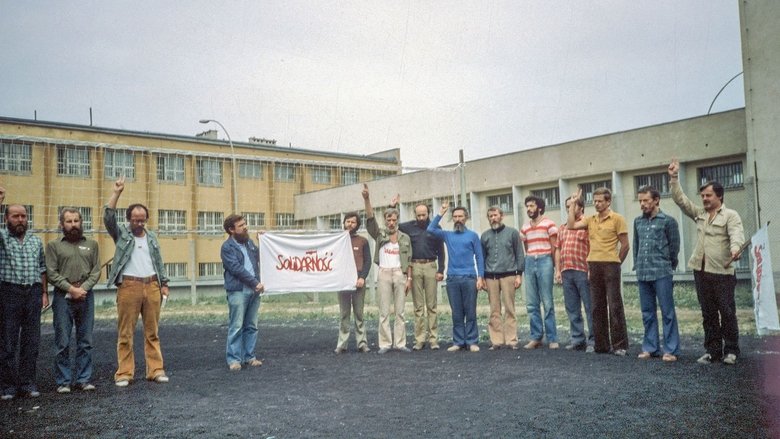
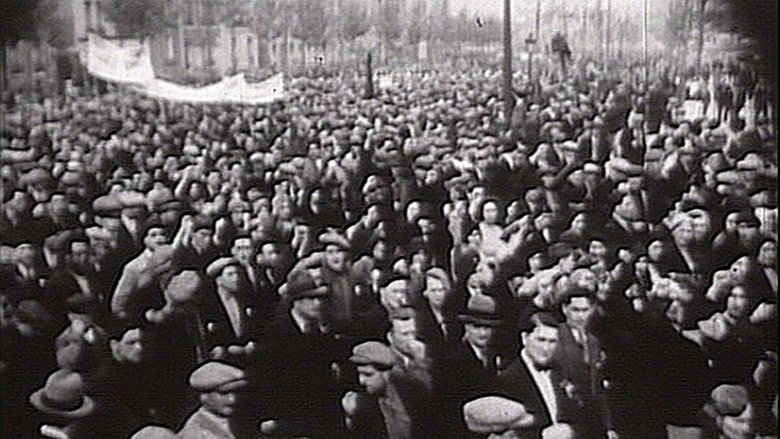
Gdańsk, Poland, September 1980. Lech Wałęsa and other Lenin shipyard workers found Solidarność (Solidarity), the first independent trade union behind the Iron Curtain. The long and hard battle to bring down communist dictatorship has begun.

A very human tech doc, uncovers the real costs of the platform economy through the lives of workers from around the world for companies including Uber, Amazon and Deliveroo. From delivering food and driving ride shares to tagging images for AI, millions of people around the world are finding work task by task online. The gig economy is worth over 5 trillion USD globally, and growing. And yet the stories of the workers behind this tech revolution have gone largely neglected. Who are the people in this shadow workforce? It brings their stories into the light. Lured by the promise of flexible work hours, independence, and control over time and money, workers from around the world have found a very different reality. Work conditions are often dangerous, pay often changes without notice, and workers can effectively be fired through deactivation or a bad rating. Through an engaging global cast of characters, it reveals how the magic of technology we are being sold might not be magic at all.
Have you ever wondered what it is like to live on a Nike sweatshop wage? Watch the award-winning short film, Behind the Swoosh, and see Jim Keady and Leslie Kretzu attempt to survive on a Nike worker’s wage in the industrial slums of Indonesia.
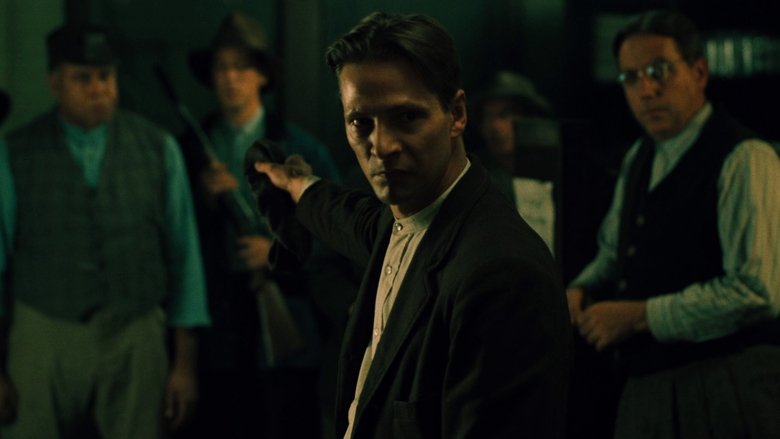
Filmed in the coal country of West Virginia, "Matewan" celebrates labor organizing in the context of a 1920s work stoppage. Union organizer, Joe Kenehan, a scab named "Few Clothes" Johnson and a sympathetic mayor and police chief heroically fight the power represented by a coal company and Matewan's vested interests so that justice and workers' rights need not take a back seat to squalid working conditions, exploitation and the bottom line.
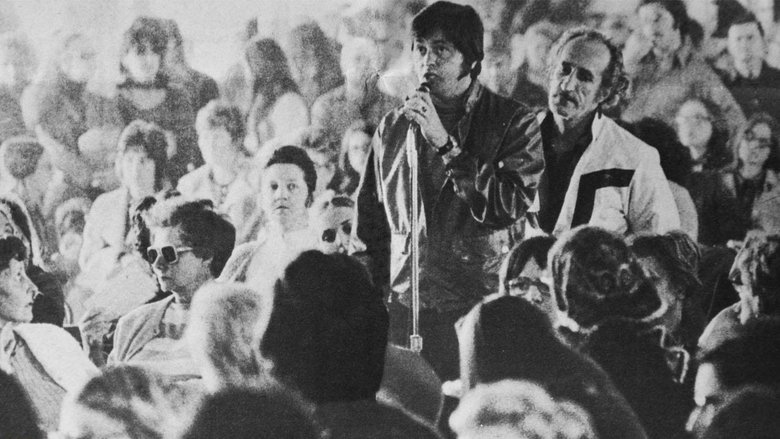
Pouvoir Oublier is a political documentary first constructed from the words of the speakers whose lives changed on the tragic day of May 10, 1972 in Sept-Îles. Their word will be juxtaposed with archival material from the events, some of which are unpublished, which will reflect the collective euphoria in which Sept-Îles and all of Quebec were then bathed.

In 2008 French filmmaker Julie Gali traveled to the US to film the election of Barack Obama. In spite of this victory for civil rights, it soon became apparent that the rights of another minority were under threat. In California the passing of Proposition 8 marked the only time in U.S. history that a civil right was actually taken away after it had been granted. Upon seeing this, Ms. Gali decided to immerse herself in the growing grassroots struggle of the gay community, which culminated in the October 11, 2009 March for Equality in Washington DC.
Documentary look at the 1996-97 effort of the dancers and support staff at a San Francisco peep show, The Lusty Lady, to unionize. Angered by arbitrary and race-based wage policies, customers' surreptitious video cameras, and no paid sick days or holidays, the dancers get help from the Service Employees International local and enter protracted bargaining with the union-busting law firm that management hires. We see the women work, sort out their demands, and go through the difficulties of bargaining. The narrator is Julia Query, a dancer and stand-up comedian who is reluctant to tell her mother, a physician who works with prostitutes, that she strips.

In County Durham, England, 1984, a talented young dancer, Billy Elliot, stumbles out of the boxing ring and onto the ballet floor. He faces many trials and triumphs as he strives to conquer his family’s set ways, inner conflict, and standing on his toes in a musical that questions masculinity, gender norms and conformity.
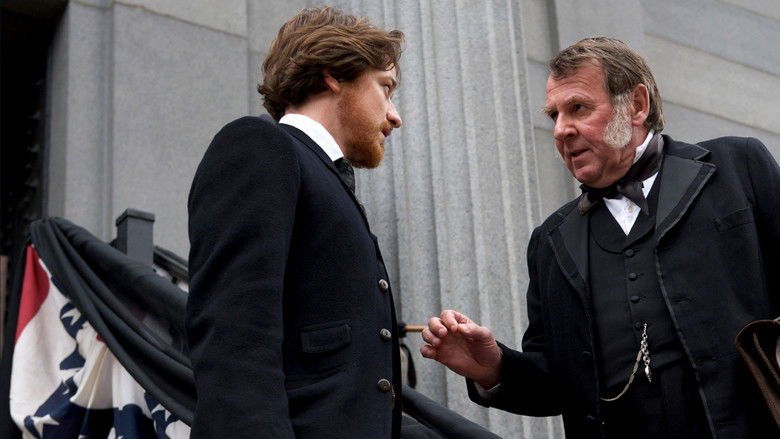
Mary Surratt is the lone female charged as a co-conspirator in the assassination trial of Abraham Lincoln. As the whole nation turns against her, she is forced to rely on her reluctant lawyer to uncover the truth and save her life.
This award-winning documentary tells the true story of the final Confederate raid into what is now northeastern Oklahoma. The raid culminated in the capture of more than 300 Federal supply wagons at Cabin Creek in the Cherokee Nation. Now streaming on TUBI, PRIME VIDEO, TRUETVPLUS, and HISTORYFIX.
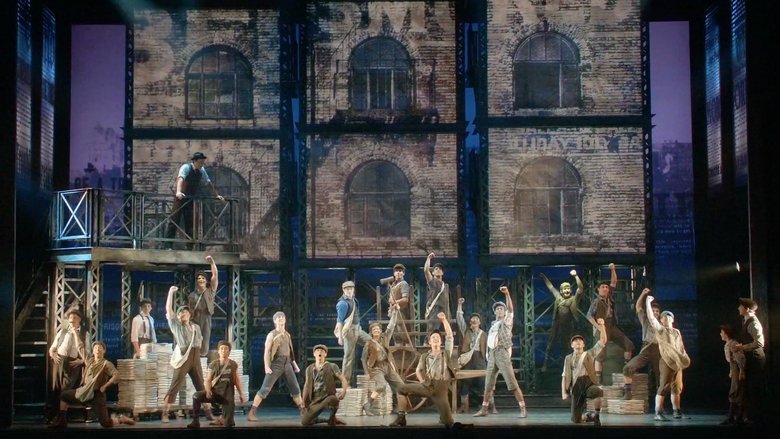
A week in the life of the exploited, child newspaper sellers in turn-of-the-century New York. When their publisher, Joseph Pulitzer, tries to squeeze a little more profit out of their labours, they organize a strike, only to be confronted with the Pulitzer's hard-ball tactics.
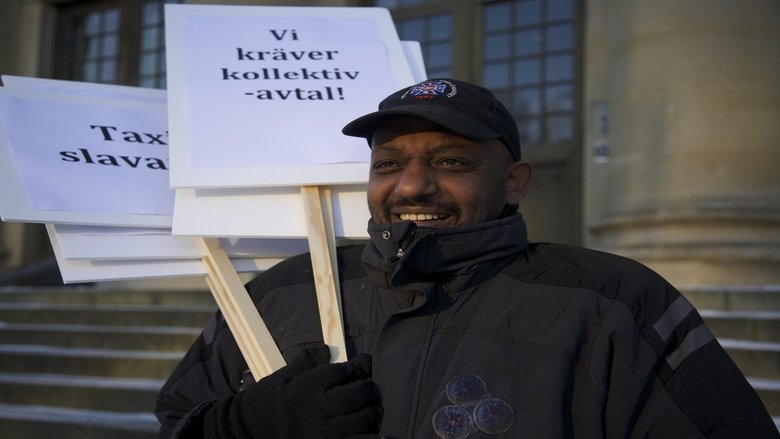
Allonias decides that enough is enough. He works 12-13 hours driving his taxi every day and still has no money left to pay for rent and clothes for their three children. He begins a battle against Sweden’s largest taxi company owned by billionaire Rolf Karlsson. It leads to Rolf Karlsson selling the entire empire for around 2-3 billion SEK. But for Allonias it has a high price…
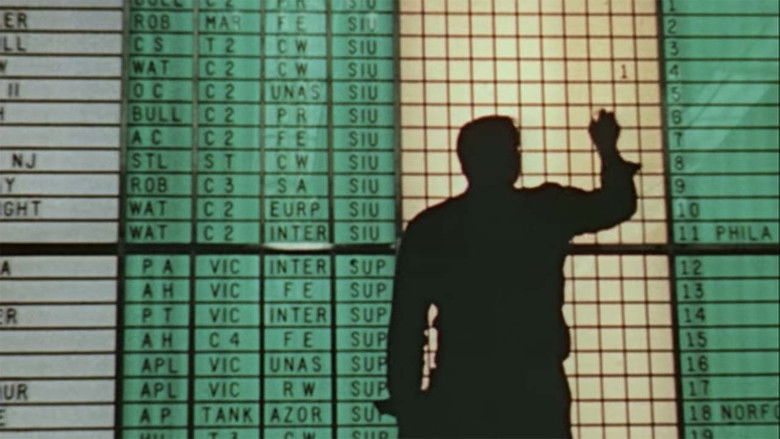
Stanley Kubrick’s first color film, commissioned by the Seafarers International Union to promote the benefits of union membership. Shot inside the union’s Atlantic and Gulf Coast District facilities, it features scenes of ships, machinery, cafeteria life, and meetings, highlighting the daily routines and camaraderie of seafarers. Thought lost for decades, the film was rediscovered in 1973 and preserved by the Library of Congress.
Kids, me and your uncle always had a weird relationship, but in the Summer of 1863, well, just watch. History project I made about the civil war and how Americans were divided.
Finland’s education system has consistently ranked among the best in the world for more than a decade. The puzzle is, why Finland? Documentary filmmaker, Bob Compton, along with Harvard researcher, Dr. Tony Wagner, decided to find out. The result of their research is captured in a new film, "The Finland Phenomenon: Inside the World’s Most Surprising School System". In the 60-minute film, Dr. Wagner guides the viewer through an inside look at the world’s finest secondary education system. A life-long educator and author of the best-selling book "The Global Achievement Gap," Dr. Wagner is uniquely qualified to explore and explain Finland’s success. From within classrooms and through interviews with students, teachers, parents, administrators and government officials, Dr. Wagner reveals the surprising factors accounting for Finland’s rank as the #1 education system in the world.