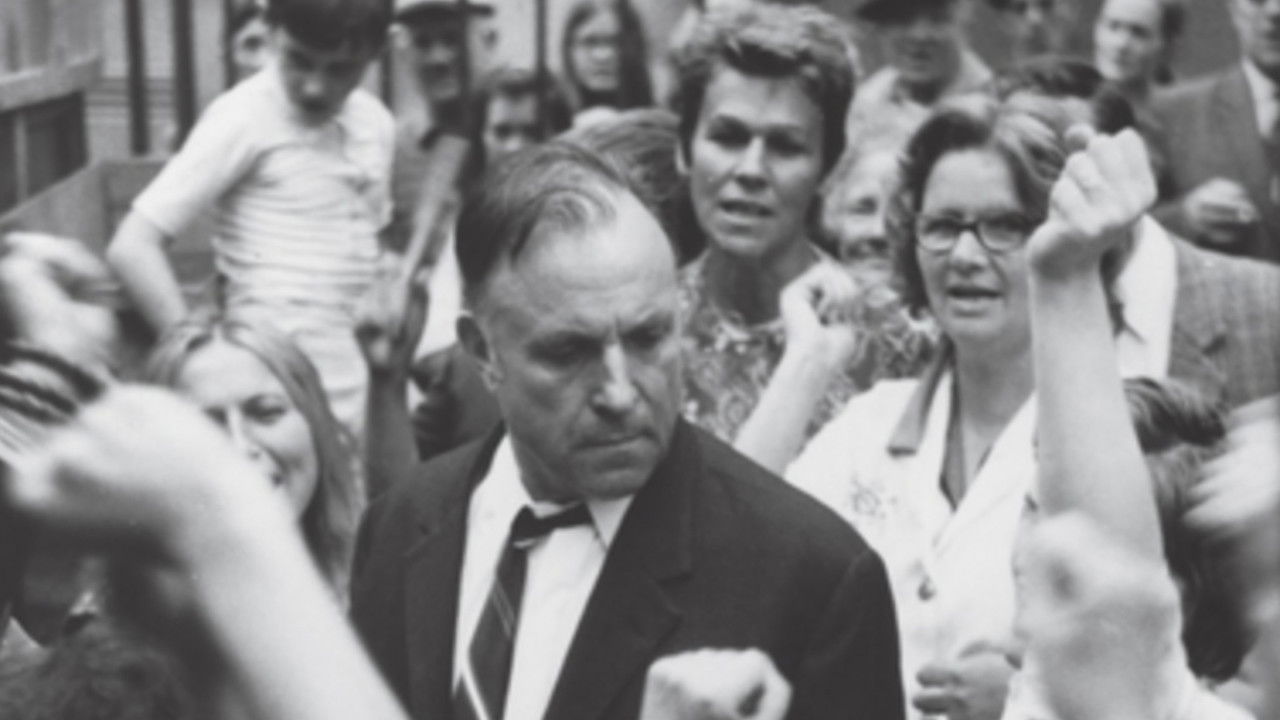
Blow for Blow (1972)
The film describes a strike in a French textile factory, when the striking workers occupy the factory.
The film describes a strike in a French textile factory, when the striking workers occupy the factory.
 Simone AubinJacqueline AuzellaudÉlodie AvenelAnne-Marie BacquiéJean-Pierre BaronskyAntoinette BarroisGinette BellegueuleJacques BellegueuleAïsha BenfattaS. Béranger
County Durham, England, 1984. The miners' strike has started and the police have started coming up from Bethnal Green, starting a class war with the lower classes suffering. Caught in the middle of the conflict is 11-year old Billy Elliot, who, after leaving his boxing club for the day, stumbles upon a ballet class and finds out that he's naturally talented. He practices with his teacher Mrs. Wilkinson for an upcoming audition in Newcastle-upon Tyne for the royal Ballet school in London.
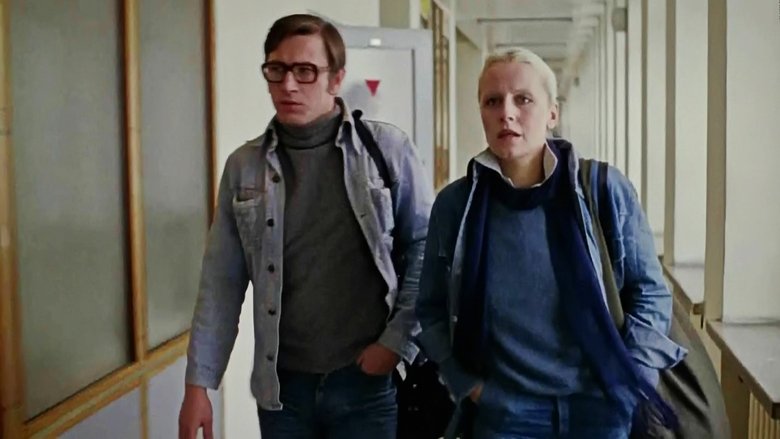
In Warsaw in 1980, the Communist Party sends disgruntled radio reporter Winkel to Gdańsk to dig up dirt on the shipyard strikers - particularly on Maciek Tomczyk, an independent labour union leader whose father was killed in the December 1970 protests. Posing as sympathetic, Winkel interviews the people surrounding Tomczyk, including his detained wife, Agnieszka.

Set amidst the 1999 student strikes in Mexico City, this coming-of-age tale finds two brothers venturing through the city in a sentimental search for an aging legendary musician. Shot in black-and-white, Güeros brims with youthful exuberance.
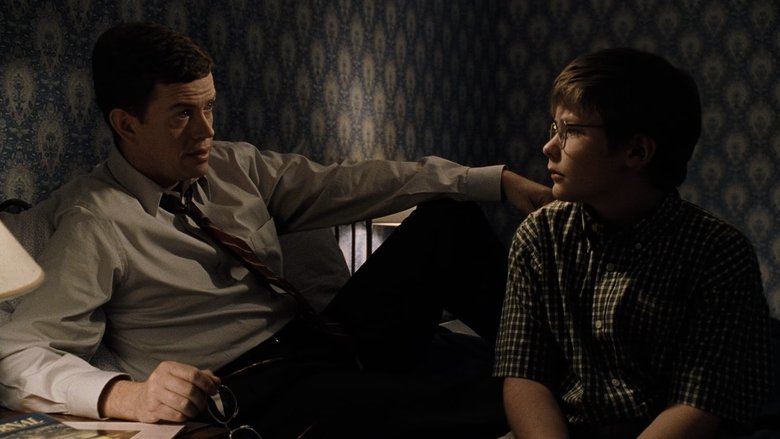
The lives of several individuals intertwine as they go about their lives in their own unique ways, engaging in acts which society as a whole might find disturbing in a desperate search for human connection.
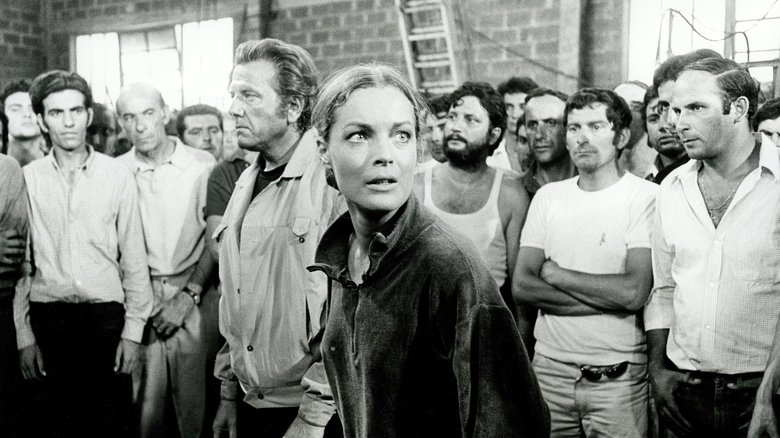
La Califfa's husband was killed during the strikes so she takes the side of the strikers. Her conflict with the plant owner Doverdo gradually turns into a love relationship.
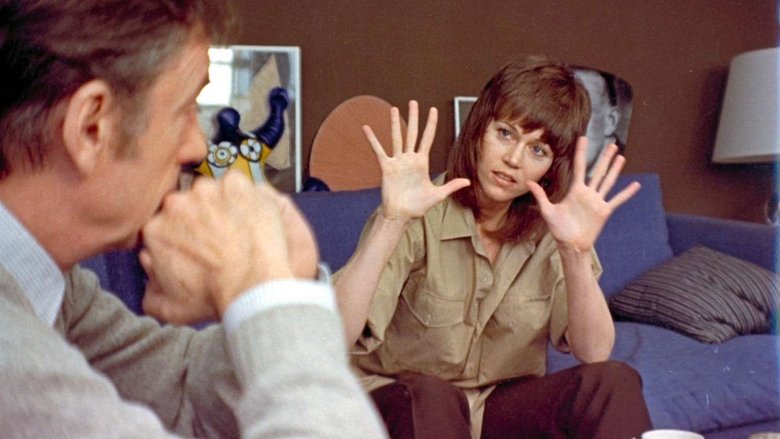
A strike at a French sausage factory contributes to the estrangement of a married filmmaker and his reporter wife.
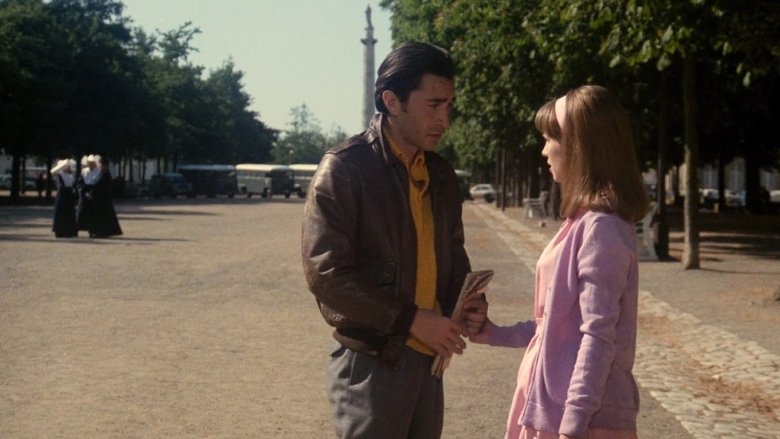
Set against the backdrop of an increasingly violent strike, a worker falls in love with the middle-class daughter of his landlady.
I.M. Mann, millionaire president of a large corporation, is known as "the man with the iron heart." James Boyd, cashier for Mann's corporation, is delayed one morning because of a dying mother, and is discharged. Then Boyd goes to Union headquarters with his story. The thousands of workmen employed by Mann finally reach the limit of endurance, and at a union meeting, resolve to demand increased wages, a cessation of child labor and other benefits, or strike. He refuses to hear a committee of workmen and says, "I'll close up the factories and let you starve."

After the funeral of one of their own, a criminal family decides to embark on an emotionally unnerving journey in an attempt to exact bloody revenge.
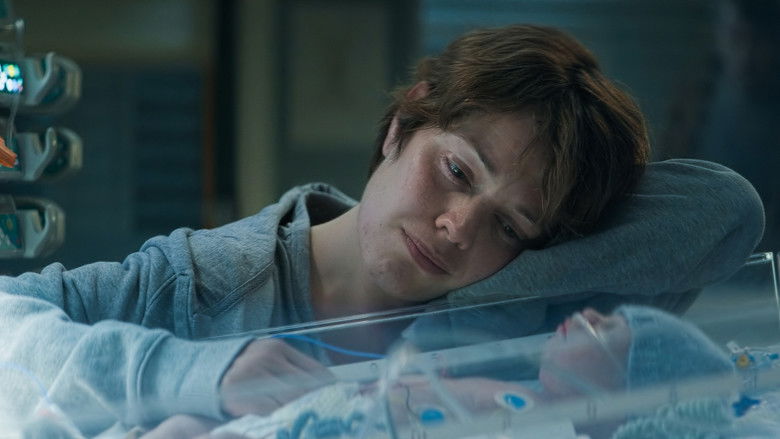
A specialist nurse is given responsibility for a baby boy with a serious heart condition in the middle of nurses’ strike. She is left balancing between her own family, the baby boy and her loyalty for nurses’ cause.
Sanda spends all her time working in a plastic factory, raising her two small children and catering to an indifferent husband, leaving little room for herself. A chance encounter with another man may offer her an escape from her daily chores.
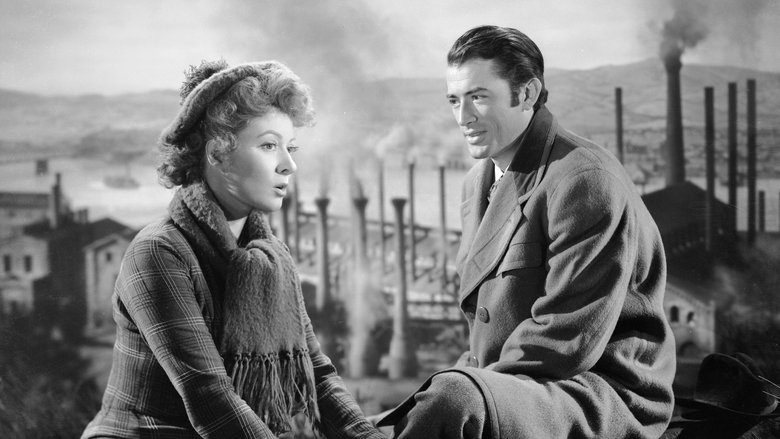
Mary Rafferty comes from a poor family of steel mill workers in 19th Century Pittsburgh. Her family objects when she goes to work as a maid for the wealthy Scott family which controls the mill. Mary catches the attention of handsome scion Paul Scott, but their romance is complicated by Paul's engagement to someone else and a bitter strike among the mill workers.
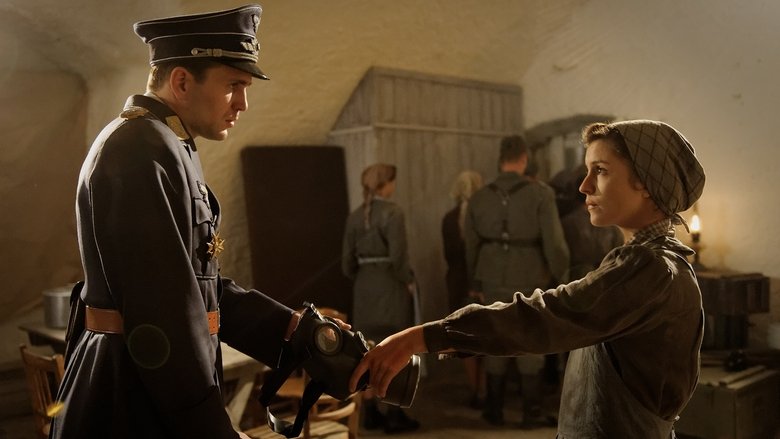
Two beautiful and different girls, Alice and Lisette are 17 years old, when forcibly removed from their Alsatian family to cooperate in the war effort in Germany. After spending six months in a indoctrination camp, they are both sent to a munitions factory where they are tasked to perform inhuman works. An explosion erupts, they are suspected of sabotage and threatened with being sent to a boot camp. Alice and Lisette believe they saved when transferred to a maternity where they continue living the hell of war.
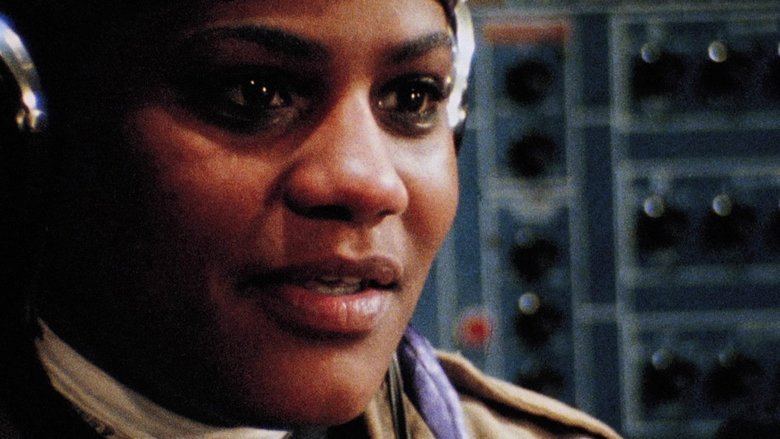
In near-future New York, ten years after the “social-democratic war of liberation,” diverse groups of women organize a feminist uprising as equality remains unfulfilled.
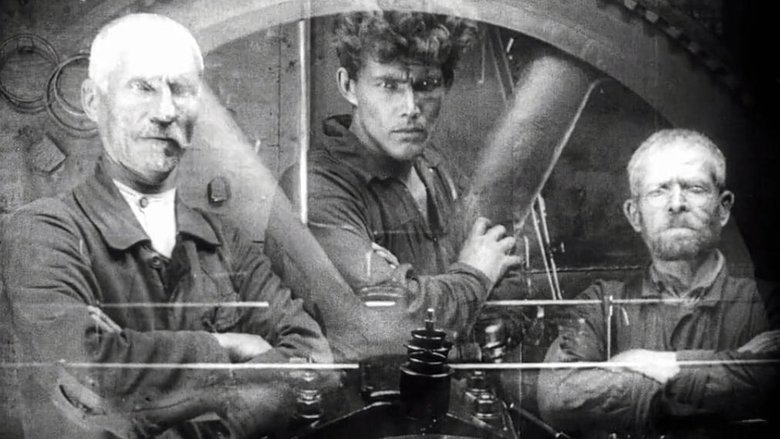
Workers in a factory in pre-revolutionary Russia go on strike and are met by violent suppression.
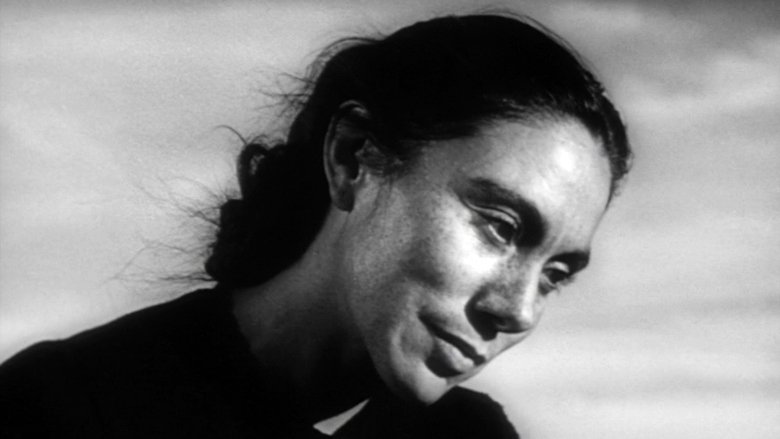
At New Mexico's Empire Zinc mine, Mexican-American workers protest the unsafe work conditions and unequal wages compared to their Anglo counterparts. Ramon Quintero helps organize the strike, but he is shown to be a hypocrite by treating his pregnant wife, Esperanza, with a similar unfairness. When an injunction stops the men from protesting, however, the gender roles are reversed, and women find themselves on the picket lines while the men stay at home.
In post-World War I Winnipeg, a Ukrainian immigrant and a Jewish woman get caught up in a labour strike.
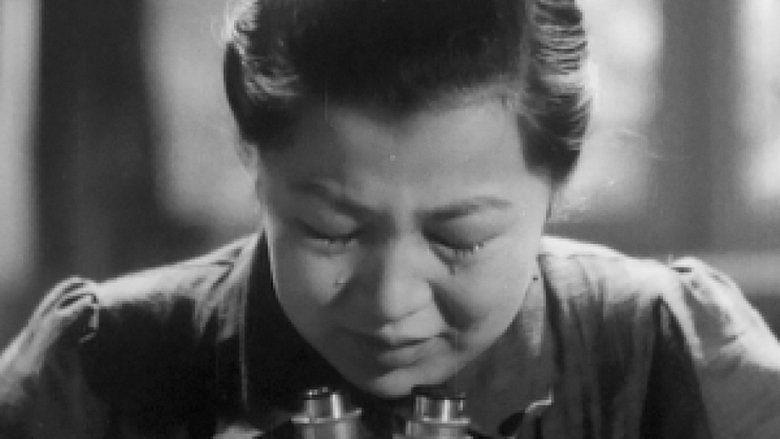
Young women at a precision optics factory in wartime Japan push to exceed production quotas, enduring illness, injury, and personal hardship to “serve the country.” Led by Tsuru Watanabe, they fight fatigue and setbacks to keep their line moving—even when duty collides with grief.
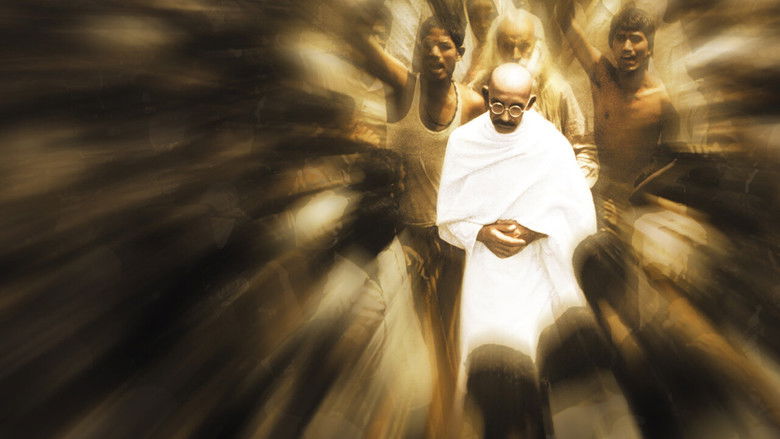
In the early years of the 20th century, Mohandas K. Gandhi, a British-trained lawyer, forsakes all worldly possessions to take up the cause of Indian independence. Faced with armed resistance from the British government, Gandhi adopts a policy of 'passive resistance', endeavouring to win freedom for his people without resorting to bloodshed.
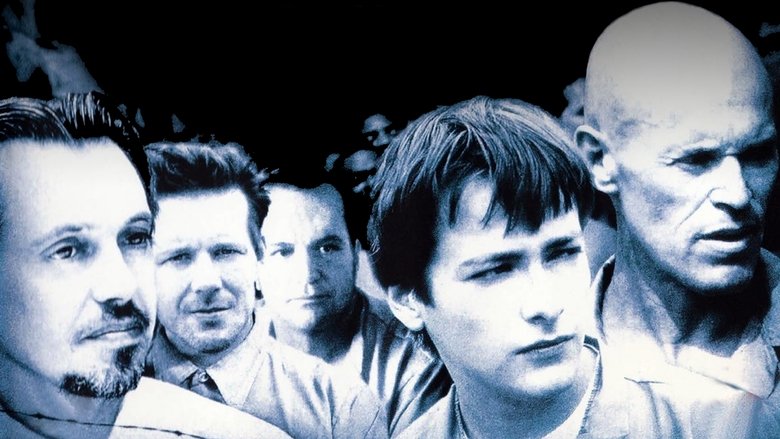
Suburbanite Ron is spoiled, young and not overly worried about the marijuana charges leveled against him. But, after being made out to be a drug dealer, he faces a five-year jail sentence in San Quentin State Prison. Physically frail and unaccustomed to his rough surroundings, Ron is primed to fall victim to sexual predators and bullying guards – that is, until he's befriended by Earl, a veteran inmate who finds meaning in protecting the vulnerable new kid.