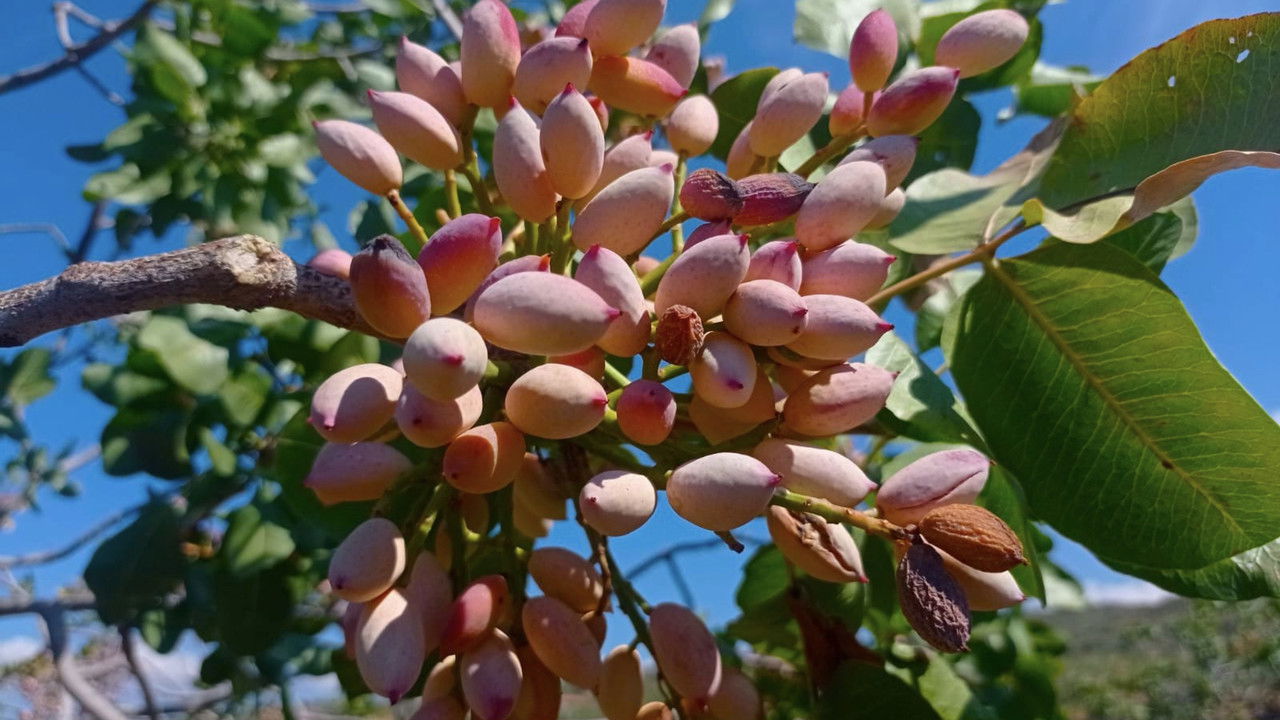
Similar to Raccolta del pistacchio di Bronte D.O.P.
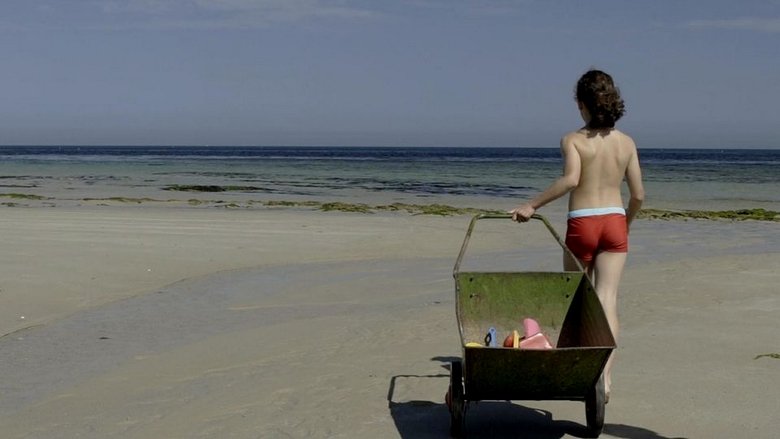
Breakpoint: A Counter History of Progress (2019)
An account of the last two centuries of the Anthropocene, the Age of Man. How human beings have progressed so much in such a short time through war and the selfish interests of a few, belligerent politicians and captains of industry, damaging the welfare of the majority of mankind, impoverishing the weakest, greedily devouring the limited resources of the Earth.
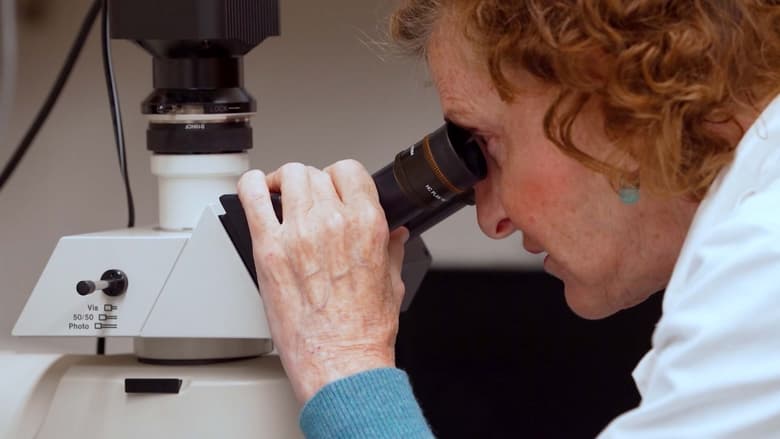
We're All Plastic People Now (2023)
In an era of throw-away ease, convenience has cost us our well-being. Plastics have been found inside our bodies— in our colons, our brains, and even in mothers’ developing wombs. Scientists around the country are sounding the alarm, but without public buy-in, there is little that can be done. How much evidence do we need before we decide to take action?

Blue
A sea-turtle grew tumors that are believed to be human induced. Experts talk about their relationship with turtles like her and call audiences to action.
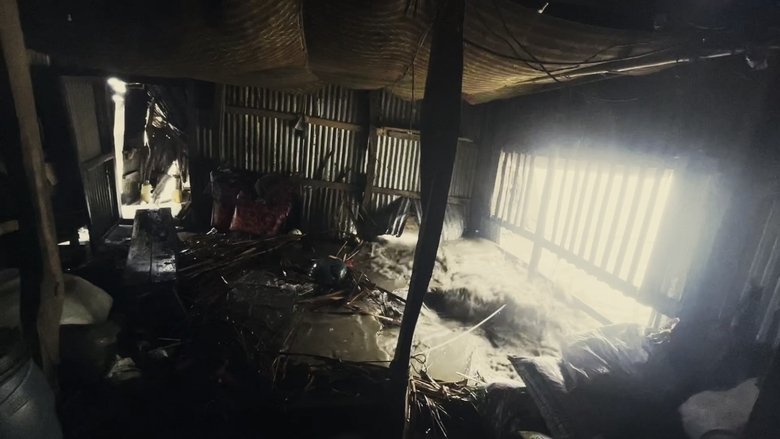
Topsy-Turvy (2024)
As Cyclone Remal approached, we arrived in Debpur village of Dhankhali Upazila, Bangladesh. What struck us immediately was the stark contrast between the official warnings of impending devastation and the villagers' apparent lack of preparedness. Over the following days, amidst the unfolding chaos, we documented the lives of individuals as they grappled with the imminent threat of destruction. The film captures the overbearing anxiety that grips entire communities in the face of an approaching cyclone. Through intimate encounters, and candid interviews, we witness firsthand the resilience and fear of those directly in Remal's path. Their voices echo the overwhelming power of nature and the human spirit in adversity.
Funny, You Don't Look 200: A Constitutional Vaudeville (1987)
An all-star cast lead by Richard Dreyfus perform sketches celebrating the bicentennial of the U.S. Constitution, including new animation done by Disney.
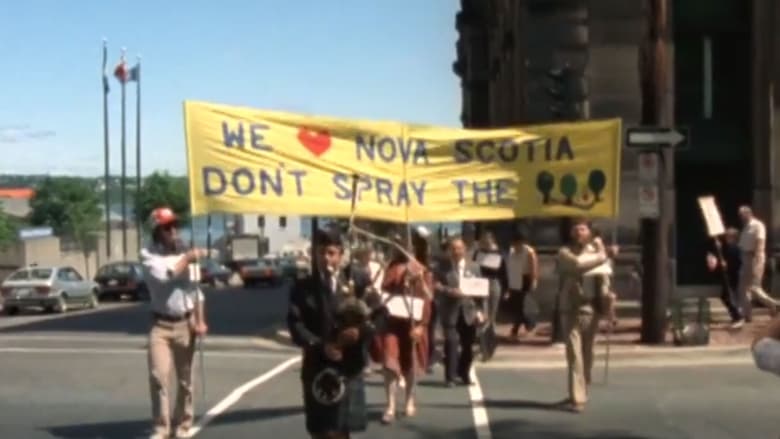
Herbicide Trials (1984)
In 1983, fifteen Cape Breton, Nova Scotia, landowners went to court to stop the spraying of herbicides by the local subsidiary of a Swedish multinational on forests adjacent to their properties. They found that the testimony of scientists and the support of public opinion, both here and abroad, were not enough to win their case. The film shows their ordeal and the landmark Sydney trial. Concerns raised included potential conflict-of-interest situations where a government must protect citizens' health while supporting certain kinds of industry; the relative value of the political and judicial processes in mediating social problems; and the need for a public forum for debating environmental issues. The film contains outstanding footage from chemical-industry films of the 1950s and recent material about Vietnam veterans affected by Agent Orange.
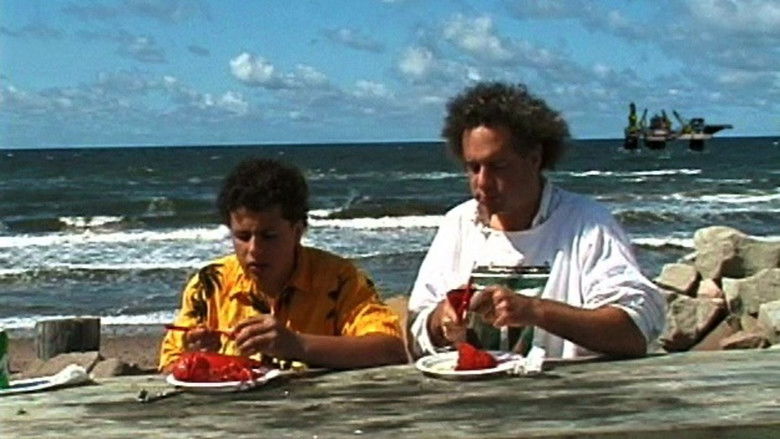
The Battle At Our Shores (2001)
The Battle At Our Shores is a documentary following over a period of a year the ground swell of opposition that has arisen over the first inshore/coastal oil and gas exploration licenses to be given out in Canada in the Province of Nova Scotia. Most other jurisdictions have put moratoriums on inshore marine oil and gas activity. This documentary tracks this ecological and political controversy, which pits citizens groups against their governments and industry. The Battle At Our Shores looks at citizen activism, governments that ignore democracy, and the fight against corporate globalism at a local level.
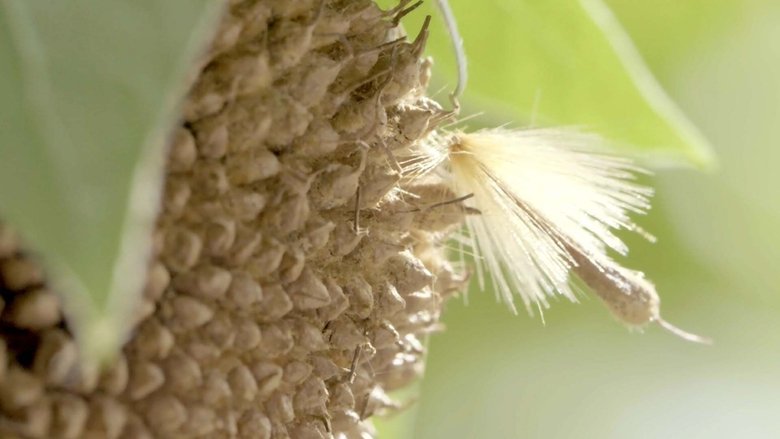
Le Peuple des airs (2022)
Bacteria, viruses, but also fungi, algae, pollen, and even insects: micro-organisms thrive and circulate constantly in our sky. How can so many living beings find their way into the air and circulate? How do they survive? And what influence do they have on our lives and the living world? Biodiversity, health, climate: it is only recently that scientists have begun to understand how this discreet aerial "plankton" affects our lives and our ecosystem. But despite their many virtues, some of these micro-organisms are now threatened by human activities. With the help of experts and 3D models, this scientific investigation plunges us into the heart of a still mysterious world, and reveals the diversity and fragility of the air we breathe.
1944. Deportation (2019)
In 1944 Crimean Tatars has suffered a long road in exile. It was accompanied by famine, illness and loss. In the first years of exile, almost half of deported Crimean Tatars died. But those, who survived, dreamed of only one thing - to return to Crimea. The documentary 1944 tells about the tragedy of all Crimean Tatars through several separate life stories. They are cherished by each Crimean Tatar family and must be remembered by all generations to come.
Origins of Life (2001)
A documentary that explores the natural world of the sea, from the single-celled organism to more complex forms of life, OCEAN ORIGINS was originally filmed in the IMAX large format, which adds a crispness and clarity to the images. This documentary film seeks to examine the process of evolution by looking at the many creatures of the sea that can illustrate the way multi-cellular life emerged over the course of four billion years. OCEAN ORIGINS is a creative film that uses fascinating documentary footage to look at scientific theories and principles in an interesting manner
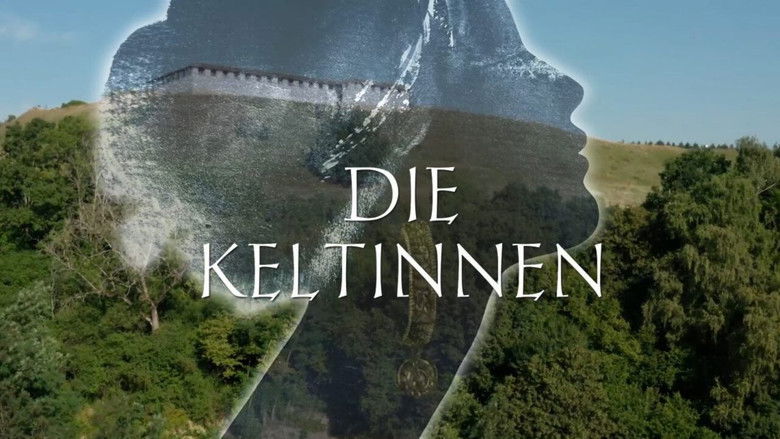
Die Keltinnen (2023)
Recent archaeological discoveries in Germany have changed the way we look at Celtic society and the major role played by women.
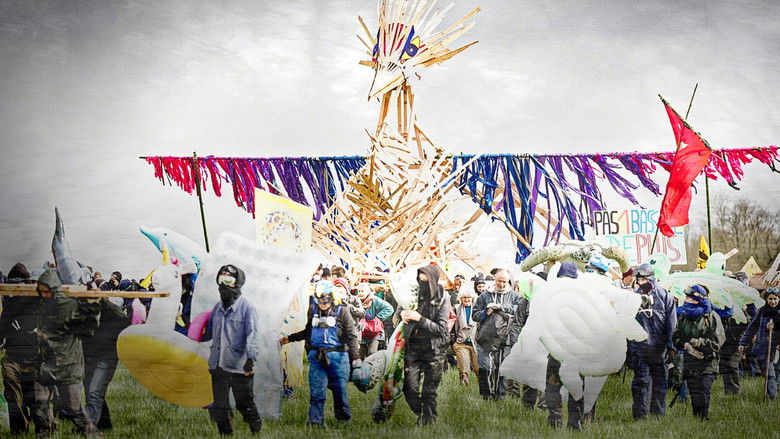
Soulèvements (2026)
A choral portrait with 16 voices, 16 unique trajectories, reflective and intimate, of an intergenerational resistance movement led by young people who live and fight against land and water grabbing, industrial devastation, the rise of totalitarianism, and face political repression. A deep dive into the heart of Soulèvements de la Terre, revealing the unprecedented composition of the multiple forces deployed throughout the country, experimenting with other ways of life, forging new links with living things, thus overturning the established divisions between the political and the sensitive, opening us up to a field of possibilities.
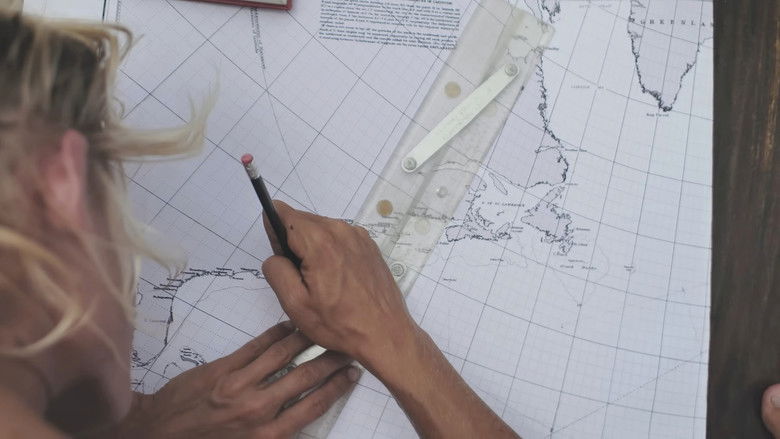
Women & the Wind (2025)
Shot over the course of 30 days at sea, filmmaker Alizé Jireh documents the group’s voyage across the North Atlantic—from moments of stillness and calm to the chaos of storms and setbacks. With an observational approach and an eye for the emotional and physical rhythms of life at sea, Jireh captures not just the external landscape, but the internal shifts that come with navigating the vast unknown.
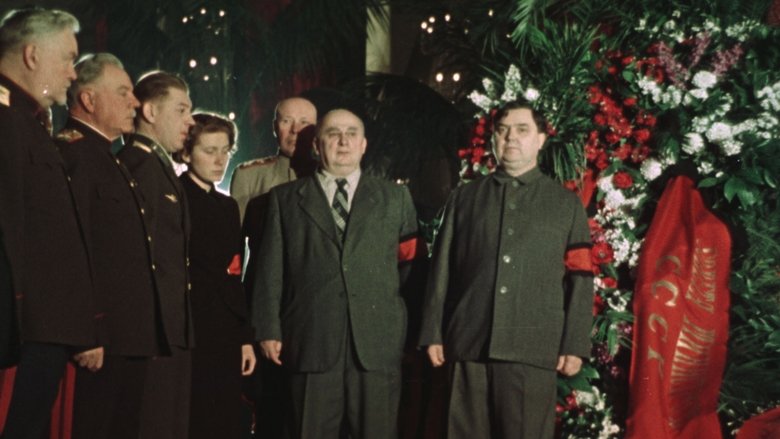
State Funeral (2019)
The enigma of the personality cult is revealed in the grand spectacle of Stalin’s funeral. The film is based on unique archive footage, shot in the USSR on March 5 - 9, 1953, when the country mourned and buried Joseph Stalin.

The Lost Colony of Roanoke: New Evidence (2022)
In 1587, more than 100 English colonists settle on Roanoke Island and soon vanish, baffling historians for centuries; now, experts use the latest forensic archaeology to investigate the true story behind America's oldest and most controversial mystery.
Mixed Race Britain: How the World Got Mixed Up (2011)
Documentary telling the surprising and positive story of how, throughout much of history, the races of the world's empires mixed together unquestioningly.

Die Blume der Hausfrau (1999)
About a group of door-to-door salesman who try to sell vacuum cleaners from "Vorwerk", a German manufacturer.
A Sahrawi story (1996)
It describes the way of life of the Sahara people in the Western Sahara Desert, in particular it tells the story of a child bitten by a snake.
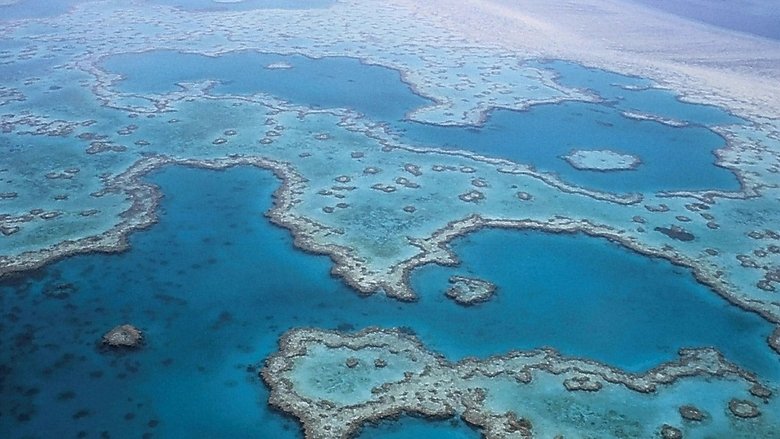
Lost Continent of the Pacific (2011)
Legends of lost continents and civilizations have captivated people throughout time. Philosophers and astronomers like Aristotle and Ptolemy believed that an unknown continent existed in the Southern hemisphere. In the Age of Discovery, renowned explorers like Magellan and Cook searched the Pacific Ocean in vain for a mysterious land they called "Terra Incognita." To this day, ancestral legends throughout Polynesia speak of a lost homeland and a great civilization that disappeared into the sea. Modern science disputes the existence of unknown continents and often dismisses creation myths. But on Rapa Nui, or Easter Island, elders fiercely believe they originate from a continent that sank following a catastrophic upheaval.