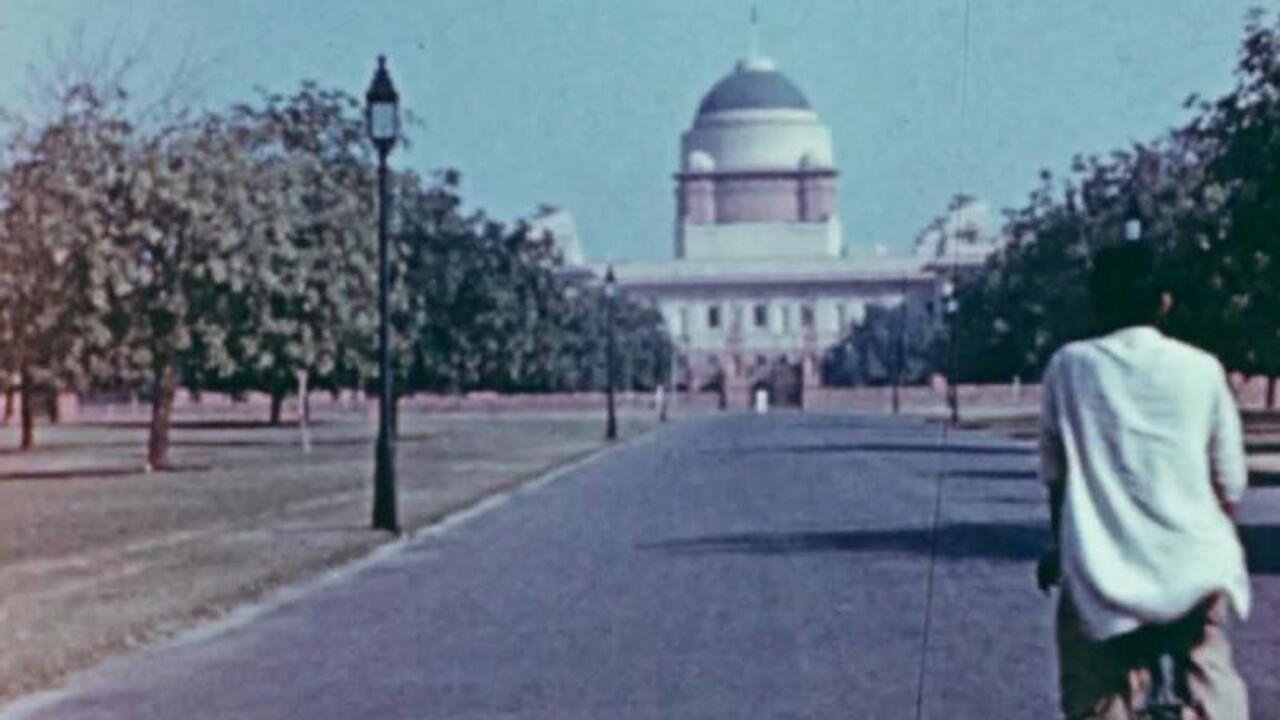
Delhi and The North (1947)
Grand buildings and missionary work come together in the 1947 Indian tour of construction magnate John W. Laing.
Grand buildings and missionary work come together in the 1947 Indian tour of construction magnate John W. Laing.
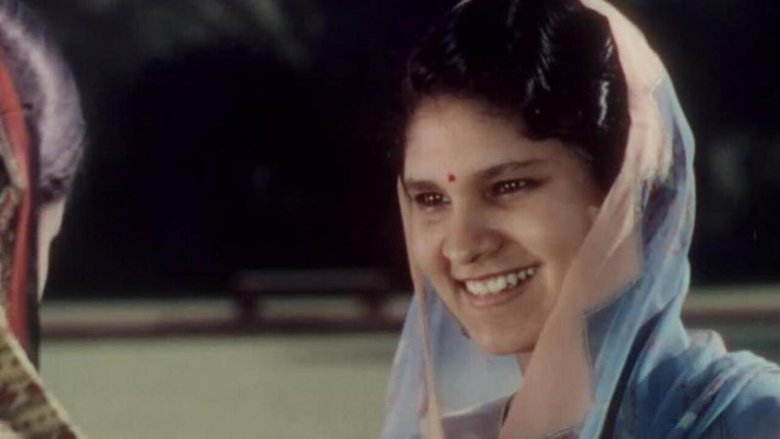
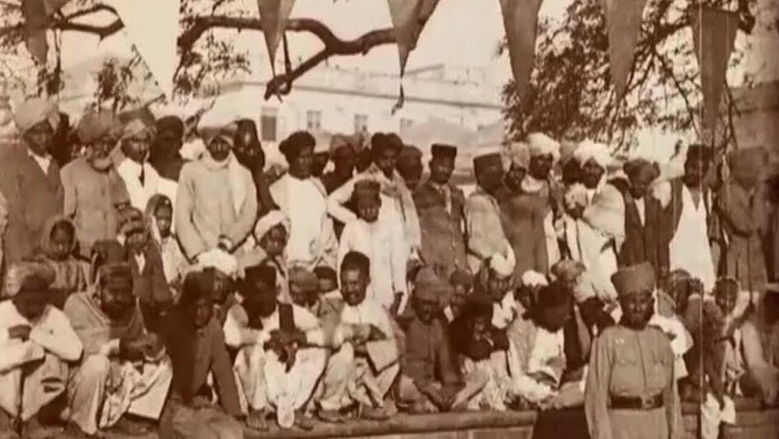
Filmed in 1938, less than a decade before Indian independence, Delhi has a curious tale to tell. ‘Delhi’, the viewer is informed, ‘is the cockpit of the Indian Empire’, it provides the ‘gateway to the riches of the south’. The opening sections of the film focus upon those who have tried and failed to establish a lasting power in the capital. ‘At Delhi’, the commentator states, ‘successive cities have been built by conquering invaders – each has fallen into disuse and decay’. The camerawork focuses on the ‘impressive ruins’ of these earlier invaders. Although the film also depicts the enduring architecture of Muslim rulers, such as Akbar and Shahjahan, it is stressed that their power has been superseded. Legend has it that it will be the ninth city of Delhi that ‘will endure and will rule forever’. Shahjahan had built the eighth.

In an age when women were incapable of joining the artistic dialogue, Lilias Trotter managed to win the favour of celebrated critics.
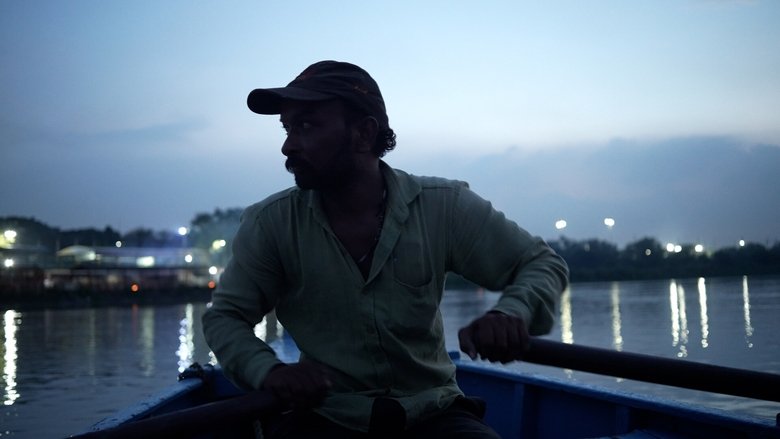
The river Yamuna, known to the locals as 'Jamna', the lifeline of Delhi, is going through a major crisis due to pollution, mismanagement and sheer ignorance. A documentary crew tries to make sense of the situation by talking to different stakeholders and Shyam - a boatman who relies on the river for his livelihood.
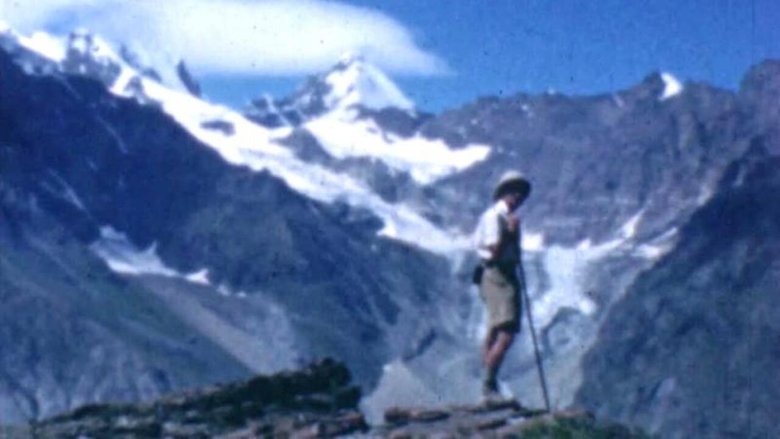
A stunning trek from the vale of Kashmir, via Sind Valley and Kargil and Lamayaru Monastry.

A Christian relief organization is met with the challenge of fighting the Ebola epidemic in west Africa, through this enormous challenge their faith grew.
A collection of amateur films made by photographer Roderic Vickers and friends.

An exploration of America’s cultural divide ignited by the 2020 controversy surrounding the forcible toppling of Father Junipero Serra’s statues. Best-selling author Arthur Brooks examines the toxic polarization gripping the nation. Can we bridge this divide, or are we destined to repeat history?

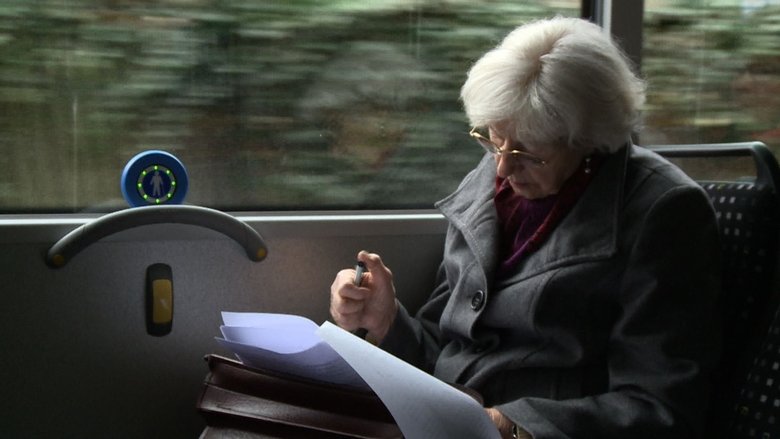
The film focuses on the exciting life journey of Swiss writer Katharina Zimmermann. She follows her husband on a mission to the jungle in Indonesia where she raises their four children and five foster children and lives through the military coup. Back in Switzerland Katharina discovers her voice and finds her path. Now, at eighty, she is writing her life story. Yet suddenly she faces another battle because her publisher is threatening to let her go.
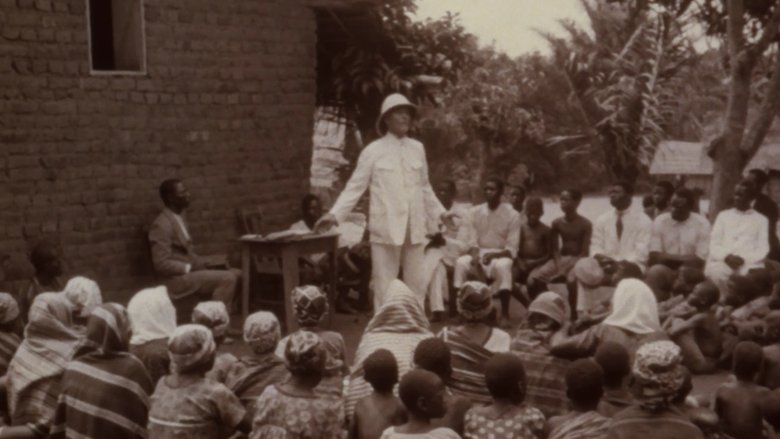
Sven Nykvist, best known as Ingmar Bergman cinematographer, made this film as a tribute to his father who was a missionary in Kongo in the early 20th century. The story of his father Gustav Natanael Nykvist is told through his own photos, letters, and films. Director & cinematographer: Sven Nykvist. Narrators in the English dubbed version: Liv Ullmann & Sean Connery. Produced by Ingmar Bergman (Cinematograph AB). Digitally restored in 2022.
Amateur shots of pilgrims and temples at Haridwar, followed by rural scenes and the Gorrie family at home.
By drawing a parallel between the Indian Durga Puja festival and other forms of celebrating the divine feminine, Santa Shakti reveals the Sacred Power beyond languages and religions.
The thronging streets of Chennai in festive mood are captured by this lively amateur film.
Snapshots of colonial life around Tamil Nadu, plus a visit to the Toda tribe.
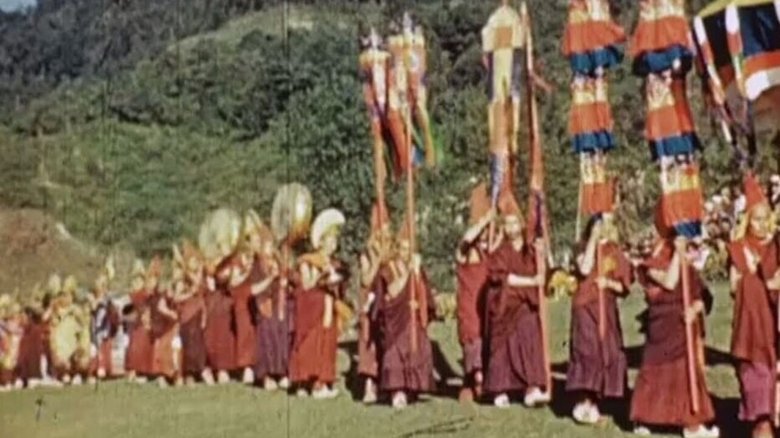
Traditional games, dancing and music among the people of Sikkim - in vivid colour.
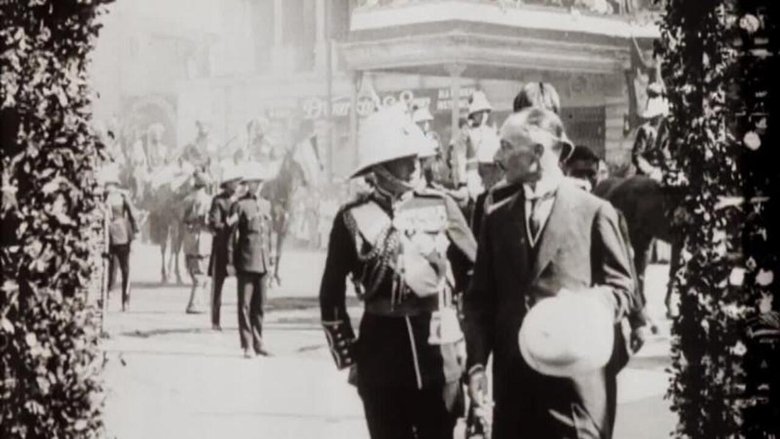
The future Edward VIII opens a durbar and enjoys a day at the races before inspecting the fire brigade in Calcutta.
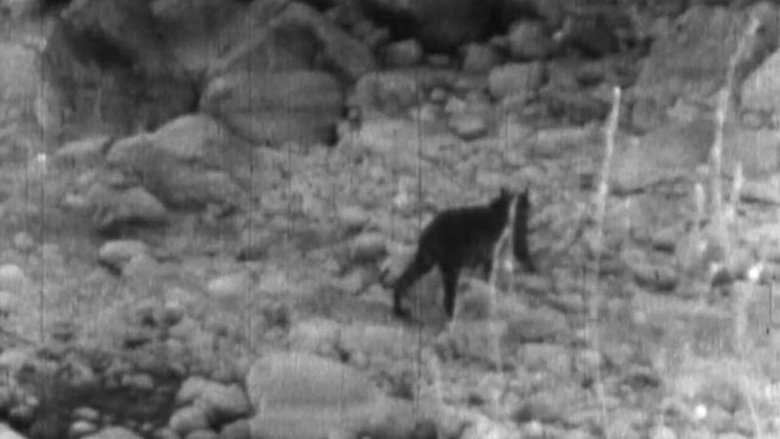
Tigers in the Himalayan foothills, filmed by famous hunter and conservationist Jim Corbett.
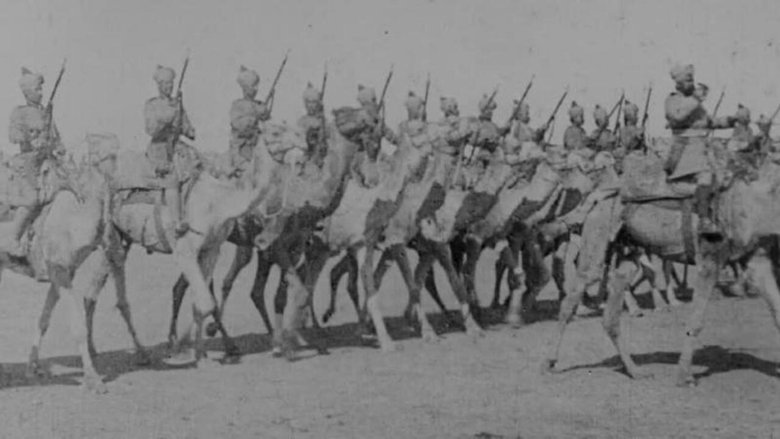
A film produced to celebrate the coronation of George V as King-Emperor at the Imperial Durbar of 1911.
The future Edward VIII enjoys a stately procession and visits the Taj Mahal before meeting senior Indian royalty.
Romantic, atmospheric travelogue capturing some of northern India’s most iconic places – not least the Taj Mahal.