
Grenzpunkt Beton (2015)
Documentary short film about the afterlife of the remnants of the Berlin Wall.
Documentary short film about the afterlife of the remnants of the Berlin Wall.
For some time now, there have been schools in Germany whose aim is not to segregate any child. Everyone should be integrated with their minor or major handicaps, advantages or weaknesses, whether highly gifted or severely disabled. Klassenleben tells the story of such a school, its teachers, its children and the immense challenge of learning. From winter to summer 2004, Hubertus Siegert and his film team accompanied class 5d at the Fläming elementary school in Berlin. At eye level with its protagonists, the film observes the learning and life of pupils with extremely different abilities in a class of 20 children, four of whom have learning difficulties or severe multiple disabilities, and 16 "normal pupils", including some so-called gifted pupils. Do lessons succeed in such a heterogeneous group? Is everyone motivated to learn where the competition is not between "gifted" children?
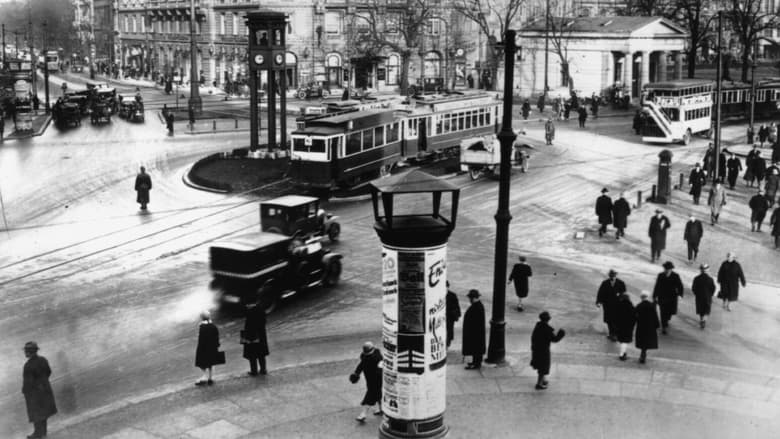
A day in the city of Berlin, which experienced an industrial boom in the 1920s, and still provides an insight into the living and working conditions at that time. Germany had just recovered a little from the worst consequences of the First World War, the great economic crisis was still a few years away and Hitler was not yet an issue at the time.
The original Tresor was in many ways the quintessential Berlin club: located in an unrenovated vault beneath a bombed out department store, it opened its doors amidst the general confusion and ecstasy that swept across the city when the wall fell. Its low ceilings, industrial decor and generally unhinged atmosphere created an unprecedented platform not only for techno in Berlin, but also for the scene taking shape across the Atlantic in Detroit.
Some months after the fall of the Berlin wall, during the time of federal elections in Germany in 1990, Chris Marker shot this passionate documentary, reflecting the state of the place and its spirit with remarkable acuity.
Journey with the musicians of the Berlin Philharmonic and their conductor Sir Simon Rattle on a breakneck concert tour of six metropolises across Asia: Beijing, Seoul, Shanghai, Hong Kong, Taipei and Tokyo. Their artistic triumph onstage belies a dynamic and dramatic life backstage. The orchestra is a closed society that observes its own laws and traditions, and in the words of one of its musicians is, “an island, a democratic microcosm – almost without precedent in the music world - whose social structure and cohesion is not only founded on a common love for music but also informed by competition, compulsion and the pressure to perform to a high pitch of excellence... .” Never before has the Berlin Philharmonic allowed such intimate and exclusive access into its private world.

A documentary focusing on the rebuilding projects in Berlin after the fall of the Berlin Wall.

A film about three teenagers - Klara, Mina and Tanutscha - from the Berlin district of Kreuzberg. The trio have known each other since Kindergarten and have plenty in common. The three 15-year-olds are the best of friends; they are spending the summer at Prinzenbad, a large open-air swimming pool at the heart of the district where they live. They're feeling pretty grown up, and are convinced they've now left their childhood behind.
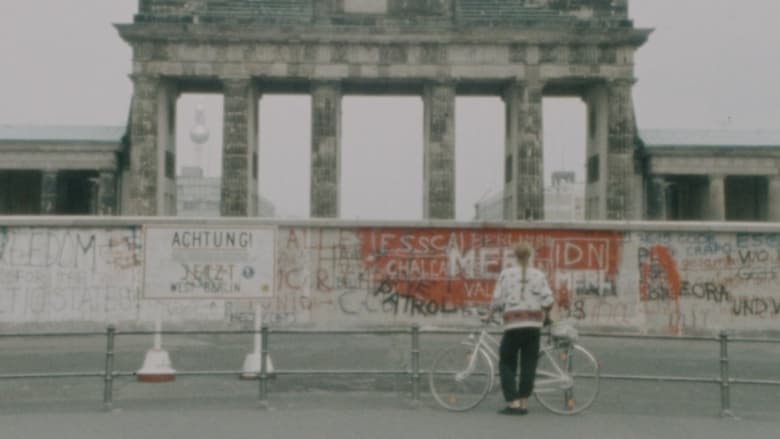
In 1988, Tilda Swinton toured round the Berlin Wall on a bicycle - starting and ending at the Brandenburg Gate - accompanied by filmmaker Cynthia Beatt. As Swinton travels through fields and historic neighborhoods, past lakes and massive concrete apartment buildings, the Wall is a constant presence.
A documentary about the deconstruction of the Berlin Wall which makes no use of vocal commentary but instead focuses on visual elements. From the Potsdamer Platz to the Brandenburg Gate, the camera captures the historic events from all sides and different angles: on the one hand there are news reporters and tourists from all over the world taking pictures, children selling pieces of the wall to passers-by, and people celebrating New Year's Eve, on the other we see abandoned subway stations and officials with blank looks on their faces.
A documentary exploring the aftermath of the Berlin Wall's fall, the film features interviews in English and German with long-time residents and foreign visitors/residents from both sides of the former divide.
Julia is a young transgender woman who left her home country of Lithuania. Now living in Germany, she walks the streets of Berlin, working as a prostitute to survive. This documentary revisits Julia over a ten-year period of her life.
Former "Titanic" satire magazine editor Martin Sonneborn takes an undercover trip around Berlin and discovers the East-German mentality and what is left of the socialist German Democratic Republic.

The intricate history of UFA, a film production company founded in 1917 that has survived the Weimar Republic, the Nazi regime, the Adenauer era and the many and tumultuous events of contemporary Germany, and has always been the epicenter of the German film industry.
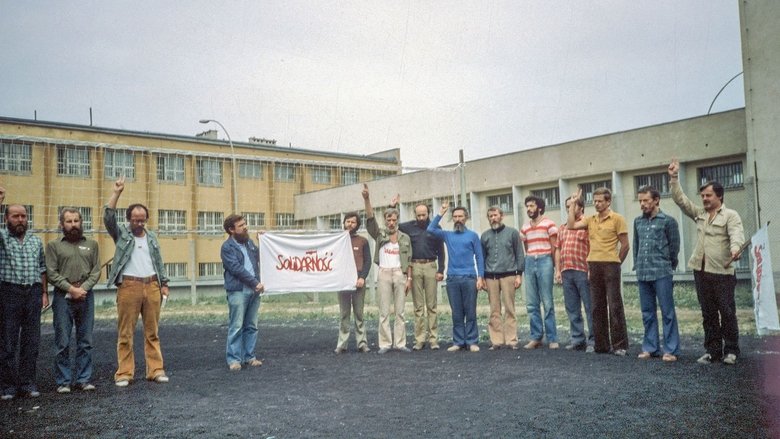
Gdańsk, Poland, September 1980. Lech Wałęsa and other Lenin shipyard workers found Solidarność (Solidarity), the first independent trade union behind the Iron Curtain. The long and hard battle to bring down communist dictatorship has begun.
Fictional film with documentary elements about a jazz musician in Berlin.
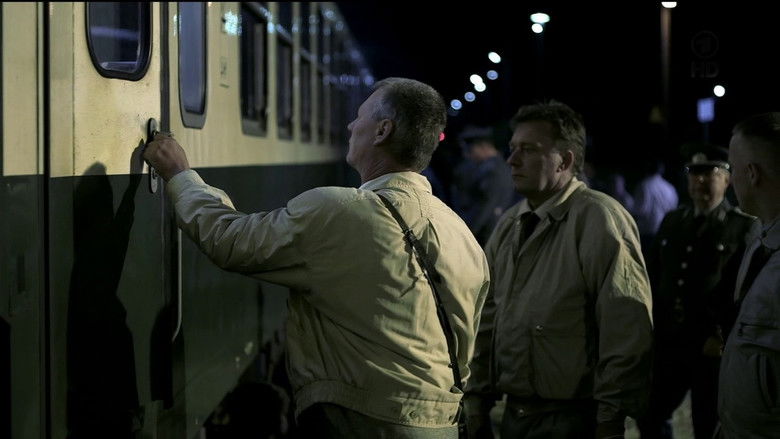
“Liberty Train – Bürger’s Long Journey” sheds light on the events of the PEACEFUL REVOLUTION of 1989 from different perspectives. It centres on the eyewitnesses who, together with thousands of other people who had fled East Germany, were in the garden of the West German Embassy in Prague on the evening of the 30 September 1989.
Documents the remodeling of the Ostbahnhof in Berlin Friedrichshain into the central station of the GDR.
The film chronicles the story of how the Nazis and the IOC turned, to their mutual benefit, a small sports event into the modern Olympics. The grand themes and controversial issues from the 1936 Games have continued to this day: Monumentality, budget overruns, collusion with authoritarian regimes, corruption and sometimes even bribery.