
Home (2023)
A feature length documentary about love, passion, pigeons and what home means to people. Daniel-John Williams an unknown Teesside actor, explores the world of pigeons and producing his first feature film but he has no idea about either.
A feature length documentary about love, passion, pigeons and what home means to people. Daniel-John Williams an unknown Teesside actor, explores the world of pigeons and producing his first feature film but he has no idea about either.
Daniel-John WilliamsIn California's Bay Area, a painful memory lingers of the Port Chicago disaster of WWII, when hundreds of the Navy's first Black Sailors perished, and the White officers in charge were protected by the chain of command.
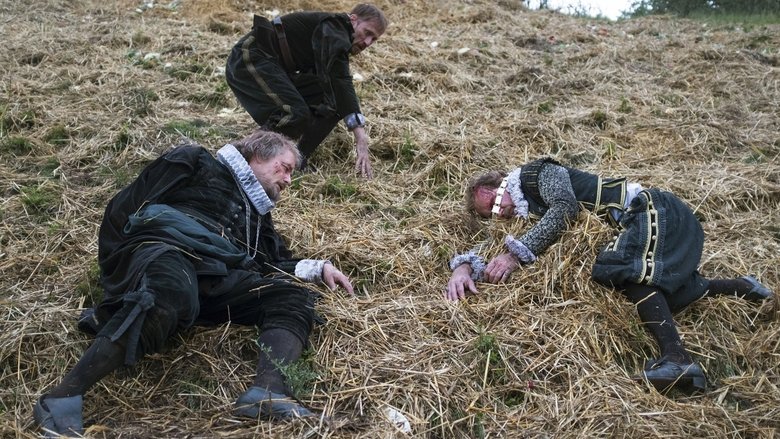

Don Letts examines the history of this notorious subculture in a fascinating documentary, which features interviews with members of different skinhead scenes through the decades. Beginning in the late 1960s, Don fondly recalls a time of multiracial harmony as youngsters bonded over a love of ska, reggae and smart clothes as white working-class kids were attracted to Jamaican culture and adopted its music and fashions. But when far-right politics targeted skinheads in the 1970s and 1980s, an ugly intolerance emerged, and Don reveals how the once-harmonious subgroup has since struggled to shake this stigma.

Fearing for her life, Israeli transgender pioneer Efrat Tilma fled the country as a teenager. Now in her seventies, she must fight for her freedom once again, as the country spirals into political and social regression.
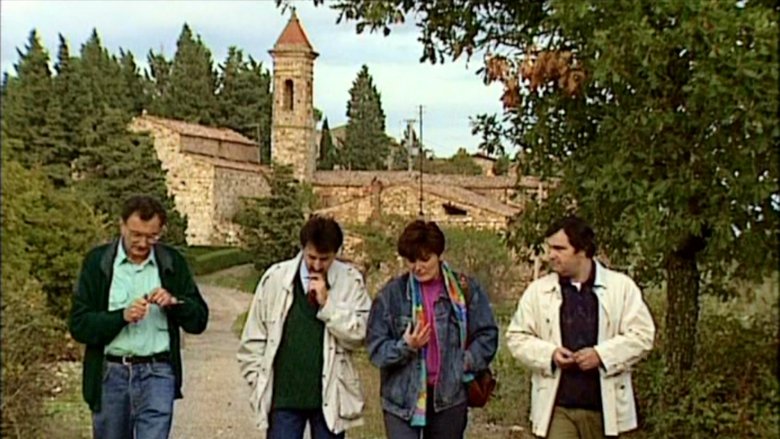
Fabiana, Carlo, Claudio and Vincenzo… I met them in 1982 in Mercatale, their village in Tuscany, near Florence. They were aged between 25 and 45 and were cheerful militants in the Italian Communist Party, that strange party which has made its mark on history and which was both a school and a family for them. I have filmed in Mercatale every two or three years for over 20 years (1982/2004). The fi lm takes the “long view” of their political and personal development against the backdrop of village life. Stories with both human and political interest spanning over a quarter of a century with relevance for present day issues: what has become of the plans to change the world in Berlusconi’s Italy? From a more global perspective: what else can politics do? When the time comes to take stock the paths of their rich and varied personal lives cross once more with all their doubts and allegiances.
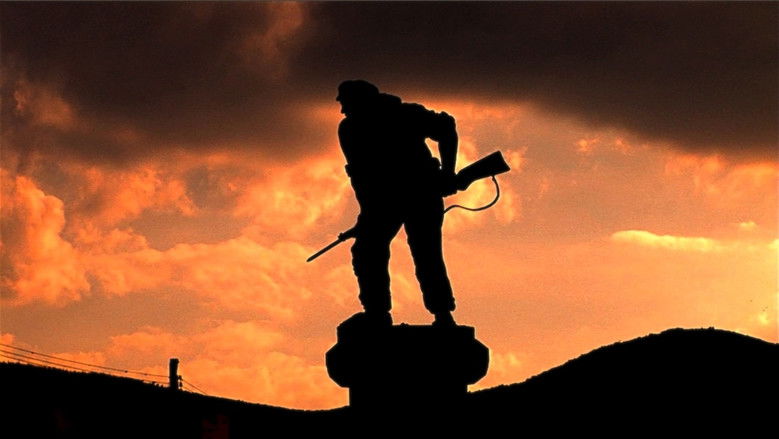
A documentary that explores the myth behind the truth. Different people around the globe reinterpret the legend of Che Guevara at will: from the rebel living in Hong Kong fighting Chinese domination, to the German neonazi preaching revolution and the Castro-hating Cuban. Their testimonies prove that the Argentinian revolutionary's historical impact reverberates still. But like with all legends, each sees what he will, in often contradictory perspectives.
ABC's Wide World of Sports first started spanning the globe in 1960, and a generation of sports fans and weekend TV viewers were hooked from the start. In this videocassette, featuring highlights of that first decade, Wide World captured the famous moments of competition all over the globe.
Directed by Patrick Gramm, 'The Pigeon People' (2023) takes you deep into Arizona's underground pigeon racing scene as racing rivals prepare for and compete in the Grand Canyon Classic - a 350-mile pigeon race from Utah to Arizona that crosses over the Grand Canyon.
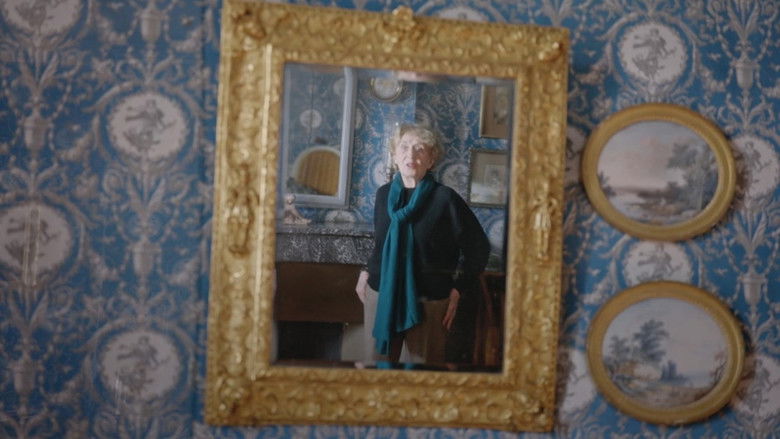
In her often pioneering work, historian Michelle Perrot has continually questioned the fate of those on the margins of our society, giving them a voice to break the silence of history. In her Histoire de chambres (History of Bedrooms), published in 2009, Michelle Perrot speaks in the first person for the first time. She explores the social and intimate role of bedrooms throughout history. Inspired by these reflections, Teri Wehn Damisch paints a "bedroom" portrait of the historian: we enter with Michelle Perrot into the bedrooms of the house in Nohant, where the rebel George Sand, her first heroine, lived. The defining events of her childhood, the awakening of her political consciousness, her daring research, her decisive encounters, her view of feminism: Michelle Perrot immerses us in the episodes that shaped her life as a free woman and placed her among the most influential intellectual figures of our time.
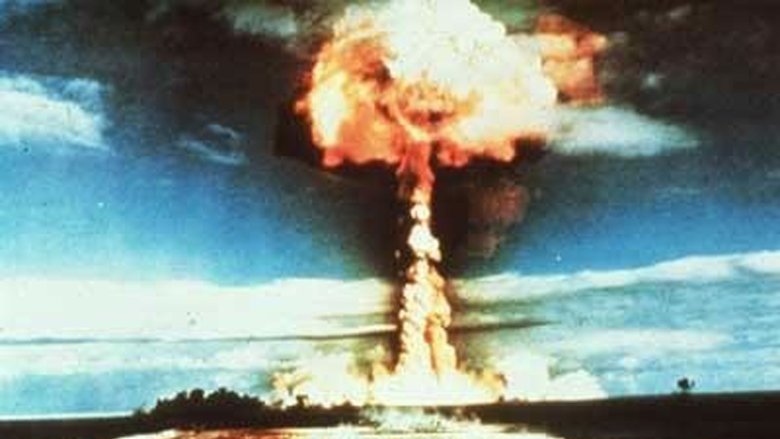
In 1973 Alister Barry joined the crew of a protest boat (The Fri) to Mururoa Atoll, where the French Government were testing nuclear weapons. Barry records the assembly of the crew, the long journey from Northland, and their reception in the test zone; when The Fri was boarded and impounded by French military he had to hide his camera in a barrel of oranges.
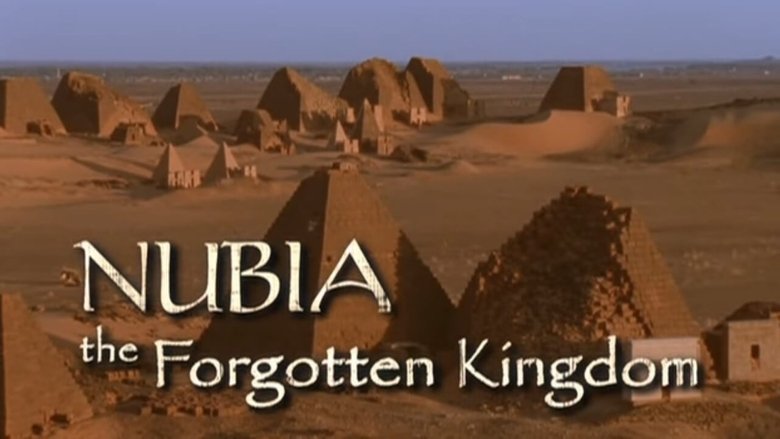
Once a powerful, sprawling presence in Northern Africa, the ancient kingdom of Nubia now lies buried beneath mounds of red brick rubble in the Sudan. Forgotten by history and largely neglected by archaeology, its cities have lain buried for centuries, harboring priceless secrets of a civilization that once rivaled Egypt. Join world-renowned archaeologists Julie Andersen and Salah Ahmed as they unearth Dangeil - a thriving Nubian city that once sat at the juncture of several prominent trade routes. While excavating a massive temple to the god Amun, the team makes a surprising discovery that could solve the mystery of why the city was abandoned.

A documentary about the United States Military Academy at West Point that conveys the vibrancy, sense of fraternity and fierce loyalty that mark the West Point experience.
An all-star cast lead by Richard Dreyfus perform sketches celebrating the bicentennial of the U.S. Constitution, including new animation done by Disney.
In 1944 Crimean Tatars has suffered a long road in exile. It was accompanied by famine, illness and loss. In the first years of exile, almost half of deported Crimean Tatars died. But those, who survived, dreamed of only one thing - to return to Crimea. The documentary 1944 tells about the tragedy of all Crimean Tatars through several separate life stories. They are cherished by each Crimean Tatar family and must be remembered by all generations to come.
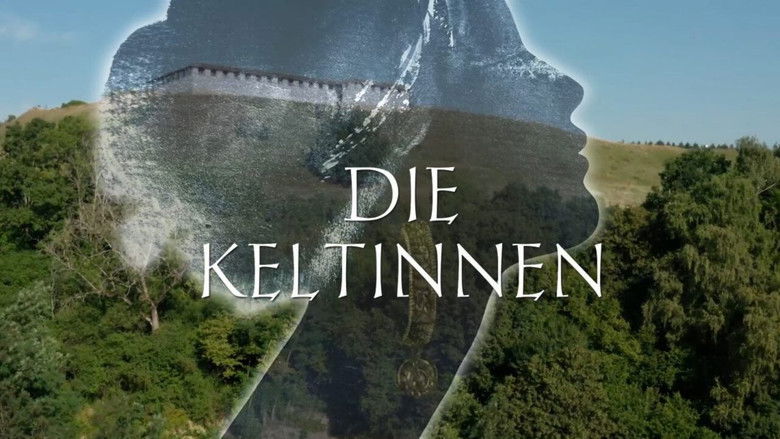
Recent archaeological discoveries in Germany have changed the way we look at Celtic society and the major role played by women.
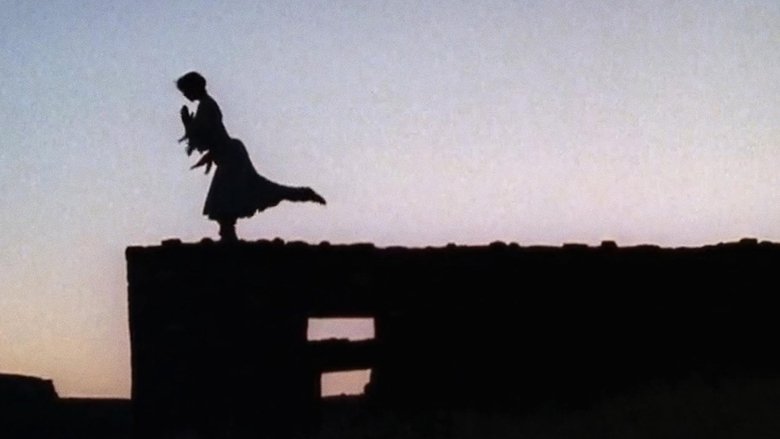
This documentary takes an in-depth look at the witch hunts that swept Europe just a few hundred years ago. False accusations and trials led to massive torture and burnings at the stake and ultimately to the destruction of an organic way of life. The film questions whether the widespread violence against women and the neglect of our environment today can be traced back to those times.
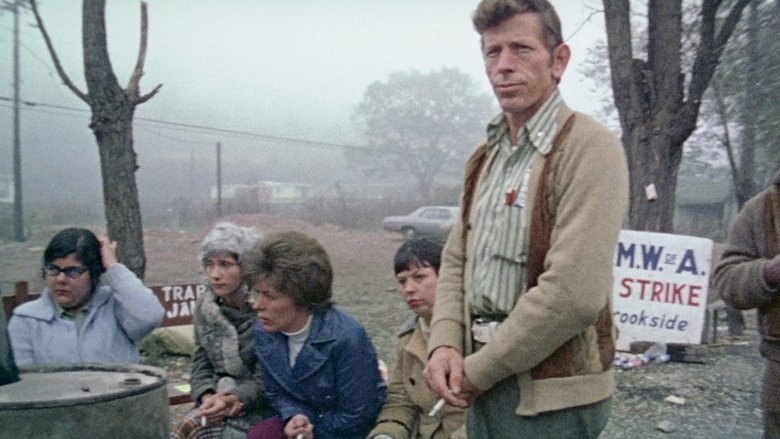
This film documents the coal miners' strike against the Brookside Mine of the Eastover Mining Company in Harlan County, Kentucky in June, 1973. Eastover's refusal to sign a contract (when the miners joined with the United Mine Workers of America) led to the strike, which lasted more than a year and included violent battles between gun-toting company thugs/scabs and the picketing miners and their supportive women-folk. Director Barbara Kopple puts the strike into perspective by giving us some background on the historical plight of the miners and some history of the UMWA. Preserved by the Academy Film Archive in partnership with New York Women in Film & Television in 2004.

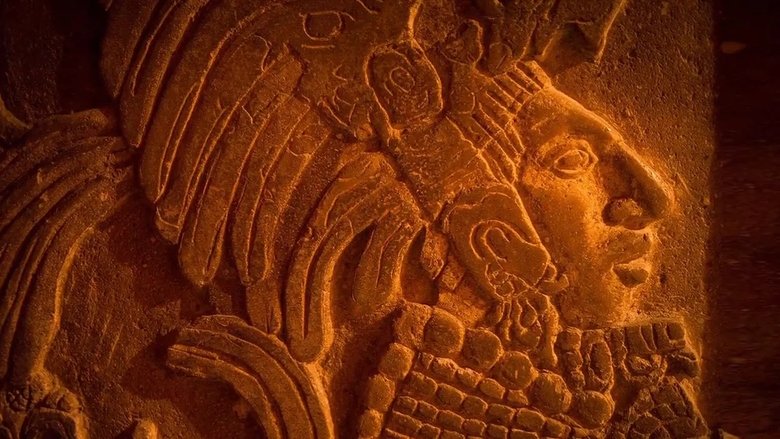
Filmed in IMAX, a young Mayan boy who lives close to the ruins becomes acquainted with an archaeologist (Guerra) and asks her to tell him about his ancestors. The crew travelled to over 15 locations in Mexico and Guatemala, including Tulum and Chichén Itzá.
Mike Tyson escaped a life of poverty and petty crime to make a name for himself, becoming the youngest Heavyweight Champion of the World and a household name—but his rise was followed by a very public fall. In this remarkably candid portrait, the boxer addresses his controversial past, including the rape charge that sent him to prison and his struggles with substance abuse, while also detailing his ultimate recovery and comeback.