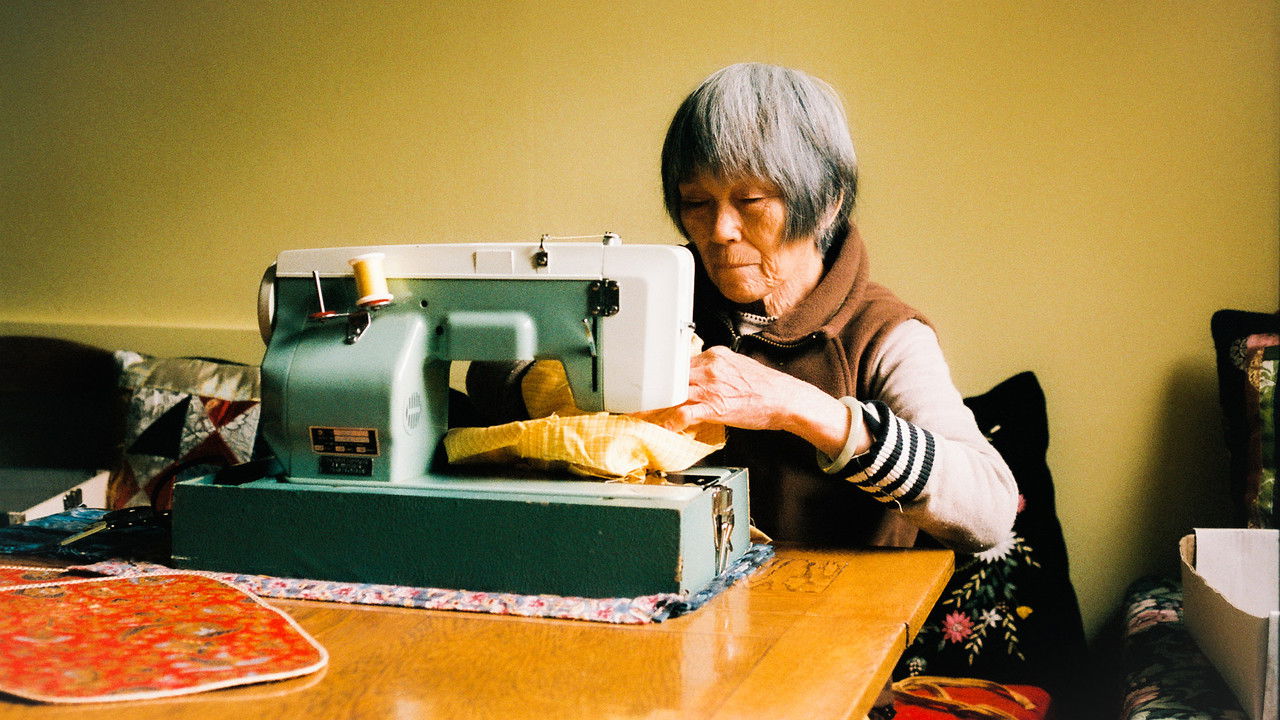
Blanket Song (2022)
A grandmother faintly narrates her quilts, as seen through the warped glass lens of a broken camera, a laptop webcam, and a clunky Xerox scanner.
A grandmother faintly narrates her quilts, as seen through the warped glass lens of a broken camera, a laptop webcam, and a clunky Xerox scanner.
 Su Lan ChenherselfLong Xi Vlessinghimself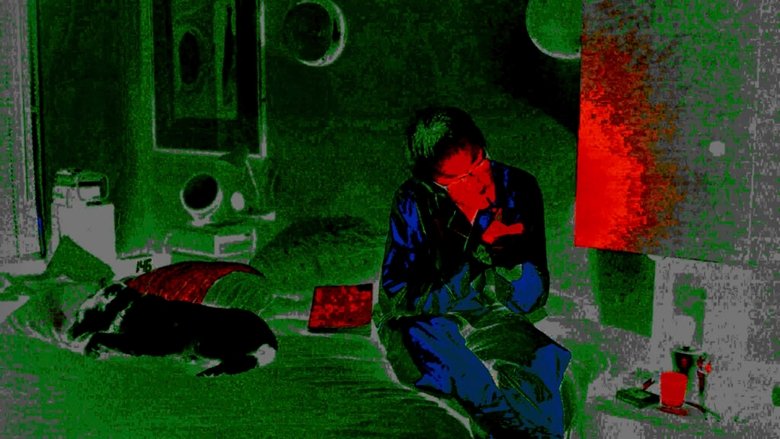
This free-form film is a self-portrait, which revisits more than 40 years of the author’s filmography and questions the major stations of his life, while capturing the political tremors of the time.
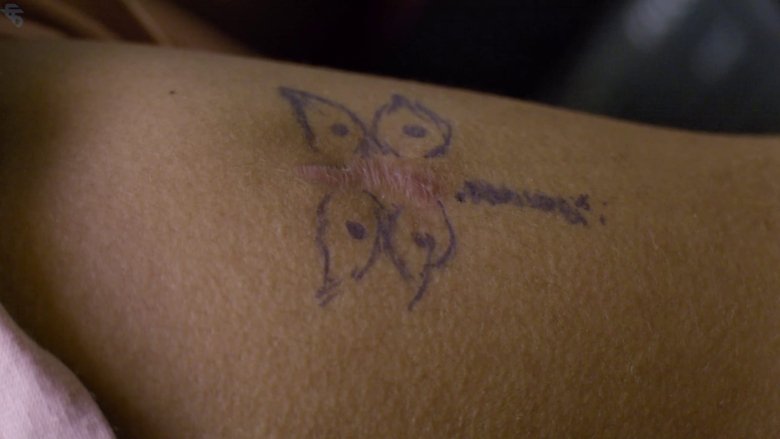
An exploration of the interconnected experiences of queerness and illness, this film navigates personal and collective journeys through medical spaces, sexual violence, and survival, displays the profound impact on body and identity.
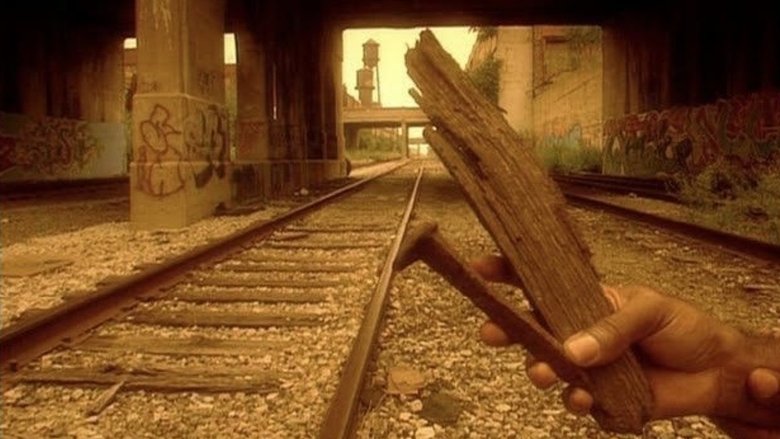
An examination of the hitherto unexplored relationships between Pan-African culture, science fiction, intergalactic travel, and rapidly progressing computer technology.
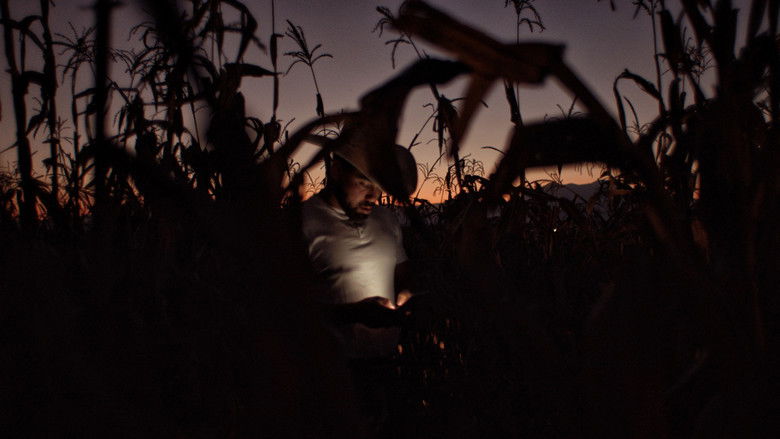
Set against the vibrant spectacle of the jaripeo, a symbol of Mexican cowboy tradition and machismo, this story unveils a hidden world of queer desire and quiet rebellion. As glances and gestures disrupt the rigid norms of masculinity, the rodeo becomes a stage for our protagonists to navigate identity, community, and the search for belonging in an oppressively traditional space.
An Indonesian student in London attempts to deal with the absurdity of confinement and immobility due to then-ongoing coronavirus lockdown by talking to his parents – who also face similar movement restrictions in Jakarta – over the phone.

The late Fujio Akatsuka is revered by many Japanese artists and scholars for his developments to early comedy manga, but his contributions aren't just limited to the world of print media. Featuring commentary from family, friends, colleagues, and celebrity fans, Fujio Akatsuka's story is told with archival footage and animation, showcasing the life of the man who went beyond manga.
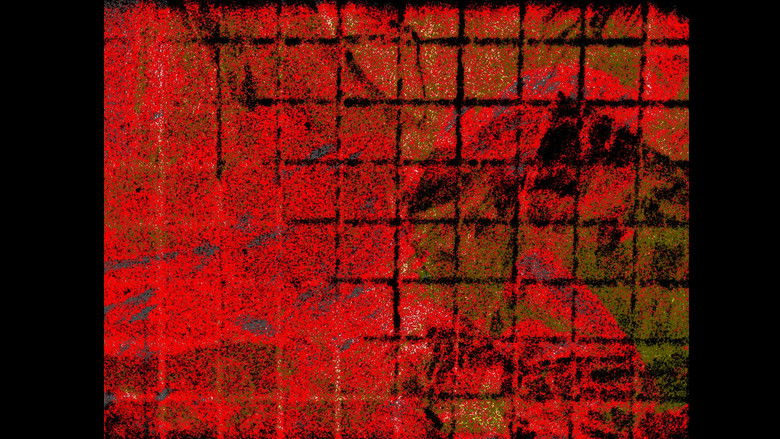
Searching for life in daily rituals, Losing Touch undertakes a shift in perception and presents the city as an ugly yet ecologically rich landscape. The film depicts the internal dialogue on coping with the grief and fear of ecological degradation, using the local streets of Berlin as a means to materialise and confront these emotions. As both the body and mind begin to wander, encounters with the landscape over a 24 hour period are transformed into an overstimulating and emotionally charged journey. Camcorder footage, film developed in beer and cyanotype create sensational and playful depictions of the surroundings, joining the rats scurrying on the ground and fleeing the night lights with the moths. Creatures of metal and flesh interact within and between the frames, coming together as an ugly yet vibrant community. Subverting the nature-culture dichotomy, a new image of nature is formed, not only as a romantic, distant place, but rather a dirty, omnipresent force.
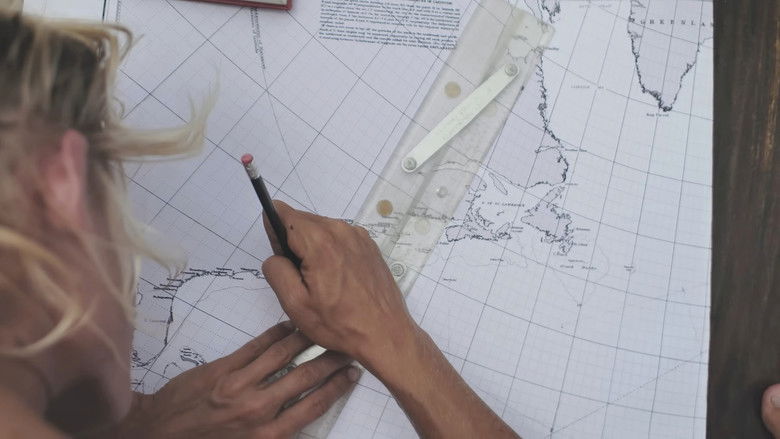
Shot over the course of 30 days at sea, filmmaker Alizé Jireh documents the group’s voyage across the North Atlantic—from moments of stillness and calm to the chaos of storms and setbacks. With an observational approach and an eye for the emotional and physical rhythms of life at sea, Jireh captures not just the external landscape, but the internal shifts that come with navigating the vast unknown.
"Stitched" is a fun-filled documentary following three quilters racing to complete their entries for the International Quilt Festival, the largest and most competitive quilt show in the nation. Judged on a combination of craftsmanship and flair, traditionalists compete with newcomers as the competition features heated battles between hand and machine quilters, and a controversial painted nude piece that sparks debate.
A meditation on childhood, loss, and the desire to recreate one’s innocence; the recalling of memories.
"An experimental documentary on Reverend L.O. Taylor, a black Baptist minister from Memphis, Tennessee who was also an inspired filmmaker with an overwhelming interest in preserving the social and cultural fabric of his own community in the 1930′s and 40s. I combine his films and music recordings with my own images of Memphis neighborhoods and religious gatherings" -Sachs

During the last forty years, the photographer Sebastião Salgado has been travelling through the continents, in the footsteps of an ever-changing humanity. He has witnessed the major events of our recent history: international conflicts, starvations and exodus… He is now embarking on the discovery of pristine territories, of the wild fauna and flora, of grandiose landscapes: a huge photographic project which is a tribute to the planet's beauty. Salgado's life and work are revealed to us by his son, Juliano, who went with him during his last journeys, and by Wim Wenders, a photographer himself.
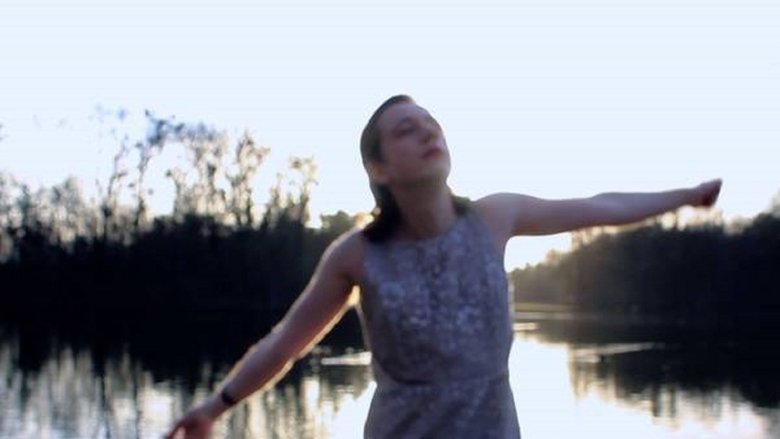
In 2002, Lana Kaiser became well known in the first season of the German version of the Idol television franchise. She was born in 1985 and went by her birth name Daniel Küblböck. At only 17 years old she polarised the audience with her androgynous appearance and open bisexuality. On September 9th 2018, Lana disappeared from a cruise ship on her way to North America. Most media outlets and the majority of the public didn‘t consider calling her by her chosen name, Lana Kaiser. Philipp Gufler's video installation is a personal portrait of the singer and entertainer.
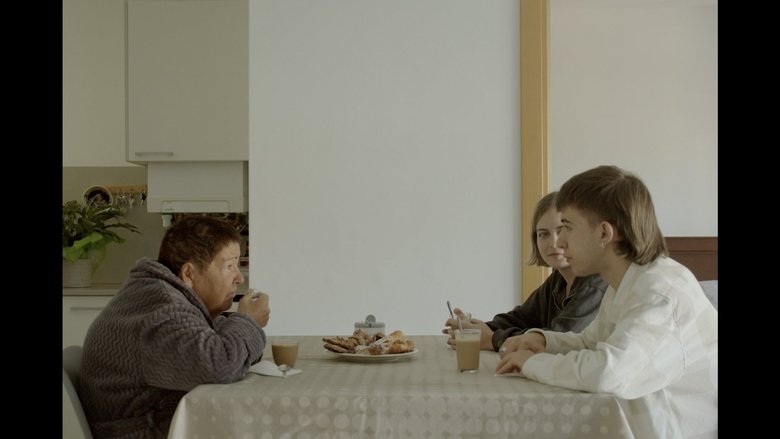
Rafaela, an 80-year-old woman, has a long conversation with her grandson, going over his path from childhood to old age. Now that she has been diagnosed with chronic breast cancer, faith is more present in her life than ever, which coexists with Rafaela's fear of death, and her grandson's fear of dying.
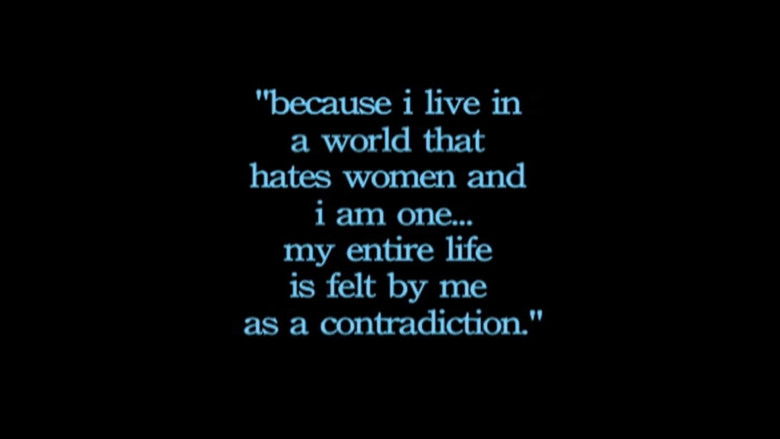
The Post(?) Feminist Dissonance Project uses a quote by Kathleen Hanna as a prompt, a voicemail box as an interviewing device, found footage as a tool, and text as a character. it is a study in the cacophony of the inner life tuned against the perception of reality. i made this piece to see if i was alone, and i discovered that for better or for worse, i am not. this is above all about the process, not the resolution.
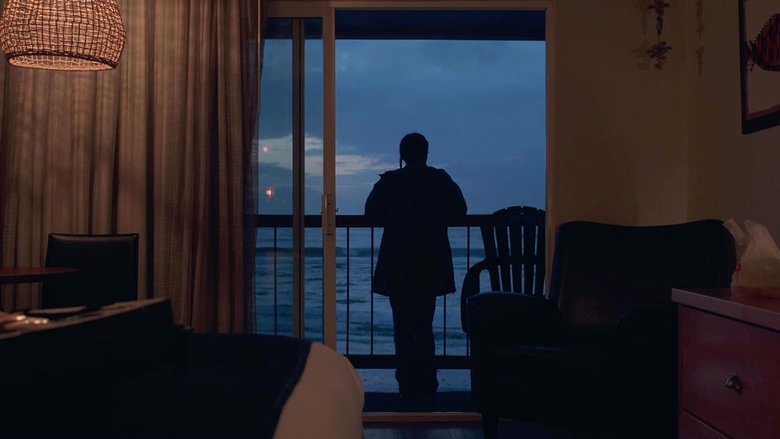
An experimental look at the origin of the death myth of the Chinookan people in the Pacific Northwest, following two people as they navigate their own relationships to the spirit world and a place in between life and death.
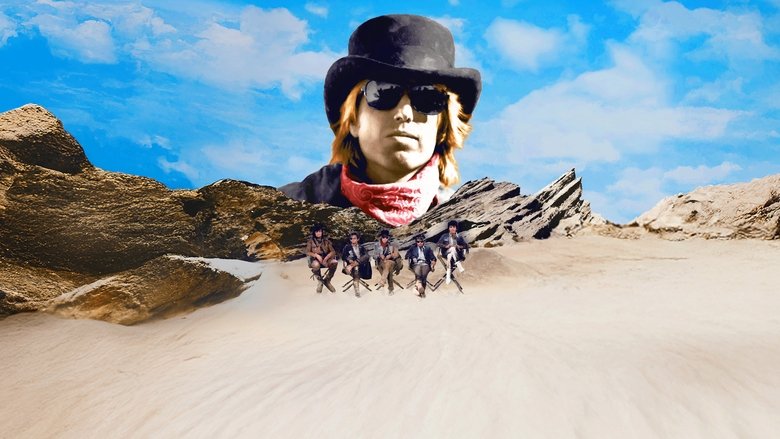
Documentary that captures Tom Petty and the band in 1982-1983 as they finish, promote, and tour around the “Long After Dark” album (their final with legendary producer Jimmy Iovine). It aired only once on MTV in 1983. After the long lost 16mm reels were finally found, a restored version with 19 minutes of extra footage was released in 2024.
X-ray images were invented in 1895, the same year in which the Lumière brothers presented their respective invention in what today is considered to be the first cinema screening. Thus, both cinema and radiography fall within the scopic regime inaugurated by modernity. The use of X-rays on two sculptures from the Bilbao Fine Arts Museum generates images that reveal certain elements of them that would otherwise be invisible to our eyes. These images, despite being generally created for technical or scientific purposes, seem to produce a certain form of 'photogénie': they lend the radiographed objects a new appearance that lies somewhere between the material and the ethereal, endowing them with a vaporous and spectral quality. It is not by chance that physics and phantasmagoria share the term 'spectrum' in their vocabulary.
Departing from peripheral details of some paintings of the Bilbao Fine Arts Museum, a female narrator unravels several stories related to the economic, social and psychological conditions of past and current artists.
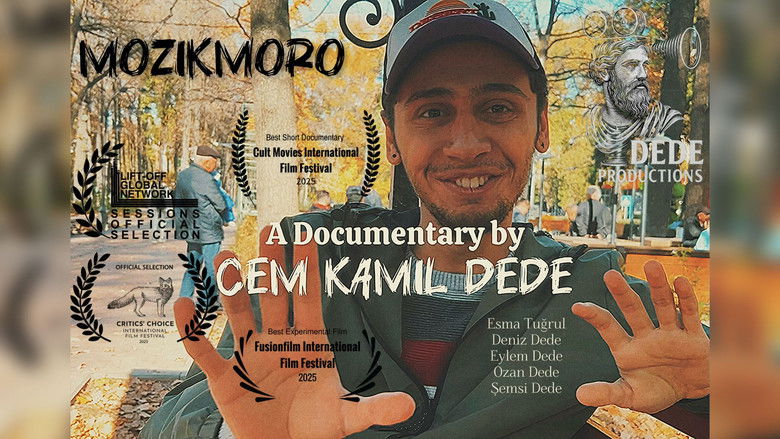
Faced with an assignment to film something personal, Cem begins a quiet search for what that really means. A casual conversation with a close friend leads him to turn the camera toward the people who already shape his life. Through moments with his grandmother, spontaneous talks about family, and reflections on his dream of becoming a filmmaker, MozikMoro slowly transforms into a portrait of connection and self discovery. Between the ordinary and the intimate, Cem captures a world that is both deeply personal and universally human.