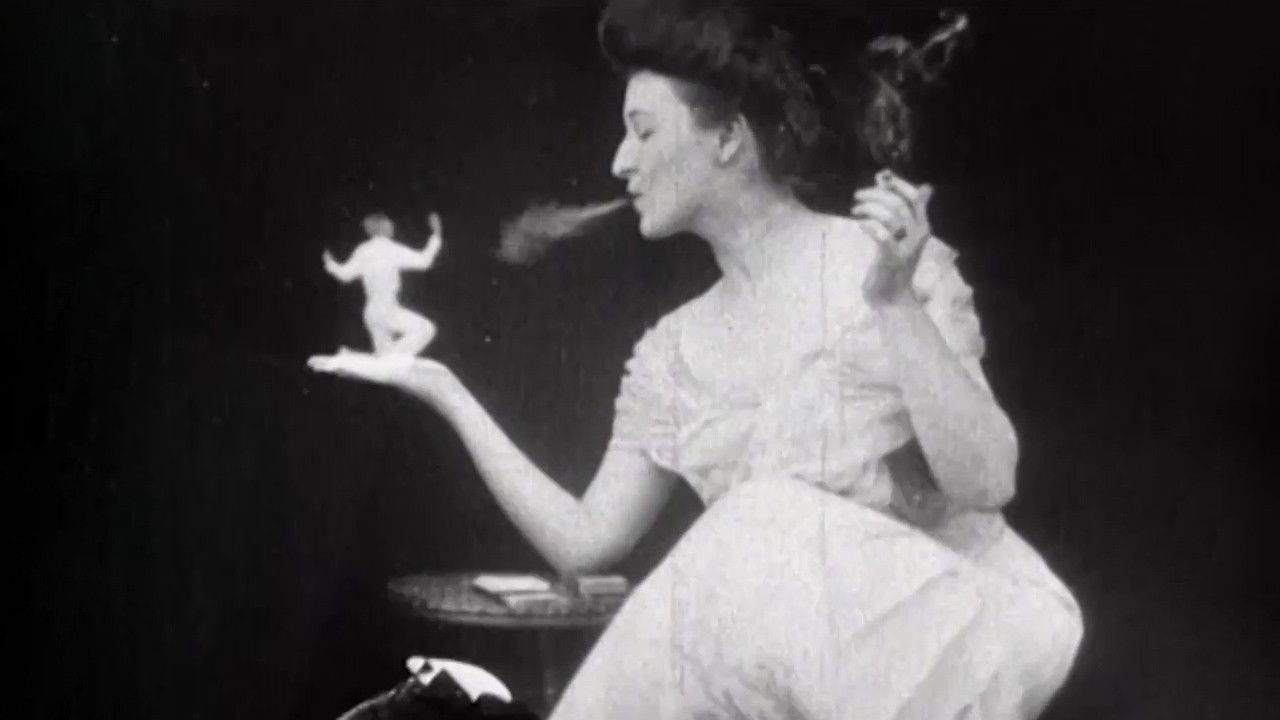
Margaret Sanger: A Public Nuisance (1993)
An exploration of the early public debate surrounding birth control, the media's involvement, and the unstoppable Margaret Sanger, in a style mimicking the films of the period.
An exploration of the early public debate surrounding birth control, the media's involvement, and the unstoppable Margaret Sanger, in a style mimicking the films of the period.
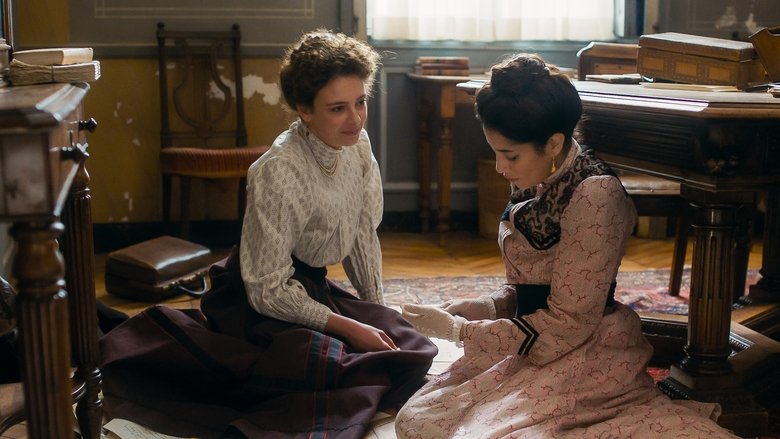
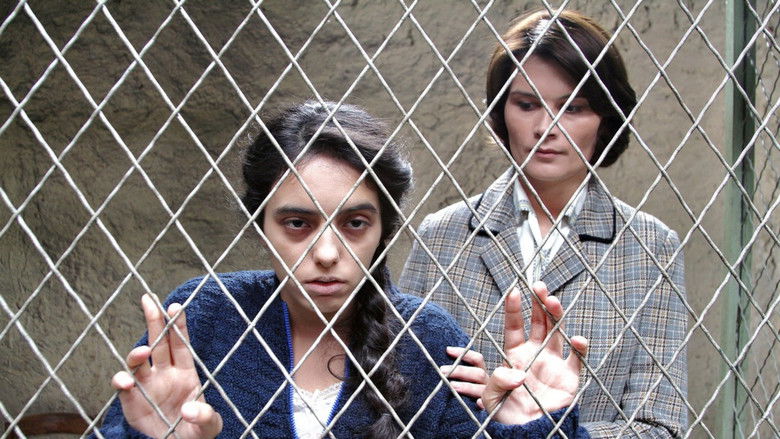
Set in 1900, Lili d’Alengy, a Parisian cocotte at the height of her fame, flees Paris to hide her “idiot” daughter. There she meets Maria Montessori, who is pioneering a teaching method that may help the child.

Doaa el-Adl, the first woman to be awarded the esteemed Journalistic Distinction in Caricature, serves as a catalyst for transformation within the predominantly male-dominated realm of Egyptian political cartoonists. Challenging patriarchal norms, she routinely confronts censorship, harassment, and even threats to her life. In a remarkable fusion of documentary, cartoons, and animation, Egyptian director Nada Riyadh breathes life into el-Adl's most renowned works. This dynamic and fearless presentation delves into the issue of violence against women, stretching the boundaries of freedom of speech in a society often characterized by restrictions. Through her exceptional talent, el-Adl not only champions women's rights but also serves as an inspiration for societal change.
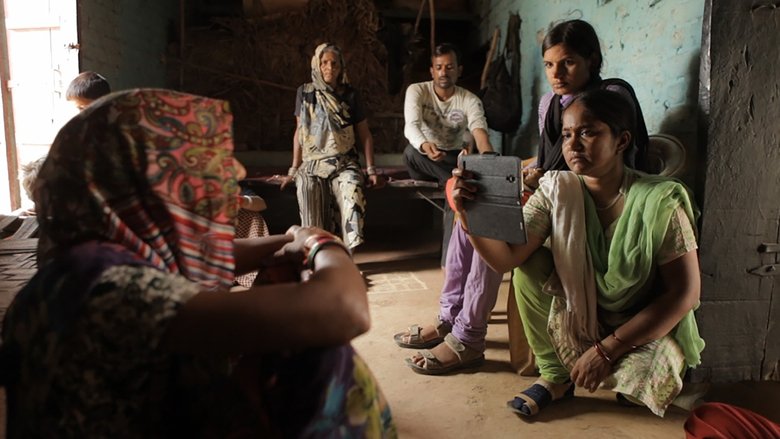
In a cluttered news landscape dominated by men, emerges India’s only newspaper run by Dalit women. Armed with smartphones, Chief Reporter Meera and her journalists break traditions on the frontlines of India’s biggest issues and within the confines of their own homes, redefining what it means to be powerful.
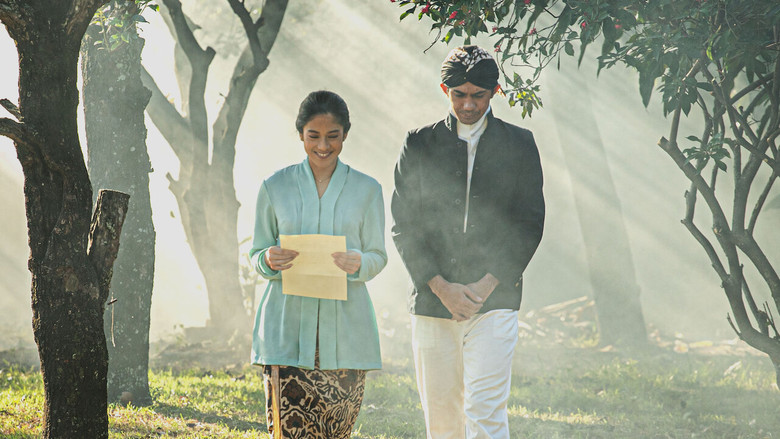
A woman of nobility battles patriarchal norms in order to improve educational access for women in early 1900s Indonesian society.
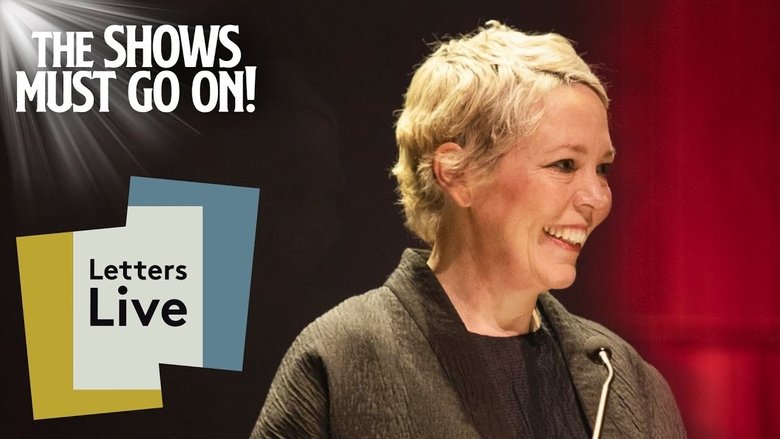
Celebrate International Women’s Day with this brand new inspiring film from LETTERS LIVE. In “LETTERS LIVE from the Archive: International Women’s Day”, remarkable letters are read by a diverse array of outstanding luminaries, including stunning performances from Olivia Colman, Gillian Anderson, Daisy Ridley, Caitlin Moran, Rose McGowan, Adwoa Aboah, Louise Brealey and more. Plus music from Roxanne Tataei.
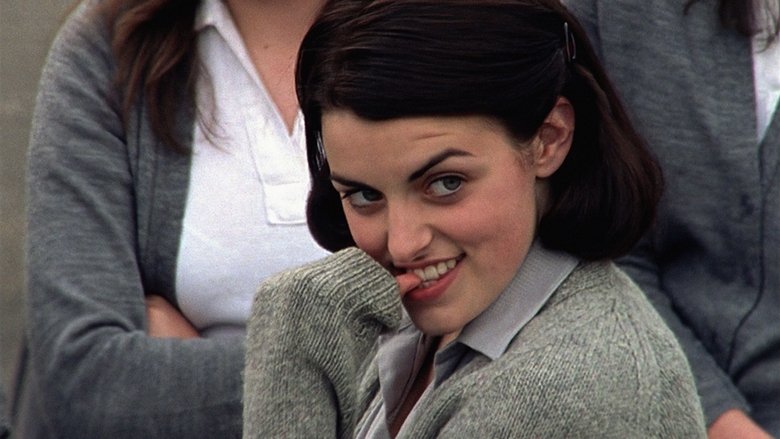
Three young Irish women struggle to maintain their spirits while they endure dehumanizing abuse as inmates of a Magdalene Sisters Asylum.
50 years ago, assemblyman George Michaels cast a single vote on New York's abortion bill that changed the course of American history but destroyed his political career in the process.
A film portrayal of a pioneering aviator and best-selling author whose extraordinary public life had a deep impact on her inner world.
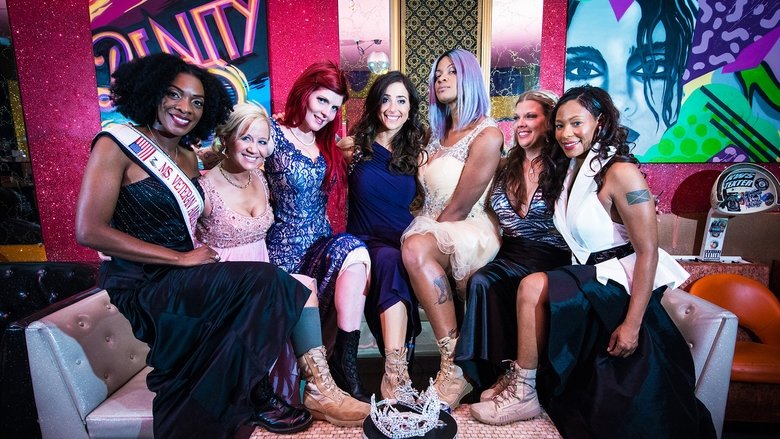
Five women veterans who have endured unimaginable trauma in service create a shared sisterhood to help the rising number of stranded homeless women veterans by entering a competition that unexpectedly catalyzes moving events in their own lives.
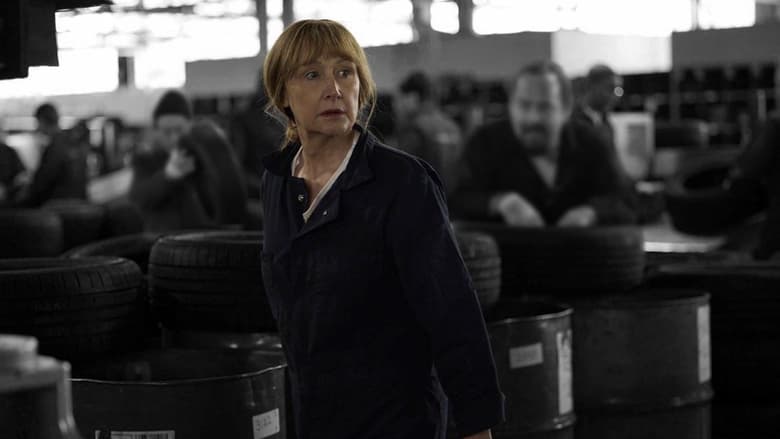
Based on the inspiring true story of Lilly Ledbetter, an ordinary Alabama tire factory supervisor who discovers she's being paid less than her male peers. Her fight for fair pay takes her to the Supreme Court and Congress, while powerful forces try to shut her down. Lilly refuses to accept the status quo and has the courage to fight for what is right.
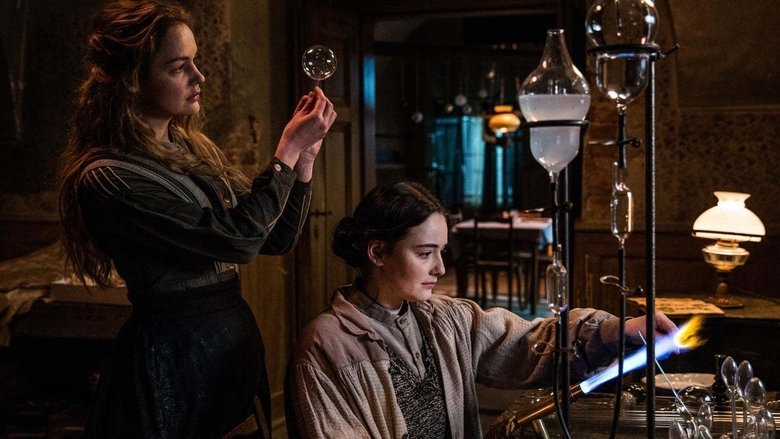
Marie violates tradition in a small German town of Lauscha, to become the first female glassblower in in 1890. Her glass ball decorations find a new market in America.
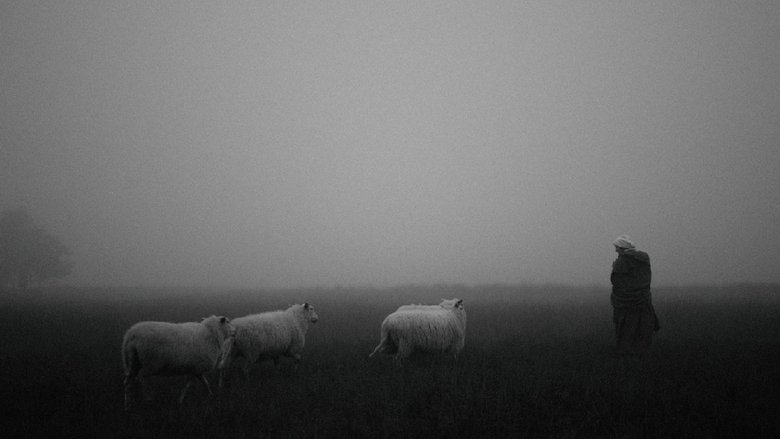
An experimental musical period drama about the witchhunts in 1595 in the south of the Netherlands. The film depicts the last days of the life of the young woman Heylken.
In an era of antifeminist backlash, this articulate documentary by the makers of Thank God I’m a Lesbian forcefully reminds us that the revolution continues. Powerful interviews with feminist leaders including bell hooks, Gloria Steinem, and Urvsahi Vaid are intercut with documentary sequences to engagingly explore the past and present status of the women’s movement. Discussing the unique contributions of second wave feminism, they explore their racial, economic and ideological differences and shared vision of achieving equality for women. Anessential component of women’s studies curricula, My Feminism introduces feminism’s key themeswhile exposing the cultural fears underlying lesbian baiting, backlash, and political extremism.
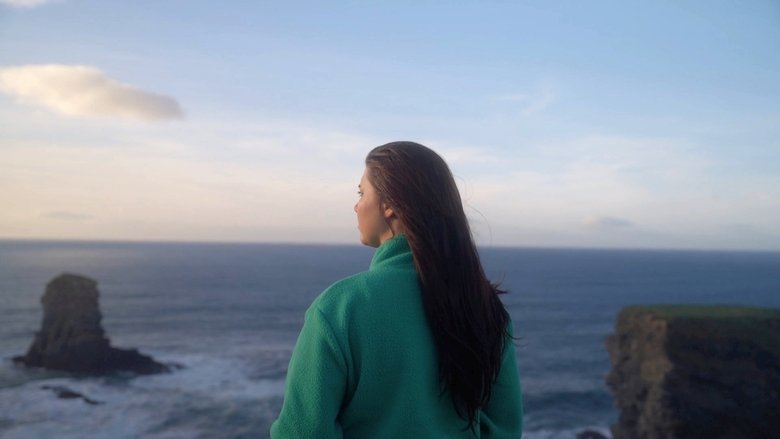
After surviving a violent assault by a serving soldier who was convicted but walked free with a suspended sentence, Natasha O'Brien refused to stay silent.
Women’s voices rise to deliver testimonies of victims of sexual violence. By reconstructing a story with these fragments of experience, a societal portrait is painted throughout the documentary. Like a mosaic, the pieces stick together to build a unique story that could belong to any human.
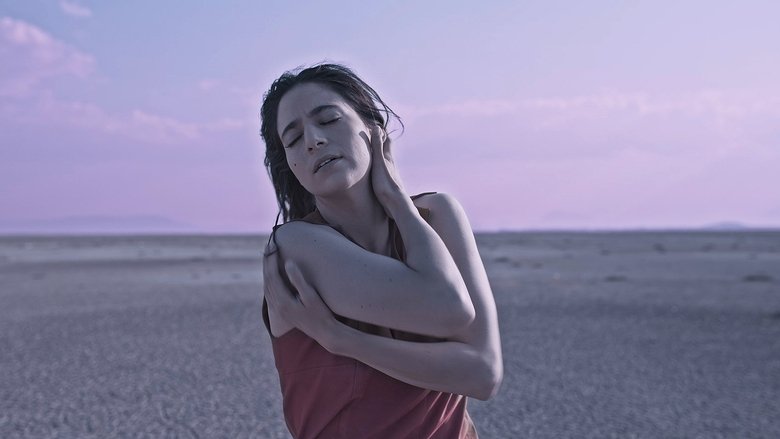
After their mother's femicide, three siblings are separated and forced to live in different places. Years later they gather to raise their voices and fight to be made visible in a country where orphans for femicide are ignored by the state and invisible to society. It's up to them to tell their story.