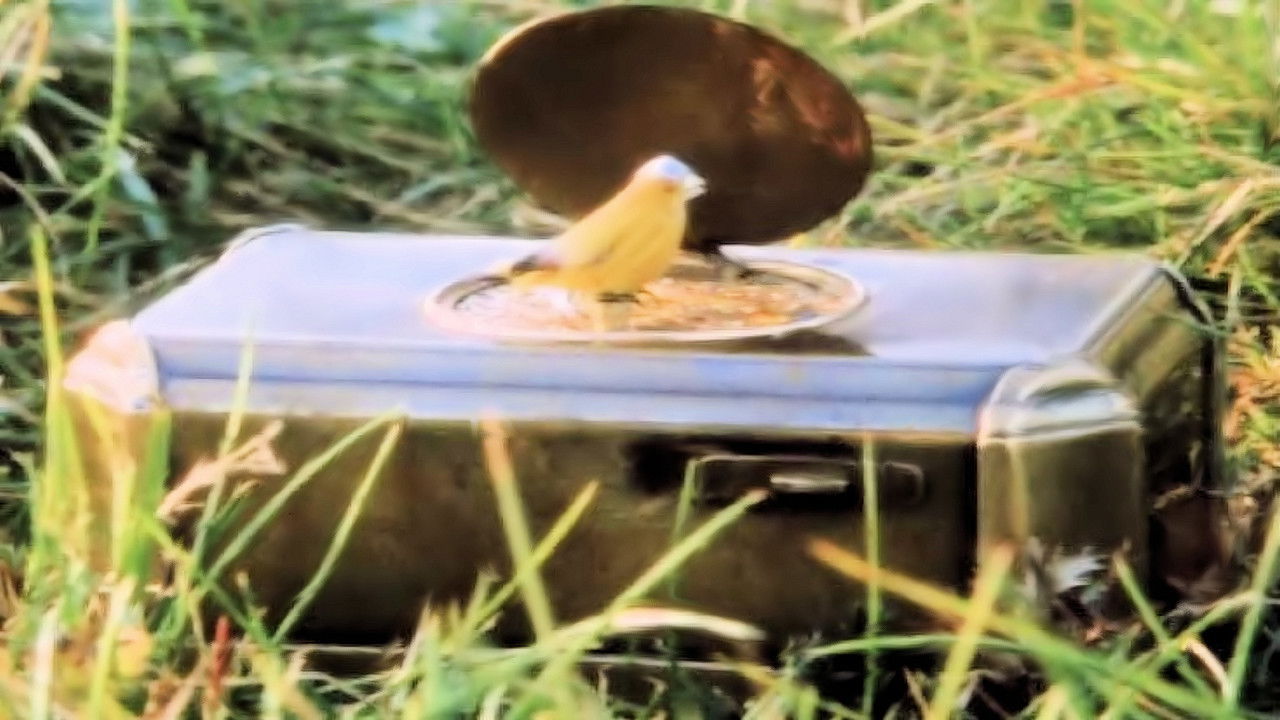
Land of Dreams (1988)
"Land of Dreams" - When the daughter Johanna is born in 1983, Jan Troell tells the story about his childhood Sweden and how things were when he grow-up in the land of fairy tales and potential prosperity.
"Land of Dreams" - When the daughter Johanna is born in 1983, Jan Troell tells the story about his childhood Sweden and how things were when he grow-up in the land of fairy tales and potential prosperity.
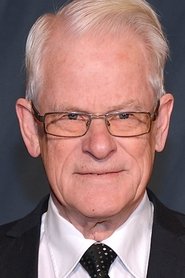 Ingvar CarlssonSelf
 Tage ErlanderSelfTimo NilssonSelf
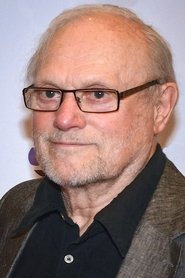 Jan TroellSelfJohanna TroellSelf
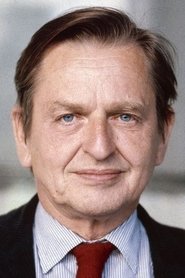 Olof PalmeSelf
Twenty-five films from twenty-five European countries by twenty-five European directors.
Ante Meridiem is a sensory journey through the first hours of dawn. Kind but vehement, he explores the dichotomy between silence and bustle, patience and haste, taking both to their ultimate consequences.

Victor Fleming’s 1939 film The Wizard of Oz is one of David Lynch’s most enduring obsessions. This documentary goes over the rainbow to explore this Technicolor through-line in Lynch’s work.
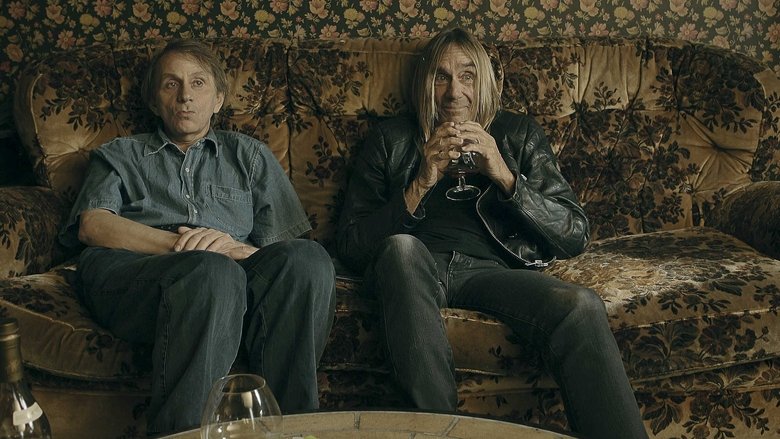
Iggy Pop reads and recites Michel Houellebecq’s manifesto. The documentary features real people from Houellebecq’s life with the text based on their life stories.
A 25-minute visual essay by Kent Jones about Jean-Luc Godard and his film 'Weekend'.
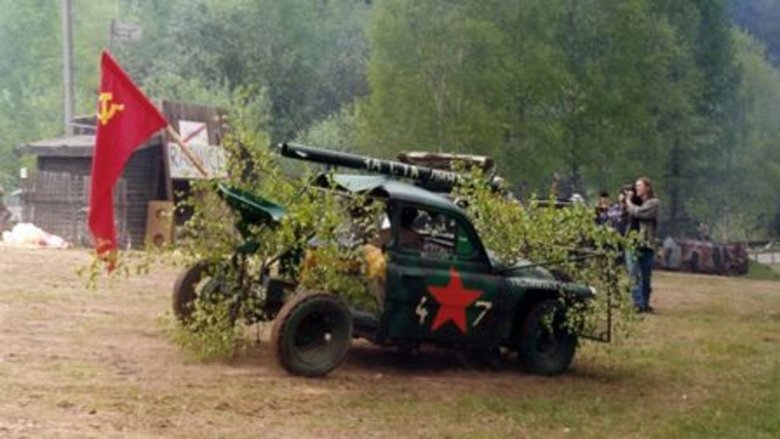
A labyrinthine portrait of Czech culture on the brink of a new millennium. Egon Bondy prophesies a capitalist inferno, Jim Čert admits to collaborating with the secret police, Jaroslav Foglar can’t find a bottle-opener, and Ivan Diviš makes observations about his own funeral. This is the Czech Republic in the late 90s, as detailed in Karel Vachek’s documentary.
Quite a few years have passed since November 1989. Czechoslovakia has been divided up and, in the Czech Republic, Václav Klaus’s right-wing government is in power. Karel Vachek follows on from his film New Hyperion, thus continuing his series of comprehensive film documentaries in which he maps out Czech society and its real and imagined elites in his own unique way.
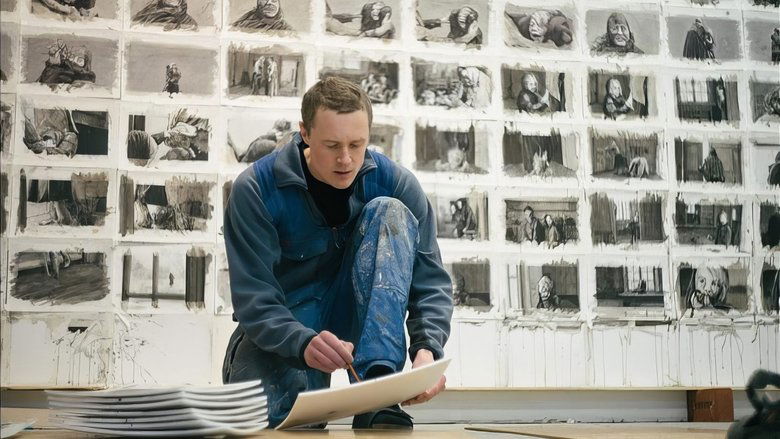
In 1909, in an undemocratic Sweden, a bastard child is born and given the name of Hervor. Her mother is unmarried, due to which she is called a "whore' and is driven from her home. Hervor grows up at shelters and orphanages, unwanted, rejected by society. As an adult she spends her life struggling for social justice. In old age she tells us her story. Director Knutte Wester brings his grandmother's memories to life thought hand-painted animated images and has us witness someone being rejected in order to unite others. A story that all too often still repeating itself.
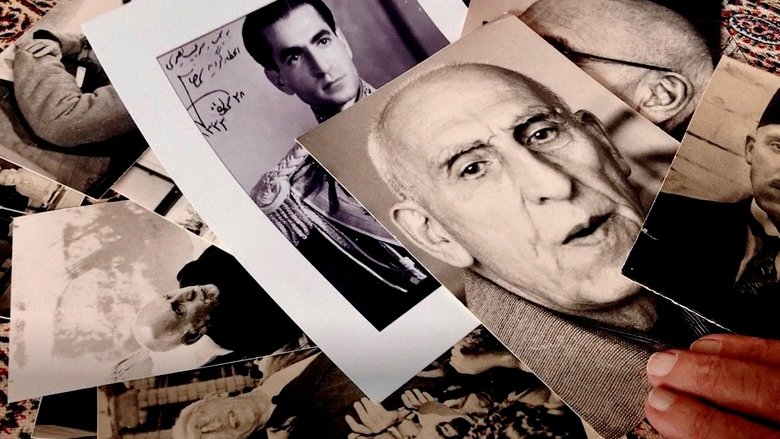
Tehran, Iran, August 19, 1953. A group of Iranian conspirators who, with the approval of the deposed tyrant Mohammad Reza Pahlavi, have conspired with agents of the British MI6 and the US CIA, manage to put an end to the democratic government led by Mohammad Mosaddegh, a dramatic event that will begin the tragic era of coups d'état that, orchestrated by the CIA, will take place, over the following decades, in dozens of countries around the world.
The coronation of King Håkon (Haakon VII) of Norway in 1905.
A found-footage essay, Filmfarsi salvages low budget thrillers and melodramas suppressed following the 1979 Islamic revolution.
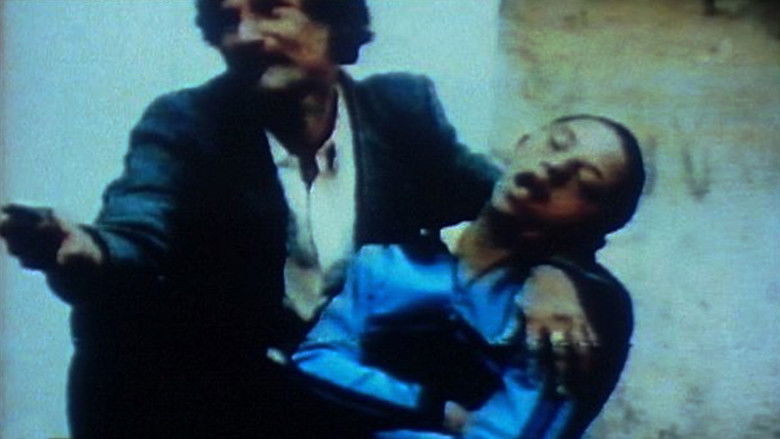
Chronicles of a male homosexual drug addict in 1980's in voice-over with long take scenes from Rome, television snippets of news of Gulf War and commercials.
This short film takes the viewer to several towns and historical sites of rural Sweden.
A flickering dance of intriguing imagery brings to light the possibilities of ordinary movements from the everyday which appear, evolve and freeze before your eyes. Made entirely from archive photographs and footage from the earliest days of moving image, All This Can Happen (2012) follows the footsteps of the protagonist from the short story 'The Walk' by Robert Walser. Juxtapositions, different speeds and split frame techniques convey the walker's state of mind as he encounters a world of hilarity, despair and ceaseless variety.
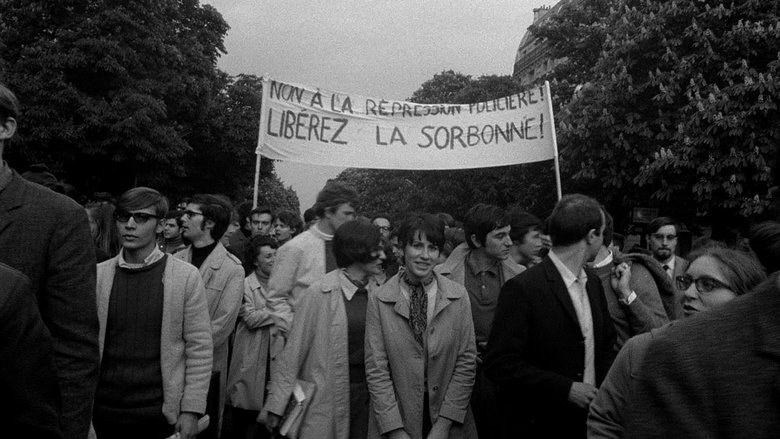
A personal essay which analyses and compares images of the political upheavals of the 1960s. From the military coup in Brazil to China's Cultural Revolution, from the student uprisings in Paris to the end of the Prague Spring.
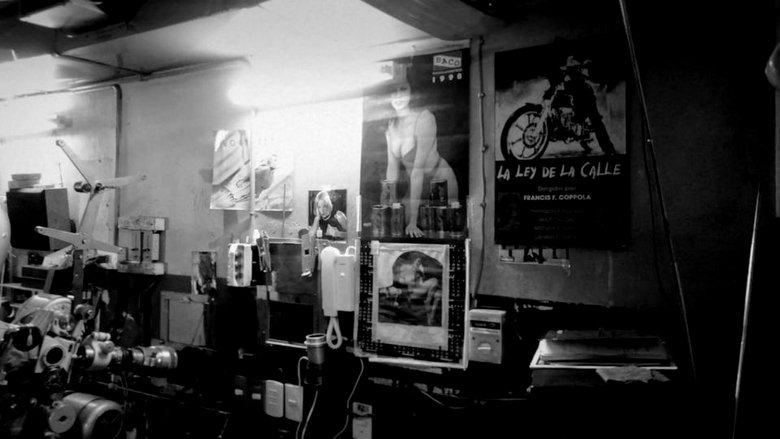
A personal meditation on Rumble Fish, the legendary film directed by Francis Ford Coppola in 1983; the city of Tulsa, Oklahoma, USA, where it was shot; and its impact on the life of several people from Chile, Argentina and Uruguay related to film industry.
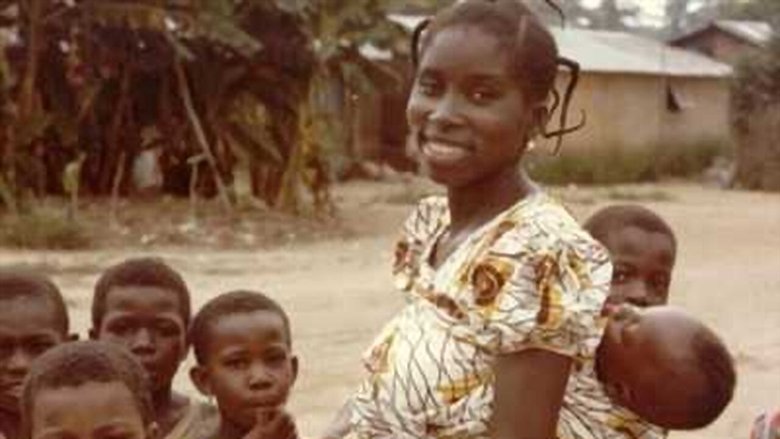
A look at the Brazilian black movement between 1977 and 1988, going by the relationship between Brazil and Africa.
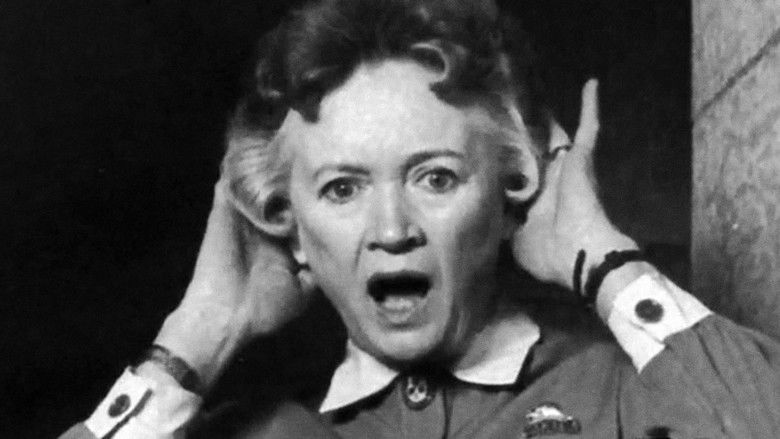
This lively satire uses animation and a pseudo-documentary style to depict Canada's search for a national identity. The National Scream explains, amongst other elements of Canadiana, how and why the beaver became the country's symbol.
Weeping Rocks follows Art, an entomologist nearing the end of his life, who has spent over five decades walking the same ten trails, meticulously counting every butterfly he sees and witnessing the slow erosion of the world. His eccentric, patient research has uncovered patterns of decline that went unnoticed for years, revealing the deep environmental impact of detrimental human activities. As time reshapes the landscape and species fade, Art’s journey becomes a meditation on mortality, change, and the beauty of what remains.
Filmmaker John Torres describes his childhood and discusses his father's infidelities.