
Forward a Century (1951)
Commissioned by the Festival of Britain to show the similarities and contrasts between 1851 and 1951, by means of the Great Exhibition and the Festival.
Commissioned by the Festival of Britain to show the similarities and contrasts between 1851 and 1951, by means of the Great Exhibition and the Festival.
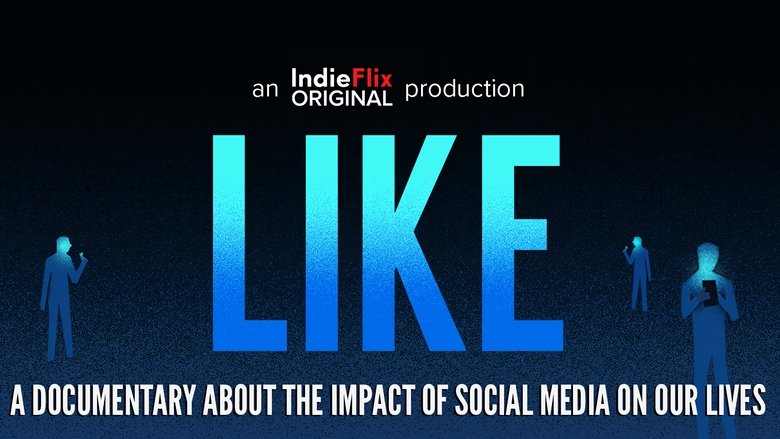
LIKE is an IndieFlix Original documentary that explores the impact of social media on our lives and the effects of technology on the brain. The goal of the film is to inspire us to self-regulate. Social media is a tool and social platforms are a place to connect, share, and care … but is that what's really happening?

A look at Britain's beloved canal network via a fact-filled cruise along the first superhighways of the Industrial Revolution. In the age before mechanisation, a frenzy of canal-building saw a new army of workers carve out the British landscape, digging out hundreds of miles of waterways using picks, shovels and muscle.

NOTHING TO HIDE is an independent documentary dealing with surveillance and its acceptance by the general public through the "I have nothing to hide" argument. The documentary was produced and directed by a pair of Berlin-based journalists, Mihaela Gladovic and Marc Meillassoux. It was crowdfunded by over 400 backers. NOTHING TO HIDE questions the growing, puzzling and passive public acceptance of massive corporate and governmental incursions into individual and group privacy and rights. After the emotion initially triggered by the Snowden revelations, it seems that the general public has finally accepted to live in a monitored digital world.
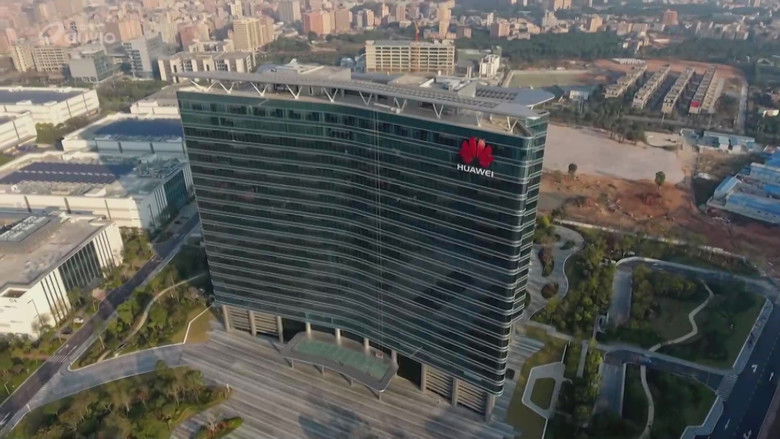
The Chinese company Huawei wants to expand 5G worldwide and is well advanced in the development of the technology. With the help of 5G, entire communities can function wirelessly, self-driving cars become possible and advanced medical care can be performed remotely in real time. However, many are worried that Huawei is incorporating backdoors that allow vast amounts of data to be collected and then used by China for espionage.

Takes us to locations all around the US and shows us the heavy toll that modern technology is having on humans and the earth. The visual tone poem contains neither dialogue nor a vocalized narration: its tone is set by the juxtaposition of images and the exceptional music by Philip Glass.
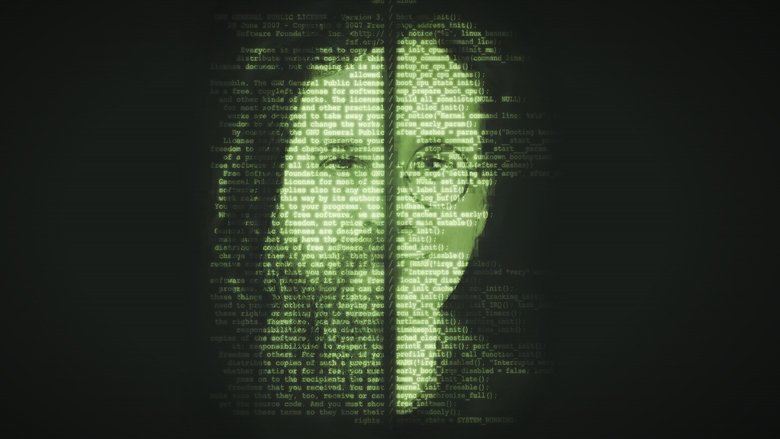
REVOLUTION OS tells the inside story of the hackers who rebelled against the proprietary software model and Microsoft to create GNU/Linux and the Open Source movement.
Showcasing three short films by American writer James Baldwin, wherein he muses about race, sexuality and civil rights, among other topics, in Istanbul, Paris and Great Britain.
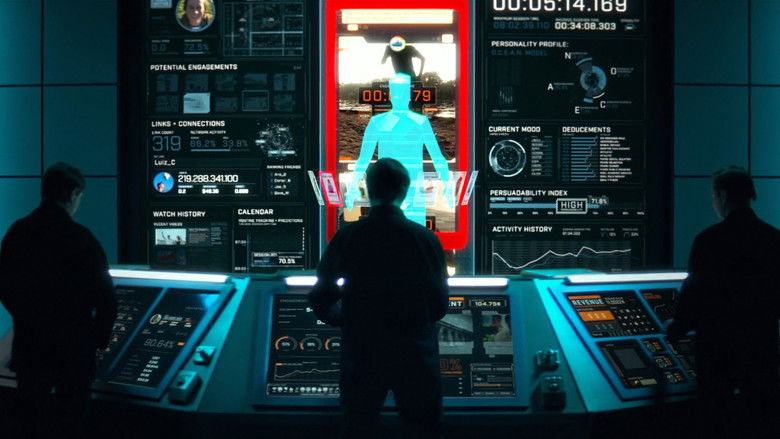
This documentary-drama hybrid explores the dangerous human impact of social networking, with tech experts sounding the alarm on their own creations.
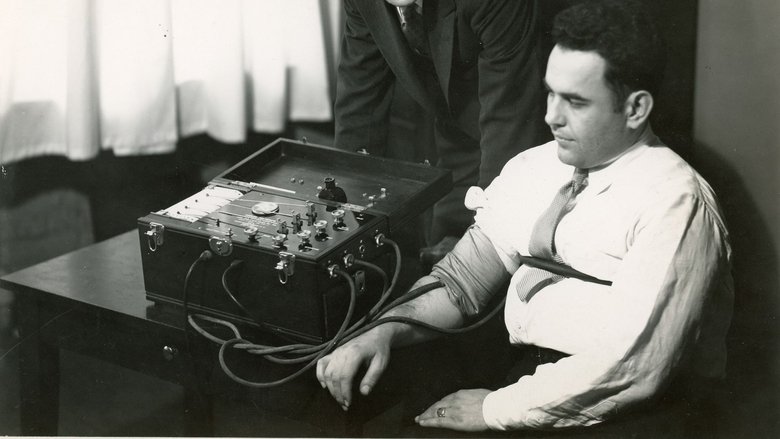
In the first decades of the 20th century, when life was being transformed by scientific innovations, researchers made a thrilling new claim: they could tell whether someone was lying by using a machine. Popularly known as the “lie detector,” the device transformed police work, seized headlines and was extolled in movies, TV and comics as an infallible crime-fighting tool. Husbands and wives tested each other’s fidelity. Corporations routinely tested employees’ honesty and government workers were tested for loyalty and “morals.” But the promise of the polygraph turned dark, and the lie detector too often became an apparatus of fear and intimidation. Written and directed by Rob Rapley and executive produced by Cameo George, The Lie Detector is a tale of good intentions, twisted morals and unintended consequences.

A documentary about the development and spread of the virtual currency called Bitcoin.
Four children want to invite their friends to a picnic, but they don't know how to use the telephone. Suddenly, the room goes dark and the phone becomes large enough for them to climb into. They walk through a tunnel and meet a man named Telly, who takes them into the world of Telezonia, where they are shown various kinds of telephones. They meet several costumed characters, such as Question Mark, who teaches them how to answer the phone; Q and Z, who show them how to use the phone book; and Exclamation Point, who teaches them how to place a call. By the time they leave Telezonia, they are full-fledged telephone users.
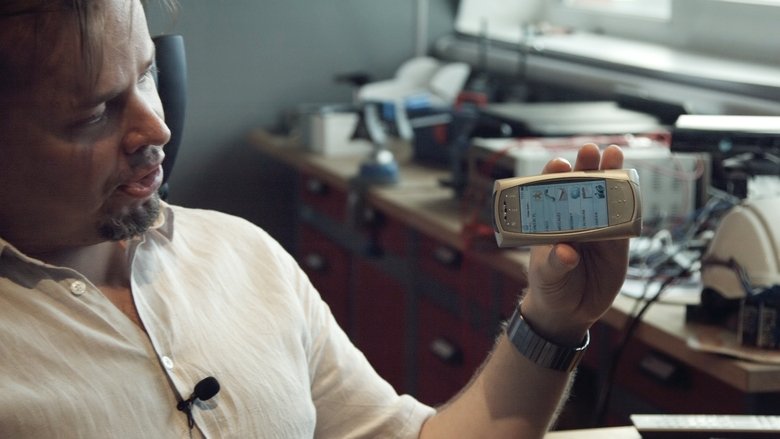
Once upon a time there was a large Finnish company called Nokia that manufactured the world’s best and most innovative mobile phones. Nokia’s annual budget was larger than that of the Government of Finland and their phones spread everywhere and changed the whole culture of communication. But then something changed. Film portrays the rise and fall of Nokia and the Finnish mobile phone industry. Nokia engineers, designers and managers tell their story about the creation, success and downfall of the Finnish mobile phone.
On June 11th, 1997, Philippe Kahn created the first camera phone solution to share pictures instantly on public networks. The impetus for this invention was the birth of Kahn's daughter, when he jerry-rigged a mobile phone with a digital camera and sent photos in real time. In 2016 Time Magazine included Kahn's first camera phone photo in their list of the 100 most influential photos of all time.
A 3 year trade war has created corporate casualties in both US and China. In China, a dual circulation model is now underway to mitigate the effects of US protectionism. In the US, a Biden administration mulls new economic measures against China, even as industry groups lobby for tariffs to be lifted. Both countries also brace for what used to be unthinkable- the possibility of a financial war.
William Shatner presents a light-hearted look at how the "Star Trek" TV series have influenced and inspired today's technologies, including: cell phones, medical imaging, computers and software, SETI, MP3 players and iPods, virtual reality, and spaceship propulsion.

The full bizarre, tragic but celebratory story of Syd Barrett, the co-founder of Pink Floyd.
In this video series an individual confronts fears and, through the process of confessing directly to the camera, transcends trauma. It is also about agin, longing, the delusions and misconceptions we are encumbered with as we mature towards self-awareness, and the masks we assume to deny or hide understanding. The tapes rupture, fracture, and use digital effects to mirror the psychological changes of the protagonist.
Every year, up to 50 million tons of electronic waste - computers, television sets, mobile phones, household appliances - are discarded in the developed world. 75% of this waste disappears from the legal recycling circuits, with much of it being dumped illegally in the Third World, where it destroys landscapes and harms lives. This film takes the viewer on a journey of investigation to Europe, China, Africa and the US and reveals a toxic global trade fuelled by greed and corruption. - Written by Cosima Dannoritzer
"Origins" takes a journey through the biological roots of where we have come from and where we have gone. Using fire as a metaphor for technology, the film looks at the advances of our civilization and how the recklessness of unchecked technology is now choking out the environment and poisoning our bodies. Interviews with the biggest names in the health and green space create compelling context and arguments for how we can better coexist with nature. "Origins" shows how man, technology, and nature can walk together in balance.
Gigantic machine combs beach in southern California and retrieves articles lost in sand; synthetic gems made by new chemical process; aviation school holds classes in grounded transport plane; how seaweed is processed for scientific use.