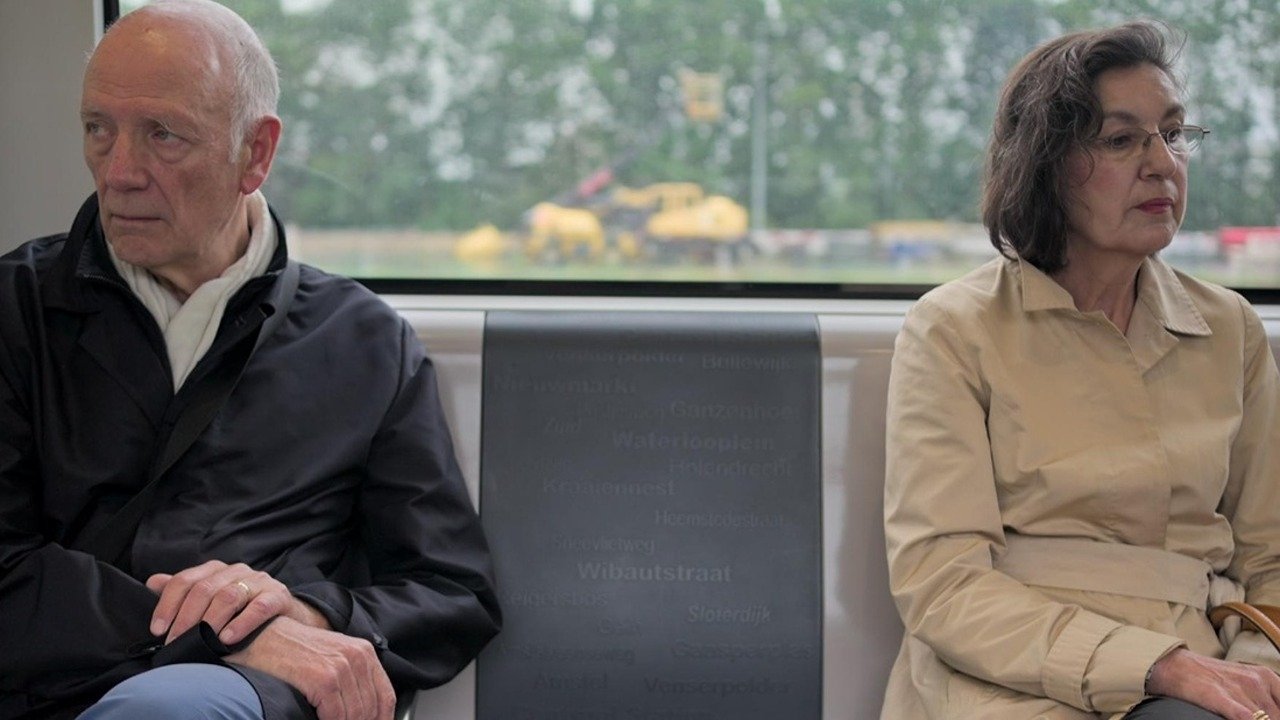
Together alone (2024)
Kees suffers from Parkinson's disease. This puts pressure on his relationship with his beloved Carmen. If a cure is not forthcoming, an almost inhuman, devilish dilemma presents itself.
Kees suffers from Parkinson's disease. This puts pressure on his relationship with his beloved Carmen. If a cure is not forthcoming, an almost inhuman, devilish dilemma presents itself.
 Kees RijninksSelfCarmen CobosSelf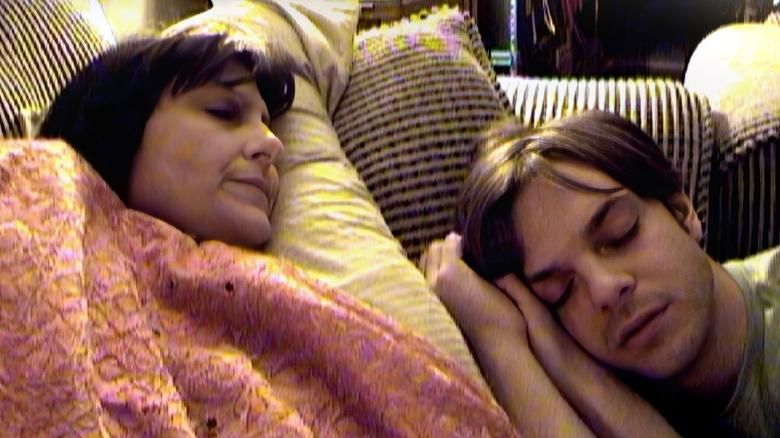
Filmmaker Jonathan Caouette's documentary on growing up with his schizophrenic mother -- a mixture of snapshots, Super-8, answering machine messages, video diaries, early short films, and more -- culled from 19 years of his life.
It is late 2004, and 34-year-old Englishman Alistair Appleton is about to fly from London to the Brazilian coast, where he will drink ayahuasca for the first time. With wit, insight, and sensitivity, Alistair shares this experience with us, and chats with some fellow participants before and after the ayahuasca ceremonies. For the past few years, Alistair had been working as a television presenter. In 2000, he started making trips to the Centre for World Peace and Health in Scotland to learn how to meditate. When clinical psychologist Silvia Polivoy opened an ayahuasca healing center in Bahia in 2004, Alistair faced his fears and seized the opportunity to attend.
Angdu is no ordinary boy. Indeed, in a past life he was a venerated Buddhist master. His village already treats him like a saint as a result. The village doctor, who has taken the boy under his wing, prepares him to be able to pass on his wisdom. Alas, Tibet, Angdu’s former homeland and the centre of his faith, lies far away from his current home in the highlands of Northern India. On top of that, the conflict between China and Tibet makes the prospect of a trip there even more daunting. Undeterred by these harsh facts, the duo set off for their destination on foot, accompanied by questions of friendship and the nature of life. With its narrative approach steeped in a serene sense of concentration, this documentary film, composed over a period of eight years, stands as a fundamental experience in its own right.
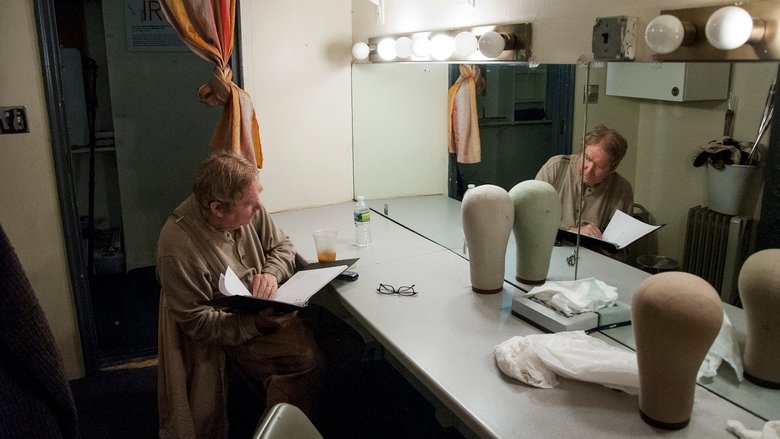
As their bodies give way to Parkinson's disease, two New York actors put their hearts into one final Off-Broadway production of Beckett's "Endgame," the play that posits, "there's nothing funnier than unhappiness."
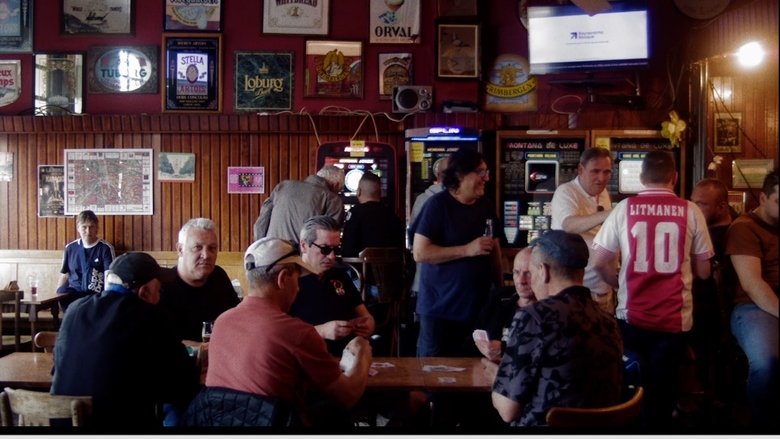
A café in the north of Brussels. Days are punctuated by the songs that the customers sing at all hours, to amuse themselves, to remember or to pass the time. Those songs transform the place little by little, making the film a strange musical.
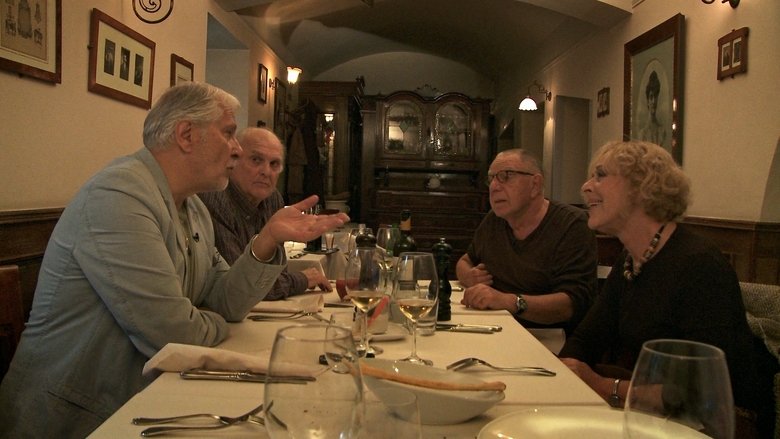
A film about a theatre performance and four very notable people behind it: writer and director D. Jovanović, actress M. Zupančič and actors R. Polič and B. Cavazza. This is a story of a love triangle and of a multi-layered, entirely overt intertwining of protagonists’ public artistic personas and their personal lives. The film documents a 4-month process of the making of a theatre piece from the first rehearsal to the opening night, at the same time uncovering the intimate lives of the artists and telling a universal story of the relationship between the real and the imagined, a story of personal and public perceptions of art.
About the nurses who used their professional skills to murder the handicapped, mentally ill and infirm at the behest of the Third Reich and directly participated in genocide.
The story of a remarkable Scottish woman who can smell Parkinson's Disease
A look beyond the shock and inhumanity of prison rape to the intricate social hierarchy that keeps it alive. A filmmaker goes deep inside Alabama's infamous Limestone penitentiary to uncover the long-term causes and consequences of prison rape. With a startling lack of inhibition, five inmates reveal the workings of an elaborate inner society.
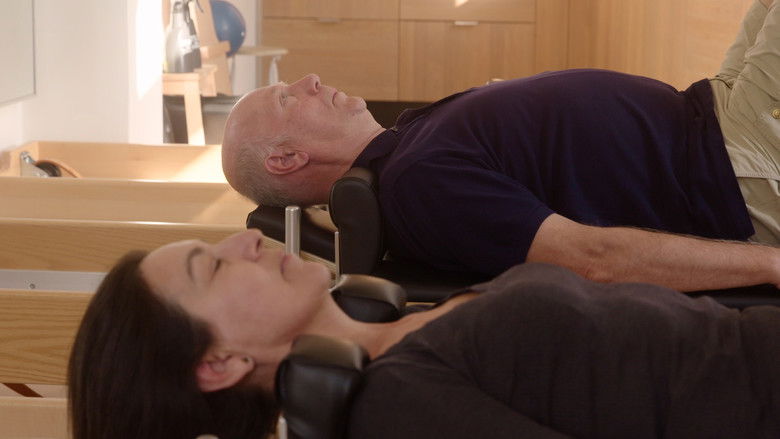
When producer Kees Rijninks, the husband of filmmaker Carmen Cobos, is diagnosed with Parkinson's disease, their world is falling apart. Yet after months of sadness, anger and denial, it appears that they have sufficient resilience to find a new balance in their lives. In TOGETHER they follow for a year a group of incurably ill patients, their partners and their neurologist to find an answer to the question how people deal with the knowledge that they are incurably ill. Do they find the resilience to give their lives a positive meaning in hopeless circumstances?
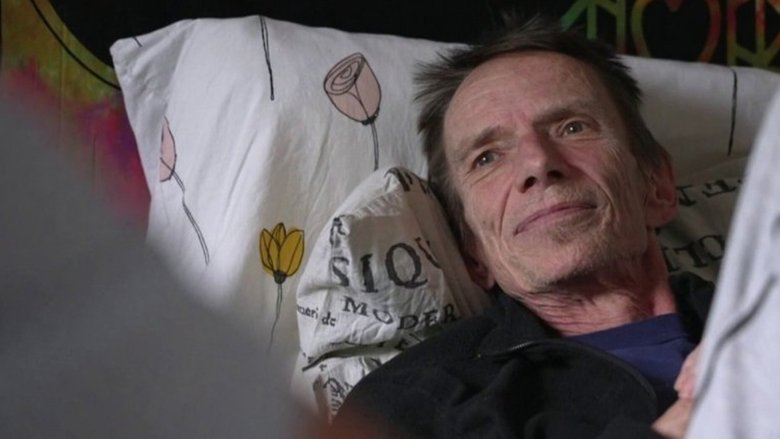
Marina Carrère d'Encausse lifts the veil on the intimate questions that preoccupy her as well as society at large: those related to the end of life. The doctor-journalist introduces Antoine, her partner, who is suffering from Charcot's disease, an incurable illness, and who wishes to choose how he ends his life. Is the current law in France sufficient? Should it simply be better enforced, allowing better access to palliative care? Should assisted suicide and euthanasia be legalized? Marina meets with patients concerned about the end of life, caregivers, and politicians in France, as well as in Belgium, Switzerland, and Canada, countries where euthanasia and assisted suicide are legal.
Are eligible Indigenous bachelors an endangered demographic in the 21st century? That’s the question cheekily posed by Tracey Rigney’s debut documentary short, which invites First Nations individuals to confide what they desire, what holds them back, and their hopes and worries about whether they’ll ever find The One. Endangered first screened at the Melbourne International Film Festival in 2005.
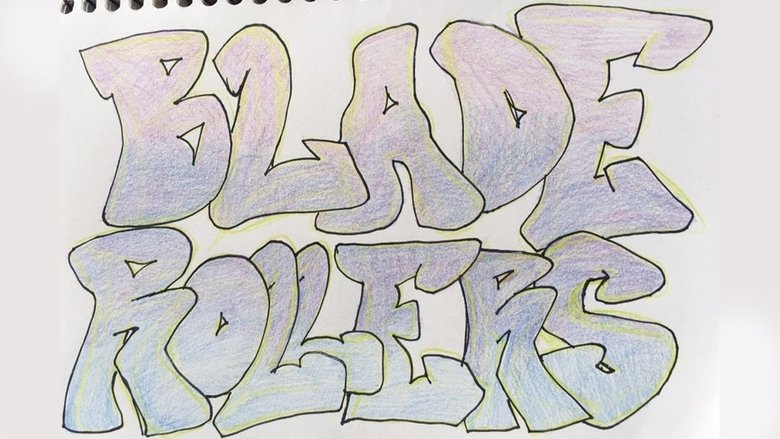
Honour West and Joan Camuglia-May share their experiences in this upbeat roller-skating documentary.
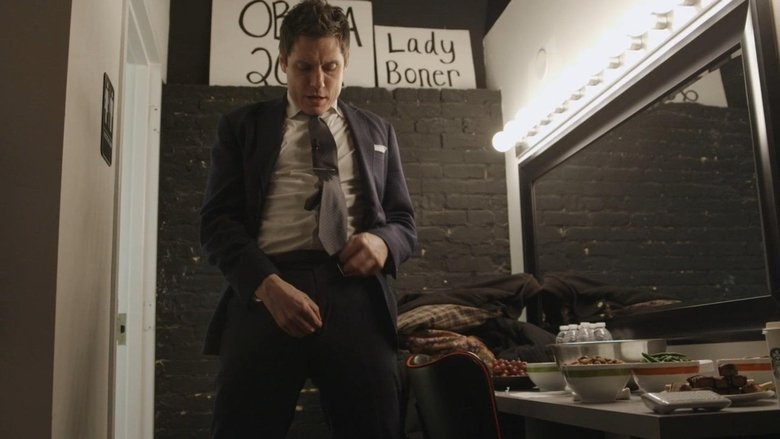
A comedic, brutally honest documentary following self-destructive TV writer Dan Harmon as he takes his live podcast on a national tour.
THE BRAIN is an astonishing voyage of discovery into our last biological frontier. Although today s computers can make calculations in one-100th of a second and technology can transport us outside the bonds of Earth, only now are we beginning to understand the most complex machine in the universe. Using simple analogies, real-life case studies, and state-of-the-art CGI, this special shows how the brain works, explains the frequent battle between instinct and reason, and unravels the mysteries of memory and decision-making. It takes us inside the mind of a soldier under fire to see how decisions are made in extreme situations, examines how an autistic person like Rain Man develops remarkable skills, and takes on the age-old question of what makes one person good and another evil. Research is rushing forward. We’ve learned more about the workings of the brain in the last five years than in the previous one hundred.
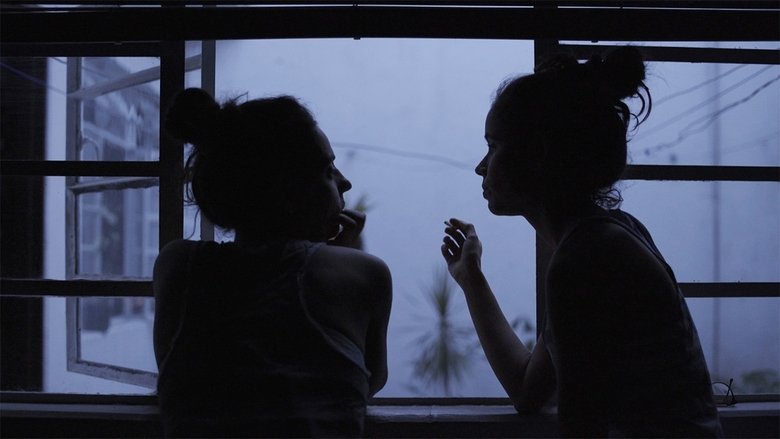
Ricardo, Natalia's father, suffers from Parkinson's disease; in that condition he stopped producing Dopamine. Surviving a very strong family crisis, Natalia told them her sexual orientation. She does not understand why after being left-wing militants and fighting for equality and freedom, they could not accept her choice.
Asta and Søren are not a couple. They're not friends with benefits either, and they’re definitely not pen pals with benefits. So, at the end of the day, what are they? With a single camera setup, the viewer is given access to a private space.

In 2008, celebrated author Sir Terry Pratchett was diagnosed with Alzheimer's disease. Nearly three years on, Pratchett considers ways to end his life before the disease consumes him. His search takes him to Switzerland, where he meets some of the staff and clients of a non-profit organisation that provides assisted suicide to people suffering from severe ailments and terminal illnesses. In a quiet cottage outside Zurich, we—along with Sir Terry—witness a man's final moments with his wife.