
Plural (2024)
PLURAL is a journey through the intricate construction of identity. Guilherme Terreri and Rita Von Hunty unfold to explore the fluid boundaries of the integral self and human expression.
PLURAL is a journey through the intricate construction of identity. Guilherme Terreri and Rita Von Hunty unfold to explore the fluid boundaries of the integral self and human expression.
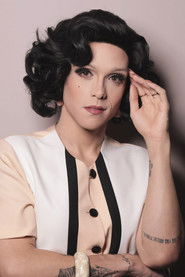 Rita von Hunty
In honor of the 45th anniversary of the film A dama do lotação (1978) directed by Neville D'Almeida, based on the work of Nelson Rodrigues and starring Sonia Braga and a great cast. A dama do lotação (1978) continues to be one of the highest-grossing films in Brazilian cinema. In fragments, Sonia Braga tells what it was like to play the lady.
The documentary presents an overview of Vladimir Carvalho's cinematographic career, from the very beginning, as a co-writer of “Aruanda” (1960), directed by Linduarte Noronha, to the present day. With Vladimir himself as the main narrator and illustrated by scenes from his films, the documentary also features interviews with Gilberto Gil, Orlando Senna, Arnaldo Carillo, Dácia Ibiapina, Fernando Duarte, Sérgio Moriconi, among others.
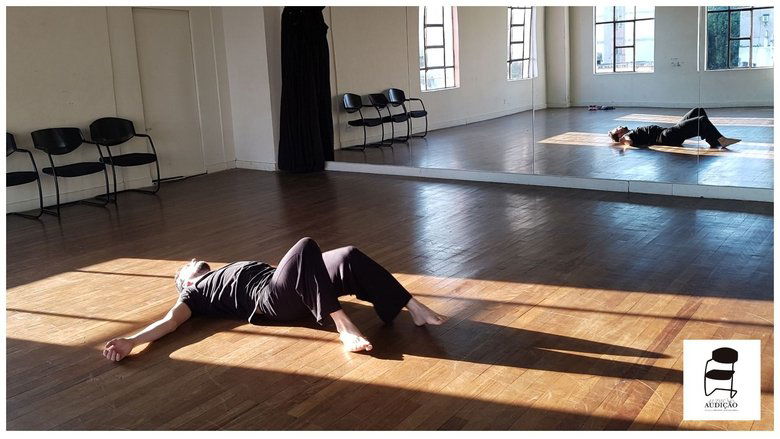
During the selection process for a film, actors show the struggle and tiredness of those who decide to make a living from Art. While parading their truths, fictional characters merge with recurring narratives from the actor's daily life. But who is just an actor and who is a character?
The interview, held on January 4, 2001, was the last given by Professor Milton Santos, who died from cancer on June 24 of the same year. The geographer is gone, but his thoughts remains. Its political and cultural ideals inspire the debate on Brazilian society and the construction of a new world. His statement is a true testimony, a lesson that the world can be better. Based on geography, Milton Santos performs a reading of the contemporary world that reveals the different faces of the phenomenon of globalization. It is in the evidence of contradictions and paradoxes that constitute everyday life that Milton Santos sees the possibilities of building another reality. He innovates when, instead of standing against globalization, proposes and points out ways for another globalization.
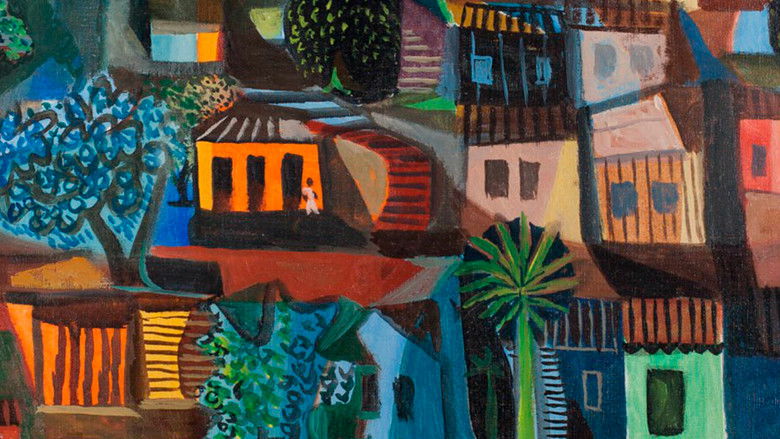
This controversial film from director Glauber Rocha records the funeral of his friend, major Brazilian painter Emiliano Di Cavalcanti.
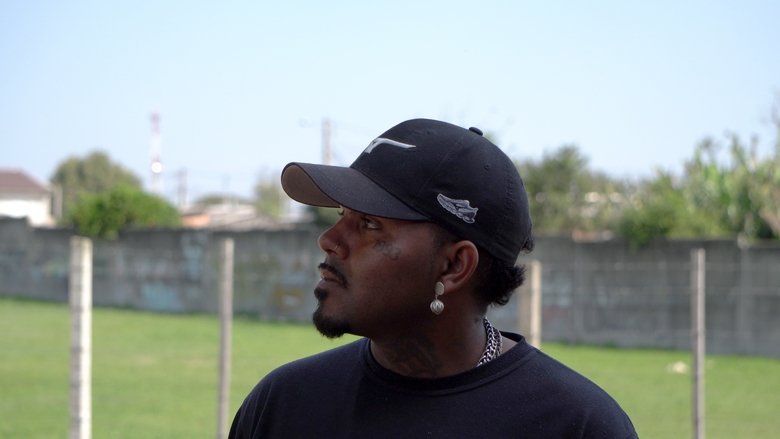
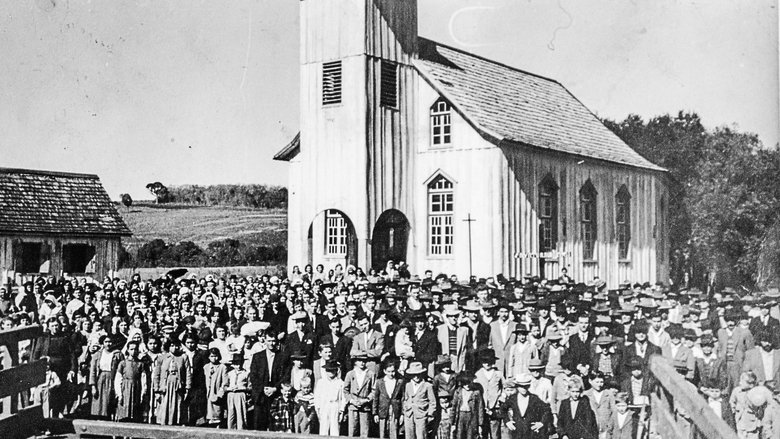
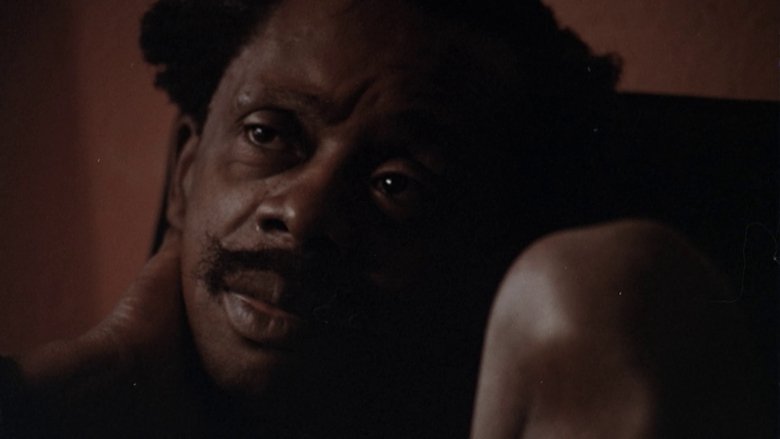
A beautifully told story using archival footage to explore the life of Grande Otelo, a groundbreaking Black Brazilian actor. Overcoming poverty and racism, he built a stellar career, facing controversy yet using it to challenge prejudice.
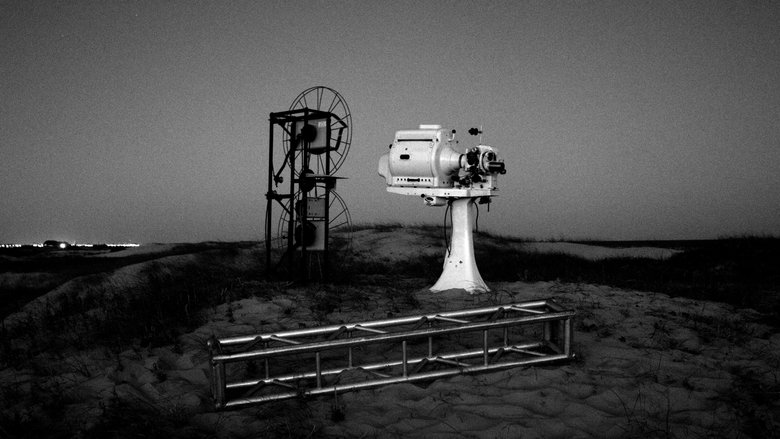
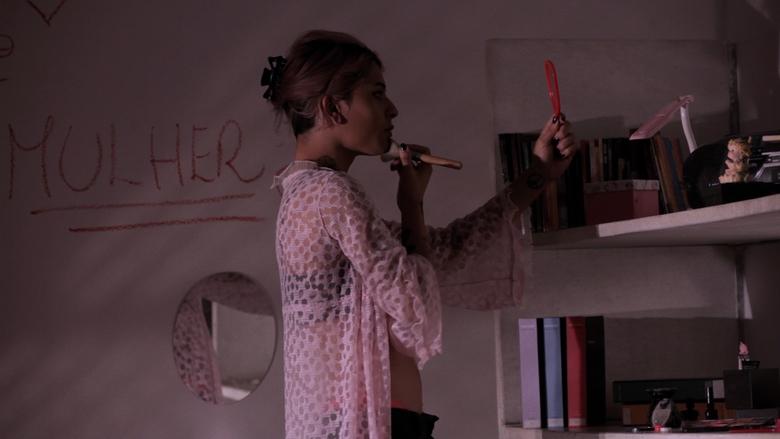
Denise, Hannah and Leticia are three ordinary women with extraordinary stories to tell. As transgender people, they talk about the challenges of finding their true identities within an intolerant and prejudiced society.
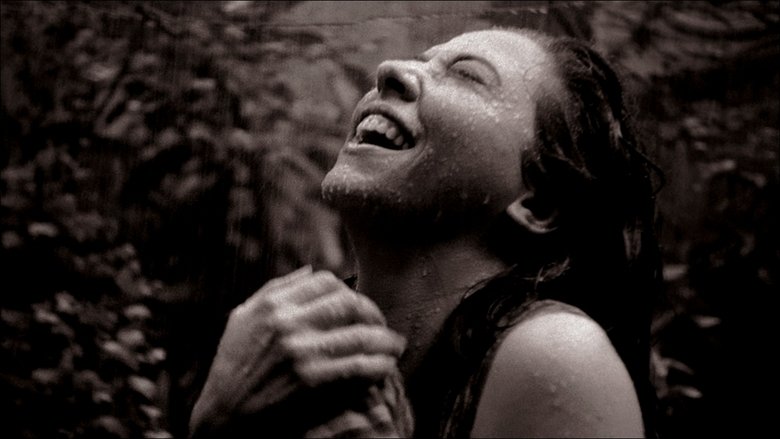
A deep investigation, in the way of a poetic essay, on one of the main Latin American movements in cinema, analyzed via the thoughts of its main authors, who invented, in the early 1960s, a new way of making movies in Brazil, with a political attitude, always near to people's problems, that combined art and revolution.
Helena Ignez is one of the main female figures of Brazilian cinema. She developed a new style of acting. Nowadays, she directs independent films. The documentary tells some of the History of Brazilian cinema, its political context and Helena's trajectory.
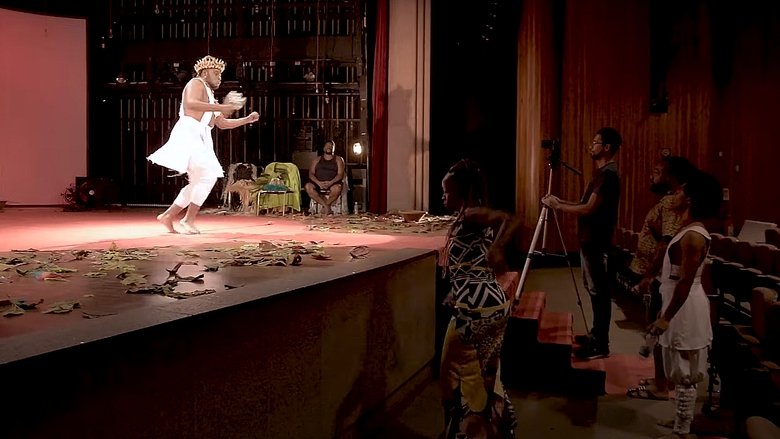
This documentary accompanies the journey of artists who exalt and celebrate ancestry and the orishas in their work. It also offers a manifesto against one of the biggest problems facing Brazil: religious racism. The feature brings together stories from music, theater, fashion, dance and the visual arts to promote reflection on the power and importance of black representation, art and diversity
Documentary about Brazilian actress Sandra Bréa.
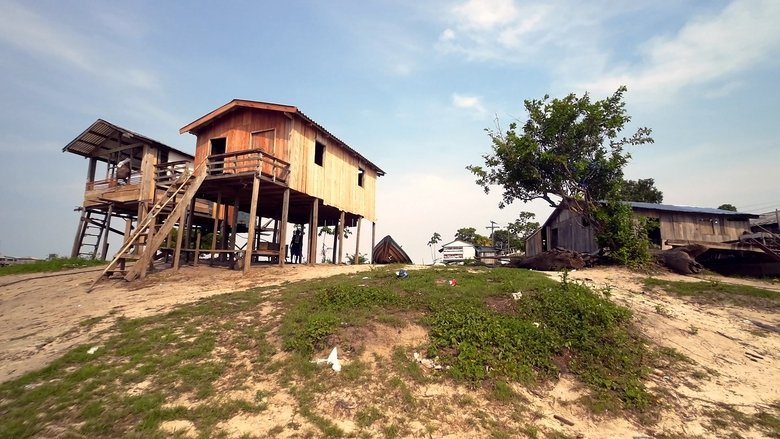
Time passes, slips away, dissolves. But what if we could hold it for a moment? "Capturing Memories" is a dive into the essence of the inconsistent, an invitation to reflect on the importance of preserving moments before they are lost in oblivion. Through visual fragments, the documentary reveals how small scenes of everyday life carry echoes of the past and seeds of the future. In a world where everything passes, what really remains? This film is a tribute to the art of immortalizing the moment, to the beauty of seeing beyond the present and to the need to give meaning to what may one day become a memory.
Through intimate stories and day-to-day routines we get a naturalistic glimpse into the lives of individuals with disabilities in the bustling urban landscape of São Paulo. The film captures personal moments and how modern societies confront (or fail to confront) ableism and inclusion.