Rocks and Minerals: How We Identify Them (1971)
Shows how common rocks and minerals can be identified by color, texture, hardness, streak and other standard procedures.
Shows how common rocks and minerals can be identified by color, texture, hardness, streak and other standard procedures.
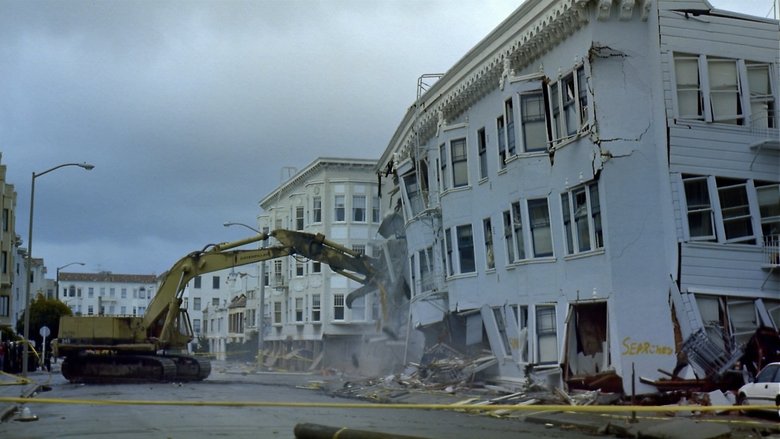
Ring of Fire is about the immense natural force of the great circle of volcanoes and seismic activity that rings the Pacific Ocean and the varied people and cultures who coexist with them. Spectacular volcanic eruptions are featured, including Mount St. Helens, Navidad in Chile, Sakurajima in Japan, and Mount Merapi in Indonesia.

Four and a half billion years ago, the young Earth was a hellish place-a seething chaos of meteorite impacts, volcanoes belching noxious gases, and lightning flashing through a thin, torrid...
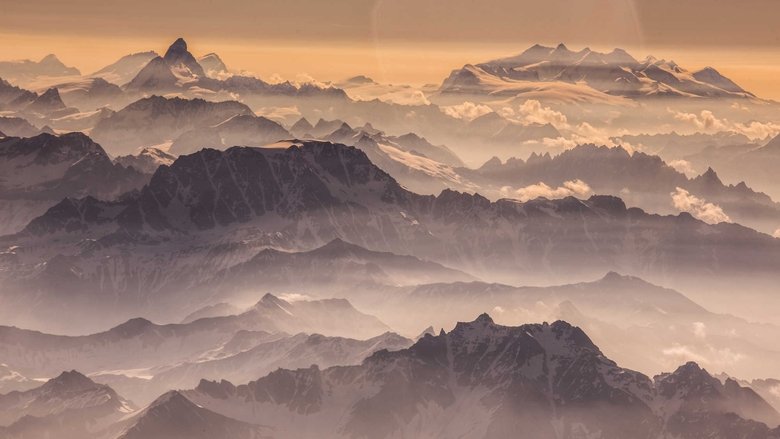
An epic cinematic and musical collaboration between SHERPA filmmaker Jennifer Peedom and the Australian Chamber Orchestra, that explores humankind's fascination with high places.
In this retrospective tribute, acclaimed filmmaker Jean Walkinshaw hails the 100th anniversary of Mount Rainier National Park in Washington by talking to those who know it best: the scientists, naturalists, mountain climbers and artists whose lives have been touched by the peak's far-reaching shadow. The result is a harmonious blend of archival material and high-definition footage celebrating an icon of the Pacific Northwest.
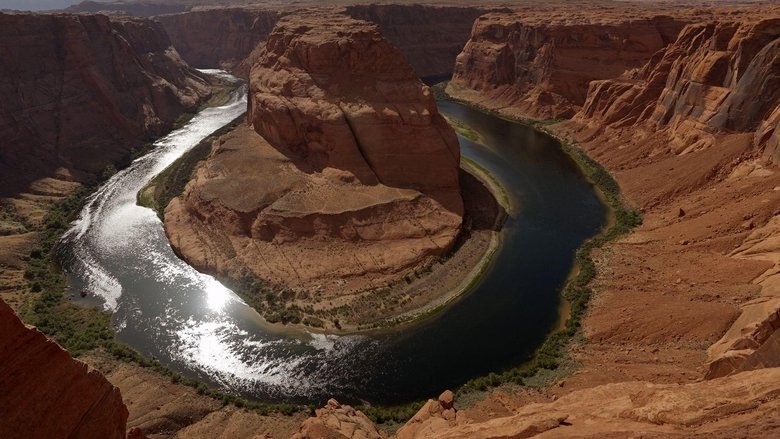
Follows Don as he sees different kinds of rocks at a granite quarry, sandstone cliff and museum. Demonstrates the effects of water, heat and pressure in the formation of rocks.
Millions of years scroll by in 10 minutes, illustrated by ingenious designers: this is the geological history of Canada.
Minnesota: A History of the Land vividly brings to life the epic story of the people and landscapes of Minnesota. From the retreat of the last ice sheets to the growth of today’s suburbs – the series seeks to entertain as it enriches our understanding of Minnesota’s past, present, and future. A visually stunning and groundbreaking 4-part documentary series featuring nature videography from across the state, never before seen historic images, state-of-the-art animations and historic recreations. Original soundtrack by award-winning composer, Peter Ostroushko.
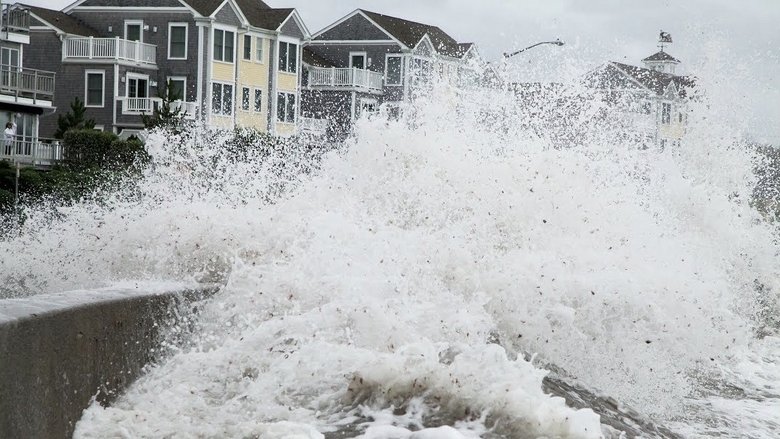
A worldwide scientific investigation on tsunamis. Thanks to exclusive access in Palu, Indonesia, follow the UN’s hand-picked scientific team of "tsunami hunters". Where do they strike? How do they submerge us? What can we do to survive them?
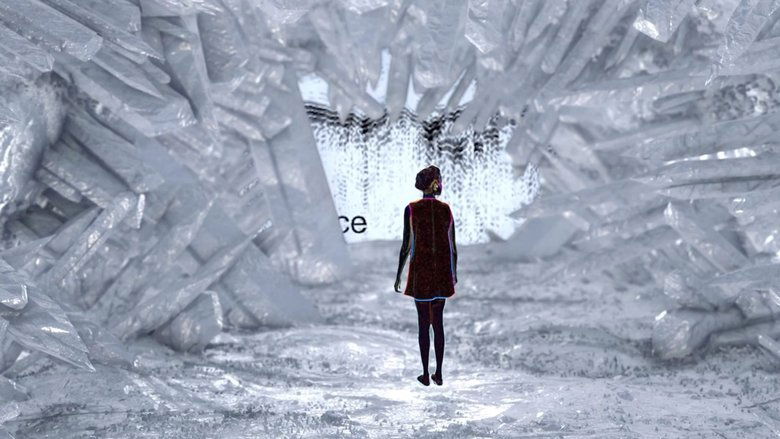
INFINITY minus Infinity draws on several inspirations: the modernist verse of the Jamaican poet Una Marson, the alluvial invocations of the Martinican philosopher and poet Édouard Glissant, the black feminist poetics of the Brazilian philosopher Denise Ferreira da Silva, and the racial formation of geology theorised by British geographer Kathryn Yusoff amongst others in order to envision a black feminist cosmos animated by the principles of mathematical nihilism.
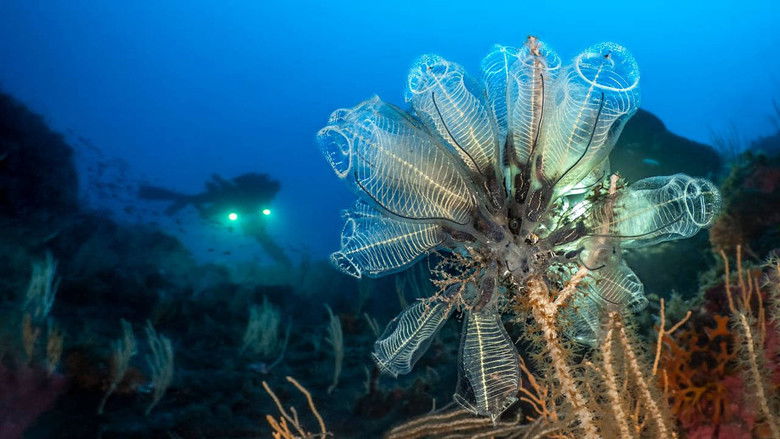
With the help of diver and biologist Laurent Ballesta, a scientific expedition explores three sunken Italian volcanic sites in the Mediterranean.
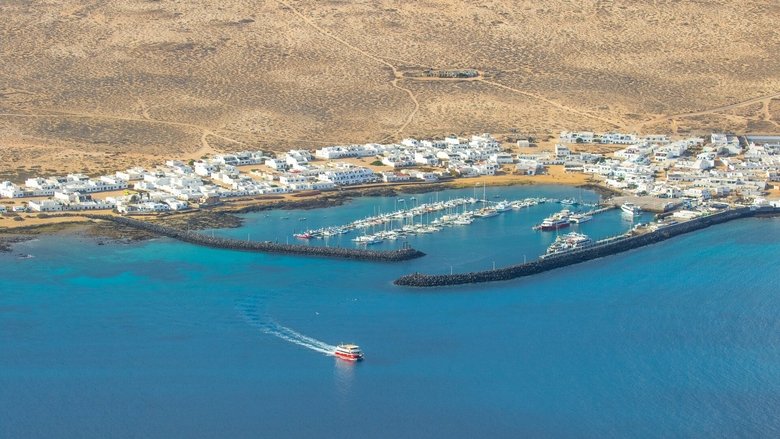
The Channeled Scablands in Washington state defied conventional explanations for their formation for decades. Little by little evidence mounted for an old theory that was rejected by the scientific establishment. It involved glaciers, volcanoes, a relatively minor river and a prodigious amount of water. Originally aired as an episide of NOVA.
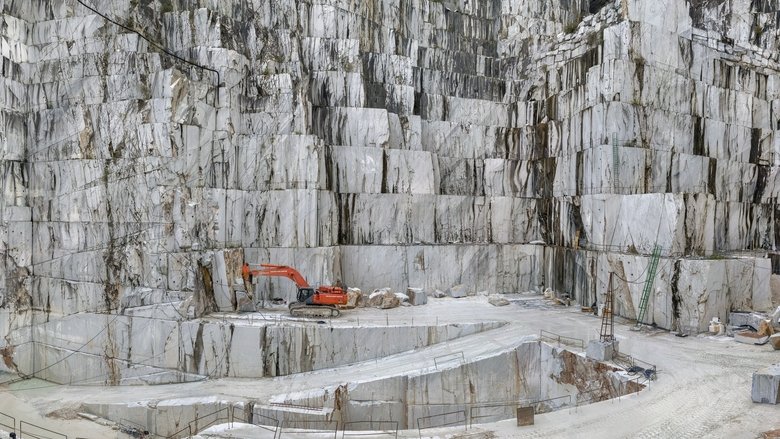
Documentary on psychedelic potash mines, expansive concrete seawalls, mammoth industrial machines, and other examples of humanity’s massive, destructive reengineering of the planet.
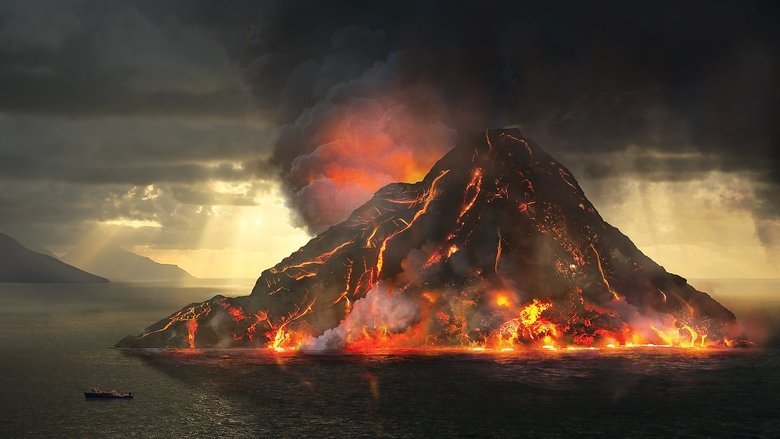
Presenter Hannah Fry reveals how much our planet can change in just a single day and how these daily changes are essential to our existence.
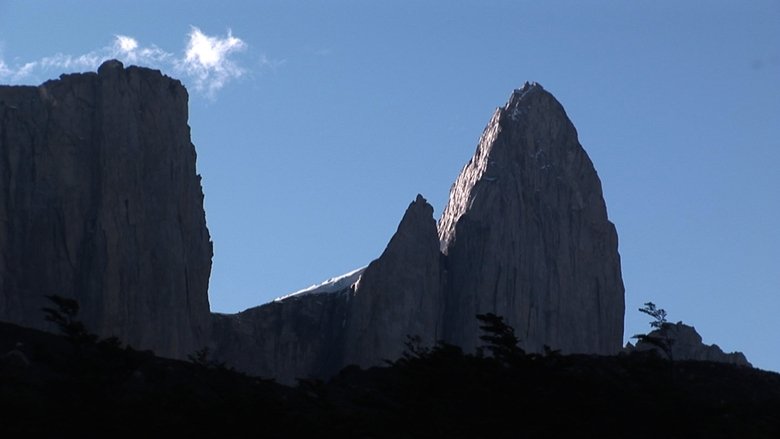
Twelve talented young mountaineers, five geologists from the University of Lausanne and four mountain guides take an unprecedented risk in Patagonia. Trained by the great climbers Ralf Weber, Ueli Steck, Denis Burdet and David Fasel, the young people are collecting rock samples from the granite walls of the Paine Towers, which are up to 1000 meters high, on behalf of science. The challenges are enormous: Climbing a big wall at the highest level of difficulty, cloudy weather, relentless wind that tears at material and nerves - and an urgency that also pushes the group to their emotional limits. "Flying High" not only documents an extraordinary undertaking, but also shows up close what happens when something happens that can happen after every meter of altitude climbed: a fall.
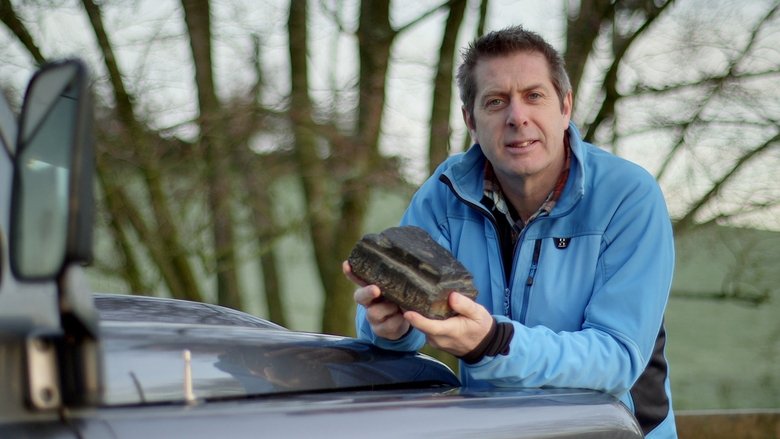
Documentary telling the story of the shale oil industry and its lasting impact on the community of West Lothian. Presented by geologist Professor Iain Stewart.