
Highway of Tears
Discover the endless highway in British Columbia where over 40 indigenous women and girls (by unofficial estimates) have disappeared since the 1970s.
Discover the endless highway in British Columbia where over 40 indigenous women and girls (by unofficial estimates) have disappeared since the 1970s.
 Emy KoopmanSelf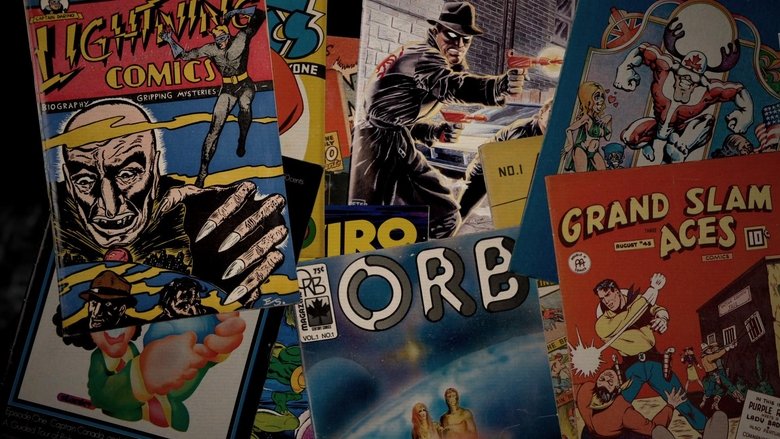
Lost Heroes is the story of Canada's forgotten comic book superheroes and their legendary creators. A ninety-minute journey to recover a forgotten part of Canada's pop culture and a national treasure few have ever heard about. This is the tale of a small country striving to create its own heroes, but finding itself constantly out muscled by better-funded and better-marketed superheroes from the media empire next door.
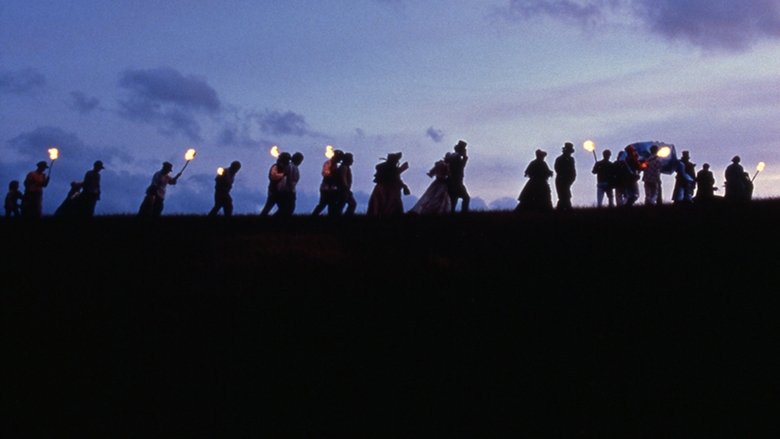
In 1832 the government of Van Diemen’s Land sent the last Aboriginal resistance fighters into exile at Wybalenna on Flinders Island, bringing an end to the Black War and opening a new chapter in the struggle for justice and survival by Tasmanian Aboriginal people. Black Man’s Houses tells a dramatic story of the quest by Aboriginal people to reclaim the graves of their ancestors against a background of racism and denial. Documenting a moving memorial re-enactment of the funeral of the great chief Manalargenna, the film also charts the cultural strength and resilience of his descendants as they are forced to fight for recognition in a society that is not ready to remember the terrible events of the past.

This documentary short is a portrait of Leader of the Progressive Conservative Party and 13th prime minister of Canada, John George Diefenbaker (1895-1979). Diefenbaker's political career spanned 6 decades. When he died in 1979, his state funeral and final train trip west became more a celebration of life than a victory for death.

This is not a film about gun control. It is a film about the fearful heart and soul of the United States, and the 280 million Americans lucky enough to have the right to a constitutionally protected Uzi. From a look at the Columbine High School security camera tapes to the home of Oscar-winning NRA President Charlton Heston, from a young man who makes homemade napalm with The Anarchist's Cookbook to the murder of a six-year-old girl by another six-year-old. Bowling for Columbine is a journey through the US, through our past, hoping to discover why our pursuit of happiness is so riddled with violence.
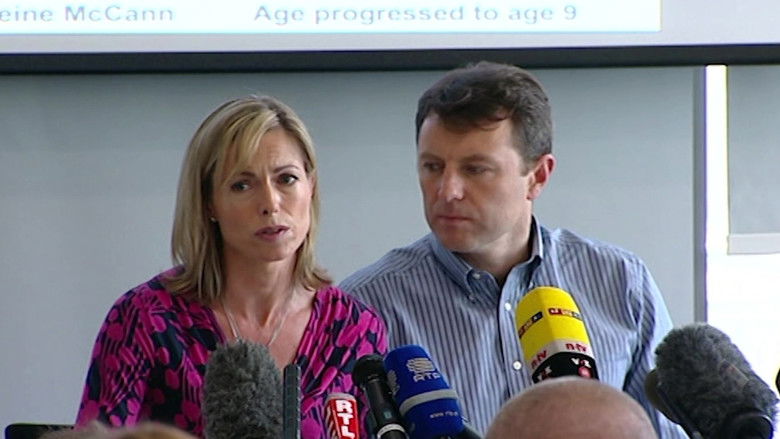
It is every parents worst nightmare. Their daughter, only three years of age, taken from her bed.. with no clue left behind. Seconds turned to minutes, minutes into hours, hours into days... Long after a decade, her fate still remains... unknown.
About Aborigines and Australian politics. On 13 March 1978 the Queensland Government announced its intention to take over management of the Aurukun Aboriginal Reserve from the Uniting Church. The people of Aurukun complained bitterly, believing that the Church was more sympathetic to their aims and fearing that the State was merely seeking easier access to the rich bauxite deposits on their Reserve. When the Federal Government took the side of the Aborigines the stage was set for national confrontation. Shows the situation at Aurukun during those crucial three weeks.
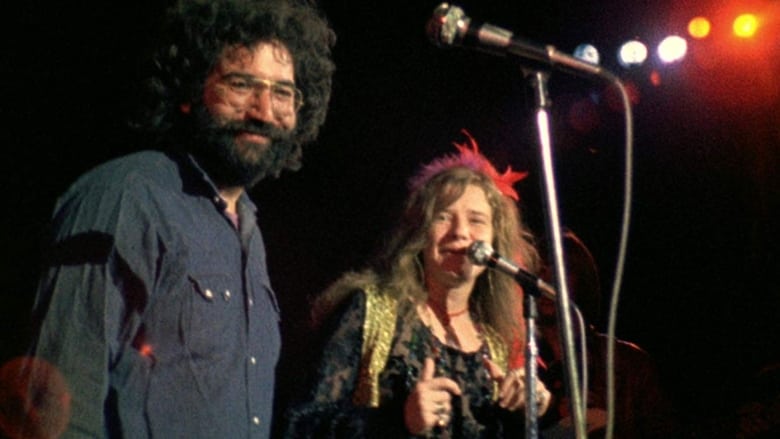
The filmed account of a large Canadian rock festival train tour boasting major acts. In the summer of 1970, a chartered train crossed Canada carrying some of the world's greatest rock bands. The Grateful Dead, Janis Joplin, The Band, Buddy Guy, and others lived (and partied) together for five days, stopping in major cities along the way to play live concerts. Their journey was filmed.
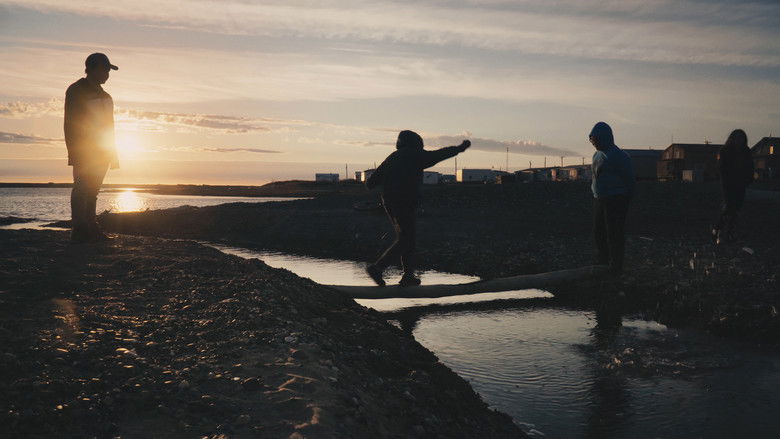
ARCTIC SUMMER is a poetic meditation on Tuktoyaktuk, an Indigenous community in the Arctic. The film captures Tuk during one of the last summers before climate change forced Tuk's coastal population to relocate to more habitable land.
The only thing colder than a Canadian winter is Canadian bureaucracy (probably). Based on five real life stories, Romy Boutin St-Pierre and Joe Nadeau pay homage to the nation-wide stress headache of phone calls with the government in this surprising short.
This short film retraces the life of Herman Smith Johannsen – the man who introduced the sport of cross-country skiing to Canadians. From past to present, his life story is portrayed through pictures from sports newsreels, Norwegian archives and his family album. The film catches up with him at both the Canadian Ski Marathon, where he is the honoured guest, and on a return trip to his native Norway.
This film recreates the true story of Tom Sukanen, an eccentric Finnish immigrant who homesteaded in Saskatchewan in the 1920s and 1930s. Sukanen spent ten years building and moving overland a huge iron ship that was to carry him back to his native Finland. The ship never reached water.
This 1981 NFU film is a tour of the contemporary world of Aotearoa’s tangata whenua. It won headlines over claims that its portrayal of Māori had been sanitised for overseas viewers. Debate and a recut ensued. Writer Witi Ihimaera felt that mentions of contentious issues (Bastion Point, the land march) in his original script were ignored or elided in the final film, and withdrew from the project. He later told journalists that the controversy showed that educated members of minority groups were no longer prepared to let the majority interpret the minority view.
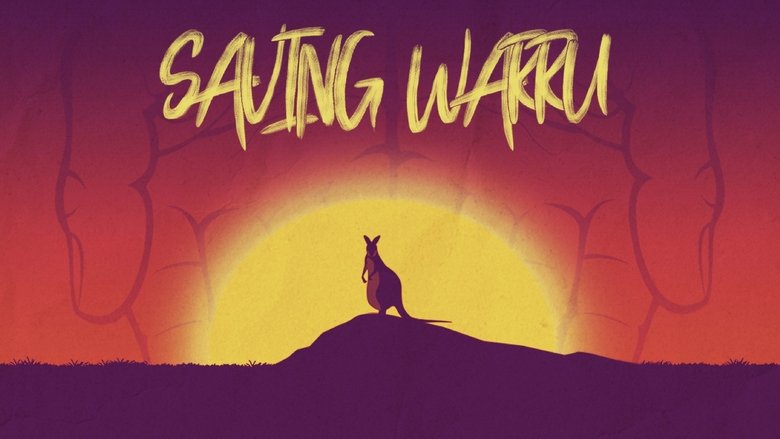
Warru, or black-footed rock-wallaby, is one of South Australia's most endangered mammals. In 2007, when numbers dropped below 200 in the APY Lands in the remote north-west of the State, the Warru Recovery Team was formed to help save the precious species from extinction. Bringing together contemporary science, practical on-ground threat management and traditional Anangu ecological knowledge, this unique decade-long program has celebrated the release of dozens of warru to the wild for the first time.
Nedarma (Travelling) is one of several documentary features co-directed by Anastasia Lapsui and Markku Lehmuskallio that portray the daily lives of the Nenets, Lapsui’s tribe based in the northern tundra of Siberia. The film invokes Nenets cosmology as a way of leading into a filmic structure that portrays the arc of life from birth to death.
An Aboriginal Australian and Native American documentary narrated by award-winning actor Jack Thompson, One Heart-One Spirit tells the story of Kenneth Little Hawk, an elder Micmac/Mohawk performing artist, meeting the oldest surviving culture on the planet: the 40,000 year old Yolngu nation located in northern Australia.
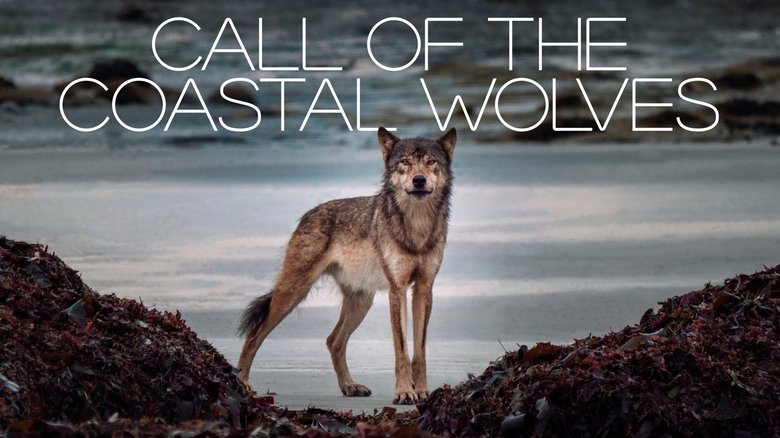
Some of the most secluded beaches of British Columbia are home to a unique wolf species that has evolved to gather their sustenance from both land and sea. Call of the Coastal Wolves follows a group of filmmakers over a two week expedition as they endeavour to film the elusive wolf. This short film asks us to reflect on our impacts to the natural world as we witness these compassionate, loving animals that deserve more attention and respect.
The eight-year Iran-Iraq War was one of the most brutal conflicts to devastate the region in the 20th century. Zahed was 13 years old when he enrolled in the Iranian army. Najah was 18 when he was conscripted into the Iraqi army, and he fought against Zahed in the Battle of Khorramshahr. Fast forward 25 years, a chance encounter in Vancouver between these two former enemies turns into a deep and mutually supportive friendship. Expanded from the 2015 short film by the same name.
In the 50 years since he carved his first totem pole, Robert Davidson has come to be regarded as one of the world’s foremost modern artists. Charles Wilkinson (Haida Gwaii: On the Edge of the World) brings his trademark inquisitiveness and craftsmanship to this revealing portrait of an unassuming living legend. Weaving together engaging interviews with the artist, his offspring, and a host of admirers, Haida Modern extols the sweeping impact of both Davidson’s artwork and the legions it’s inspired.
The conflict over forestry operations on Lyell Island in 1985 was a major milestone in the history of the re-emergence of the Haida Nation. It was a turning point for the Haida and management of their natural resources.
A documentary film about Comanche activist LaDonna Harris, who led an extensive life of Native political and social activism, and is now passing on her traditional cultural and leadership values to a new generation of emerging Indigenous leaders.