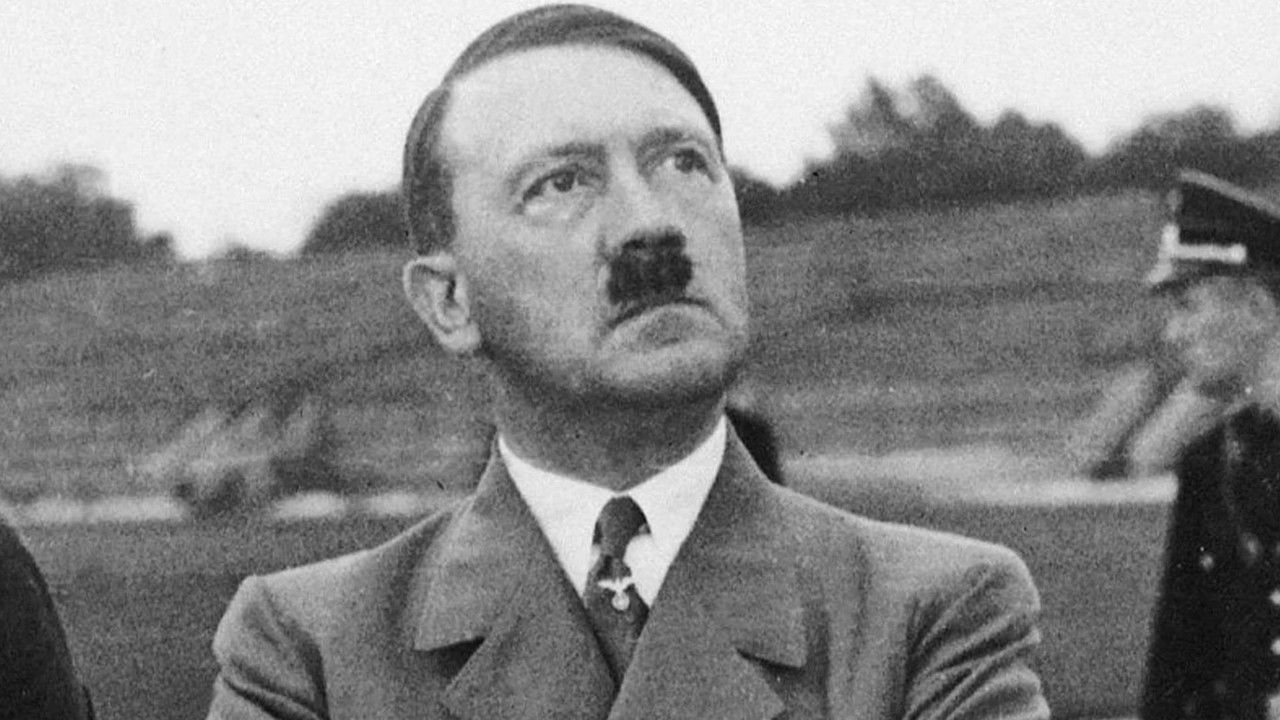
Similar to Hitler, les secrets de l’ascension d’un monstre
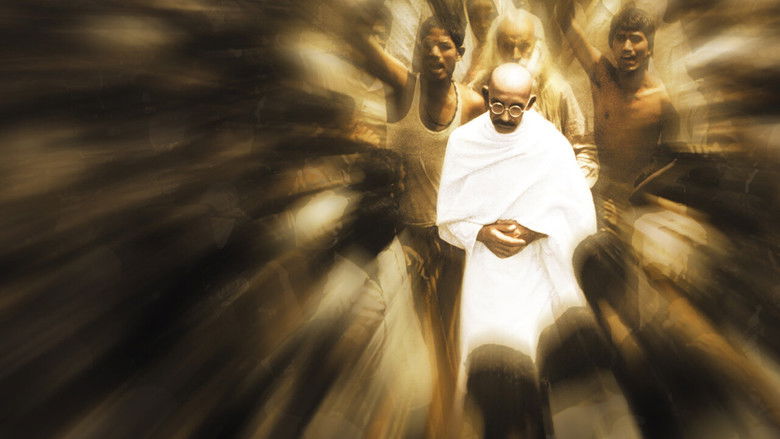
Gandhi (1982)
In the early years of the 20th century, Mohandas K. Gandhi, a British-trained lawyer, forsakes all worldly possessions to take up the cause of Indian independence. Faced with armed resistance from the British government, Gandhi adopts a policy of 'passive resistance', endeavouring to win freedom for his people without resorting to bloodshed.
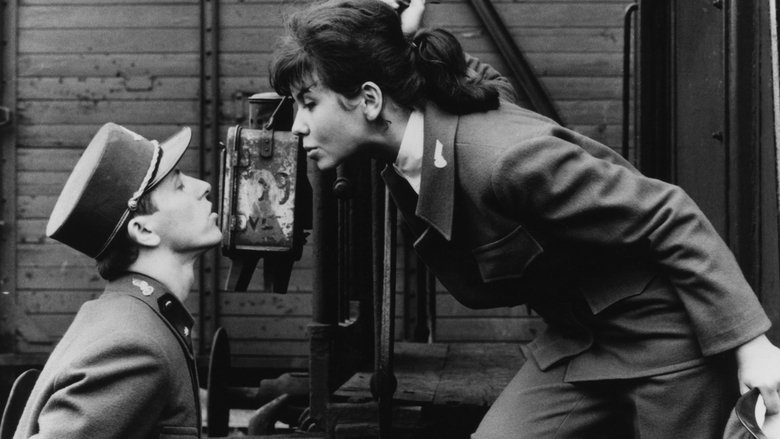
Closely Watched Trains (1966)
At a village railway station in occupied Czechoslovakia, a bumbling dispatcher’s apprentice longs to liberate himself from his virginity. Oblivious to the war and the resistance that surrounds him, this young man embarks on a journey of sexual awakening and self-discovery, encountering a universe of frustration, eroticism, and adventure within his sleepy backwater depot.
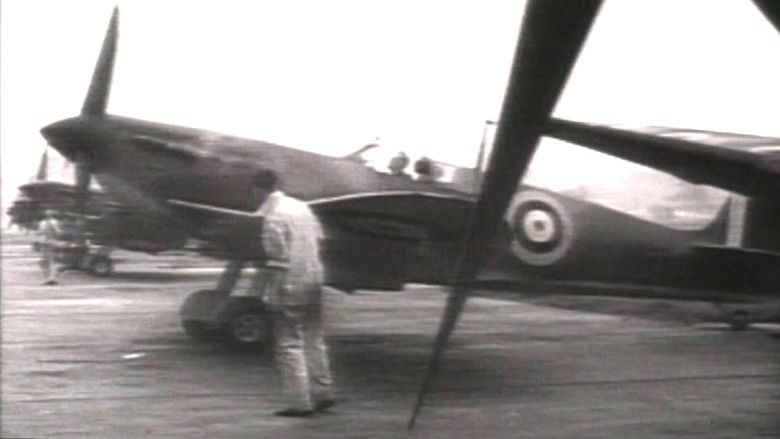
The RAF at War: Part One (2004)
Three part documentary of the history of the Royal Air Force during World War Two. They combine actual Air Ministry films and period newsreel footage with interviews of surviving members of the air force. The first part covers the period from the 'phoney war', the invasion of Poland and the early bombing raids on enemy shipping, through to the attacks on France. Aircraft featured include the Blenheim and Wellington bombers, the Sunderland flying boat, Spitfires and Hurricanes and the opposing ME109.
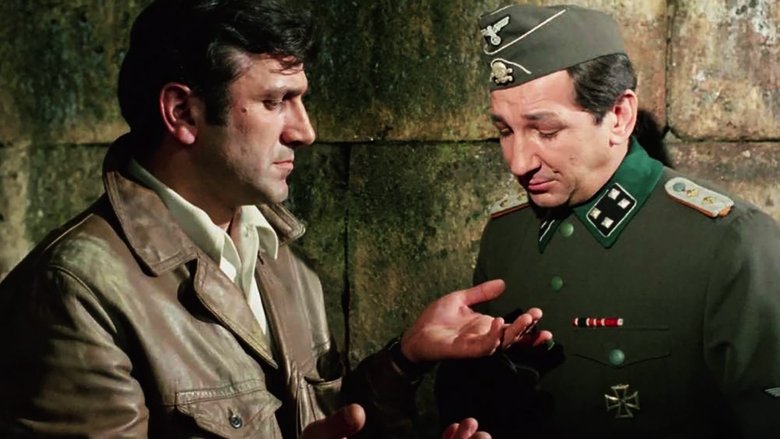
The Bridge (1969)
In order to check the German offensive, Partizans send an elite team of explosive experts to blow up a strategically important bridge. Besides being heavily guarded, that bridge is almost indestructible and the only man who knows weak spots in the construction is the architect who built it. He is, however, reluctant to cooperate because he doesn't want to see his masterpiece destroyed.

Beethoven privat (2020)
To mark Beethoven's 250th birthday, the documentary sheds light on the composer's private side, linking his writings with his music in an original way. Beethoven's many letters and notes tell of his temperament, his love affairs, his humanism and his struggles, especially with the early onset of deafness.
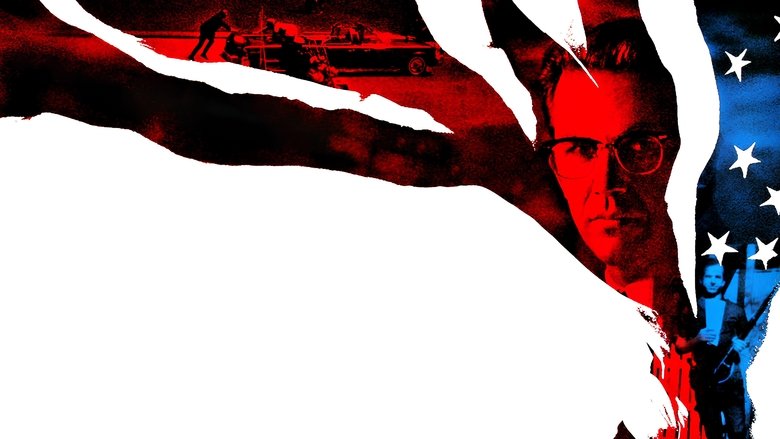
JFK (1991)
Follows the investigation into the assassination of President John F. Kennedy led by New Orleans district attorney Jim Garrison.
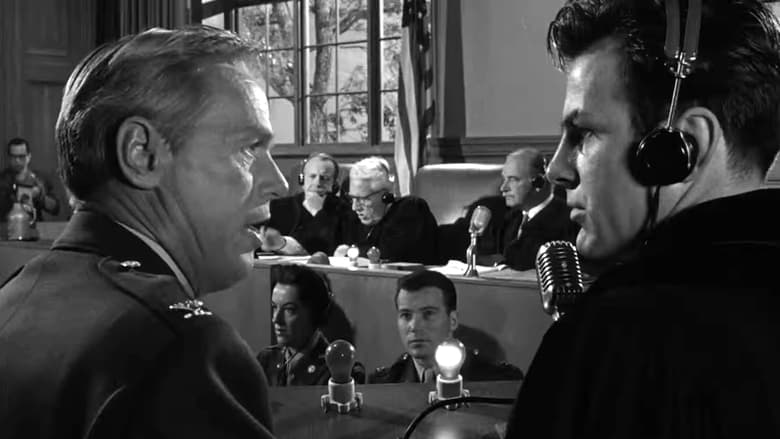
Judgment at Nuremberg (1961)
In 1947, four German judges who served on the bench during the Nazi regime face a military tribunal to answer charges of crimes against humanity. Chief Justice Haywood hears evidence and testimony not only from lead defendant Ernst Janning and his defense attorney Hans Rolfe, but also from the widow of a Nazi general, an idealistic U.S. Army captain and reluctant witness Irene Wallner.

The Story of Doctor Carver (1938)
The story of Dr. George Washington Carver (1864-1943), black educator and horticulturist. He is perhaps most well known for developing over 140 products from all parts of the peanut plant, including the shells and husks. He also developed products based on sweet potatoes and soybeans, and developed a cotton hybrid that was named after him.
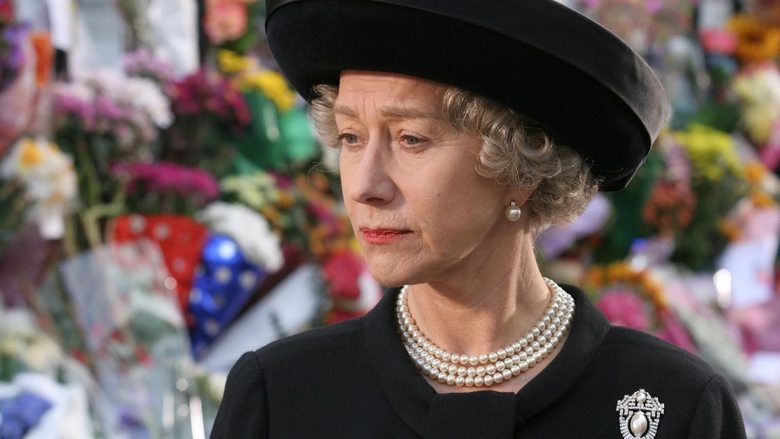
The Queen (2006)
The Queen is an intimate behind the scenes glimpse at the interaction between HM Elizabeth II and Prime Minister Tony Blair during their struggle, following the death of Diana, to reach a compromise between what was a private tragedy for the Royal family and the public's demand for an overt display of mourning.

Hannibal Rising (2007)
The story of the early, murderous roots of the cannibalistic killer, Hannibal Lecter – from his hard-scrabble Lithuanian childhood, where he witnesses the repulsive lengths to which hungry soldiers will go to satiate themselves, through his sojourn in France, where as a medical student he hones his appetite for the kill.
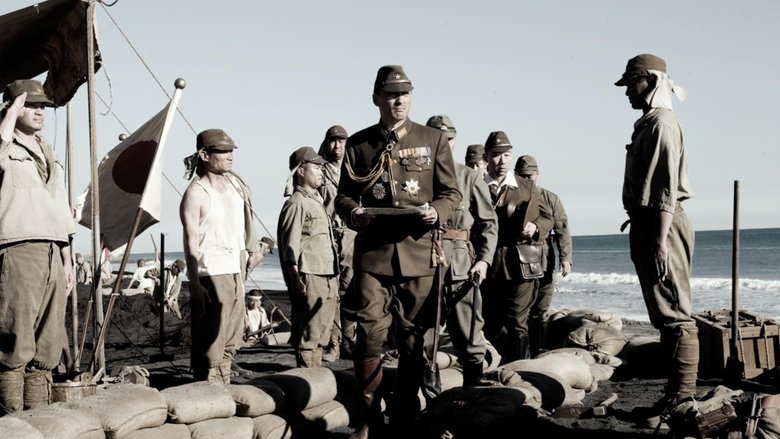
Letters from Iwo Jima (2006)
The story of the battle of Iwo Jima between the United States and Imperial Japan during World War II, as told from the perspective of the Japanese who fought it.
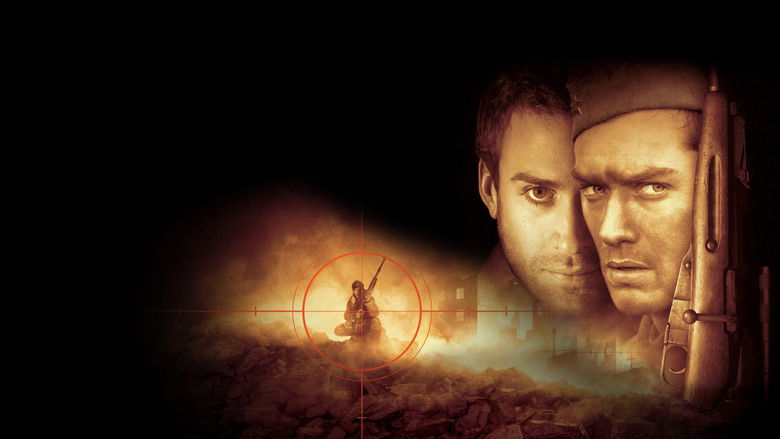
Enemy at the Gates (2001)
A Russian and a German sniper play a game of cat-and-mouse during the Battle of Stalingrad in WWII.
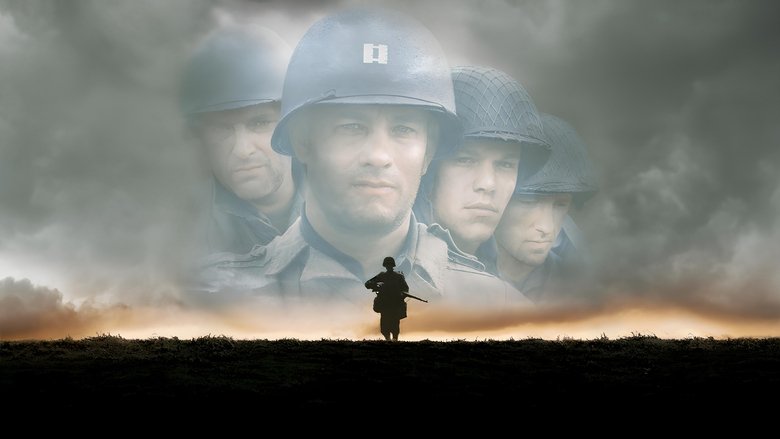
Saving Private Ryan (1998)
As U.S. troops storm the beaches of Normandy, three brothers lie dead on the battlefield, with a fourth trapped behind enemy lines. Ranger captain John Miller and seven men are tasked with penetrating German-held territory and bringing the boy home.
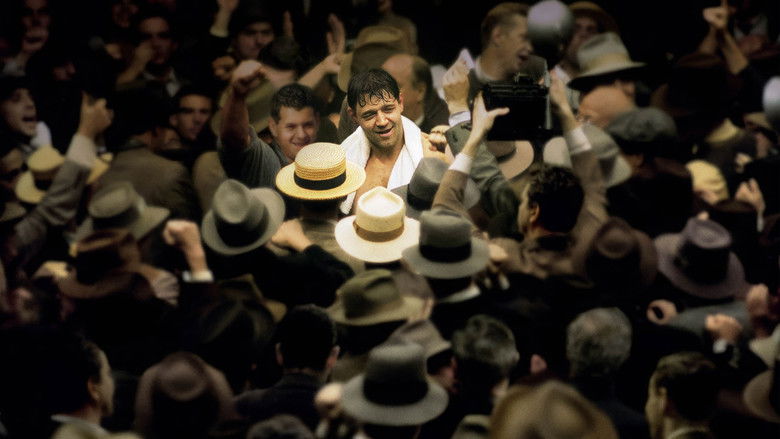
Cinderella Man (2005)
The true story of boxer Jim Braddock who, following his retirement in the 1930s, makes a surprise comeback in order to lift his family out of poverty.
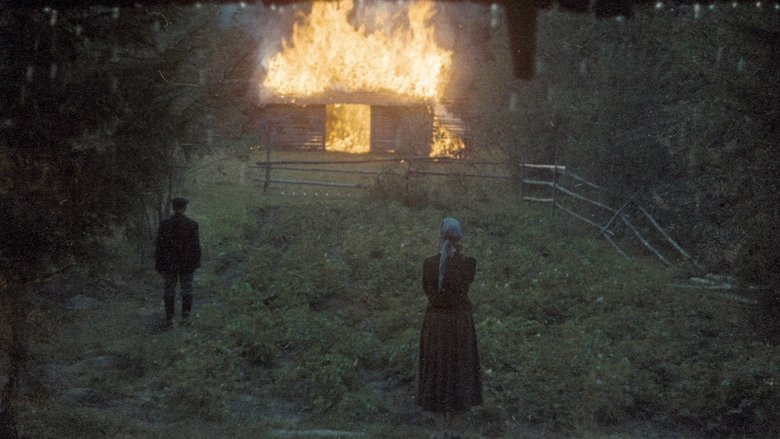
Mirror (1975)
A dying man in his forties recalls his childhood, his mother, the war and personal moments that tell of and juxtapose pivotal moments in Soviet history with daily life.
The Crucible (2002)
Canada: A People's History - Episode 14: 1940 to 1946 CE. Canada comes of age in the anguish of World War II, with soldiers on the beaches at Dieppe and women in the industrial work force back home. The country's military role, and the domestic, social and political consequences of the war are traced through poignant stories of Canadians on both sides of the Atlantic. The horrific global conflict steals the innocence of a generation... but brings hope for a new future.

Pope John Paul II (1984)
Bio-drama tracing the life and career of Polish cardinal Karol Wojtyla from his days as a young activist in Poland to his rise and installation in 1978 as Pope of the Catholic world.

Journey Back to Christmas (2016)
WWII has ended and Hanna is still grieving over her husband's disappearance. When the Christmas Comet appears for the first time in 70 years, Hanna is caught in a terrible storm and knocked unconscious. When she wakes up, she's in 2016.
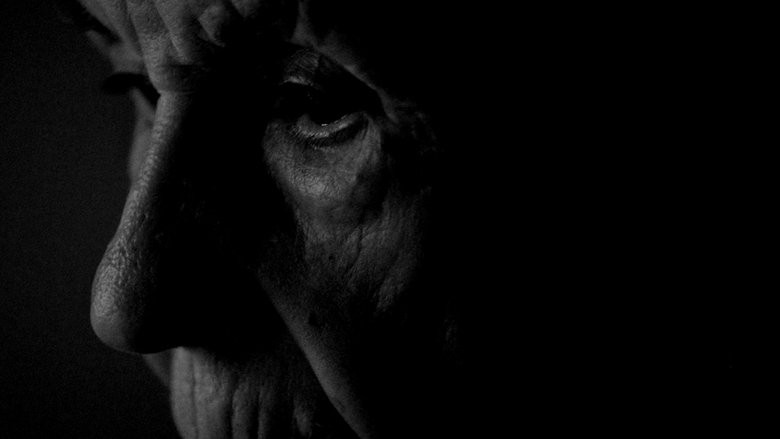
La calle del Agua (2020)
Benjamina Miyar Díaz (1888-1961) led an unusual life in her house on calle del Agua in Corao, Asturias, at the foot of the Picos de Europa mountain range in northern Spain: she was a photographer and watchmaker for more than forty years, but she also fought in her own humble and heroic way against General Franco's dictatorship.

The Pianist (2002)
The true story of pianist Władysław Szpilman's experiences in Warsaw during the Nazi occupation. When the Jews of the city find themselves forced into a ghetto, Szpilman finds work playing in a café; and when his family is deported in 1942, he stays behind, works for a while as a laborer, and eventually goes into hiding in the ruins of the war-torn city.