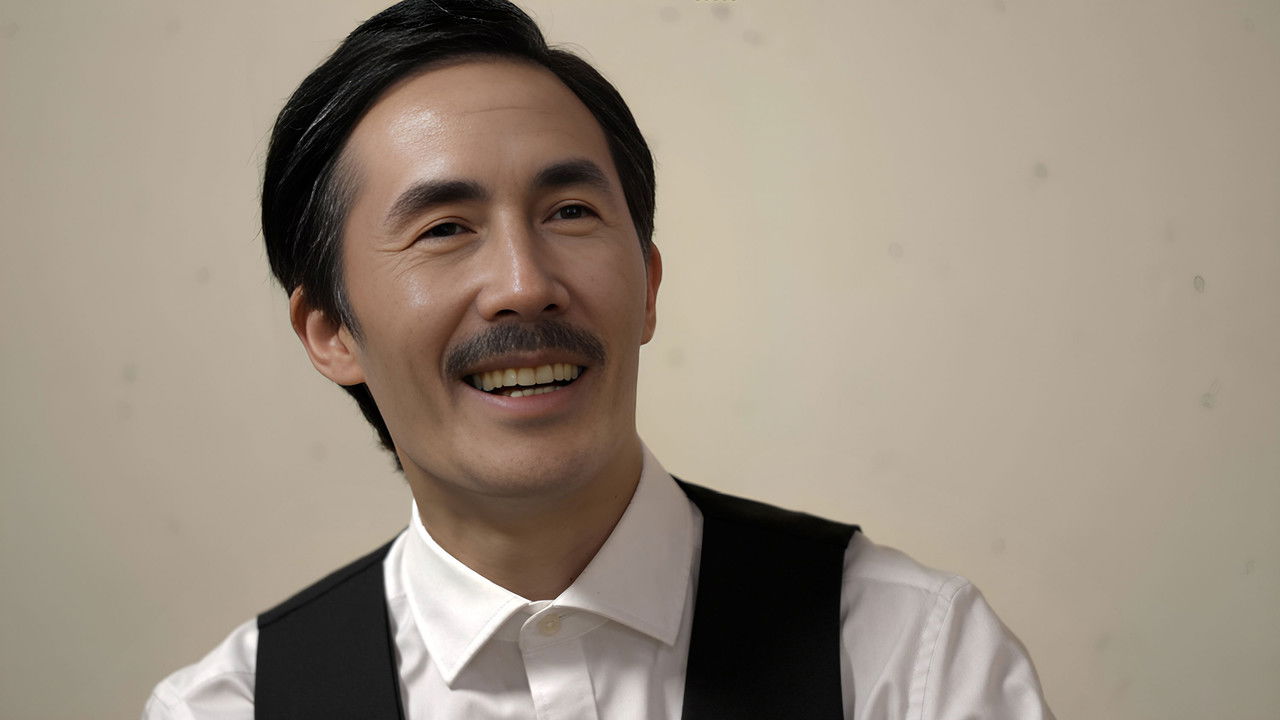
Similar to Baeksan - From Uiryeong to Balhae
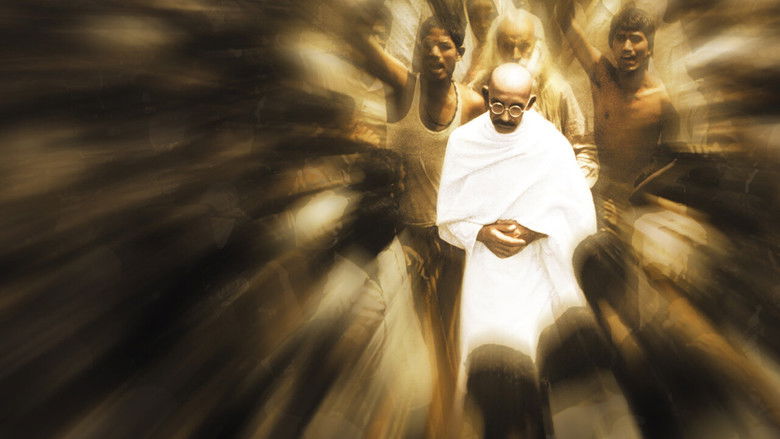
Gandhi (1982)
In the early years of the 20th century, Mohandas K. Gandhi, a British-trained lawyer, forsakes all worldly possessions to take up the cause of Indian independence. Faced with armed resistance from the British government, Gandhi adopts a policy of 'passive resistance', endeavouring to win freedom for his people without resorting to bloodshed.
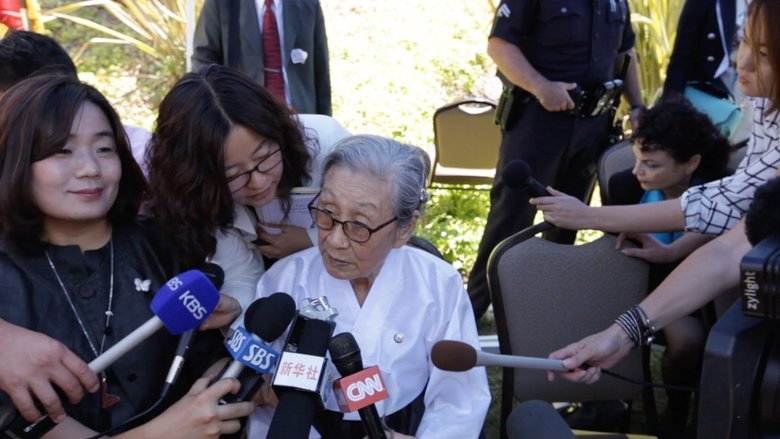
My name is KIM Bok-dong (2019)
In 1992, KIM Bok-dong, reported herself as a victim of the sexual slavery, "comfort women" during World War Ⅱ. She wanted to receive the proper apology from the Japan government but they denied its responsibility. In 2011, commemorating the 1000th Wednesday demonstration, Statue of Peace was installed in front of the Embassy of Japan. The fight over Japan confronts a new stage.

Year of the Dragon (1989)
The year of 1988 in Estonia was exceptional - it came as a surprise for everyone that all of a sudden national symbols were allowed; expressions of no confidence were addressed towards the leaders of Communist Party and Estonian government; the Popular Front of Estonia and Estonian Green Movement but also the Intermovement (the Workers International Movement of the Estonian Soviet Socialist Republic) were founded. Estonian Heritage Society restored the monuments of the War of independence; the facts about war crimes during the Stalinist regime were disclosed and - imagine that! - the representatives of Estonian Republic went against the central authorities in Moscow. Events in Estonia draw international attention. Is all this possible in a totalitarian state? This documentary chronicle gives a plausibe interpretation of the events that took place in Estonia in 1988, of the changes in people's lives and the awakening after a 48-year-long period of darkness.
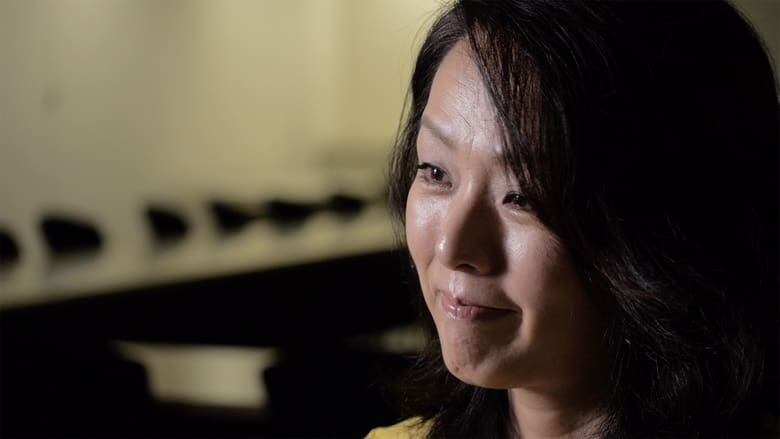
Shusenjo: The Main Battleground of the Comfort Women Issue (2019)
A Japanese-American director digs deep into the controversial 'comfort women' issue to settle the debate on whether the women were paid prostitutes or sex slaves, and reveals the motivations and intentions of the main actors pushing to revise history in Japan.
The General in Red Robes (1973)
General Kwak, despite having retired from military service, organizes a small army to resist the onslaught of an invasion from Japan in the early Chosun Dynasty
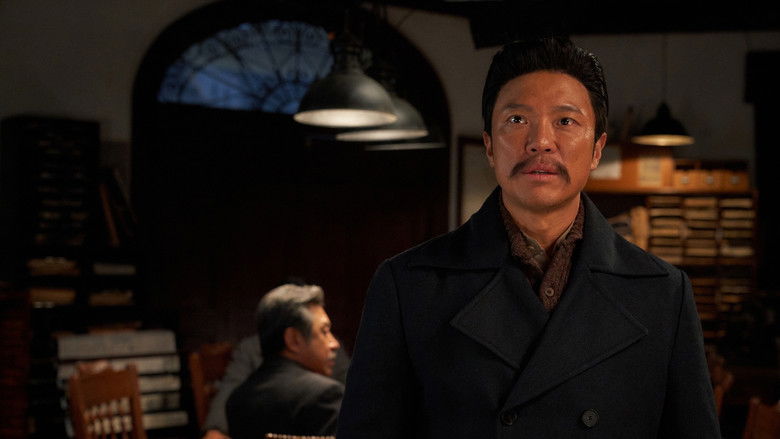
Hero (2022)
An Jung-geun fights for Korea's independence from the Japanese Empire and sparks a movement. In 1909, he assassinates Itō Hirobumi, the first prime minister of Japan and resident-general of Korea.
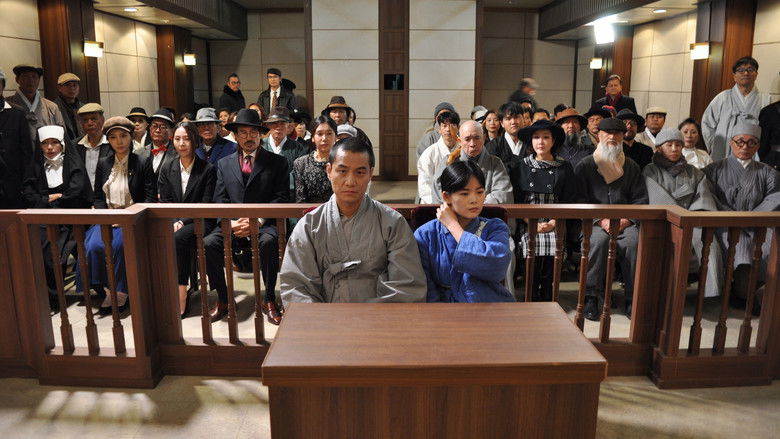
Manhae Han Yong-un's Silence (2023)
Donghak Rebellion (Donghak Peasant Movement) takes place in Hongjuseong (now Hongseong). Manhae, a boy who participates in the Donghak Rebellion as a 16-year-old, steals 1,000 nyang and sends it to military funds. At the age of 55, at Simujang in Seongbuk-dong, Manhae remarried while staying in a boarding house. While making a living by sewing his wife's wages, Manhae continues to resist Japanese imperialism by participating in the movement against the name change of the Chang clan and against the dispatch of Korean student soldiers along with writing. He takes over the military funds from Madam Baekhwa of Myeongwol in Yongjing. Lee Hwa-yeong hands over the military funds with Man-hae. In 1944, Manhae passed away at the age of 66. As the poem "Your Silence" flows, Manhae's achievements are introduced as highlights, and his subtitles flow.
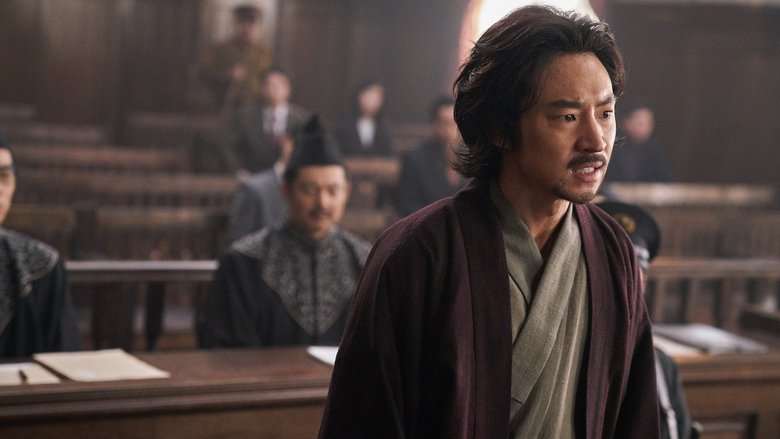
Anarchist from Colony (2017)
Based on the life of the Korean anarchist Park Yeol, the film shows his struggle to counter the massacre of Koreans by the government during the 1923 great Kanto earthquake, focusing on his activities as the leader of the anti-Japanese organization Bulryeongsa and his relationship with Japanese comrade Fumiko Kaneko.
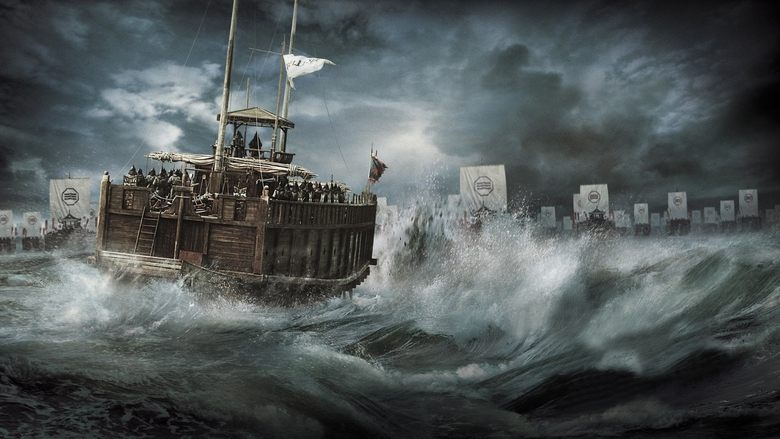
The Admiral: Roaring Currents (2014)
Admiral Yi Sun-sin faces a tough challenge when he is forced to defend his nation with just 13 battleships against 300 Japanese enemy ships in the Battle of Myeongryang.
The True Story of Kim Du-han (1974)
The son of a Chosun Dynasty general, Kim Du-han finds himself orphaned when the dynasty ends and the Japanese colonize Korea in the early 1900's. He sets out to build a resistance army in this historical drama.
A War Diary (1978)
Admiral Lee Sun-shin designs and builds the 'Turtle Ships' in preparation of the Japanese invasion during the Injin War. He is promoted after his victories, but due to his expanding influence and increased popularity in military circles, the king comes to fear him and has him imprisoned. A year later, the Japanese navy attempts another invasion and the king is required to enter the prison and beg the admiral's assistance.
The Last Empress (1966)
Queen Yun reigned with King Sunjong since she was just 13 years old. She hid the royal seals needed to complete an agreement between Korea and Japan which would lead to Korea's annexation. However, her patriotic display wins her many enemies.
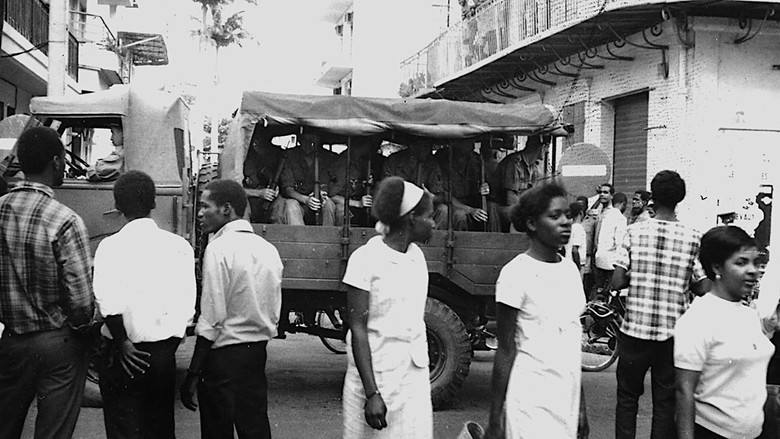
The Cross of North Gando (2019)
The Christians of North Gando lose their country and leave their hometown, but gain the Gospel. The cross they hold in their hands is the symbol of daring for independence and a royal summon of the generation they have to endure. Historian Sim Yo Han retraces the footsteps of the late Father Moon Dong Hwan and finds meanings of the anti-Japanese independence movement hidden in various parts of North Gando.
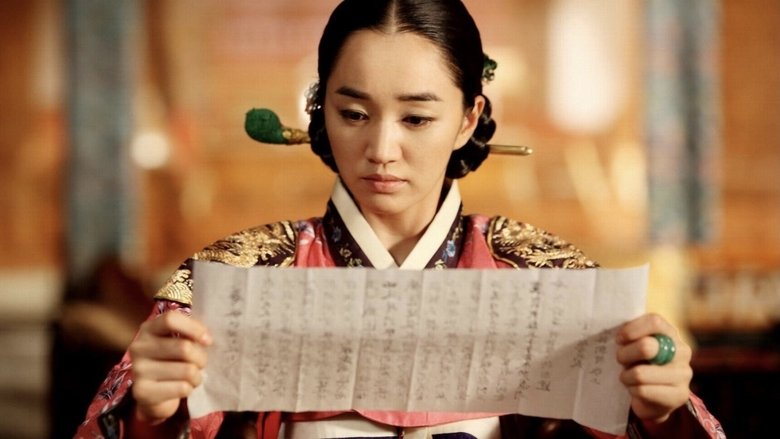
The Sword with No Name (2009)
Mu Myeong is a Joseon dynasty headhunter who meets and falls in love with lady Ja Yeong who will become the future Empress Myseongseong. A few years later, Ja Yeong enters the royal palace to marry King Gojong. Mu Myeong still having feelings for Ja Yeong and in an attempt to get closer to her becomes her personal body guard.
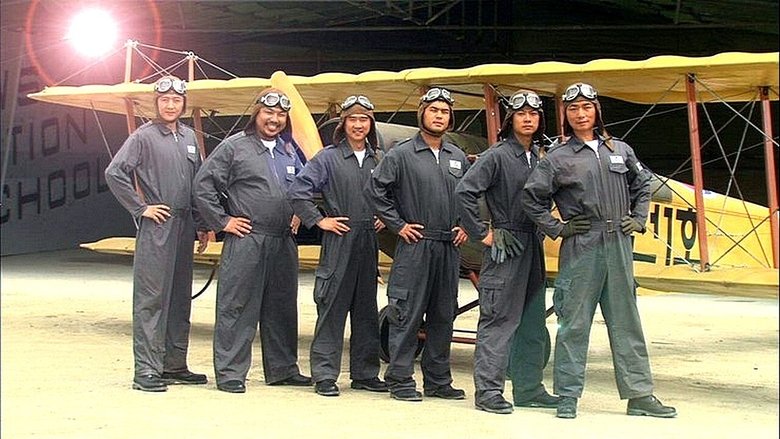
Blue Sky (2006)
In 1920, a combat flight training school named "Willows" is founded in California. People who want to fight for Korea’s independence from Japan gather at the school. Their mission is to bomb the palace of the Japanese emperor. The pilots’ ardent desire for Korea’s independence grows, but as they prepare for their mission, a spy in the school ruins their plans. However, KIM Ja-jung and the other pilots manage to get on board for what will most likely be their last flight.
Yu Gwan-Sun (1959)
This film is about of the life of the young patriotic martyr Yu Gwan-sun, who fought for the liberation of her country during the Independence Movement in 1919. As the Independence Movement becomes more and more intense among Korean students, the Japanese authorities order schools closed temporarily. Yu Gwan-sun (Do Geum-bong) persuades her neighbors to join the national movement, and continues her aggressive struggle against Japanese rule. An independent campaign at Aunae, a market site, is successful with the passionate participation of many people. She is arrested by the Japanese police for leading the campaign and has to endure horrible tortures. But she never gives up her fight, encouraging her cell mates to participate in the movement. She is finally taken to an underground room by the Japanese police and murdered.
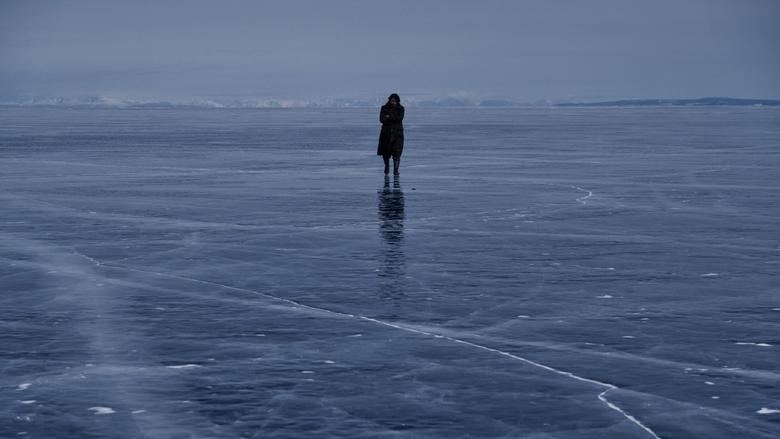
Harbin (2024)
In 1909, several years after Korea is forced into becoming a Japanese colony, freedom fighters plot the daring assassination of Japan's prime minister during their quest for independence.
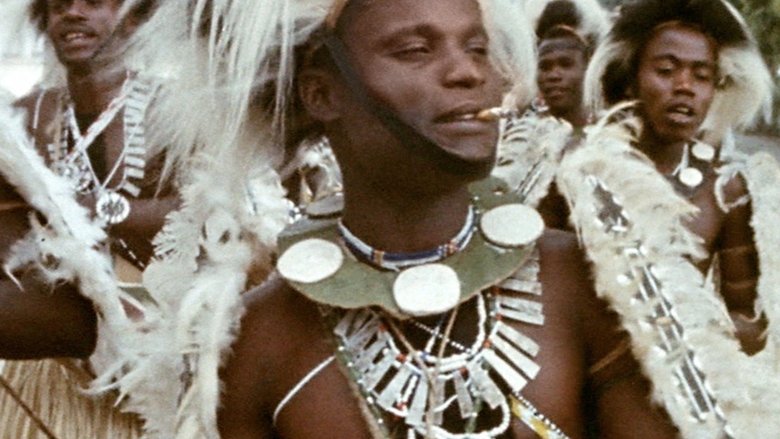
The Panafrican Festival in Algiers (1969)
Festival panafricain d'Alger is a documentary by William Klein of the music and dance festival held 40 years ago in the streets and in venues all across Algiers. Klein follows the preparations, the rehearsals, the concerts… He blends images of interviews made to writers and advocates of the freedom movements with stock images, thus allowing him to touch on such matters as colonialism, neocolonialism, colonial exploitation, the struggles and battles of the revolutionary movements for Independence.
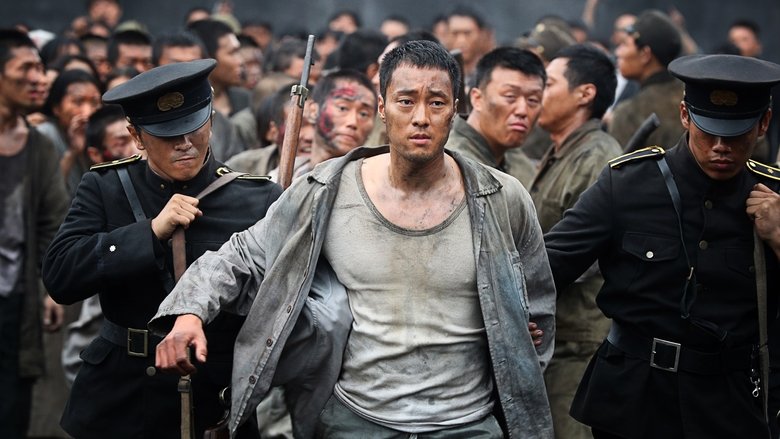
The Battleship Island (2017)
During the Japanese colonial era, roughly 400 Korean people, who were forced onto Battleship Island 'Hashima Island' to mine for coal, attempt to escape.