
Tingog sa Carbohanon
Carbon vendors fight for their rights to protect their stalls from oppressors.
Carbon vendors fight for their rights to protect their stalls from oppressors.
Austin LicupNarrator (voice)Universam Grochów was a now-defunct shopping and service mall that emerged in the 1970s in Warsaw's Praga-Południe district. This department store functioned as a shopping center and a hub for the social life of right-bank Warsaw. At the end of 2016, the iconic building was demolished. The film captures the final moments of the enterprise, with long-term and dedicated employees guiding us through its corridors. Their approach to work and economic model make Universam a living museum and a phenomenon at the intersection of urban planning and sociology. We also see the significant void left in the local community by the building's demolition.
The Fall of the I-Hotel brings to life the battle for housing in San Francisco. The brutal eviction of the International Hotel's tenants culminated a decade of spirited resistance to the razing of Manilatown. The Fall of the I-Hotel works on several levels. It not only documents the struggle to save the I-Hotel, but also gives an overview of Filipino American history.

A tropical fish shop in the East End of London, the last of what used to be many. Tiny, watery dramas inside fish tanks accompany the thoughts of local fish-keepers, while father and son Big Tel and Little Tel work to keep the shop alive.
Toronto filmmaker Charles Officer profiles the young people of Villaways Park, a housing project on brink of historic change.
On the tiny island of Martha's Vineyard, where presidents and celebrities vacation, trophy homes threaten to destroy the islands unique character. Twelve years in the making, One Big Home follows one carpenters journey to understand the trend toward giant houses. When he feels complicit in wrecking the place he calls home, he takes off his tool belt and picks up a camera.
The baker, the pie-maker and the diminished long-term community of Hoxton Street face gentrification in this compelling portrait of a rapidly changing London.

Ayi comes from a rural area of Eastern China and doesn’t have the residential permit that would allow her to work in Shanghai. Yet, she has been cooking in the streets for twenty years, in an old neighbourhood soon to be demolished. The film unveils the chaos of an ultra-modern city aiming to wipe out so-called substandard practices and to deport an unwanted population.

A documentary focusing on the rebuilding projects in Berlin after the fall of the Berlin Wall.
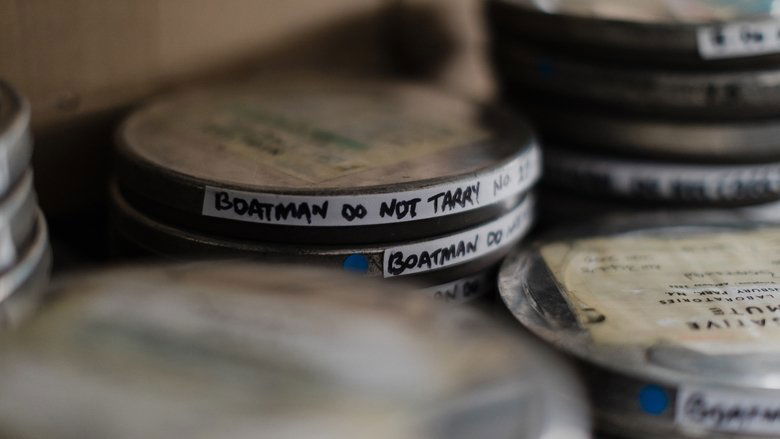
A forgotten history of Northern Ireland is unveiled through a journey into Ulster Television’s archives, and the rediscovery of the first locally-produced network drama, Boatman Do Not Tarry.
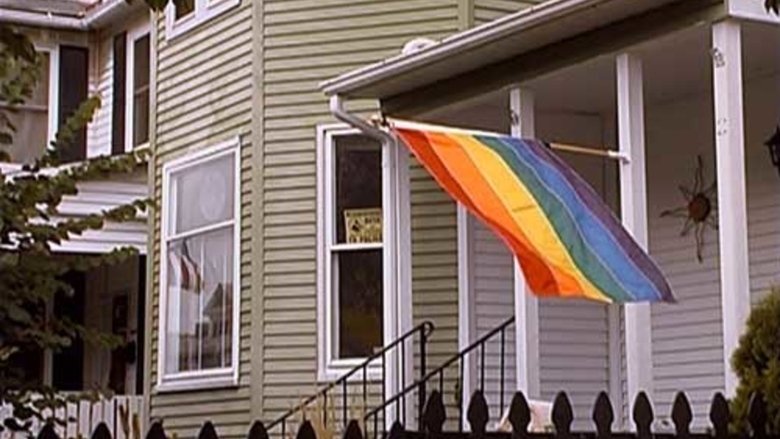
Filmed over four years, this documentary focuses on the impacts of gentrification as gay white professionals move into a largely black working-class neighborhood in Columbus, Ohio.
It is a dramatic film, with its colossal explosion and smouldering remains. Within seconds of the chimney's collapse, crowds swarm in to inspect the site; issues of the crowd's health and safety are clearly not a concern, as people smile, wave and salute the camera.
Kathy's family left on a Saturday morning in 1965. The rumble of bulldozers echoed through the neighborhood, and her block was empty. Federally-funded urban renewal had arrived in Charlottesville, scattering dozens of families like Kathy's. The once-vibrant African American community, built by formerly enslaved men and women who had secured a long-denied piece of the American dream, disappeared.
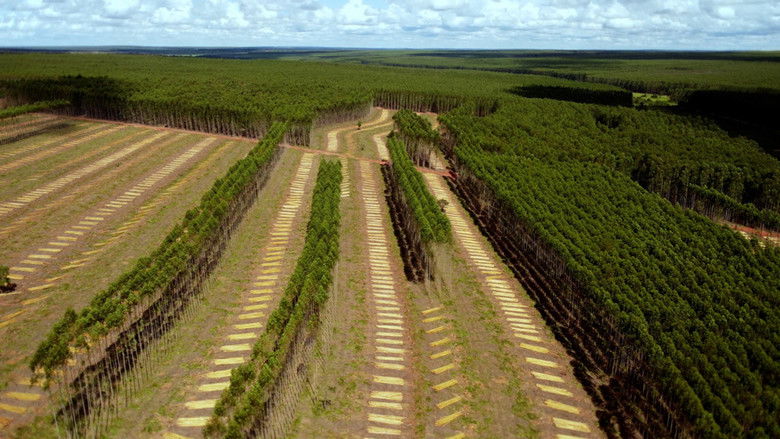
Will trees save the planet? That is the promise made by many public policies, timber companies, NGOs, and multinational corporations. With deforestation accelerating and CO2 emissions reaching record levels, planting trees is presented as a common-sense solution to the ecological disaster. But is it really that simple?
Targeted for several failed redevelopment plans dating back to the days of Robert Moses, Willets Point, a gritty area in New York City known as the “Iron Triangle,” is the home of hundreds of immigrant-run, auto repair shops that thrive despite a lack of municipal infrastructure support. During the last year of the Bloomberg Administration, NYC’s government advanced plans for a “dynamic” high-end entertainment district that would completely wipe out this historic industrial core. The year is 2013, and the workers of Willets Point are racing against the clock to forestall their impending eviction. Their story launches an investigation into New York City’s history as the front line of deindustrialization, urban renewal, and gentrification.

Tell Them We Were Here is an inspirational feature-length documentary about eight artists who show us why art is vital to a healthy society and reminds us that we are stronger together.
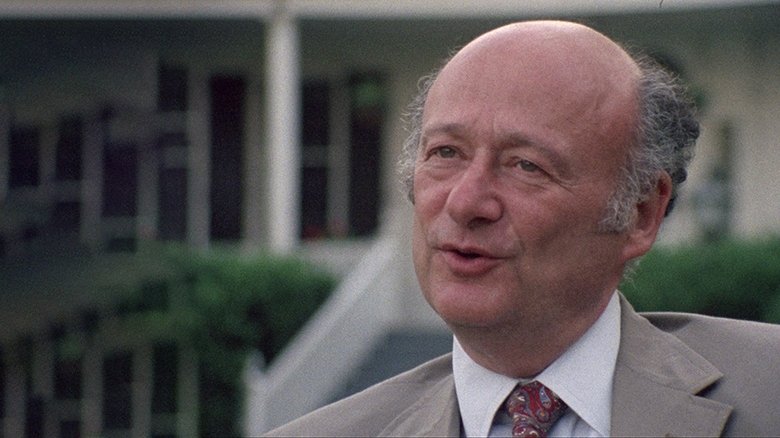
A film essay contrasting the modern metropolis with its "golden age" from 1830-1930, with the participation of some of New York's leading political and cultural figures. Made at a time when the city was experiencing unprecedented real estate development on the one hand and unforeseen displacement of population and deterioration on the other. Empire City is the story of two New Yorks. The film explores the precarious coexistence of the service-based midtown Manhattan corporate headquarters with the peripheral New York of undereducated minorities living in increasing alienation.
Despite being only a five-minute boat ride away from Cebu City, at the foot of the country’s record-breaking new expressway, Shell Island is an unfamiliar name to many Cebuanos today. “Dalangpanan” sheds light on the island, following a day in the life of one of its residents to uncover the stories and struggles of living on a forgotten, desolate land amidst progressive, bustling cities. Through the voices of the Shell locals, audiences learn why and how they ended up settling there, and what their future could possibly be. The documentary’s title, which literally translates to “refuge” in Cebuano, is a nod to what the island might mean to those living on it—a home, a source of hope, or even more.
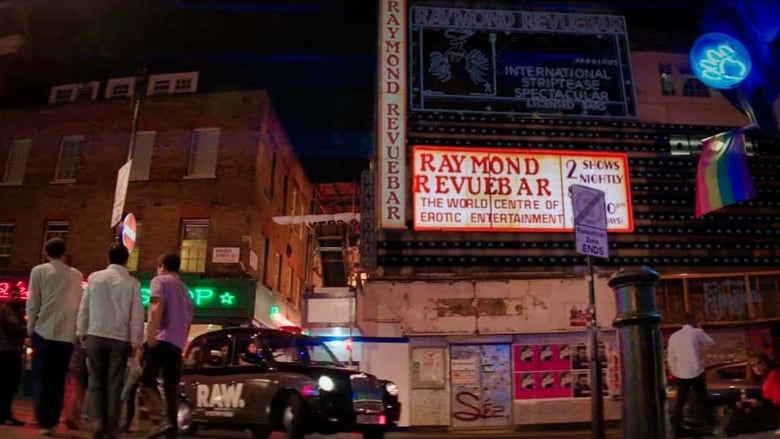
A short film about the changing face of London Soho and the implications of gentrification on Mimi, an aging transvestite.
Rua de Santa Catarina, a street that was formerly home to dozens of local businesses and hundreds of Porto residents, now sees a crowd of tourists attracted by the cheap, disposable amenities that are popping up everywhere at once. Gentrification has decontextualized Portuguese culture, rendering the landscape uncanny. The Basin Woman, a symbol of the female workers of the historic Bolhão Market, is chased down by seagulls in the midst of this transcendent chaos.
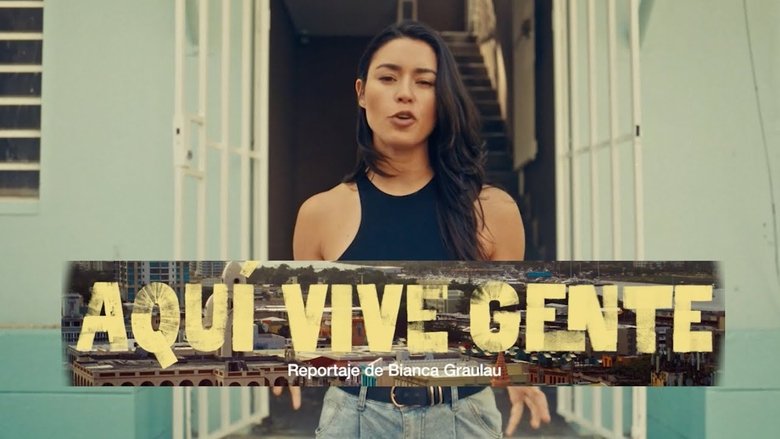
“El apagón: Aquí vive gente” is a 23-minute film that explores the socio-economic challenges in Puerto Rico, focusing on the effects of power outages and gentrification driven by the real estate and energy sectors. Through visuals and personal stories, the documentary highlights the experiences of Puerto Rican communities facing these issues.