
Similar to Nahel, un an après : la révolte étouffée

Who Killed Fourth Ward? (1978)
Originally founded as Freedman’s Town after the Civil War, The Fourth Ward is one of the oldest and most culturally significant black communities in Houston, Texas. In the 1970s, the city along with big business interests planned to redevelop the Fourth Ward in order to revitalize the dilapidated real estate and freshen the image of downtown Houston. The price of progress in this case would be the removal of many poor black families. The film explores a complex series of encounters with elected city officials, businessmen and the people of Fourth Ward in order to better understand how a city like Houston works. Who makes the decisions about where resources are spent and so determines the growth and wealth of the community.
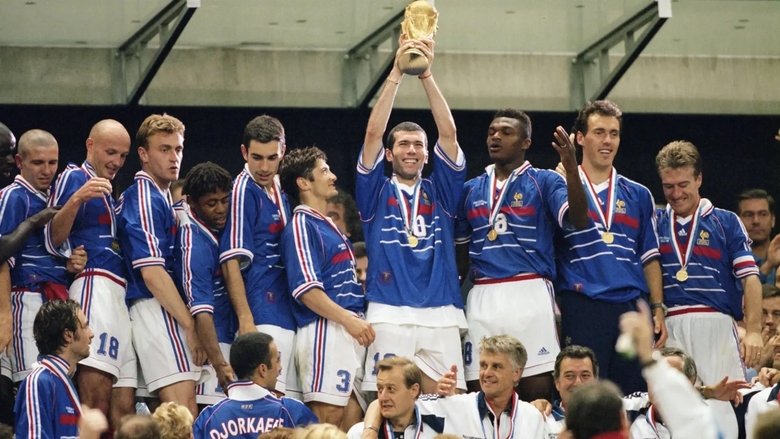
Les yeux dans les Bleus (1998)
This documentary follows the French soccer team on their way to victory in the 1998 World Cup in France. Stéphane Meunier spent the whole time filming the players, the coach and some other important characters of this victory, giving us a very intimate and nice view of them, as if we were with them.
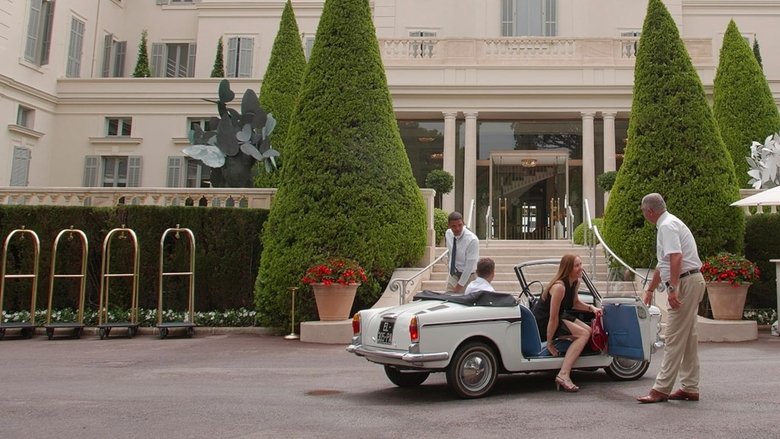
The King Without a Crown (1937)
This short explores the possibility that Louis XVII, son of King Louis XVI and Marie Antoinette, escaped death during the French Revolution and was raised by Indians in America.
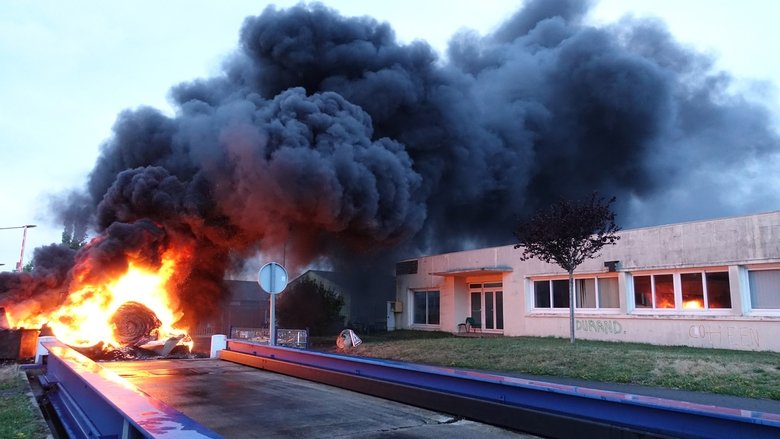
Blow It to Bits (2019)
A mix of Rock and Roll and Blues are the secret for successful rebellion. When I took my camera to the middle of France where the GM&S factory was threatened by a permanent shut down, I felt like something extraordinary was about to take place. And it did. The lyrics were written by workers who have had enough! The tune was composed by people not afraid to go against even the rules of revolt! The volume was loud enough to attract the media. Their working-class concert spread across France like wild fire. I sat out of sight, camera in hand, filming like catching fish in a barrel.

The Killing of a Journalist (2022)
A young investigative journalist and his fiancée are brutally murdered in their home in Slovakia. Their deaths inspire the biggest protests in Slovakia since the fall of communism. The story takes an unexpected turn when a source leaks the secret murder case file to the murdered journalist’s colleagues. It includes the computers and encrypted communications of the assassination’s alleged mastermind, a businessman closely connected to the country’s ruling party. Trawling these encrypted messages, journalists discover that their country has been captured by corrupt oligarchs, judges, and law enforcement officials. A reckoning awaits.
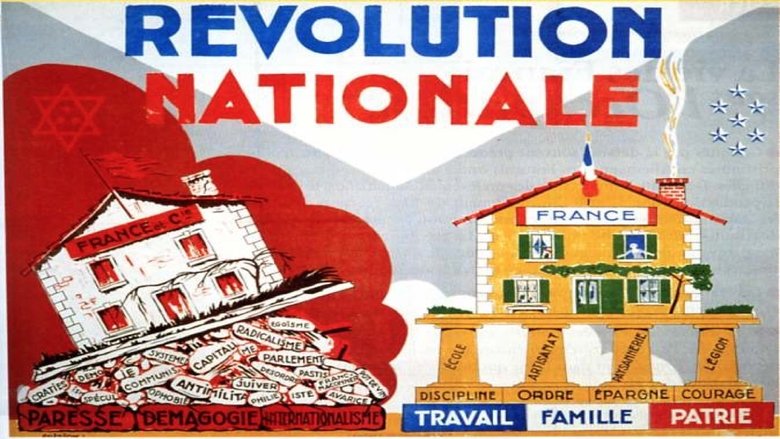
The Red Elvis (2007)
A documentary on the late American entertainer Dean Reed, who became a huge star in East Germany after settling there in 1973.
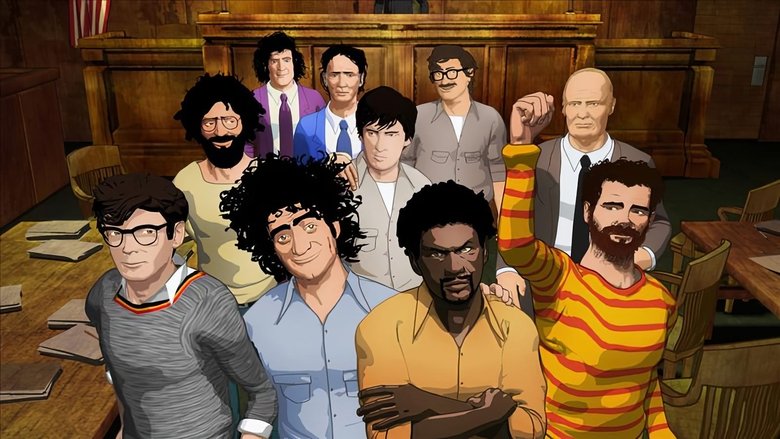
Chicago 10 (2008)
Archival footage, animation and music are used to look back at the eight anti-war protesters who were put on trial following the 1968 Democratic National Convention.
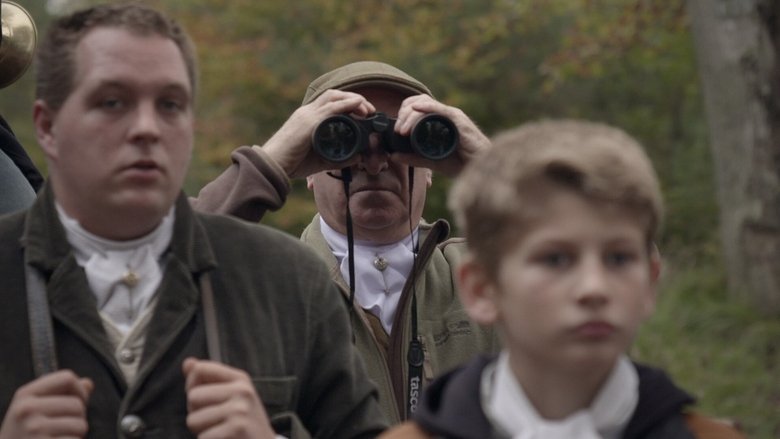
We (2022)
An urban train link, the RER B, crosses Paris and its outskirts from north to south. A journey within indistinct spaces known as inner cities and suburbs. Several portraits, all individual pieces that form a whole. We.
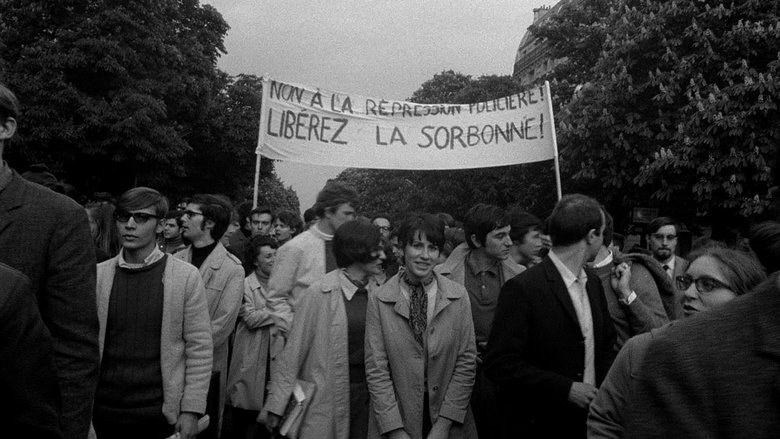
In the Intense Now (2017)
A personal essay which analyses and compares images of the political upheavals of the 1960s. From the military coup in Brazil to China's Cultural Revolution, from the student uprisings in Paris to the end of the Prague Spring.
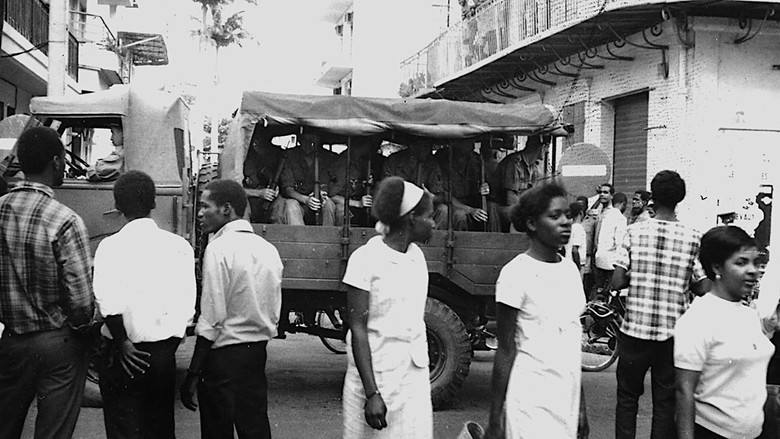
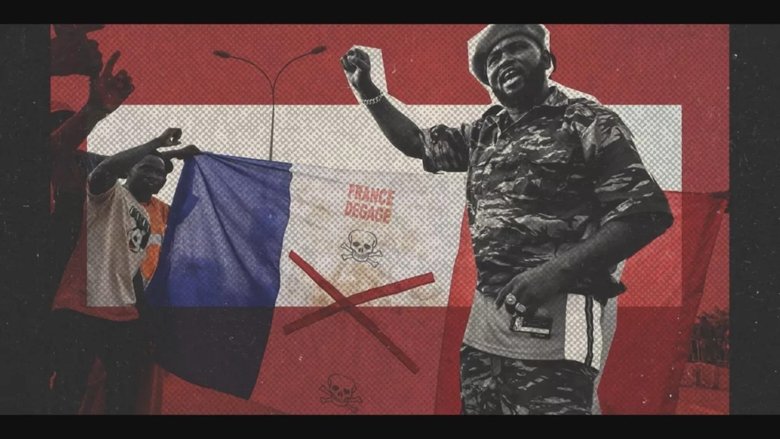
Afrique-France : le divorce ? (2025)
At a time when French flags are being burned and French embassies targeted, this documentary delves into the growing disaffection between French-speaking Africa and the former colonial power. Through the voices of African leaders, pan-African activists, and committed young people, the film questions the persistence of a relationship marked by the aftermath of colonization, the opaque agreements of "Françafrique," and a military presence deemed paternalistic.
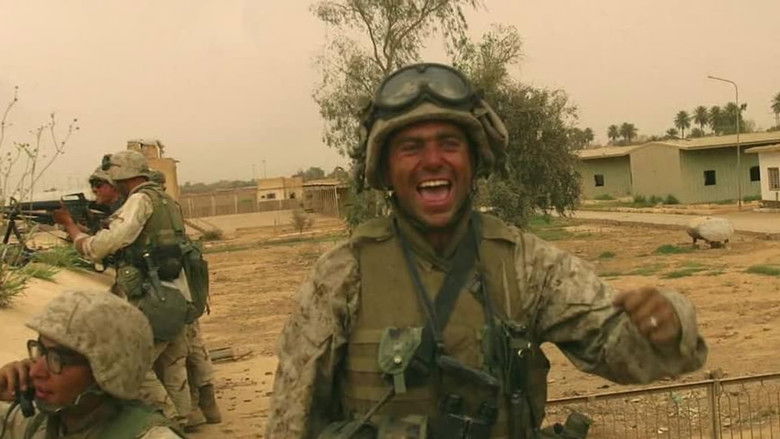
River of Gold (2016)
Narrated by Academy Award winners Sissy Spacek and Herbie Hancock, River of Gold is the disturbing account of a clandestine journey into Peru's Amazon rainforest to uncover the savage unraveling of pristine jungle. What will be the fate of this critical region of priceless biodiversity as these extraordinarily beautiful forests are turned into a hellish wasteland?
Princess Diana: The Mourning After (1998)
In "Diana: The Mourning After" Christopher Hitchens sets out to examine the bogusness of "a nation's grief", tries to uncover the few voices of sanity that cut against the grain of contrived hysteria. His findings suggested that the collective hordes of emotive Dianaphiles sobbing in the streets were not only encouraged but emulated by the media. In the aftermath of Diana's death a three-line whip was enforced on newspapers and on TV, selling the sainthood line wholesale. The suspicion was that journalists, like the public, greeted the death as a chance to wax emotional in print, as a change from the customary knowing cynicism, to wheel out all those portentous phrases they'd been saving up for the big occasion. Sadly, they just seemed to be showboating; the eulogies, laments and tear-soaked platitudes ringing risibly hollow.
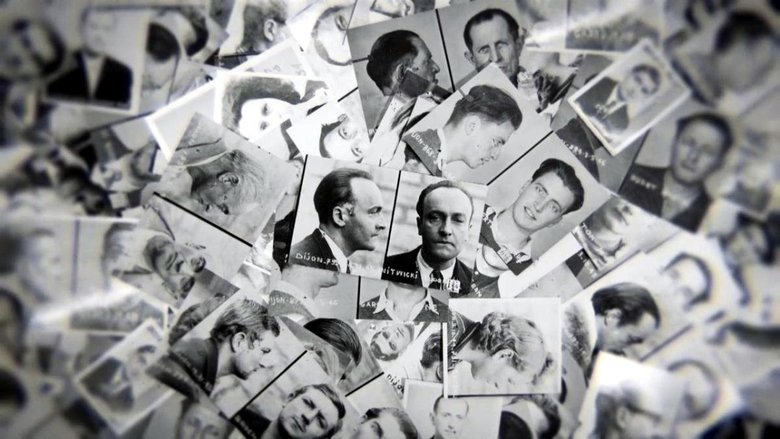
Des traîtres dans la Résistance (2021)
In May 1943, Ernst Kaltenbrunner, the new head of the Reich Central Security Office, gave Hitler a report describing in detail the organization of the French Resistance. Indeed, during the Second World War, most of the Resistance networks had been infiltrated by traitors, the "V Man" (trusted men) in the service of the occupier. The Germans had established treason as a system and recruiting Frenchmen ready to inform on them was one of their priorities. It was these Frenchmen, whose number is estimated at between 20,000 and 30,000, who dealt terrible blows to the Resistance.

Don't Lose Your Head: The Making of 'The Reign of Terror' (2012)
Don't Lose Your Head is a documentary about the making of Doctor Who story The Reign of Terror.

White Elephant in the River (2025)
"Was it the President who ordered the rivers to be six meters deep?" In 2008, under President Lee Myung-bak's administration, South Korea's Four Major Rivers Restoration Project turned the country's beautiful rivers into scenes of devastation. What were once pristine first-grade waters became lifeless rivers, choked with toxic green algae emitting foul odors. Crops irrigated with this contaminated water are now served on the table of Korean people. The government disguised a grand canal project as river restoration, and the media turned a blind eye — together enabling one of the greatest environmental destructions in Korean history. The consequences of this deception will be borne by future generations. To ensure that future generations can once again run freely along the rivers, we must act—now. We must make Korea's rivers flow again.