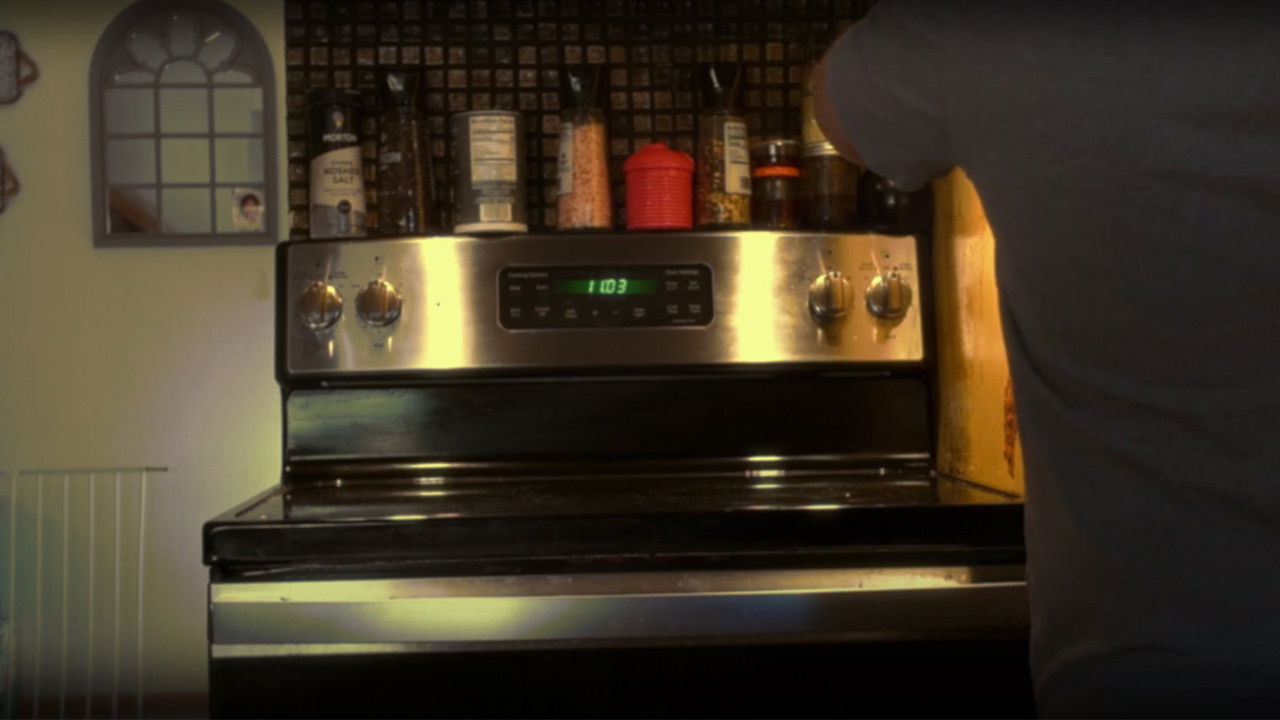
Breakfast (2024)
A quiet morning unfolds as I prepare an andouille for breakfast. Simple and serene, “Breakfast” captures the start of the day in its most peaceful moments.
A quiet morning unfolds as I prepare an andouille for breakfast. Simple and serene, “Breakfast” captures the start of the day in its most peaceful moments.
 Adonis GarciaAdonis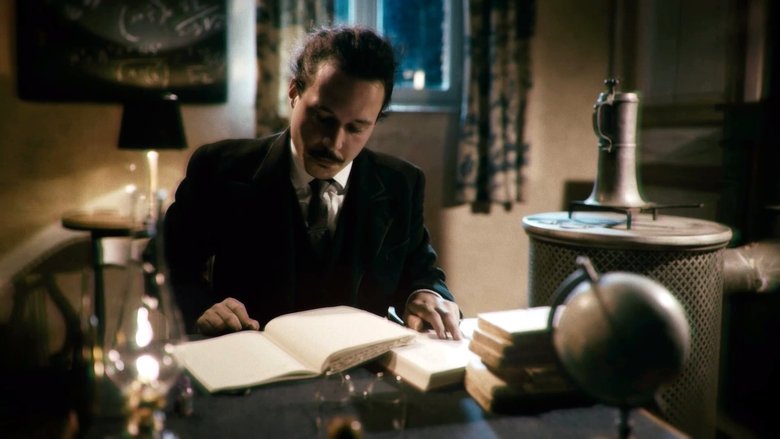
Who invented time, who invented the clock? Why 1 hour, why 60 minutes, why 60 seconds? Since prehistoric times, man has sought to measure time, to organize social and religious life, to plan food supply... Today we can surf the Internet, geolocate, pay by credit card… All our daily lives depend on time and the synchronization of clocks. The history of the invention of time and of the ways and instruments to measure it is a long story…
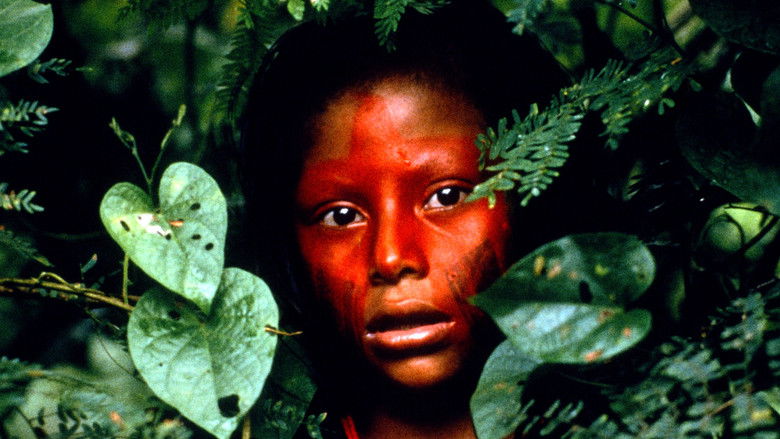
A paralysingly beautiful documentary with a global vision—an odyssey through landscape and time—that attempts to capture the essence of life.
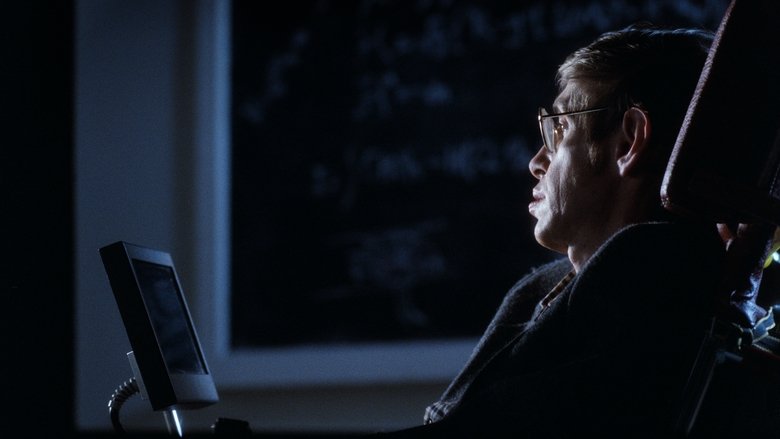
This shows physicist Stephen Hawking's life as he deals with the ALS that renders him immobile and unable to speak without the use of a computer. Hawking's friends, family, classmates, and peers are interviewed not only about his theories but the man himself.
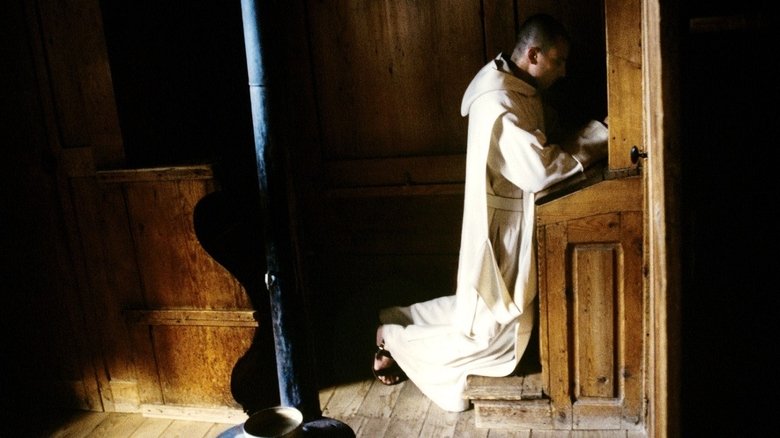
An intimate portrayal of the everyday lives of Carthusian monks of the Grande Chartreuse, high in the French Alps (Chartreuse Mountains). The idea for the film was proposed to the monks in 1984, but the Carthusians said they wanted time to think about it. The Carthusians finally contacted Gröning 16 years later to say they were now willing to permit Gröning to shoot the movie, if he was still interested.
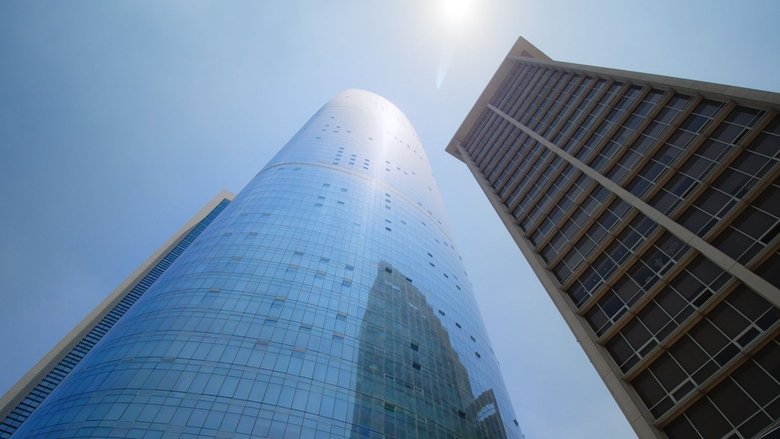
In the town of Xoco, the spirit of an old villager awakens in search of its lost home. Along its journey, the ghost discovers that the town still celebrates its most important festivities, but also learns that the construction of a new commercial complex called Mítikah will threaten the existence of both the traditions and the town itself.
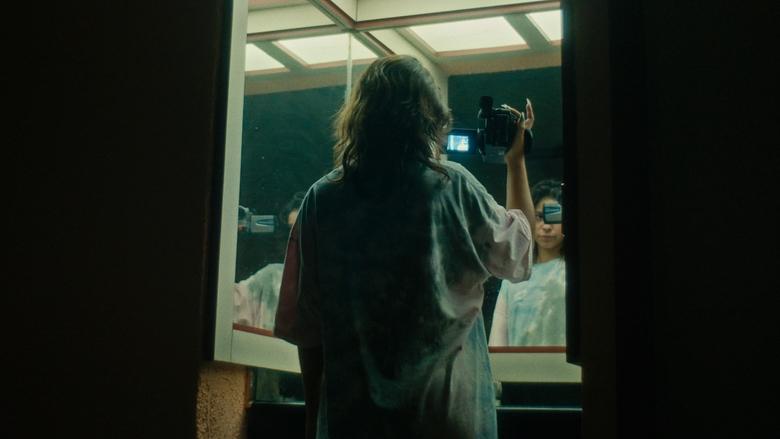
Mila and María are two teenagers who get to know each other through video correspondences they send to each other. One day, they arrange to meet in person.
"Eternal Theater" is a thought provoking documentary examining the Christian teaching on the afterlife.
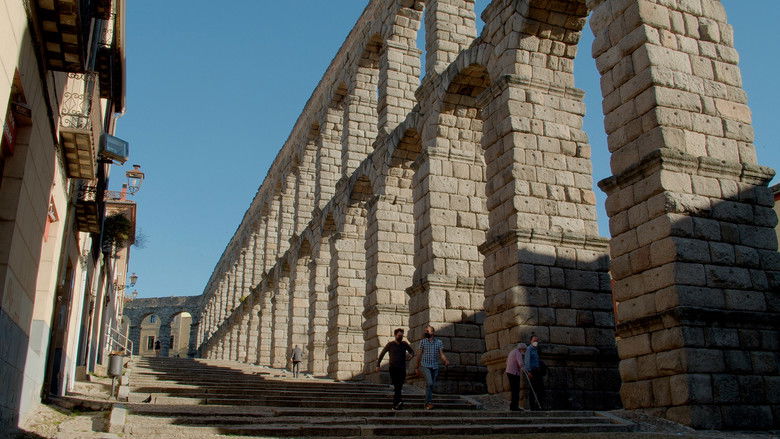
Aqueducts transport water. Images transmit the memory. Images of aqueducts are useless.
"Time" takes you through the city at night, capturing fleeting moments. With dynamic visuals and an atmospheric soundtrack, this short film explores the nature of existence and memory. Narrated by David Bowie, it invites you to reflect on the passage of time.
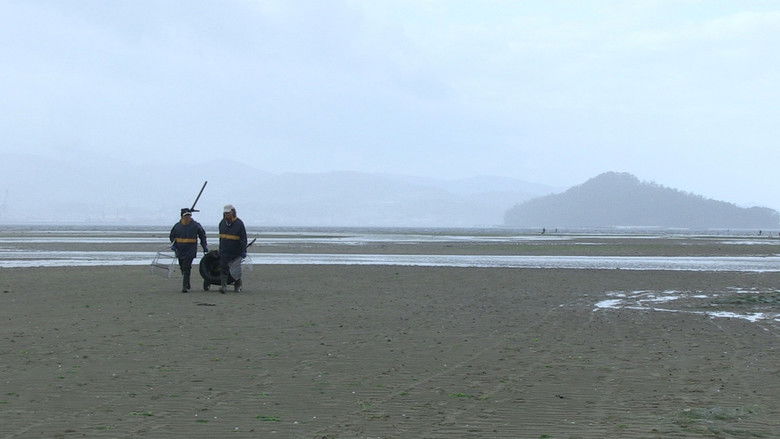
In Galician, Devalar means “the passing of time over things”. This short movie is a portrait of a seaside Galician village, on the edge of the Atlantic ocean, drawn by the memories of the director.
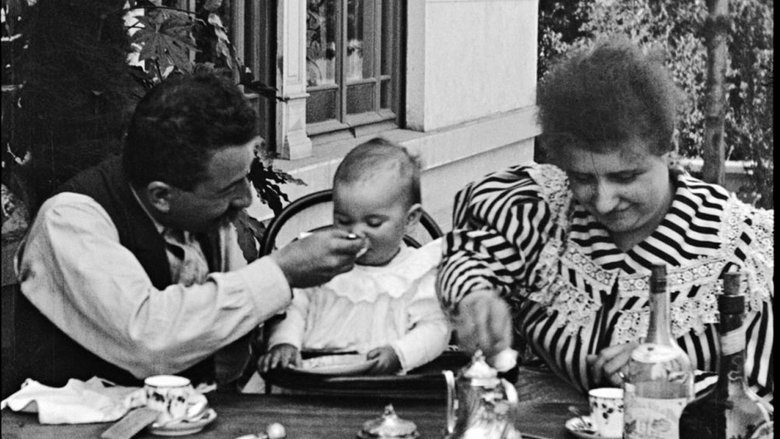
A father, a mother and a baby are sitting at a table, on a patio outside. Dad is feeding Baby her lunch, while Mum is serving tea.
Ante Meridiem is a sensory journey through the first hours of dawn. Kind but vehement, he explores the dichotomy between silence and bustle, patience and haste, taking both to their ultimate consequences.

Has the time of women finally come? Have their everyday lives truly changed over the past sixty years? Guided by Agnès Jaoui, women—famous and unknown—share their stories across generations. From childhood to retirement, the documentary traces shared experiences shaped by prejudice, but also by hope, strength, and humor. Blending personal archives, historic moments, and social media footage, the film places women at the center of their own story. Welcome to the Time of Women.
It’s a paradox. Never before in history we have worked more efficiently. Never before we have saved time with more sophisticated technologies. Anyway, nearly all of us are feeling an increasing pressure of time. It seems that the same technology that has been invented to make our life better and easier, is now enslaving us. Why?
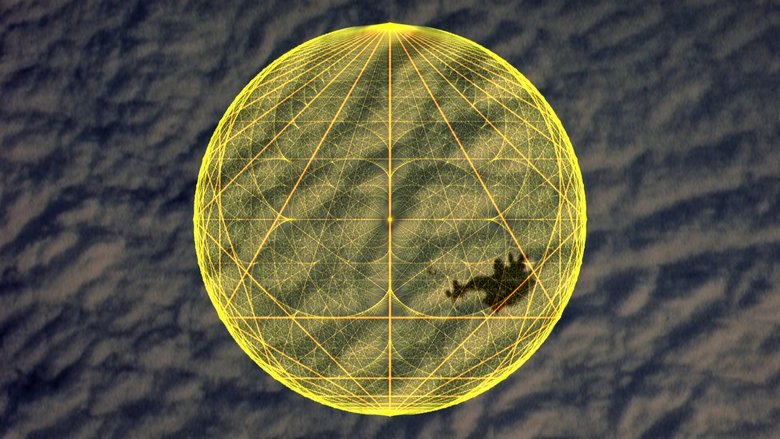
Working at the limits of what can easily be expressed, filmmaker Peter Mettler takes on the elusive subject of time, and once again turns his camera to filming the unfilmable. From the particle accelerator in Switzerland, where scientists seek to probe regions of time we cannot see, to lava flows in Hawaii which have overwhelmed all but one home on the south side of Big Island; from the disintegration of inner-city Detroit, to a Hindu funeral rite near the place of Buddha's enlightenment, Mettler explores our perception of time. He dares to dream the movie of the future while also immersing us in the wonder of the everyday. THE END OF TIME, at once personal, rigorous and visionary, Peter Mettler has crafted a film as compelling and magnificent as its subject.
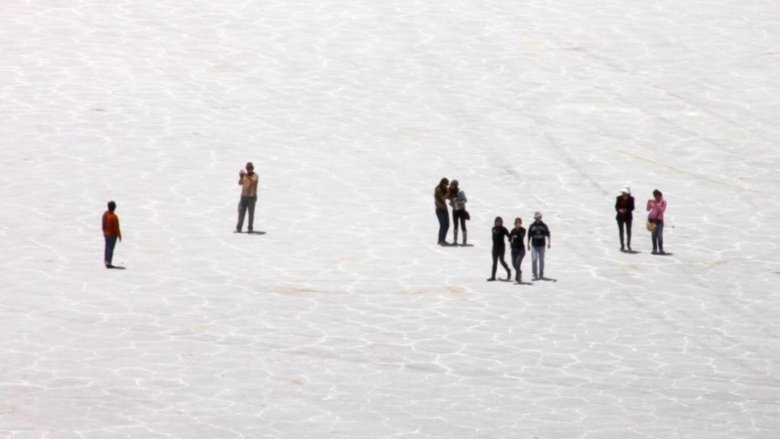
Hartmann proposes a 76-minute film in which each minute stands for a year of his life. This obsessive rule is invoked in the last 4 “years” of his life (and of the film). A cable-car journey codes in its own duration the secret of a perdurable shot. A poetic emancipation by a young filmmaker: a life plan finding its right frame. Roger Koza
In Finland, a small child is waiting for his time to begin. His heart is broken. A major heart surgery is expected. There is a fight against time. The boys parents are wandering in the corridors of the hospital. The heart is stopped during the surgery operation. Le Locle, a village in Switzerland acts as the heart of watch industry. Narrow streets of the village carry vital parts to watches and nowdays also into human bodies, for example pacemakers. Village is formed as a big factory line and appears as a time-twisting machine. There pieces are refined and workers hands turns the time on and off.
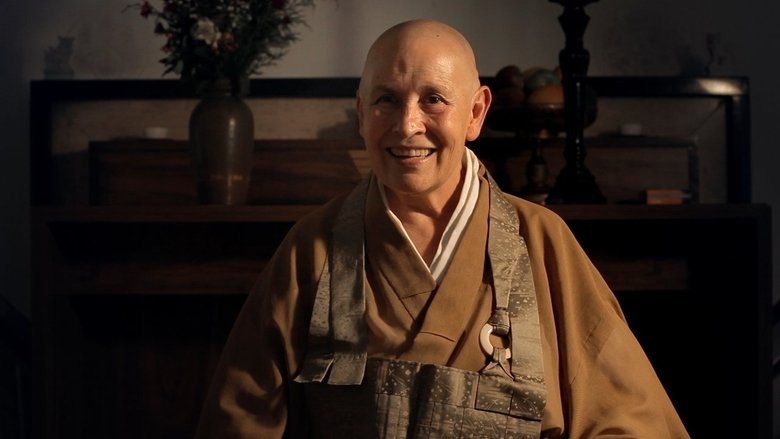
We live in a new age. We are always rushing, rushing for no reason, rushing for nothing. As though time had sped up. Everything implies speed, urgency. But ultimately, why does time seem so short? This film is about the director’s conflict about time and the lack of it in today’s world; she reflects on civilization and the future of existence.
The diary of a typical non-stop working day of a wartime district nurse.
Jonathan Stavleu explores, in a stream-of-consciousness video essay, the relationship people have with water and what happens when access to it is taken away. For this work, he examines anecdotal histories he has heard from Estonians, as well as stories from his own family history in the Netherlands, weaving them together into a journal-like narrative.