
In the Land That Is Like You (2009)
In the Land That Is Like You is a progress on the tracks of my lost past, with the contact of my mother, my grandmother and the man who I love, in a country which escapes from me and retains me, Lebanon.
In the Land That Is Like You is a progress on the tracks of my lost past, with the contact of my mother, my grandmother and the man who I love, in a country which escapes from me and retains me, Lebanon.
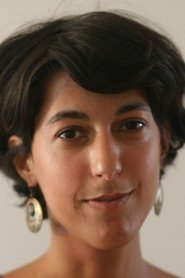 Maya Abdul-MalakSelf
In Uganda, AIDS-infected mothers have begun writing what they call Memory Books for their children. Aware of the illness, it is a way for the family to come to terms with the inevitable death that it faces. Hopelessness and desperation are confronted through the collaborative effort of remembering and recording, a process that inspires unexpected strength and even solace in the face of death.
Thomas Haemmerli is about to celebrate his fortieth birthday when he learns of his mother's death. A further shock follows when he and his brother Erik discover her apartment, which is filthy and full to bursting with junk. It takes the brothers an entire month to clean out the place. Among the chaos, they find films going back to the 1930s, photos and other memorabilia.
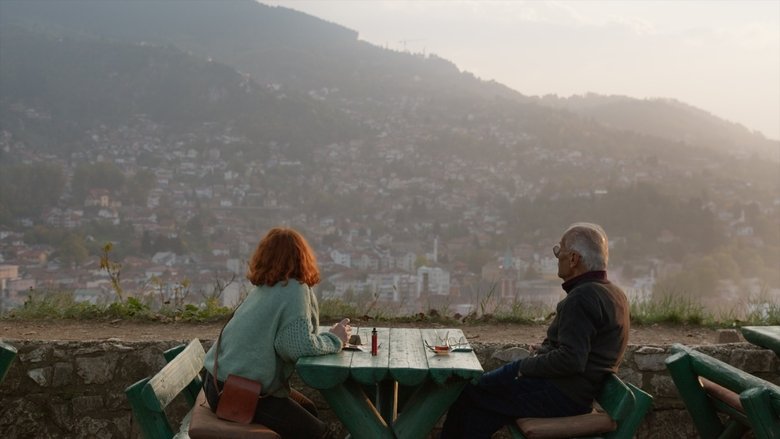
Lebanese director Angie Obeid embarks on a road trip with her father, Mansour, retracing a journey he made 42 years ago. She tries to reach out to the young Mansour, understand the decisions he made when he was her age, and find common ground. The film explores the challenges and opportunities that arise when navigating the boundaries between tradition and modernity, family and individuality, home and the wider world.
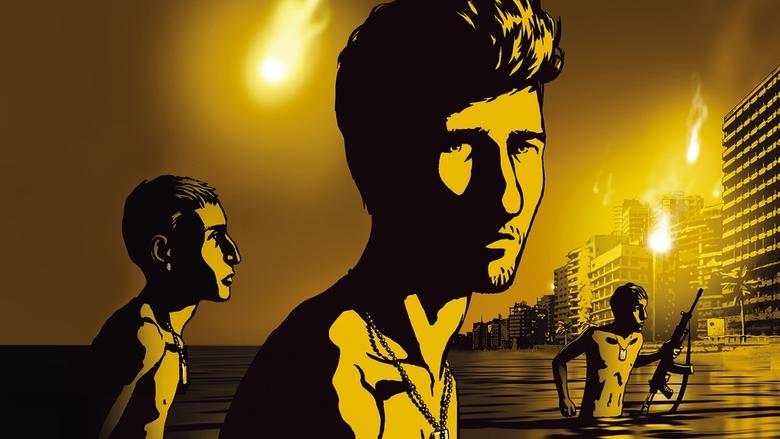
An Israeli film director interviews fellow veterans of the 1982 invasion of Lebanon to reconstruct his own memories of his term of service in that conflict.
Filmmaker Evie Wray travels to rural Kansas in an attempt to reconnect with her mentally unstable mother, Evie, for the first time since Evie’s psychotic breakdown five years earlier. She finds a parent still chasing her demons, both real and imagined, struggling to make a career for herself as an abstract artist and searching for the Geodetic Center of the United States, the finding of which, Evie says, will bring about world peace.
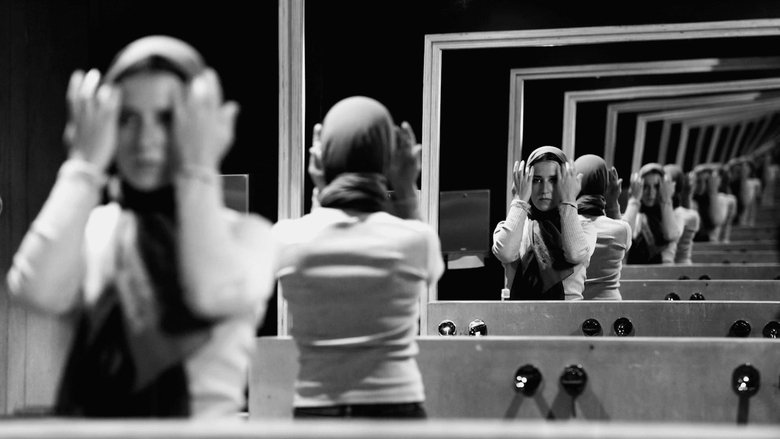

Violeta and Vyollca Dukay live in the south of Kosovo, close to the border with Albania. Faced with a very high unemployment in their country since the end of the war, they became deminers. They’ve been going to the minefields every day for six years now. The unique and very strong relationship that exists between the two sisters helps them to overcome their fear and to keep hoping in spite of the precariousness of their situation and the risks they run each day to earn their living.
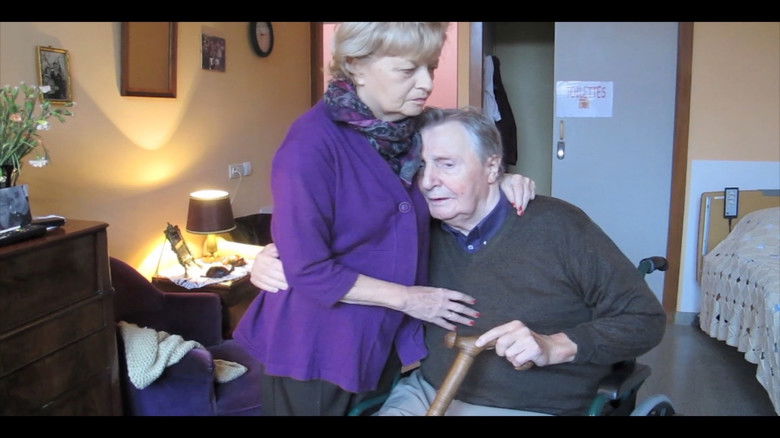
Lou Colpé has been filming her grandparents since she was 15. In the process of this intense relationship, she notices some disconcerting signs in her grandmother: Alzheimer’s is slowing her down. A new film begins, a tougher one: the story of a couple that must face a tremendous challenge. Struggling against the tide of oblivion, the task of filmmaking becomes the ultimate act of resistance. Trying to retain the last images of her grandparents, an intimate conversation begins and echoes through the songs that play on the radio, conjuring lost stories and memories.
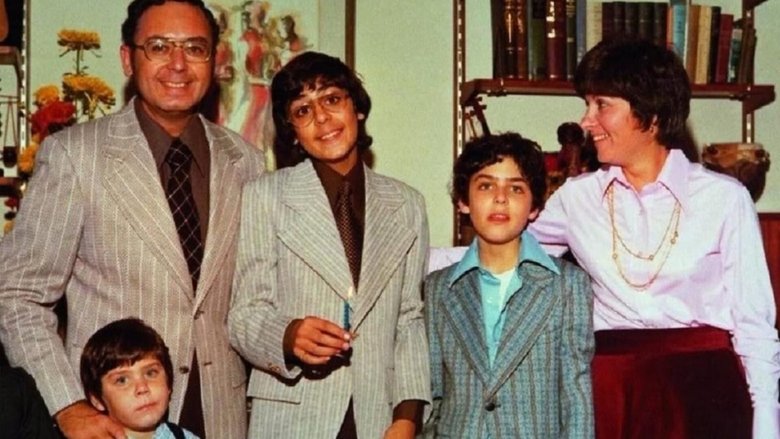
An Oscar nominated documentary about a middle-class American family who is torn apart when the father Arnold and son Jesse are accused of sexually abusing numerous children. Director Jarecki interviews people from different sides of this tragic story and raises the question of whether they were rightfully tried when they claim they were innocent and there was never any evidence against them.
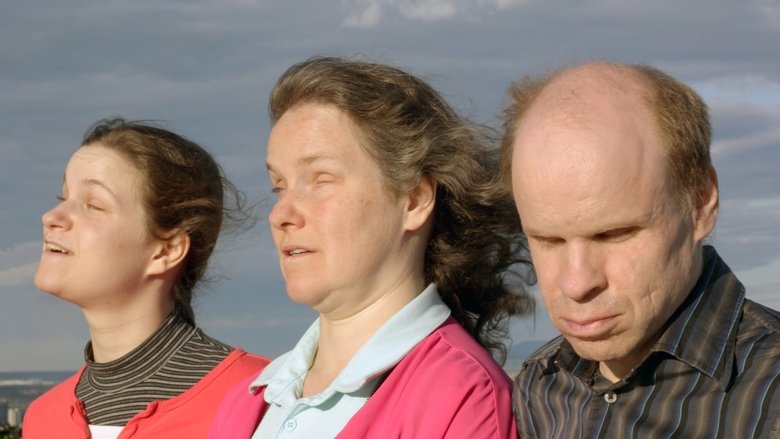
Traces the lives of the Hartings, a blind Montreal family of three who make their living singing in the city's subway stations. The Hartings lost their only sighted child Hassan in a tragic drowning accident, and have since turned to the teachings of Russian mystic Grigori Grabovoi, hoping to resurrect their son. Resurrecting Hassan is an exploration of this family's legacy of grief, tragedy and abuse; the film will follow them on their path to redemption.
Until now, they have stood on the sidelines. They have not appeared before the cameras. They have not taken part in public discussion. It is mainly to them that the documentary film by the well-known journalist Ewa Ewart was devoted. It shows the face of the Smolensk catastrophe through the eyes of the victims' families. April 10, 2010 went down in the memory of Poles as a day of national drama. But for the characters in the film, it was the day of their greatest personal drama. Along with the presidential couple, their loved ones passed away in shocking circumstances. For most, the time passing since the Smolensk catastrophe does not bring relief. Ewa Ewart and her film crew accompany the families at various stages of their struggle with difficult emotions. The film is in the process of being made and will include sequences and stills that have not been used anywhere before.
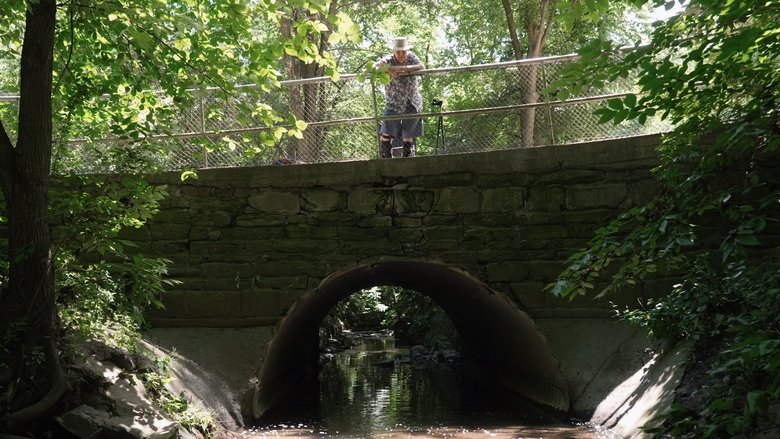
Reclaiming what was once stolen from him, a man journeys back to the place of his childhood nearly 80 years after his world came crashing down.
In the vast expanse of desert East of Atlas Mountains in Morocco, seasonal rain and snow once supported livestock, but now the drought seems to never end. Hardly a blade of grass can be seen, and families travel miles on foot to get water from a muddy hole in the ground. Yet the children willingly ride donkeys and bicycles or walk for miles across rocks to a "school of hope" built of clay. Following both the students and the teachers in the Oulad Boukais Tribe's community school for over three years, SCHOOL OF HOPE shows students Mohamed, Miloud, Fatima, and their classmates, responding with childish glee to the school's altruistic young teacher, Mohamed. Each child faces individual obstacles - supporting their aging parents; avoiding restrictions from relatives based on traditional gender roles - while their young teacher makes do in a house with no electricity or water.
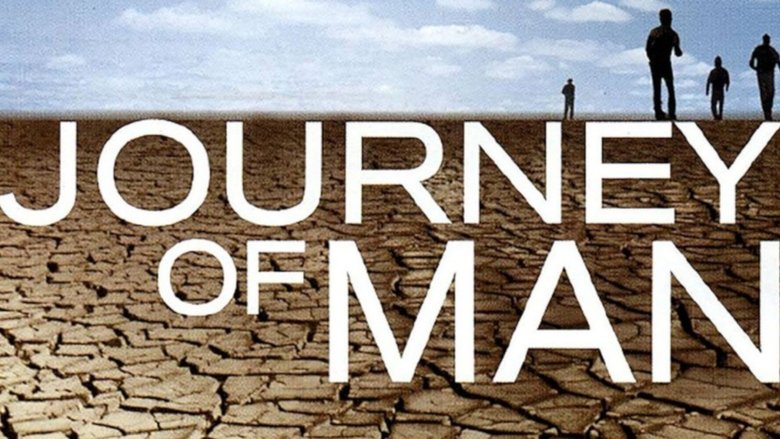
Many geneticists and archaeologists have long surmised that human life began in Africa. Dr. Spencer Wells, one of a group of scientists studying the origin of human life, offers evidence and theories to support such a thesis in this PBS special. He claims that Africa was populated by only a few thousand people that some deserted their homeland in a conquest that has resulted in global domination.
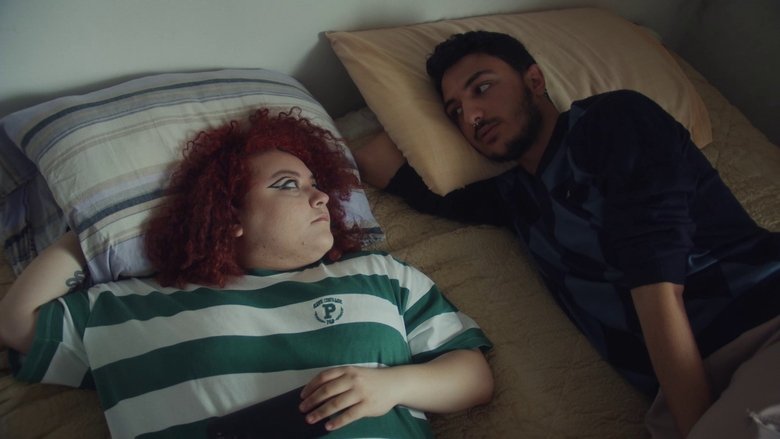
Activists of the LGBTQ+ association Rain Arcigay Caserta come back living in a property given to them in concession, confiscated from the Camorra in Castel Volturno. The goal is to reconnect with the local inhabitants and propose a new idea of sharing and regenerating the park.
Tips for what to expect when taking a vacation aboard a cruise ship, and how to make the most of the trip.
American Herro is the remarkable story of a young Kurdish girl who comes to America as a refugee from Iraq and lives out the American dream. 30-years later, traveling the globe working for Condoleeza Rice, U.S. Diplomat Herro Mustafa invites her first American friend, filmmaker Kirk Roos, to visit Iraq and retrace her steps to freedom.
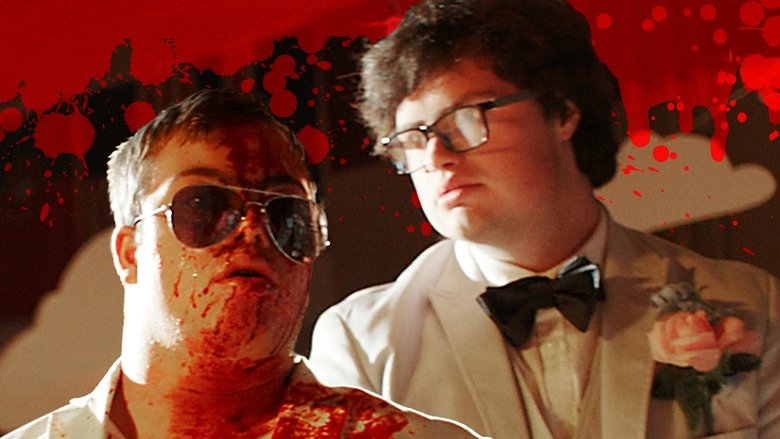
Documentary about the making of ’Spring Break Zombie Massacre.’
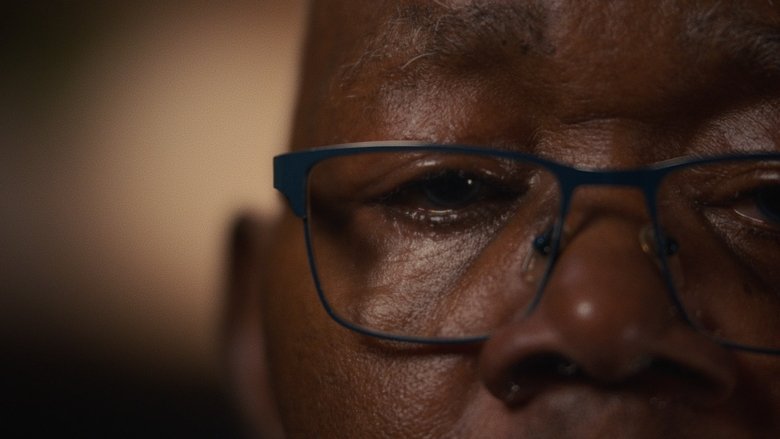
Irpinia follows the journey of young West Indian dreamer Dudley as he makes his way to England in the 1960s. At 24 years old, Dudley boarded a ship named Irpinia in search of a better life in England, the so-called motherland. Now 86, Dudley reflects on the exciting journey at sea and the harsh reality that lay ahead of him.
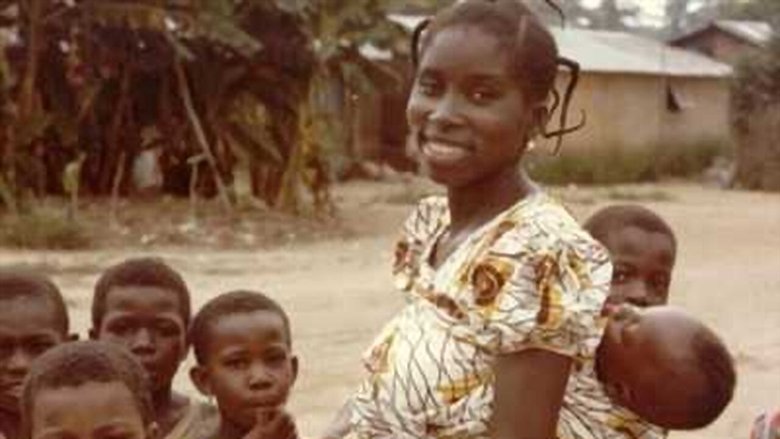
A look at the Brazilian black movement between 1977 and 1988, going by the relationship between Brazil and Africa.