
Similar to Muttur : crime contre l'humanitaire
Smile (2018)
A heartwarming exploration of a community art project by photographer Tawfik Elgazzar providing free portraits for locals and passers-by in Sydney, Australia's Inner West. The film explores the nature of individuality, cultural diversity and the positive joy for the photographer of seeing his subjects smile.
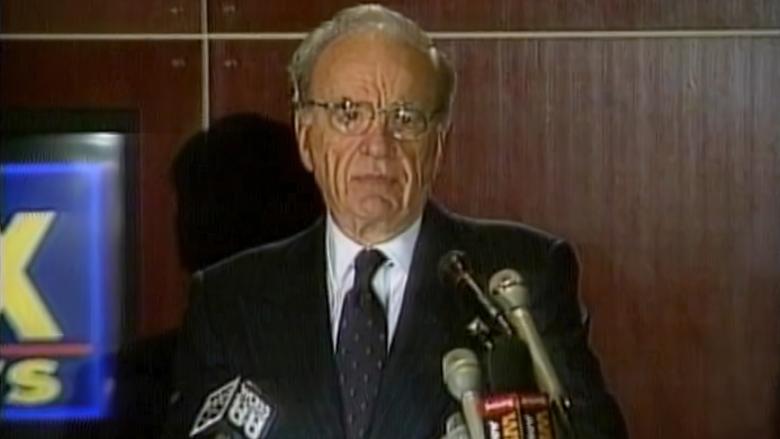
Outfoxed: Rupert Murdoch's War on Journalism (2004)
This film examines how media empires, led by Rupert Murdoch's Fox News, have been running a "race to the bottom" in television news, and provides an in-depth look at Fox News and the dangerous impact on society when a broad swath of media is controlled by one person. Media experts, including Jeff Cohen (FAIR) Bob McChesney (Free Press), Chellie Pingree (Common Cause), Jeff Chester (Center for Digital Democracy) and David Brock (Media Matters) provide context and guidance for the story of Fox News and its effect on society. This documentary also reveals the secrets of Former Fox news producers, reporters, bookers and writers who expose what it's like to work for Fox News. These former Fox employees talk about how they were forced to push a "right-wing" point of view or risk their jobs. Some have even chosen to remain anonymous in order to protect their current livelihoods. As one employee said "There's no sense of integrity as far as having a line that can't be crossed."
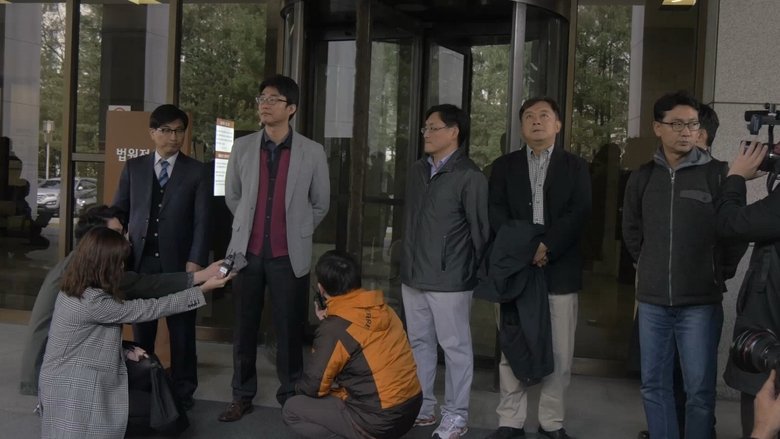
Seven Years-Journalism without Journalist (2017)
A total of 17 journalists have been fired since 2008, the beginning of LEE Myung-bak’s presidential term. They fought against the companies that they worked for succumbing to power and are now frustrated at reality where censorship of the press by authority has now become a norm. Can they continue their activities as journalists?
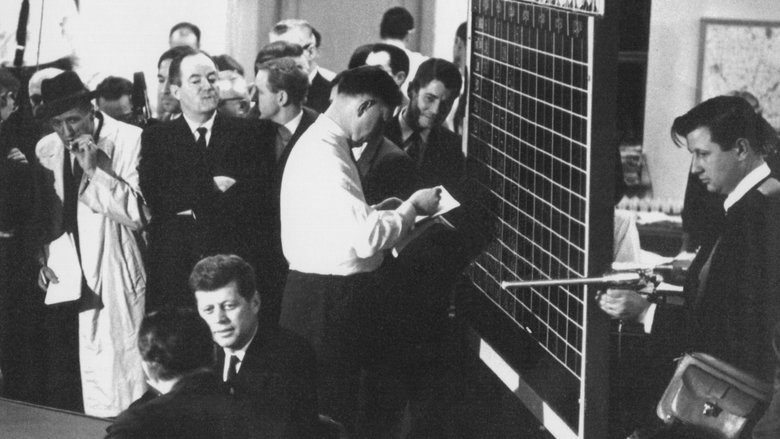
Primary (1960)
Primary is a documentary film about the primary elections between John F. Kennedy and Hubert Humphrey in 1960. Primary is the first documentary to use light equipment in order to follow their subjects in a more intimate filmmaking style. This unconventional way of filming created a new look for documentary films where the camera’s lens was right in the middle of what ever drama was occurring. Preserved by the Academy Film Archive in partnership with The Film Foundation in 1998.
Stuart Hall: Representation & the Media (1997)
Cultural theorist Stuart Hall offers an extended meditation on representation. Moving beyond the accuracy or inaccuracy of specific representations, Hall argues that the process of representation itself constitutes the very world it aims to represent, and explores how the shared language of a culture, its signs and images, provides a conceptual roadmap that gives meaning to the world rather than simply reflecting it. Hall's concern throughout is the centrality of culture to the shaping of our collective perceptions, and how the dynamics of media representation reproduce forms of symbolic power.
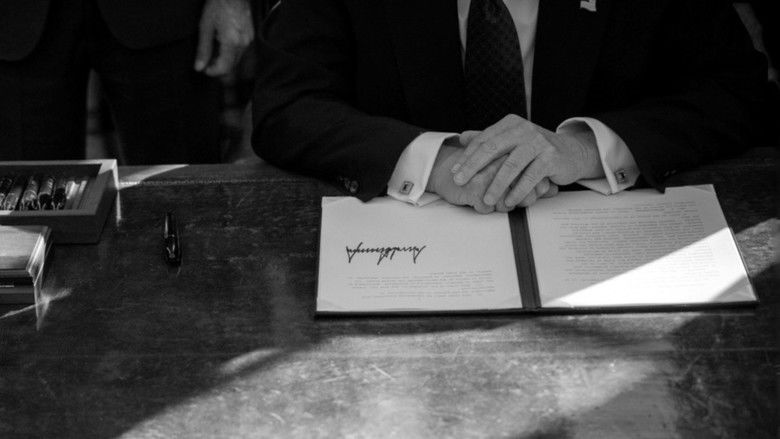
Trump's Power & the Rule of Law (2025)
FRONTLINE goes inside the high-stakes showdown between President Donald Trump and the courts over presidential power. Trump allies, opponents and experts talk about how he is testing the extent of his power; the legal pushback; and the impact on the rule of law.
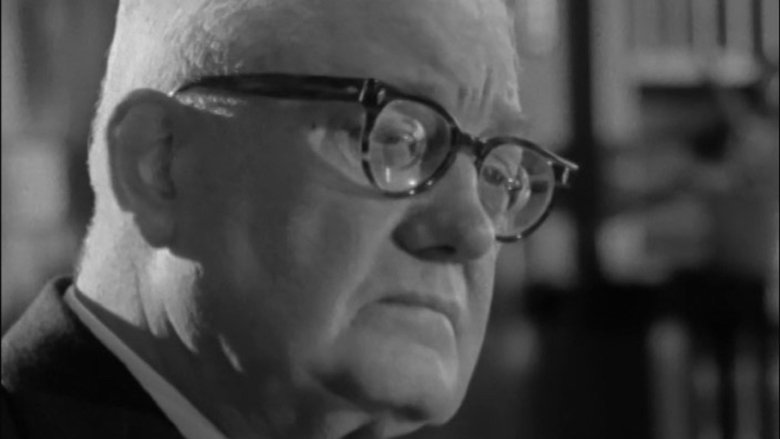
Never a Backward Step (1966)
This feature documentary is a profile of Canadian press tycoon Roy Thomson, whose single-minded attention to business brought him riches, power, and even a baronetcy in England. A native of Timmins, Ontario, Thomson had a tremendous career as publisher, television magnate, financier, and owner of many newspapers, including leading London dailies. The film is a frank study of an equally frank man.
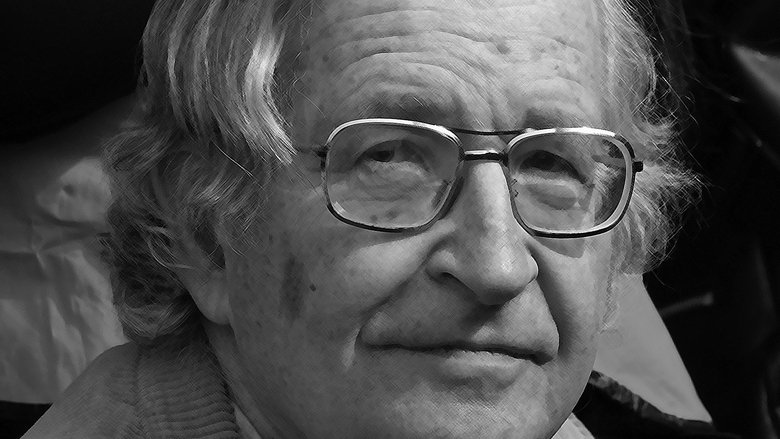
Manufacturing Consent: Noam Chomsky and the Media (1992)
A film about the noted American linguist/political dissident and his warning about corporate media's role in modern propaganda.
Rich Media, Poor Democracy (2003)
Robert McChesney lays the blame for the US's current state of affairs squarely at the doors of the corporate boardrooms of big media, which far from delivering on their promises of more choice and more diversity, have organized a system characterized by a lack of competition, homogenization of opinion and formulaic programming.
Access to the Danger Zone (2012)
Directed by Peter Casaer and narrated by Daniel Day-Lewis, this documentary provides a harrowing look at the challenges of delivering humanitarian aid in armed conflicts. “Access to the Danger Zone” explores the strategies that Doctors Without Borders has employed to save lives in the world’s worst war zones, including Afghanistan, Somalia, and eastern Democratic Republic of Congo—strategies that are tested each and every day. Interviews with key experts from Doctors Without Borders, the International Committee of the Red Cross, and the United Nations are accompanied by dramatic footage shot in these countries in 2011 and 2012.
Tribal Justice (2017)
Two formidable Native American women, both chief judges in their tribe's courts, strive to reduce incarceration rates and heal their people by restoring rather than punishing offenders, modeling restorative justice in action.
Facing Darkness (2017)
A Christian relief organization is met with the challenge of fighting the Ebola epidemic in west Africa, through this enormous challenge their faith grew.
Yesterday's Witness (1976)
For the first 50 years of film history, the newsreel was a fixture in American movie theaters. From 1911 to 1967, these shorts proved an influential source of information – and misinformation – for generations of American moviegoers. Television news and public affairs programs became a great improvement over the scanty information offered by the newsreels. This documentary offers insight into a medium which has disappeared.
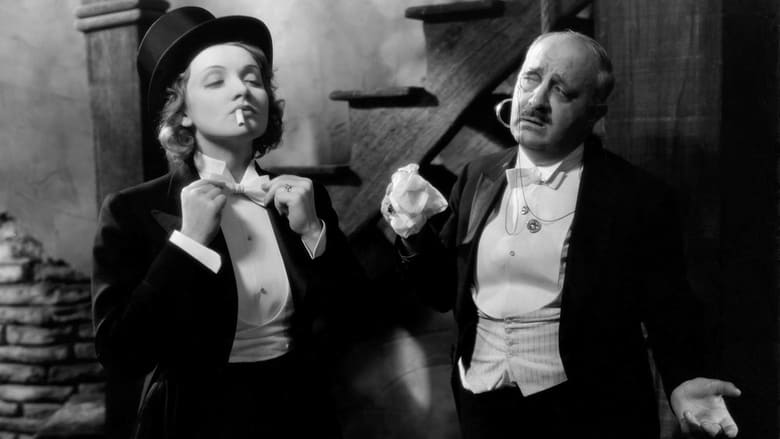
The Celluloid Closet (1996)
Exuberant, eye-opening movie that serves up a dazzling hundred-year history of the role of gay men and lesbians have had on the silver screen. Film contains fabulous footage from 120 films showing the changing face of cinema sexuality, from cruel stereotypes to covert love to the activist triumphs of the 1990s.
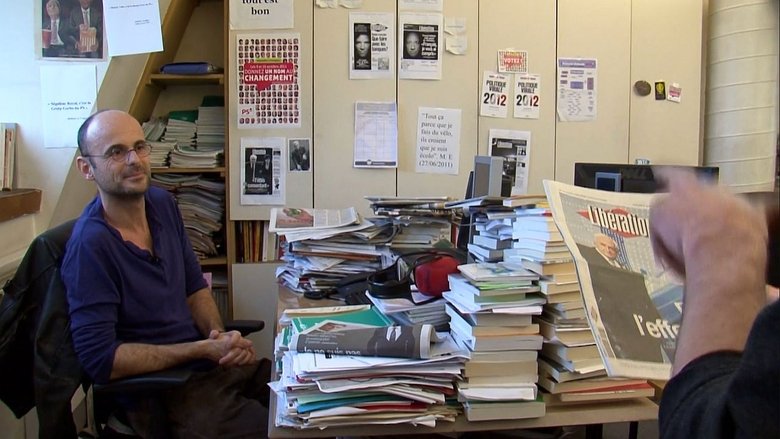
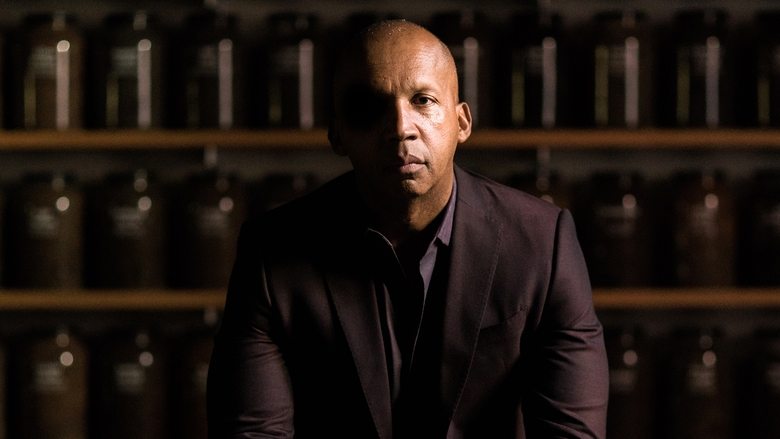
True Justice: Bryan Stevenson's Fight for Equality (2019)
An intimate portrait of Alabama public interest attorney Bryan Stevenson, founder and executive director of the Equal Justice Initiative, who for more than three decades has advocated on behalf of the poor, the incarcerated and the condemned, seeking to eradicate racial discrimination in the criminal justice system.
Joanne (2017)
Joanne is a model, a teacher, a fighter, a chameleon. But when her private semi-nude photos went public, this woman of many talents came to be simply known as 'the topless teacher'. Together with her former student, artist Simon Fujiwara, she seeks to reclaim her image through social media and branding tactics. Shifting between advertisement and portraiture, this meta-narrative on identity manages to infuse playfulness in its layered commentary on who you are and how you're seen.
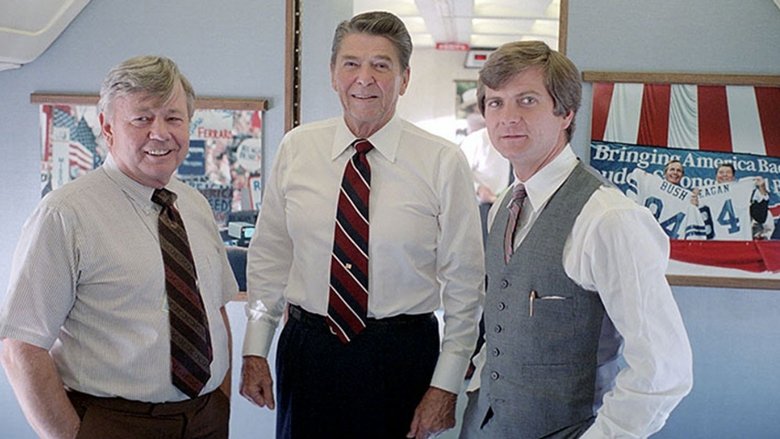
Boogie Man: The Lee Atwater Story (2008)
Boogie Man is a comprehensive look at political strategist, racist, and former Republican National Convention Committee chairman, Lee Atwater, who reinvigorated the Republican Party’s Southern Strategy to increase political support among white voters in the South by appealing to racism against African Americans. He mentored Karl Rove and George W. Bush and played a key role in the elections of Reagan and George H.W. Bush.
History on the Run: The Media and the '79 Election (1979)
This documentary examines the media's coverage of the Canadian federal election of May 1979. Filmed over a 3-week period, it takes a fascinating look at journalists in action and the politicians who attempt to manipulate the media.